



Not every faucet in a product portfolio needs to serve the same purpose. Some models should become core products that lead the range in presentation and sales. Others may serve narrower demand but still add value by covering additional functions, price points, or usage scenarios.
Without clearly separating these roles, it is easy to evaluate every SKU using the same criteria.
A Core Product Should Represent the Range
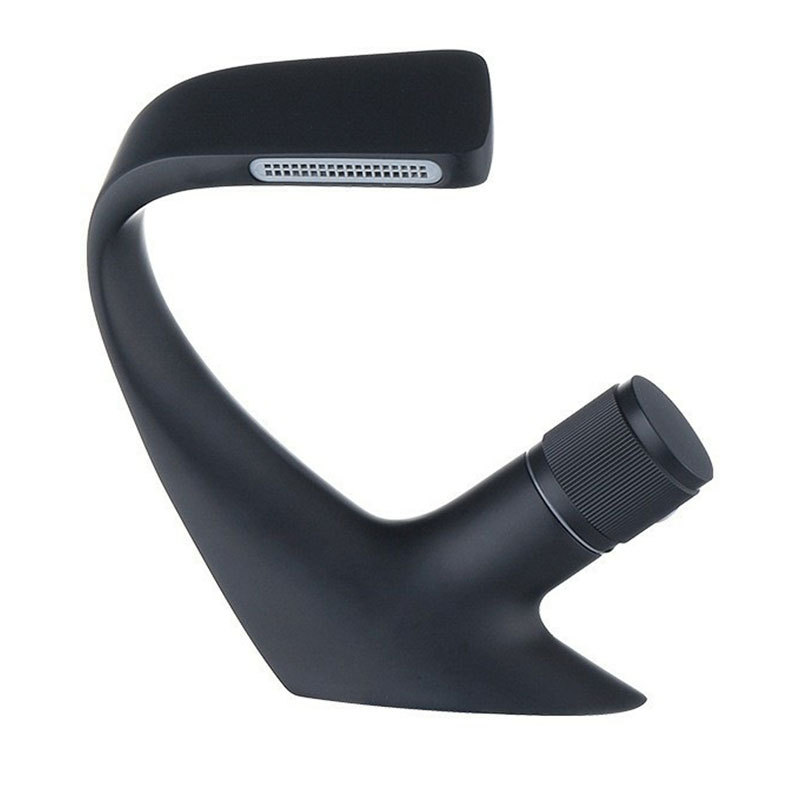
Take a Waterfall Basin Faucet range as an example. If waterfall flow is the main product feature, the core model should communicate that feature clearly while keeping the overall configuration relatively easy to understand.
A basic robinet de lavabo en cascade may work better as a core product than a highly complex model because it immediately shows what the range is about.
A core product does not have to offer the highest specification or the lowest price. Instead, it acts as the center of the range. The main design direction, functionality, and positioning of the portfolio should all be recognizable through this product.
Supporting Products Should Fill Gaps the Core Product Cannot Cover
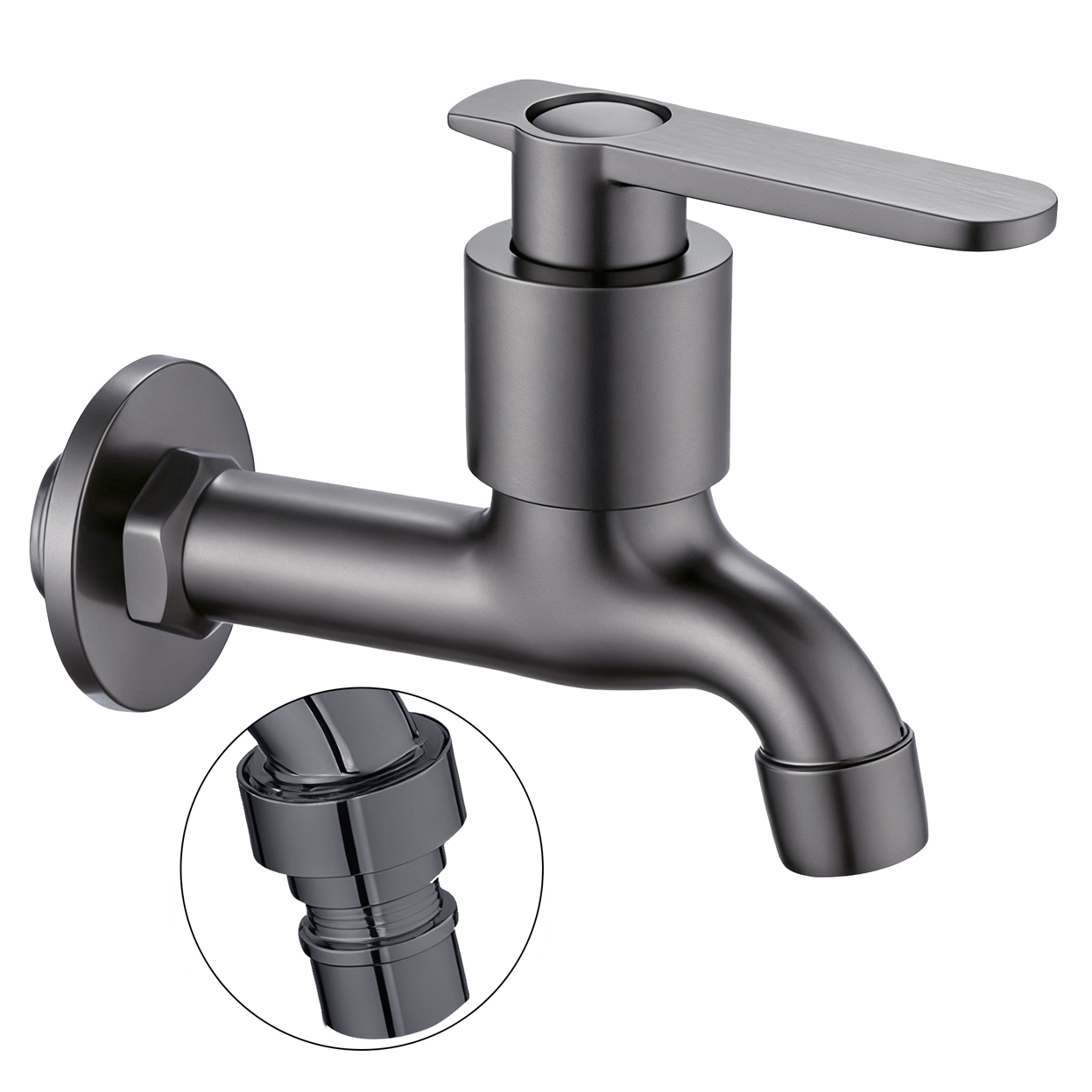
Beyond the core model, the range can include a mitigeur de lavabo en cascade or versions with additional functions.
Whether these products deserve a place in the portfolio should not depend only on whether they can generate sales individually. Their role within the overall range also matters.
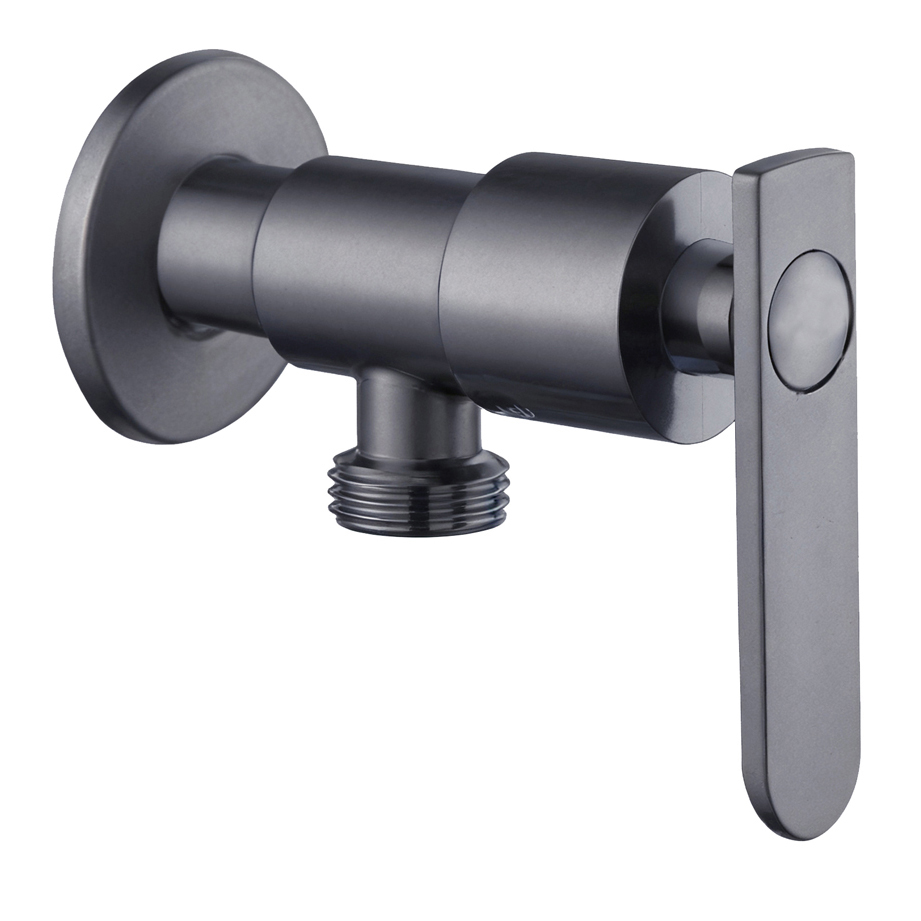
Some models may cover different installation or usage requirements. Others may provide higher specifications or extend the range into a particular Finish or price segment.
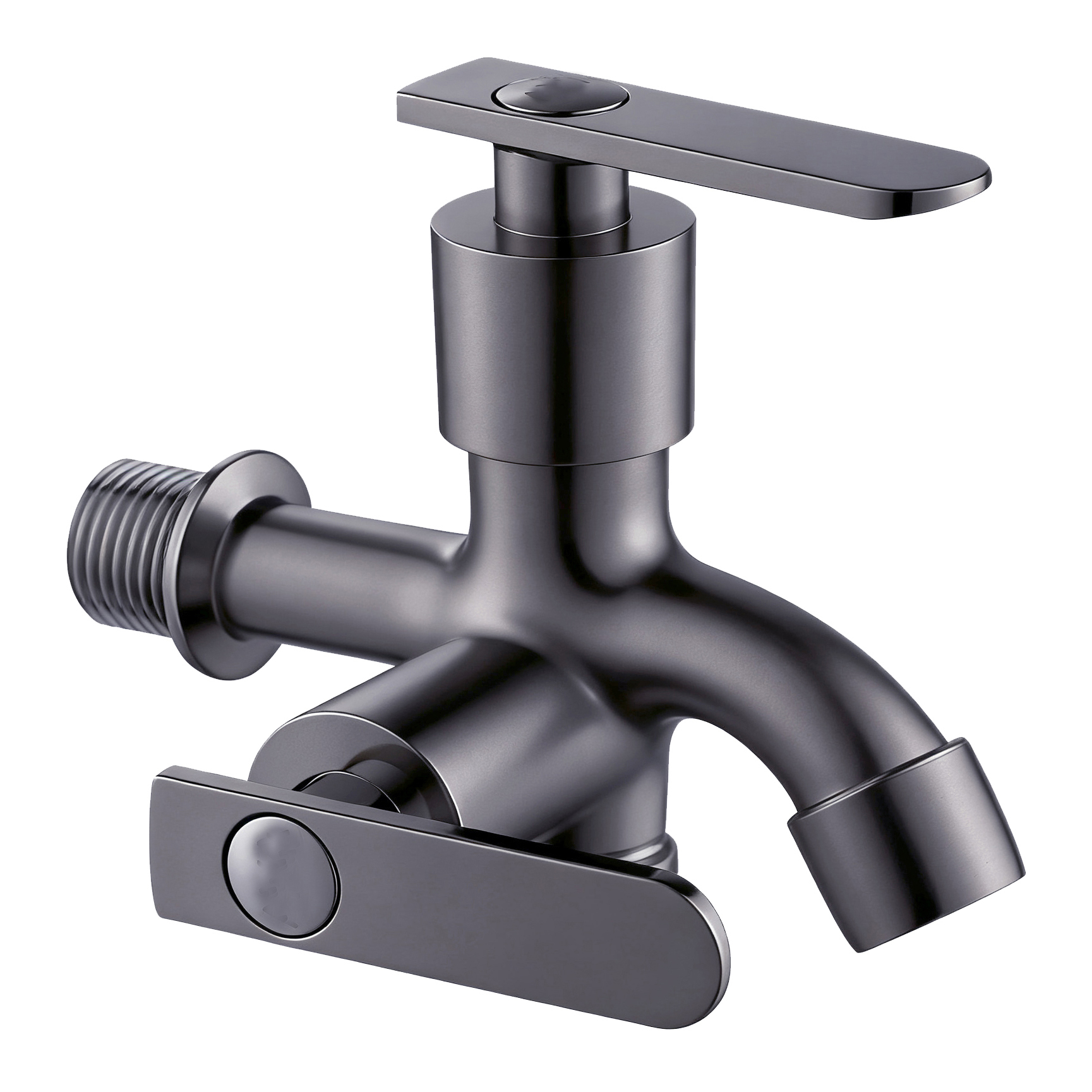
For example, if a robinet de lavabo à cascade multifonctionnel serves clearly different functional needs, it can act as a functional extension of the range without replacing the basic core model.
Not Every SKU Needs to Be a “Hero Product”
If every new product is expected to become a bestseller, represent the brand image, provide a functional upgrade, and cover a new price point at the same time, the portfolio can quickly lose its structure.
A clearer approach is to give each major SKU a defined role:
Is it a core product? A functional extension? A price-coverage model? Or a design extension?
One model can serve more than one purpose, but it should still have a primary role. This also makes it easier to decide which products need to remain in the range when the portfolio is reviewed.
Core products establish the center of the product range, while supporting products expand the needs that the range can cover.
A strong product portfolio is not built by having many “priority products.” It is built by making sure each product has a clear reason to exist.
Learn Product Roles from Competitors Instead of Copying Their SKUs
When reviewing competing Waterfall Basin Faucet ranges, the most useful insight is not simply how many models they offer. It is how different models contribute to the overall portfolio.
For example, some basic models may retain relatively simple configurations to establish a clear identity for the range. Other models then extend the portfolio through different functions, Finishes, installation requirements, or price positions that the core products do not cover.
This kind of comparison can help identify what may be missing from a product portfolio. However, it does not mean:
“A competitor has this model, so we need one too.”
The same SKU can play completely different roles in different portfolios. A model may be a core product in one range, while in another range that already contains similar products, it may simply create unnecessary duplication.
For this reason, the more useful question to ask when studying competitors is not:
“What other products do they have?”
It is:
“Why do these products exist, and what gaps in the core range does each one fill?”
Bringing this question back to your own product portfolio makes it easier to decide whether a new model should become a core product, serve as a supporting product, or simply not be added at all.
Sources for this article:
- ASME – A112.18.1/CSA B125.1 Plumbing Supply Fittings
- Plumbing Manufacturers International – Water Efficiency Studies