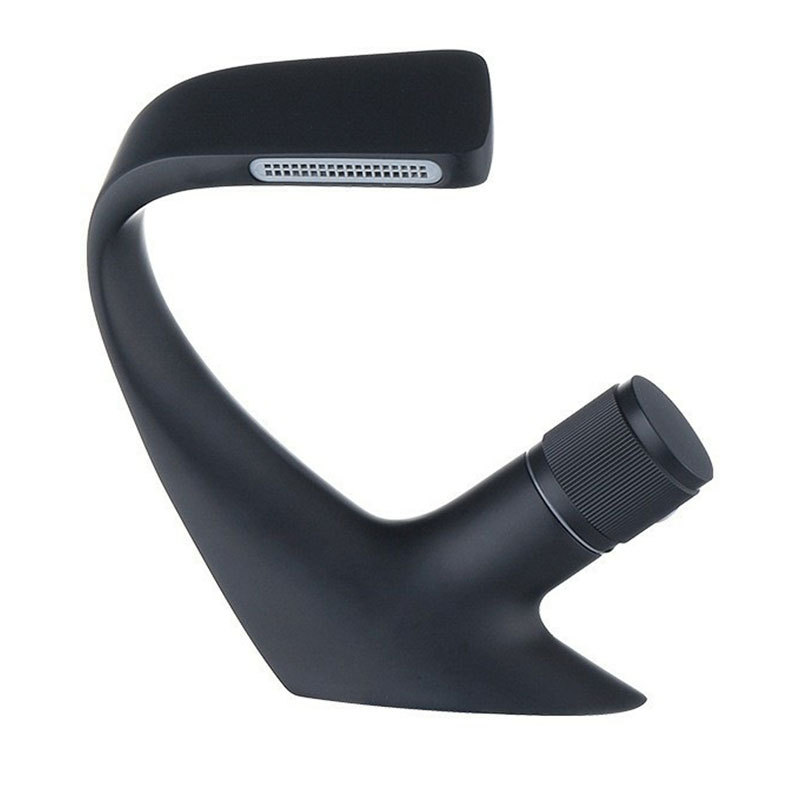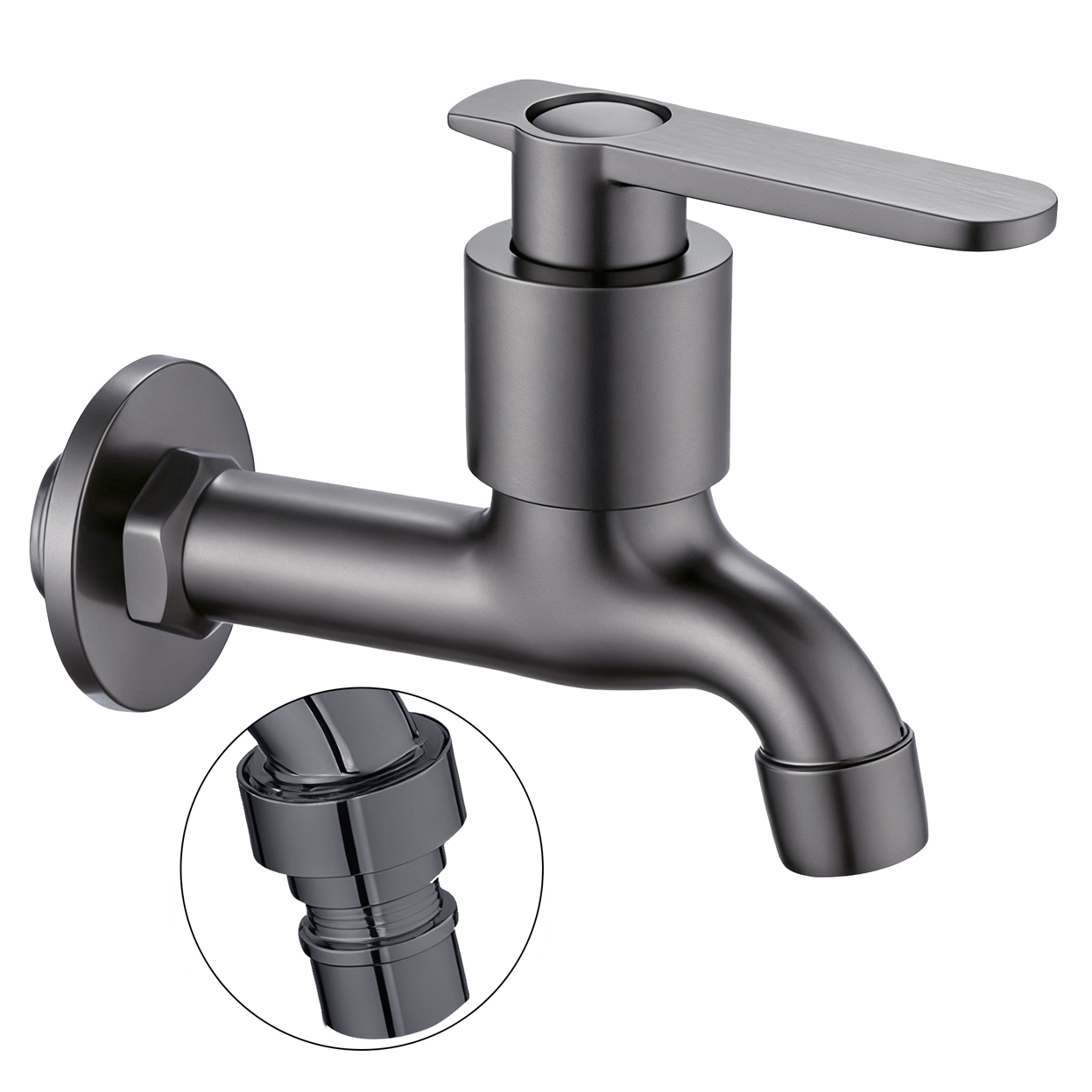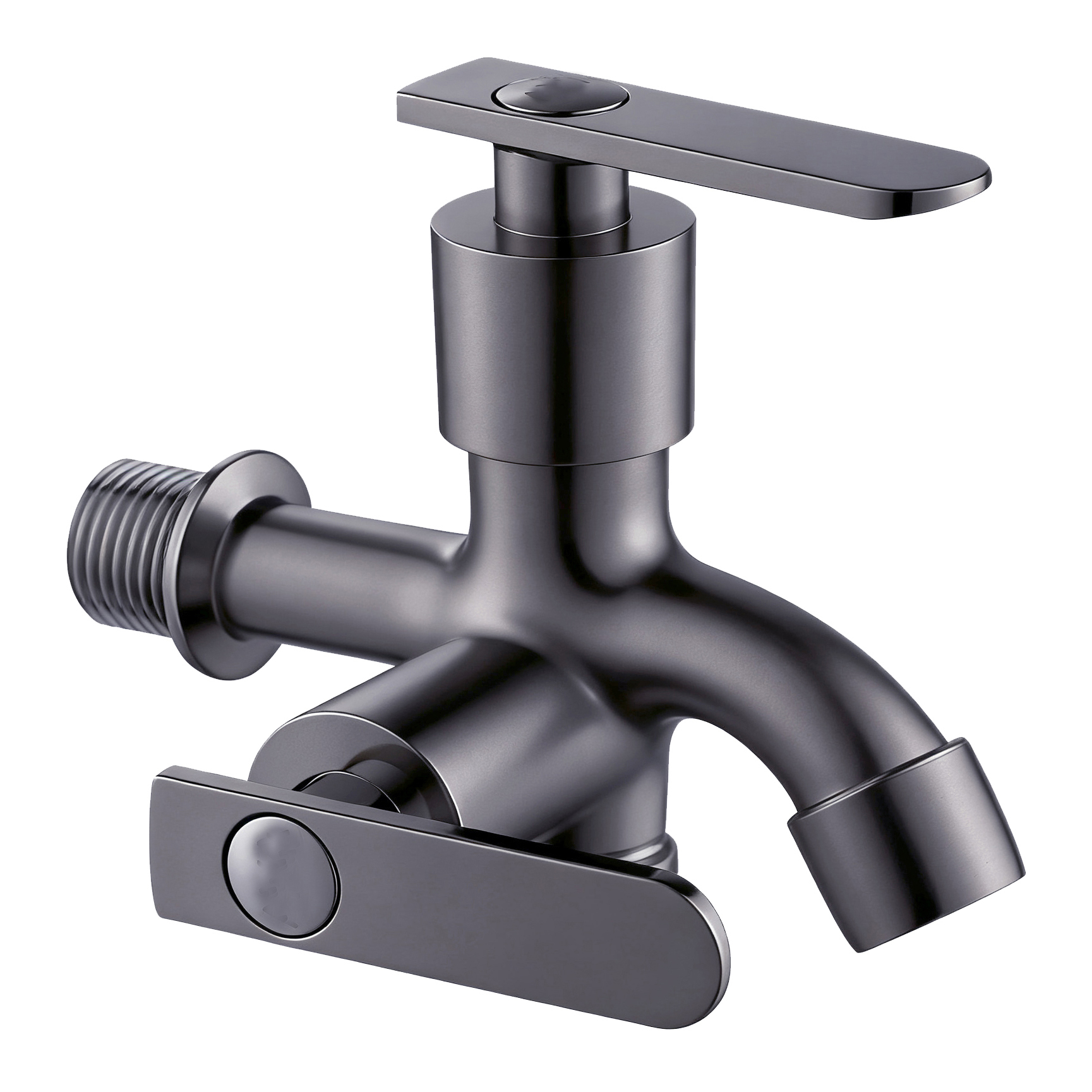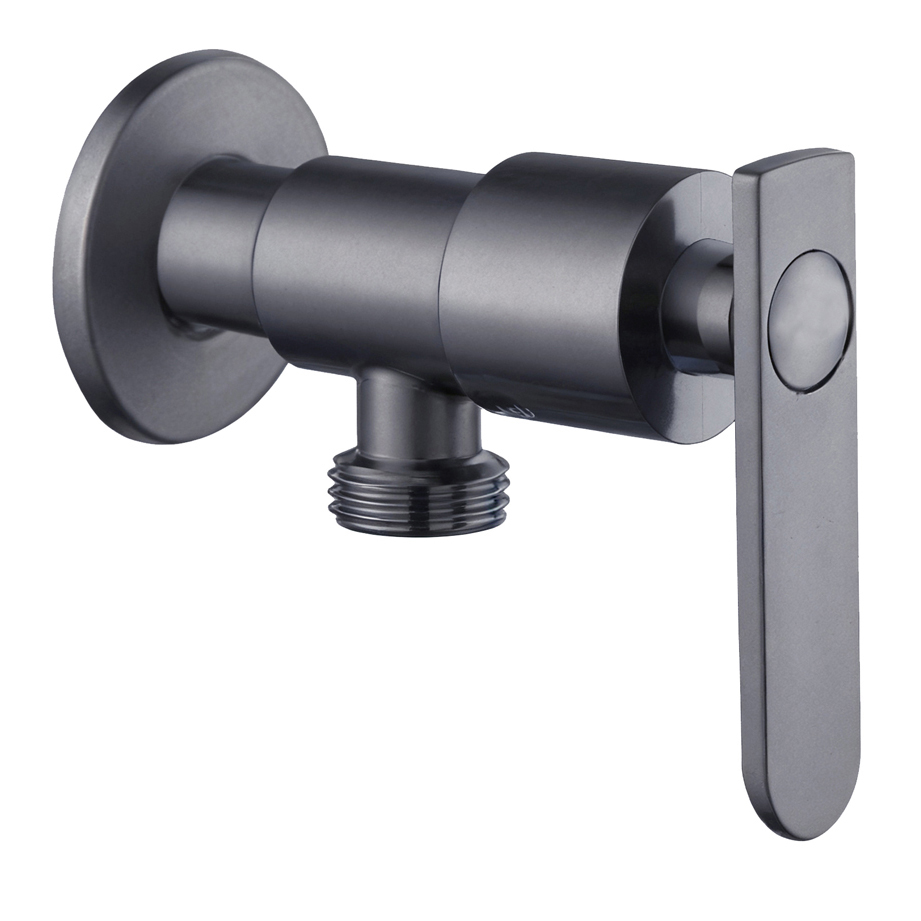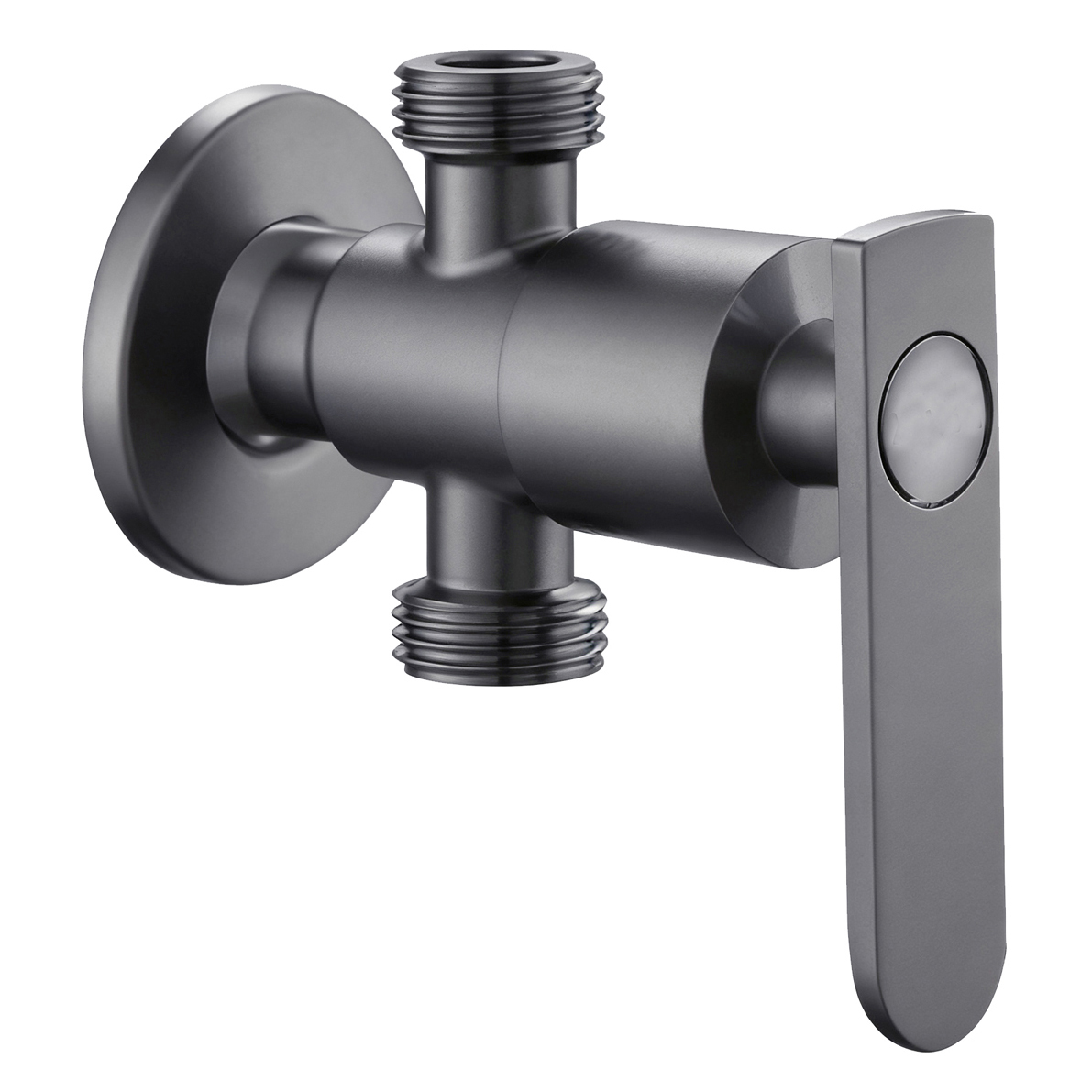




When consumers see a Brushed Water Tap on the shelf, they first notice the surface.
It reflects less light than Polished Chrome. The fine texture also gives the metal a softer appearance.
From a product perspective, however, the word “Brushed” provides very limited information.
It does not tell us what material the body uses. It does not identify the specific surface treatment process. It also does not automatically mean “more durable.”
Retail product information should keep these three concepts separate.
Matériau tells us what the main body is made of.
Finition describes the color and texture of the surface.
Corrosion resistance, wear resistance, and outdoor performance require separate evaluation. The actual material, surface treatment process, use environment, and relevant test results all matter.
The direction and fineness of the brushed texture can change the overall appearance of a Brushed Water Tap. This is especially noticeable when the handle and main body come from separate production processes.
Buyers can check the texture direction on each visible surface. They can also confirm the approved sample and acceptable variation for bulk production.
It is also useful to place the spout, body, and accessories together under the same lighting for comparison.
Cleaning recommendations for the exterior surface should match the actual finish process. They should not come directly from the care instructions of another brand.
For retail stores, keeping the display sample consistent with the product inside the box can help reduce color disputes. This provides more useful information than repeatedly describing the finish as “Premium Brushed.”
This distinction is especially important for a Robinet de jardin brossé.
A Garden Tap may sit outdoors or in a semi-outdoor area. This environment differs from the conditions around an indoor Basin Faucet.
Rain, dust, cleaning methods, and other environmental exposure can all affect the long-term condition of the surface.
For this reason, applying a common indoor Brushed appearance to a Garden Tap does not automatically mean the product suits outdoor use.
Retail Information Should Avoid Replacing One Type of Information With Another
If the packaging only says “Premium Brushed Finish,” consumers may understand how the product looks. However, they still do not know the Body Material.
If the packaging only emphasizes a specific Material but does not identify the actual Finish, it cannot explain the differences between color SKUs on the shelf.
If store lighting has a warm tone, retailers can also provide photos taken in natural light. This can help customers understand how a brushed finish may look different in kitchen and balcony environments.
It also avoids incorrectly describing these lighting differences as product color variation.
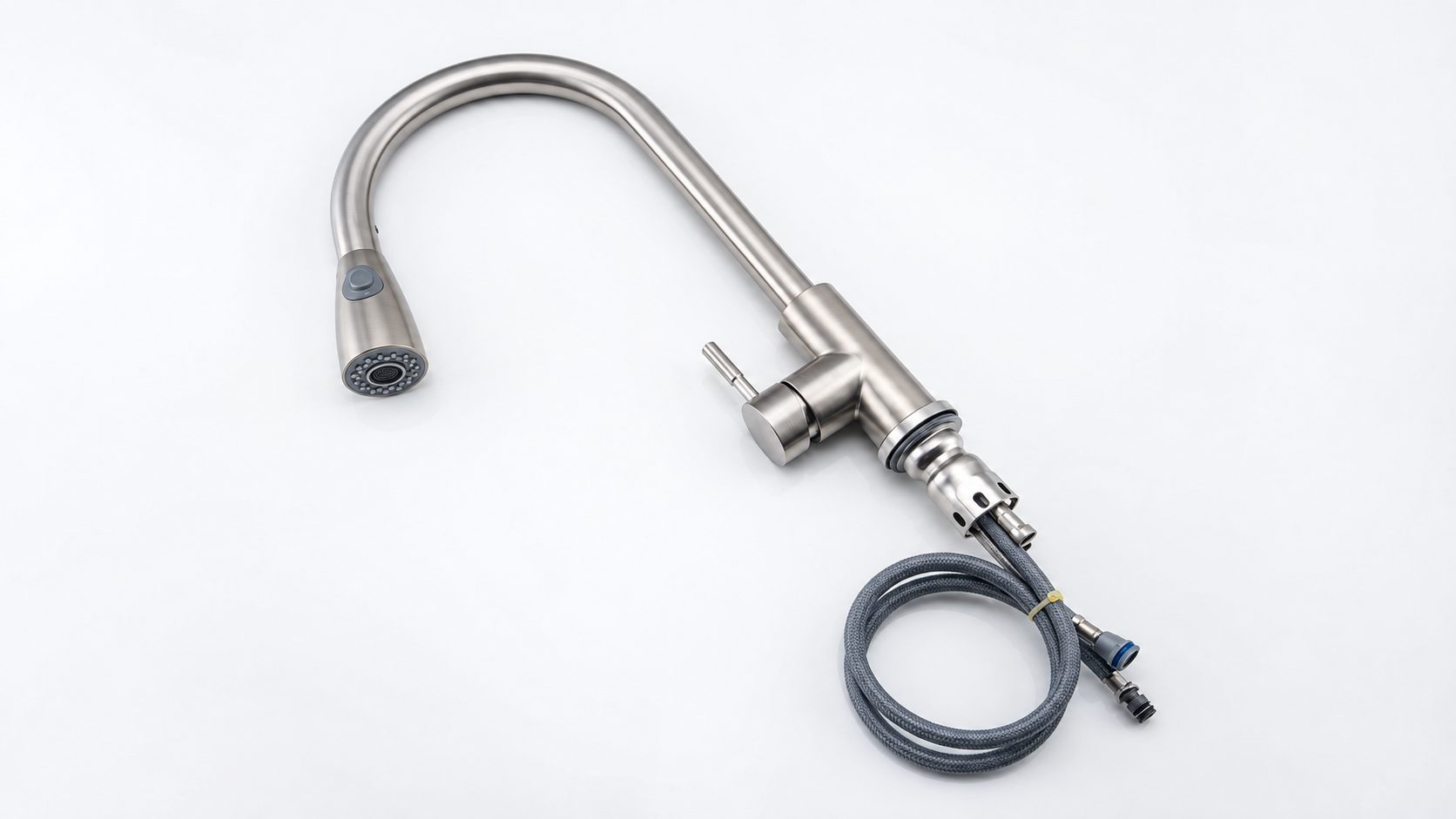
A clearer approach is to provide Material and Finish separately.
When supporting information is available, the product information can also include relevant use or maintenance guidance.
The same principle applies to specific YOROOW Water Tap products.
Material and Finish should appear as separate fields in retail product information. Each field should follow the specifications of the actual model rather than assumptions based on product color.
This may seem like a small change in product information, but it can prevent a common misunderstanding:
Brushed is a visible surface characteristic. What the product is made of and which environments it suits are separate questions.