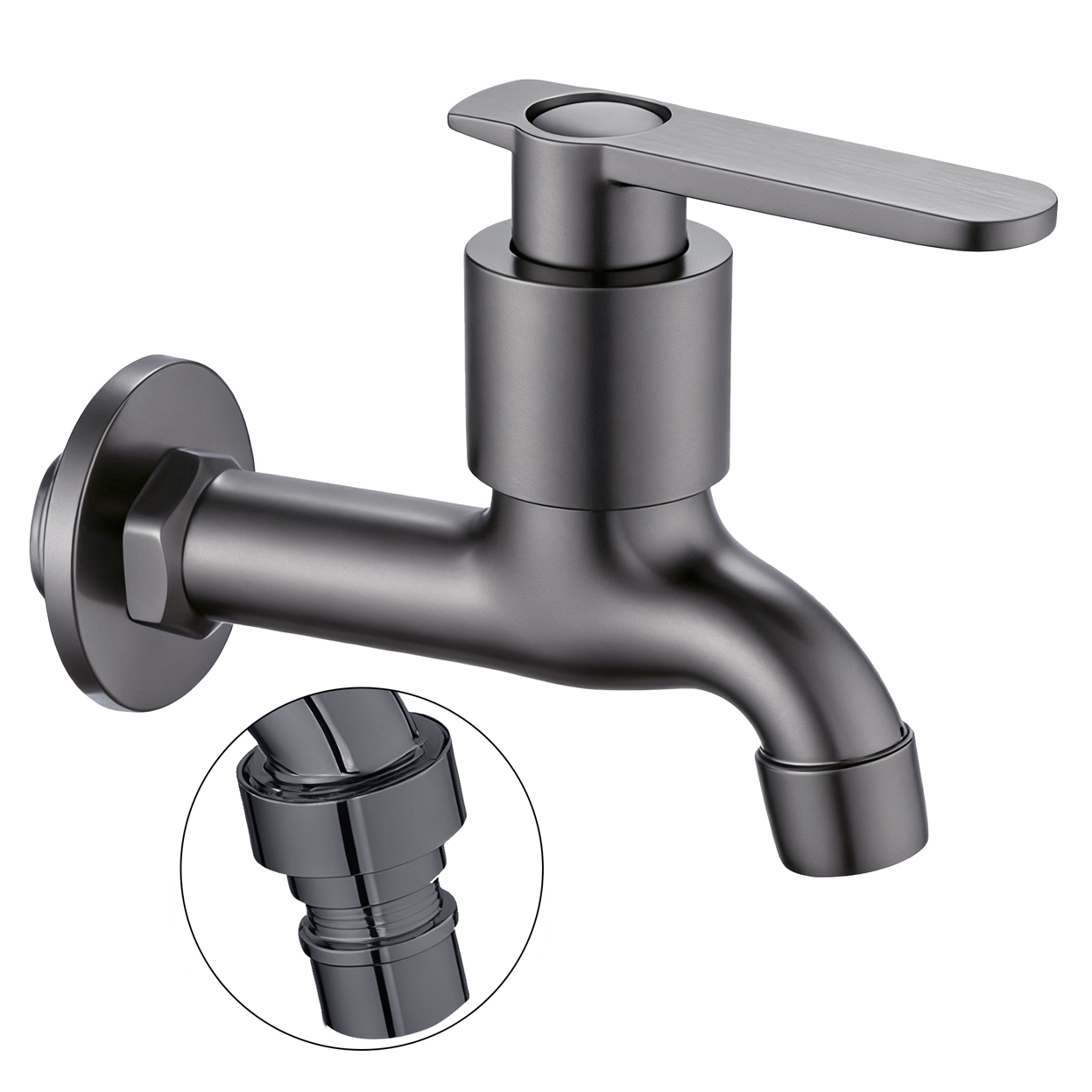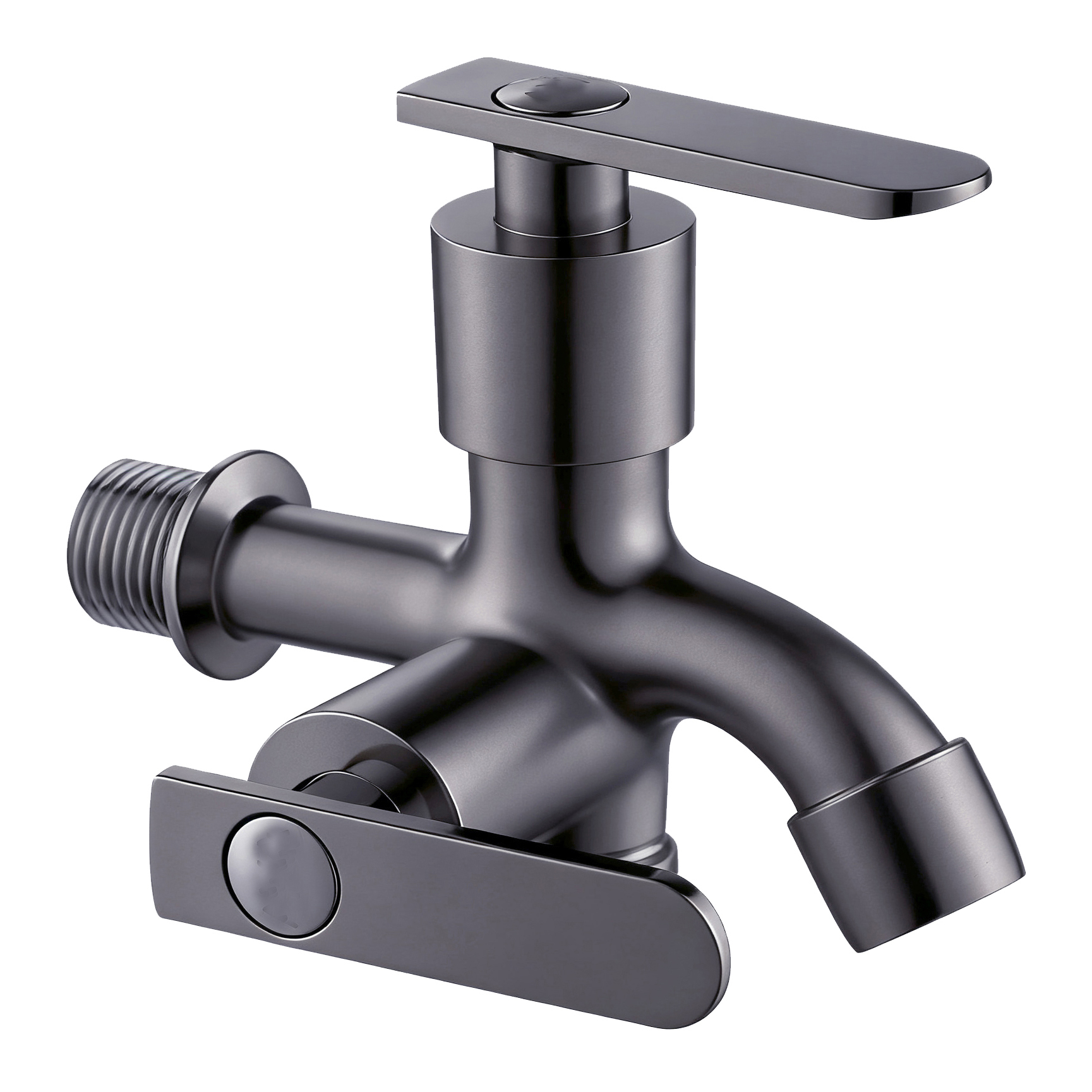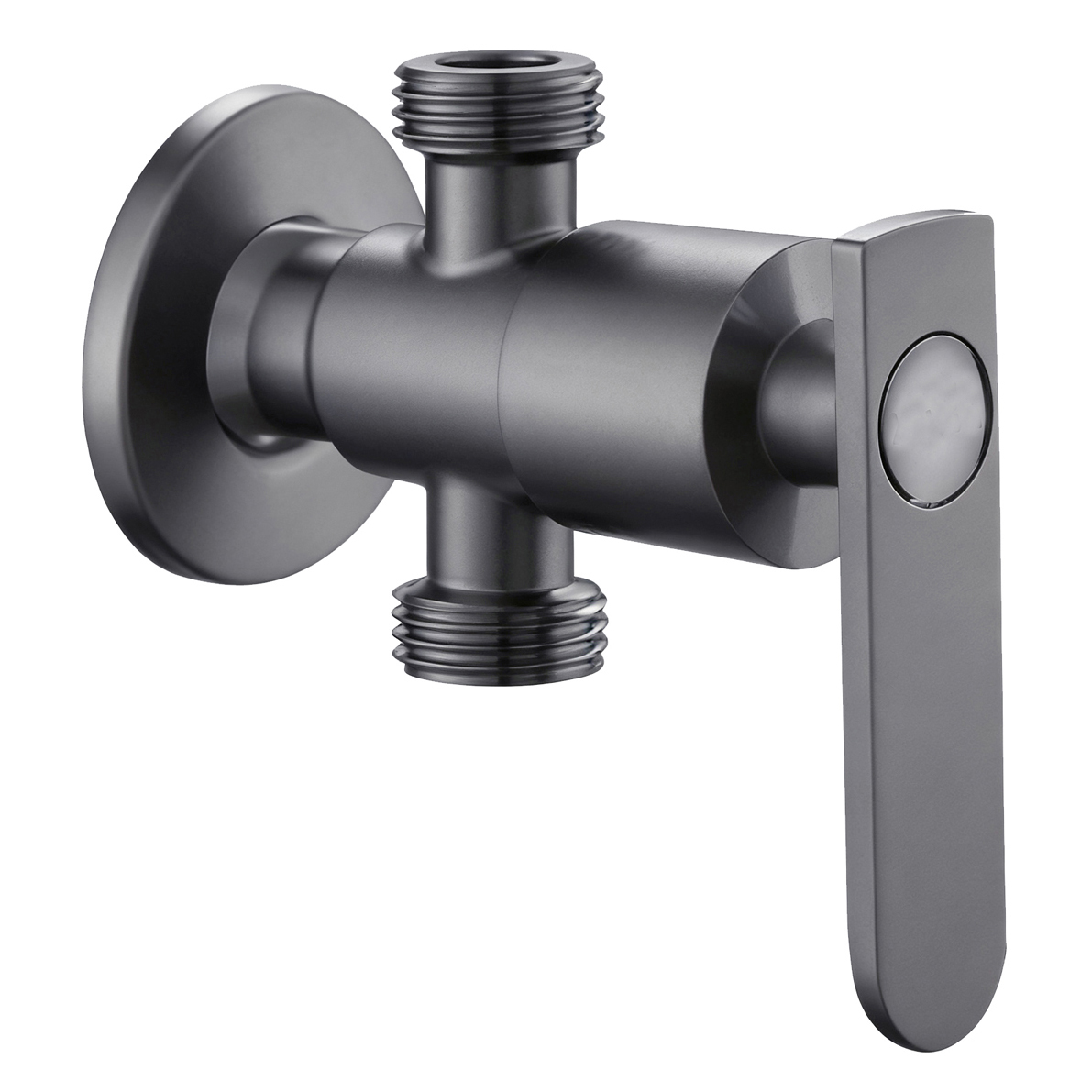




Antique Brass, traditional handles, and a classic Bibcock shape can make a Vintage Water Tap stand out among ordinary Chrome products.
However, “Vintage” mainly describes the style of the product. It does not tell shoppers whether the tap will fit the intended installation.
This makes vintage-style basic plumbing products unusual in physical retail. Their visual identity is strong, but that appearance can easily overshadow important technical information.
For example, “Antique Brass” in bibcock en laiton antique usually refers first to the Finish. The name alone does not prove that the body uses a specific material.
Retailers should list Body Material and Finish separately. This helps shoppers understand whether they are choosing a surface appearance or a specific material.
The traditional appearance should not make connection information less important.
Consumers may buy a brass spigot or Vintage Water Tap to replace a tap that has been installed for many years.
When a Vintage Water Tap reaches the shelf under the name “antique brass,” the product information should clarify what the terms mean. Does “antique” describe a surface treatment or an actual aged product? Which component does “brass” describe?
Two taps may use the same aged appearance but still show different patterns. Hand-finished textures can also vary within an acceptable range.
Brands and factories should therefore agree on approval samples and an acceptable visual range before mass production.
The same vintage appearance may also come with different outlet configurations for garden use, washing-machine connections, or general water use.
Before packaging, the supplier should check that the product label matches the actual connection. A vintage appearance should not hide the specifications that determine installation compatibility.
For replacement purchases, wall connections, connection sizes, installation direction, and Hose requirements may matter more than “Vintage Style.”
Vintage Products Also Have a Long-Term Issue That Is Easy to Overlook
Consumers who choose a special Finish may pay more attention to surface changes than buyers of ordinary Chrome products.
Instead of repeatedly emphasizing words such as “Classic,” “Luxury,” or “Antique,” the packaging can provide correct cleaning and maintenance information for the actual Finish.
Maintenance requirements should follow the specific surface process. The color name alone cannot determine how consumers should care for the product.
Brands can also keep photos and physical samples of aged finishes for different product areas.
This helps prevent confusion during bulk-order inspection. Inspectors can distinguish natural variations allowed by the finish process from genuine batch inconsistency.
This information can also help retailers present a Vintage product as a comparable Plumbing Product rather than only a decorative option.
Consumers can still choose it because they like the style. Before payment, however, they should also be able to confirm the Finish, Body Material, connection method, and installation suitability.
The style value of a Vintage Water Tap does not need to be reduced.
In fact, once the basic product information is clear, “Vintage” can focus on what it is actually meant to describe — the design.