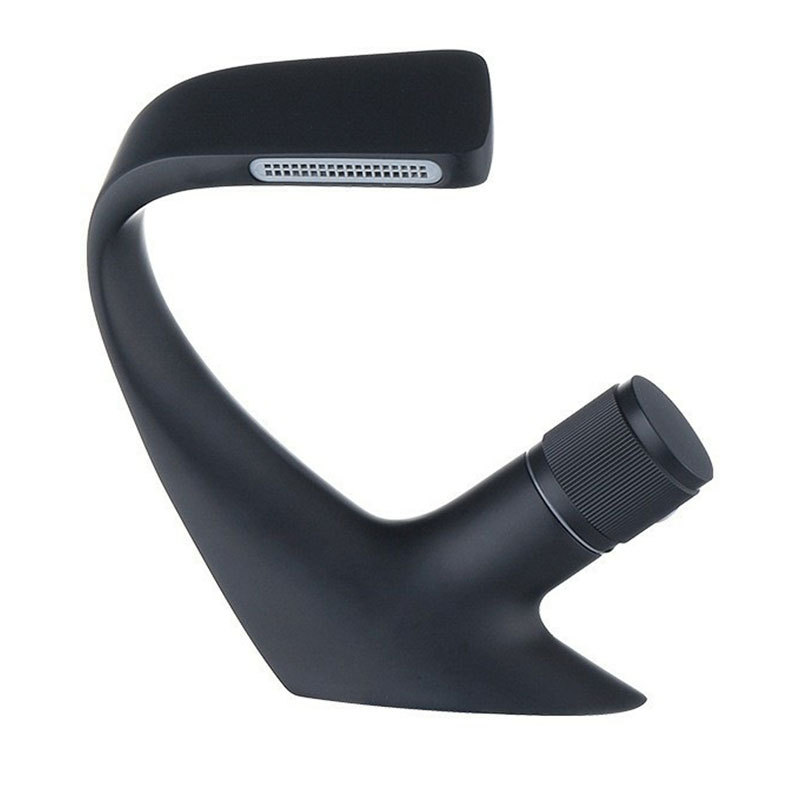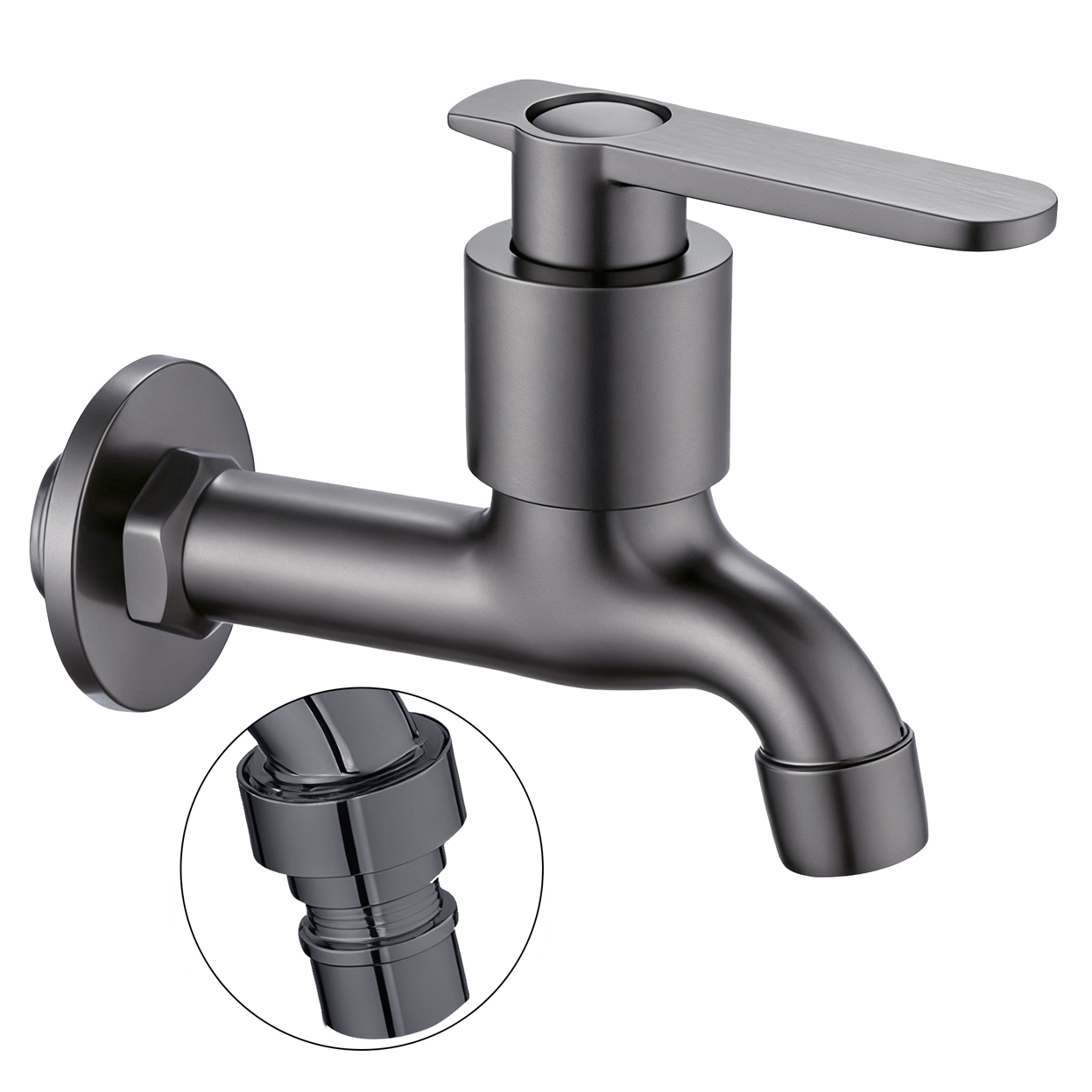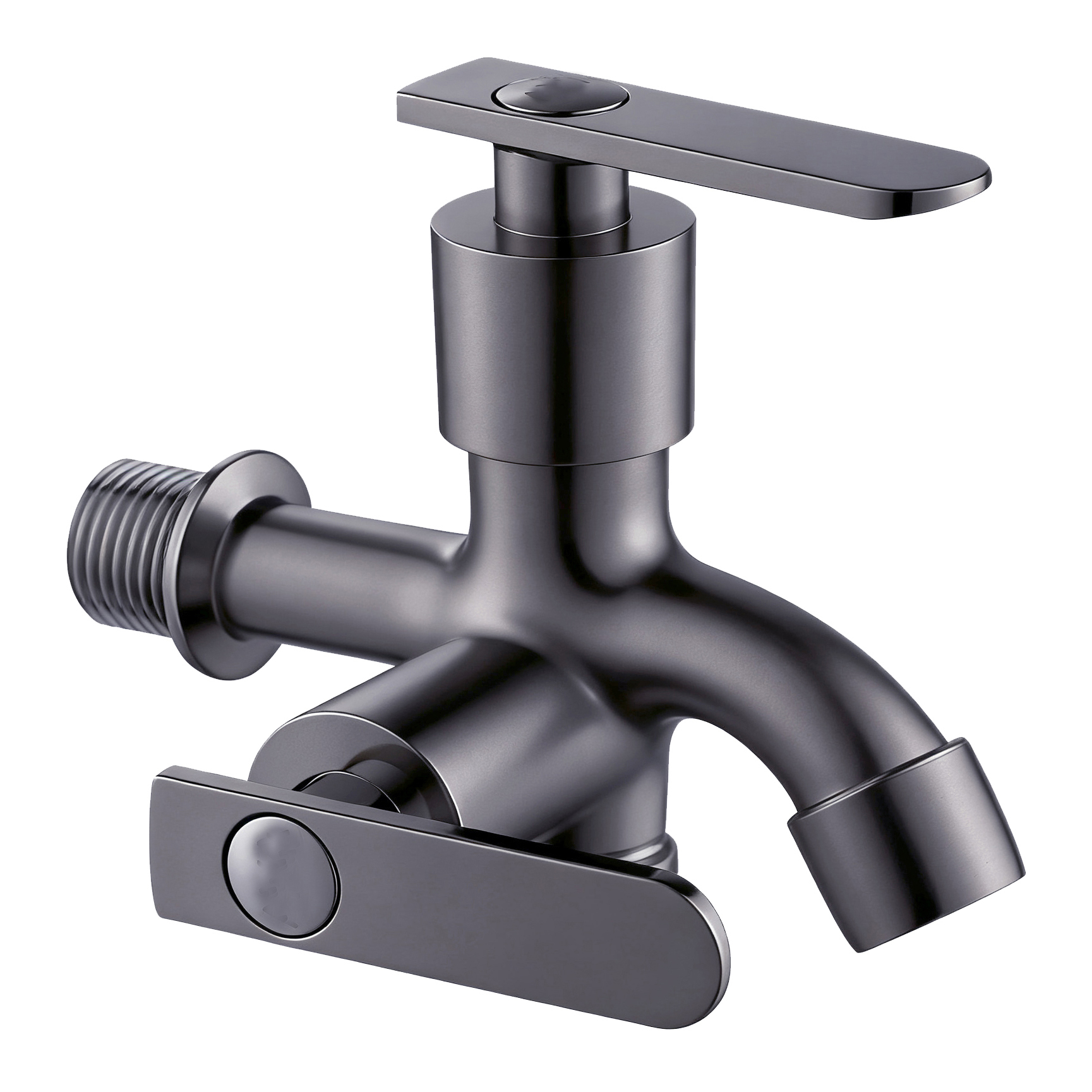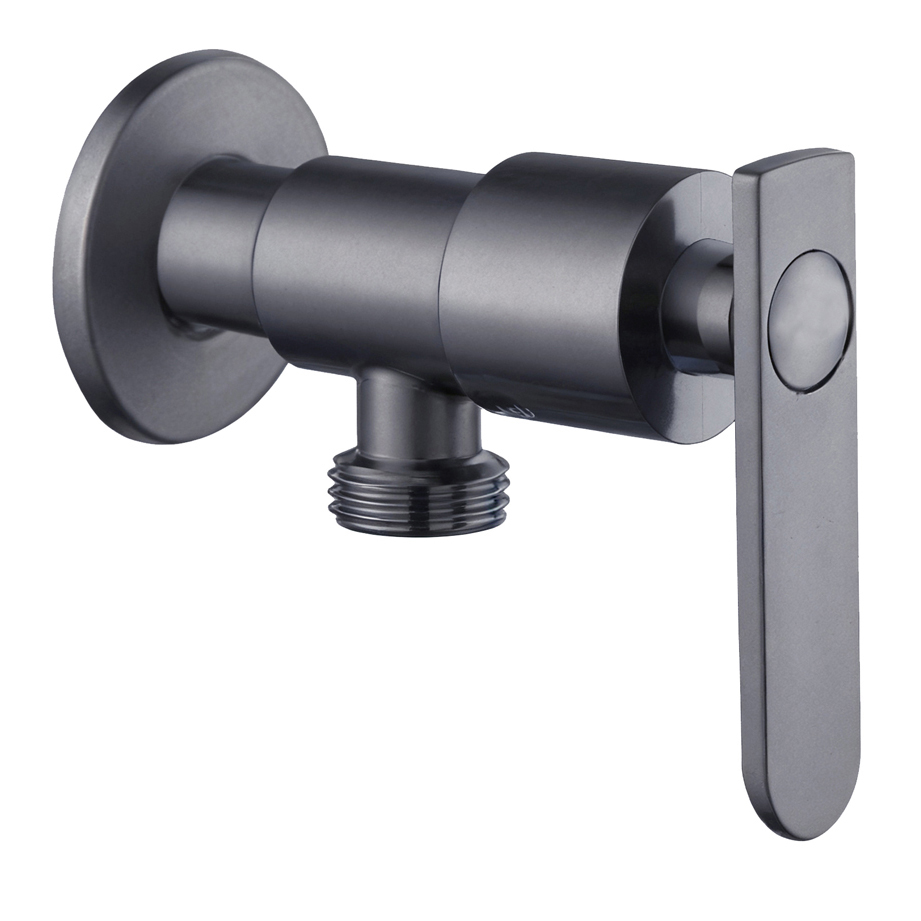




When searching for the standard hole size for kitchen faucet, it is natural to look for one fixed dimension that works for every product.
In actual installation, however, a “standard hole size” can only serve as an initial reference. Kitchen Faucets do not all use the same mounting structure. Even when two sinks or countertops have similar hole sizes, their faucets may not be directly interchangeable.
Mounting Hole and Faucet Base Are Not the Same Dimension
Several dimensions can easily be confused when checking faucet installation.
Le Mounting Hole is the actual opening in the sink or countertop. The faucet’s Mounting Shank or mounting structure needs to pass through this opening. The Base du robinet sits above the surface and usually covers the mounting area.
For this reason, the outside dimensions of the Faucet Base cannot determine the required hole size. A base that covers an existing hole also does not guarantee that the faucet will fit.
A more reliable approach is to check the dimensional drawing or installation instructions for the specific model. These documents should identify the required Mounting Hole.
The Same Hole Size Does Not Always Mean the Same Installation Conditions
Two Kitchen Faucets may fit similar mounting holes while still having different installation requirements.
For example, the length of the Mounting Shank affects the deck thickness that the faucet can accommodate. Base dimensions determine whether the faucet can fully cover an existing opening. Enough space must also remain below the countertop for mounting and fastening.
Multi-hole products require another check: Hole Spacing.
This means that knowing only “35 mm hole” or another single hole dimension does not provide enough information to confirm installation compatibility.
For product specifications, it is more useful to review Mounting Hole, Maximum Deck Thickness, Base Dimensions and Hole Spacing (when applicable) together rather than relying on a “Standard Hole” description alone.
Replacement Faucets Require a Check of Existing Holes First
For a new sink or countertop, the installer can prepare the holes according to the confirmed Faucet Specification.
A Replacement Faucet is different because the existing installation conditions are already fixed.
Before selecting the new faucet, check the existing:
Hole Size, Number of Holes, Hole Spacing, Deck Thickness and Available Space Below the Countertop.
These dimensions can then be compared with the mounting requirements of the new Kitchen Faucet.
This helps avoid a common mistake. The new Faucet Base may cover the original hole, while the Mounting Shank, fixing components or multi-hole positions still fail to match.
Why Is a Dimensional Drawing More Useful Than “Standard Hole”?
In bulk product selection, the same Robinet de cuisine may be installed on different sinks and countertops or used as a replacement for existing products.
If the product information only states “Standard Hole,” several installation details still need to be checked later.
From a China faucet factory product development and sampling perspective, installation dimensions need to match the actual product structure. A general hole-size description is not enough.
When YOROOW confirms Kitchen Faucet specifications, specific dimensions also need to correspond with the actual mounting structure. The Mounting Hole is only one part of the complete installation relationship.
Therefore, the standard hole size for kitchen faucet can help with initial product screening, but it cannot replace the mounting dimensions of a specific model.
The key question is:
Do the existing Sink / Countertop hole conditions match the Mounting Structure of this Kitchen Faucet?
That is more useful than searching for one “standard hole size” that supposedly applies to every Kitchen Faucet.