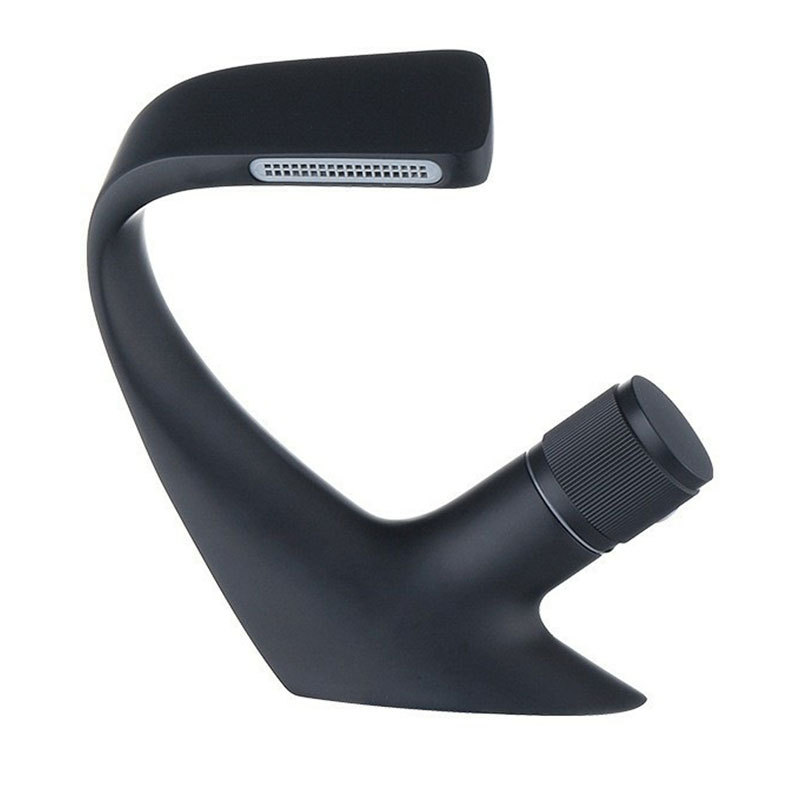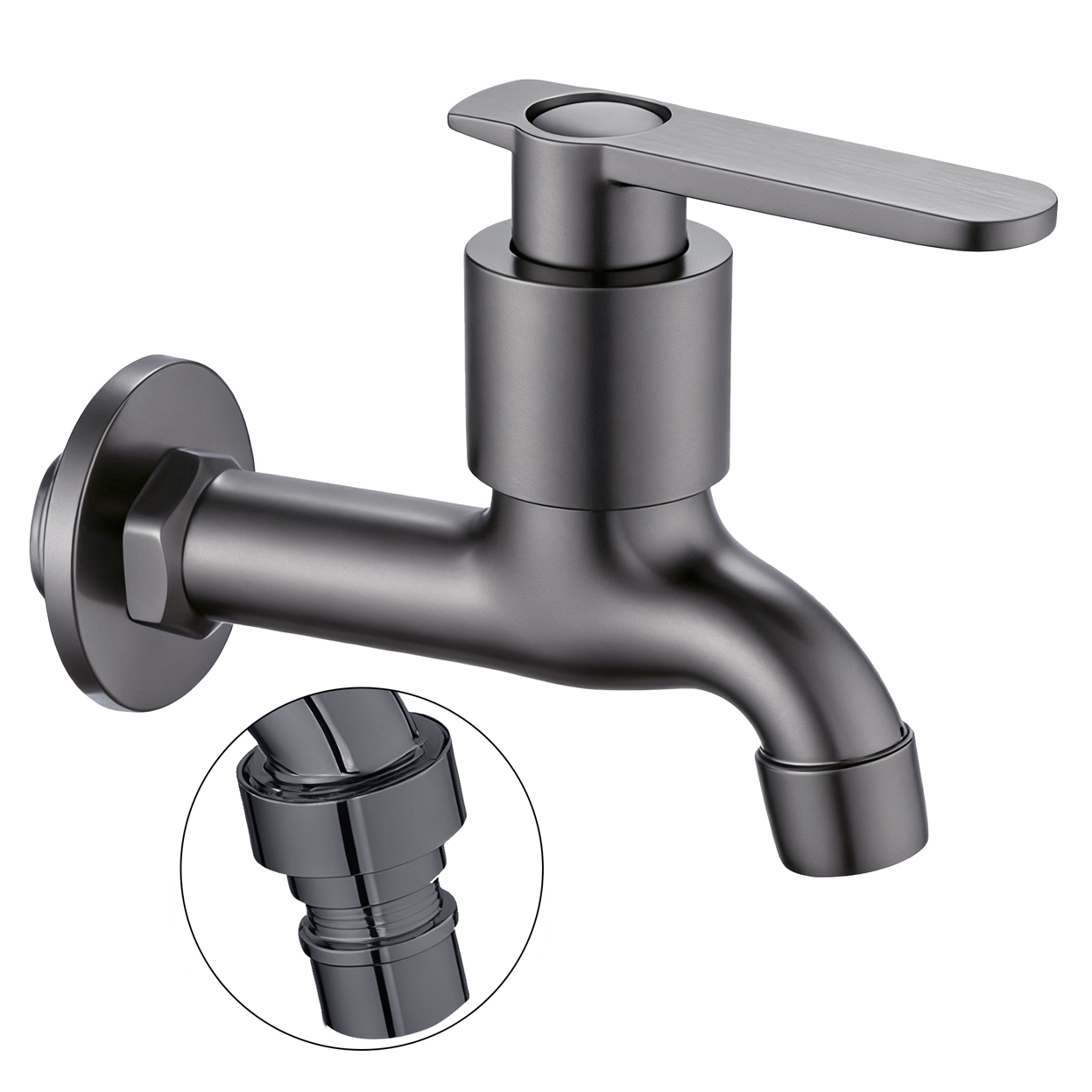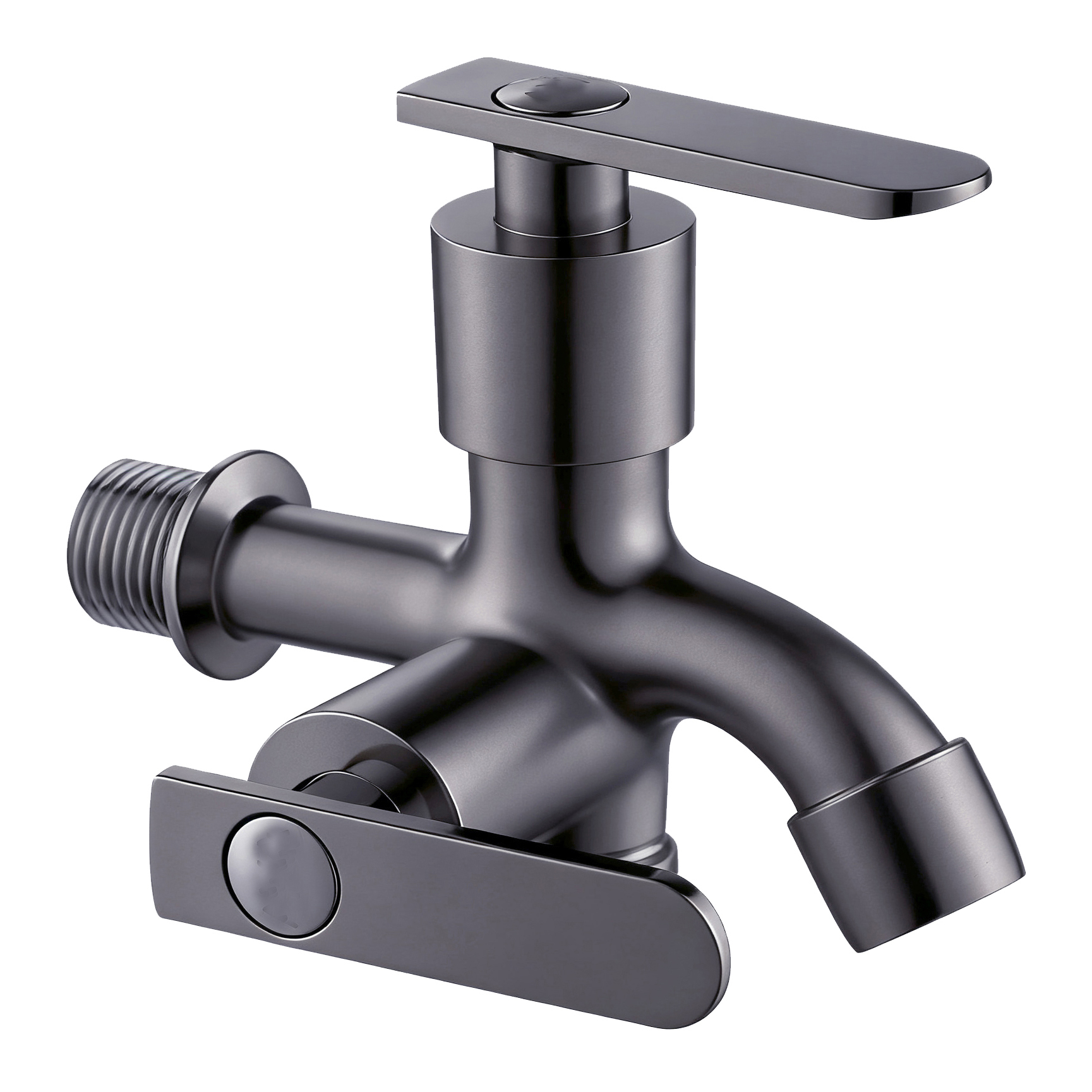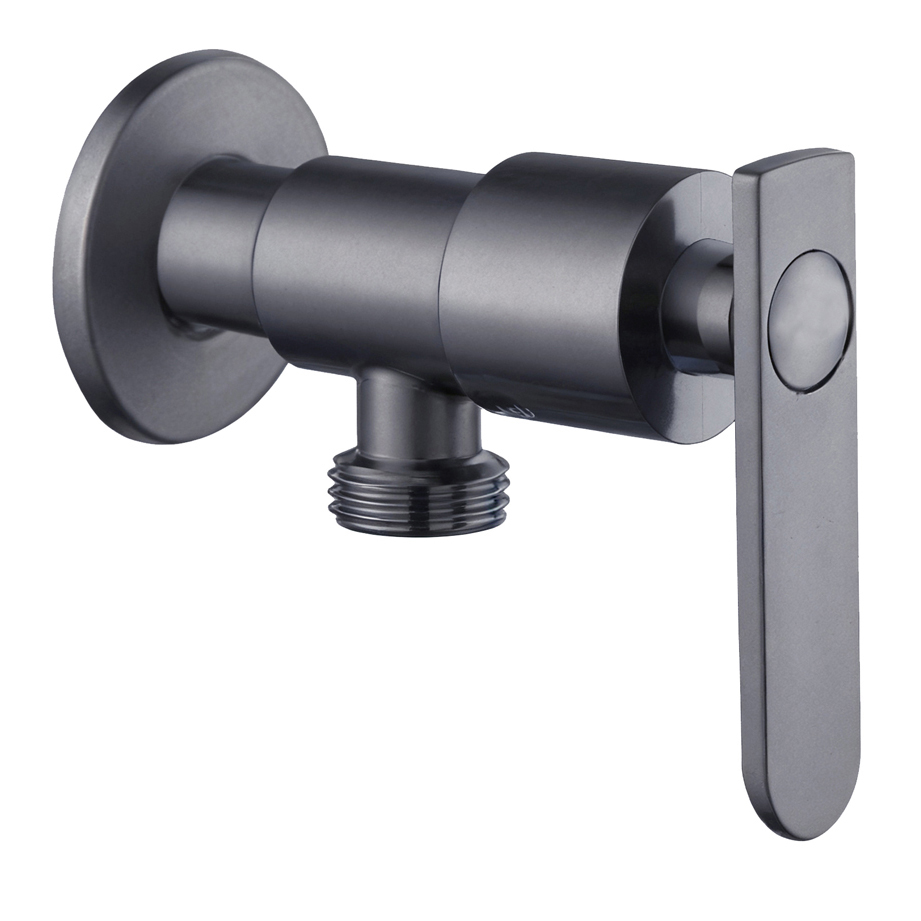




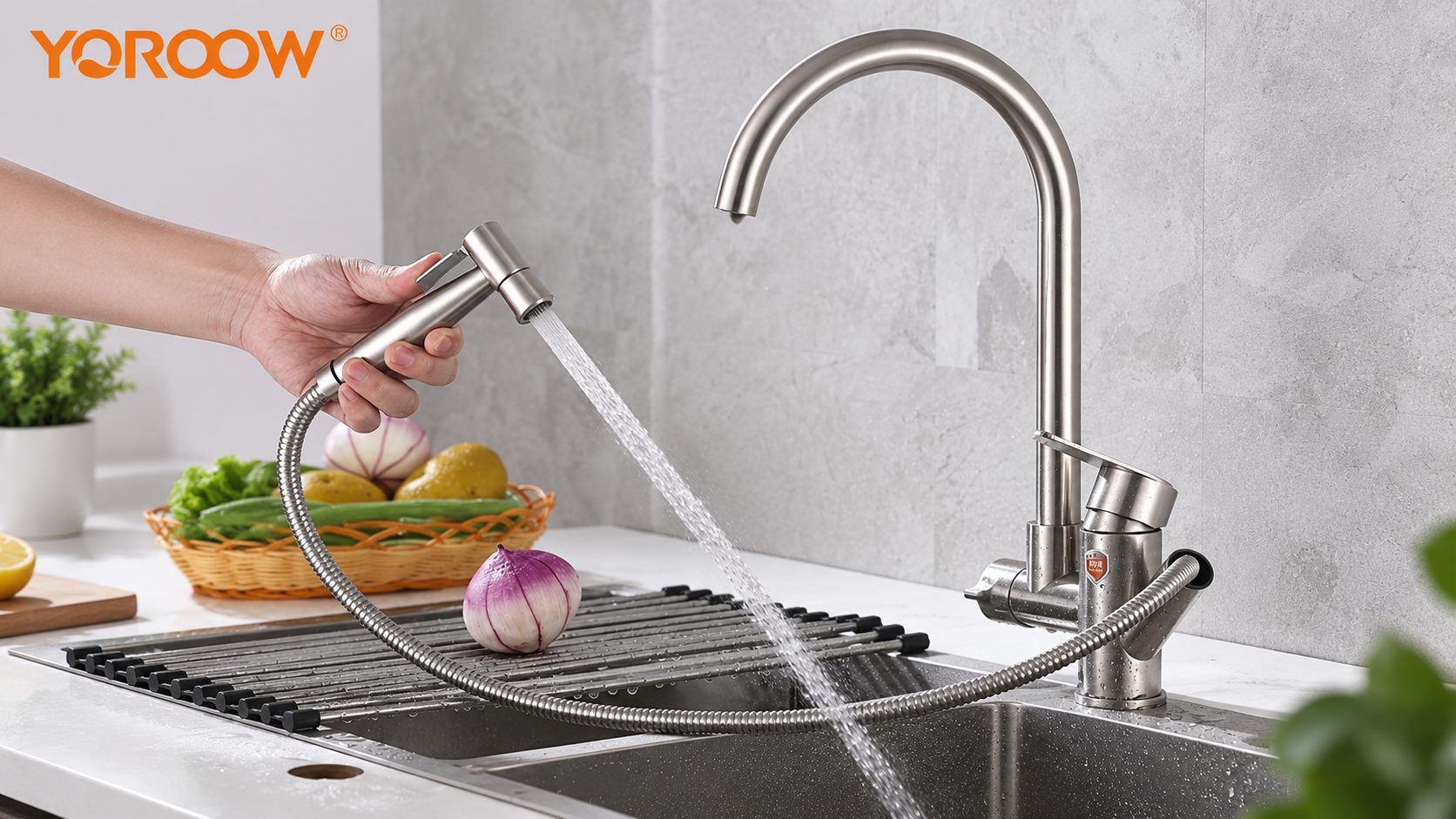
A standard kitchen faucet usually handles the main water functions through one outlet. A Dual Flow Kitchen Faucet adds a second independent outlet, allowing different water functions to operate through the same faucet system.
However, having two outlets does not automatically make a faucet more functional.
Lors de la sélection d'un dual spout kitchen tap, the more important questions are what the second outlet is designed to do and whether this separation makes sense in the actual kitchen.
Each Outlet Should Have a Clear Function
A dual-spout design is most useful when the two outlets serve different purposes.
For example, one outlet may handle everyday washing, while the other serves a separate water function. This can bring two functions that would otherwise require separate fixtures into the same kitchen work area.
When comparing these faucets, do not stop at the fact that there are “two spouts.”
Check which waterway each outlet connects to, how each one is controlled, and whether users can easily understand which control operates which outlet.
If the second outlet performs almost the same function as the main outlet, or if the control system becomes unnecessarily complicated, the added structure may provide little practical value.
Two Spouts Must Still Work with the Sink Space
Adding another spout also changes how the faucet interacts with the sink.
The height, reach, direction, and movement range of both outlets should be considered together.
This becomes especially important with smaller sinks or kitchens where installation space is limited.
A practical evaluation should consider the sink dimensions and faucet position. Check where the water from each outlet lands and whether using one spout interferes with the other.
A dual-spout faucet should make kitchen tasks easier, not create more obstacles around the sink.
A Second Outlet Also Changes the Internal Structure
From a Usine de robinetterie en Chine product-development perspective, a dual-spout design is not simply a standard kitchen faucet with another spout added beside it.
Once a second waterway is introduced, the internal valve body, connections, control relationship, and assembly structure may all need to be reviewed according to the intended functions.
For YOROOW, the more useful starting point is to define what each outlet needs to do. The waterway and control structure can then be selected around those functions.
It is also important to separate control method de number of outlets.
For example, YOROOW model 7851A3-056S-V73 is described in its product information as a double-handle, hot-and-cold, deck-mounted kitchen mixer.
This provides a useful comparison. Two handles indicate a different control layout, but the number of handles alone does not make a faucet dual-spout or Dual Flow.
The control structure, number of outlets, and waterway functions should always be checked separately.
If a kitchen has two clear and frequently used water needs, separate outlets can make those functions easier to manage.
If the second outlet has no distinct purpose, a simpler single-spout faucet may be the more practical choice.