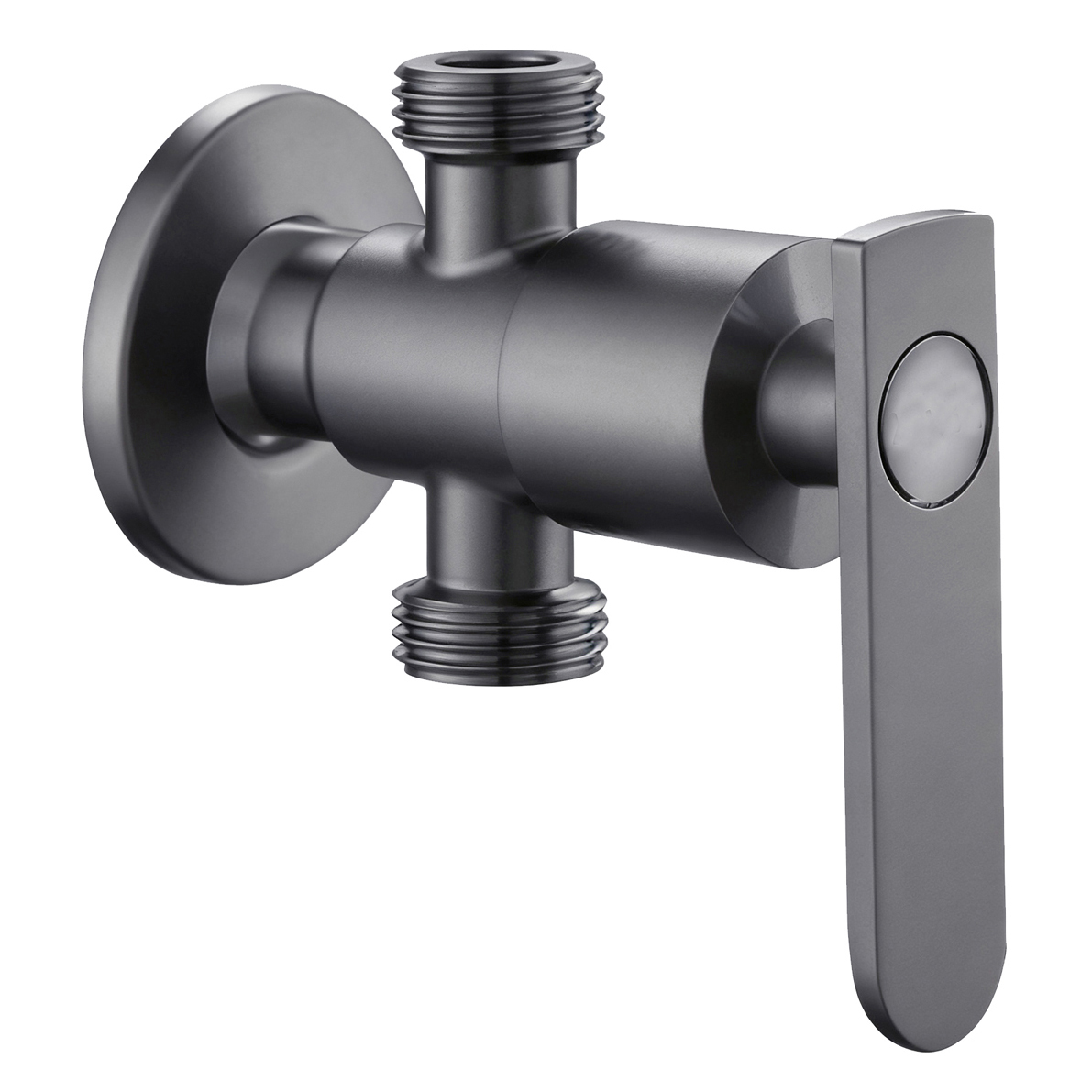




When importing faucets from China, the factory unit price is only one part of the final cost.
The amount shown on a faucet quotation may cover the product itself and standard packaging, but the actual cost of getting the goods to a warehouse or another defined destination can also include freight, insurance, origin handling, destination charges, import duties and taxes, warehousing, and other related expenses.
There is another factor that is easy to overlook: the quantity that can actually be sold. Damaged cartons, missing units, samples, or other non-saleable items can change the real cost per sellable faucet.
For this reason, a useful faucet landed cost calculation should start by defining exactly where the cost calculation ends.
1. Define Where “Landed Cost” Ends
Before calculating anything, decide what “landed” means for the shipment.
For one company, the calculation may end when the goods arrive at the destination port. For another, it may mean delivery to a warehouse. In some cases, the relevant figure is the cost before the products are ready for sale.
These are different cost boundaries.
For example, a simple calculation might be:
Factory product cost + packaging + international freight + import-related costs + local delivery = warehouse landed cost
If the calculation stops at the port, local delivery and warehousing may not be included.
This distinction becomes especially important when comparing quotations from different suppliers. Two offers may look different simply because they cover different stages of the shipment.
It is also useful to distinguish between cash paid during the import process and the cost ultimately allocated to each SKU. Freight or import expenses may be paid as one shipment, while the final product cost needs to be allocated across several faucet models.
2. Trade Terms Define Responsibilities, but Not the Whole Cost
When discussing faucet shipping from China, the three-letter Incoterms rule in a quotation is only the starting point.
Under Incoterms® 2020, the selected rule helps define responsibilities, costs, and the point at which risk transfers between the seller and buyer. But it does not automatically tell you the complete amount you will spend before the goods are ready for sale.
The rule should therefore be recorded together with the named place or port and the applicable Incoterms version.
For example, a quotation using a C-term may include certain transportation costs while risk transfers at a different point from the final destination. The person paying for freight is not necessarily the same as the person carrying the transport risk at every stage.
The full commercial agreement may also need to cover matters that Incoterms do not settle, such as payment terms, product specifications, inspection requirements, documentation, or what happens when additional charges occur.
So when comparing faucet suppliers from China, do not compare the three-letter trade terms alone. Compare what costs are actually included under each quotation.

3. Find the Costs Outside the Factory Quote
Once the cost boundary is clear, the next step is to identify what has not been included.
A simple cost review can be organized like this:
| Cost stage | Main items to check |
|---|---|
| Produit | Faucet price, customization, accessories, special finishes |
| Origin | Local transport, export handling, documentation, inspection or other origin charges |
| Main transport | Ocean or air freight, insurance and related charges |
| Destination | Port handling, customs-related charges, local transport |
| Import | Duties, taxes and other applicable government charges |
| Receiving | Warehouse delivery, storage and other receiving costs |
Not every shipment will contain every item, and some charges may already be included in the logistics quotation.
This is why a freight quotation should be checked against the actual shipment information rather than treated as a fixed percentage of the product value.
The number of cartons, carton dimensions, gross weight, destination, shipping method and whether several SKUs are mixed in one shipment can all affect the final amount.
Some logistics quotations may also exclude conditional charges such as storage, detention, additional handling or special receiving requirements. These do not necessarily occur on every shipment, but they should be understood before the budget is treated as final.
4. Use a Simple Example to Check the Logic
A basic example can show why the denominator matters.
Suppose a shipment contains 1,000 faucet sets.
- Product and standard packaging: $10,000
- Origin, transportation, insurance and destination-related costs: $2,000
- Total cost before allocation: $12,000
If all 1,000 sets are immediately sellable:
$12,000 ÷ 1,000 = $12 per set
But if only 980 sets are immediately available for sale because of samples, damaged units or other non-saleable quantities:
$12,000 ÷ 980 ≈ $12.24 per sellable set
The shipment cost has not changed. The cost per sellable unit has.
For a shipment containing several faucet models, the same principle applies. Shared freight and import expenses may need to be allocated according to volume, weight, product value or another reasonable basis. The important point is to use a consistent method rather than simply dividing the entire shipment cost by the total number of pieces.
5. Keep the Cargo Identity Consistent Before Shipment
Import documentation and packaging data are part of the cost-control process because they describe the cargo that is actually being shipped.
The purchase order, commercial invoice, packing list, transport documents and relevant product documents should describe the same shipment. Product descriptions, quantities, carton information and other key fields should not contradict one another.
This is also the stage to confirm the final packaging information.
For a mixed faucet shipment, check the final packing quantity, carton dimensions, gross weight, labels and SKU distribution after production is completed. If the actual shipment differs significantly from the figures used for freight calculation, the transportation cost may also change.
For faucet import documentation, product classification and origin should be handled according to the applicable customs requirements. A shipment passing through or being stored in another country does not automatically change the product’s country of origin. Origin needs to be determined according to the applicable rules and the actual production process.
These details may seem separate from landed cost, but incorrect cargo information can create additional handling, customs or logistics issues after the original quotation has already been approved.
6. Turn the First Shipment Into a More Reliable Cost Baseline
The first shipment should not be treated as the final version of the cost model.
After the goods arrive, compare the original estimate with the actual expenses:
- Actual product and packaging quantity
- Final carton and weight information
- Freight and destination charges
- Import duties and taxes
- Additional handling or storage
- Exchange-rate differences
- Actual sellable quantity
Some elements may remain relatively stable, while freight rates, exchange rates, import charges and shipment conditions can change.
The value of the first faucet landed cost calculation is therefore not just the final number. It is the cost structure behind that number.
Once the actual shipment has been reviewed, the same structure can be used for future orders, while variable costs are updated according to the new shipment conditions.
The factory quotation remains an important starting point, but it should not be mistaken for the cost of having a faucet ready to sell. When importing faucets from China, the useful comparison begins by defining the cost endpoint and then putting product cost, trade terms, transportation, import expenses, packaging and sellable quantity into the same calculation scope.