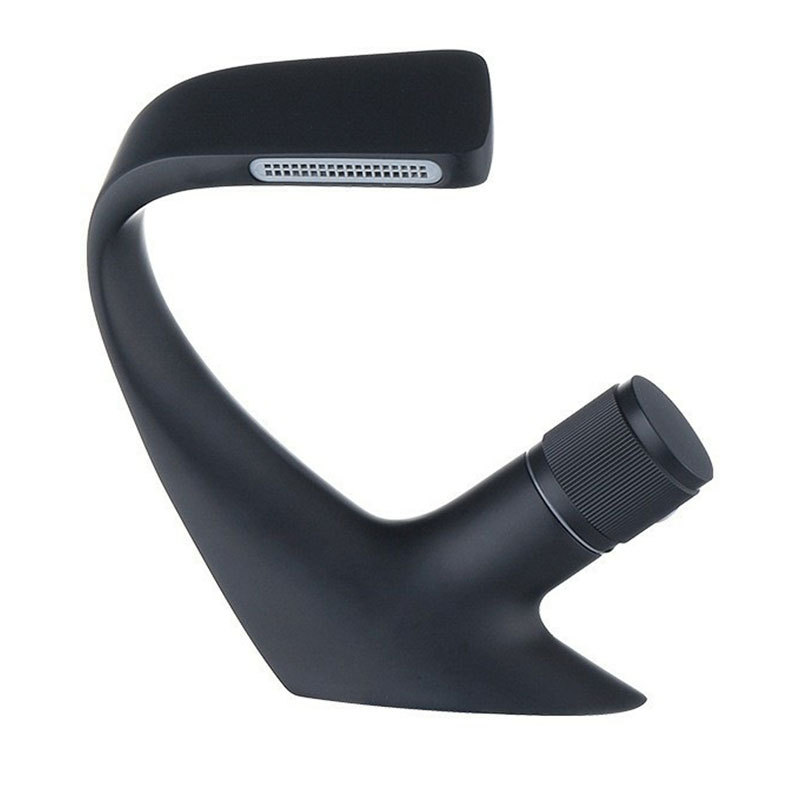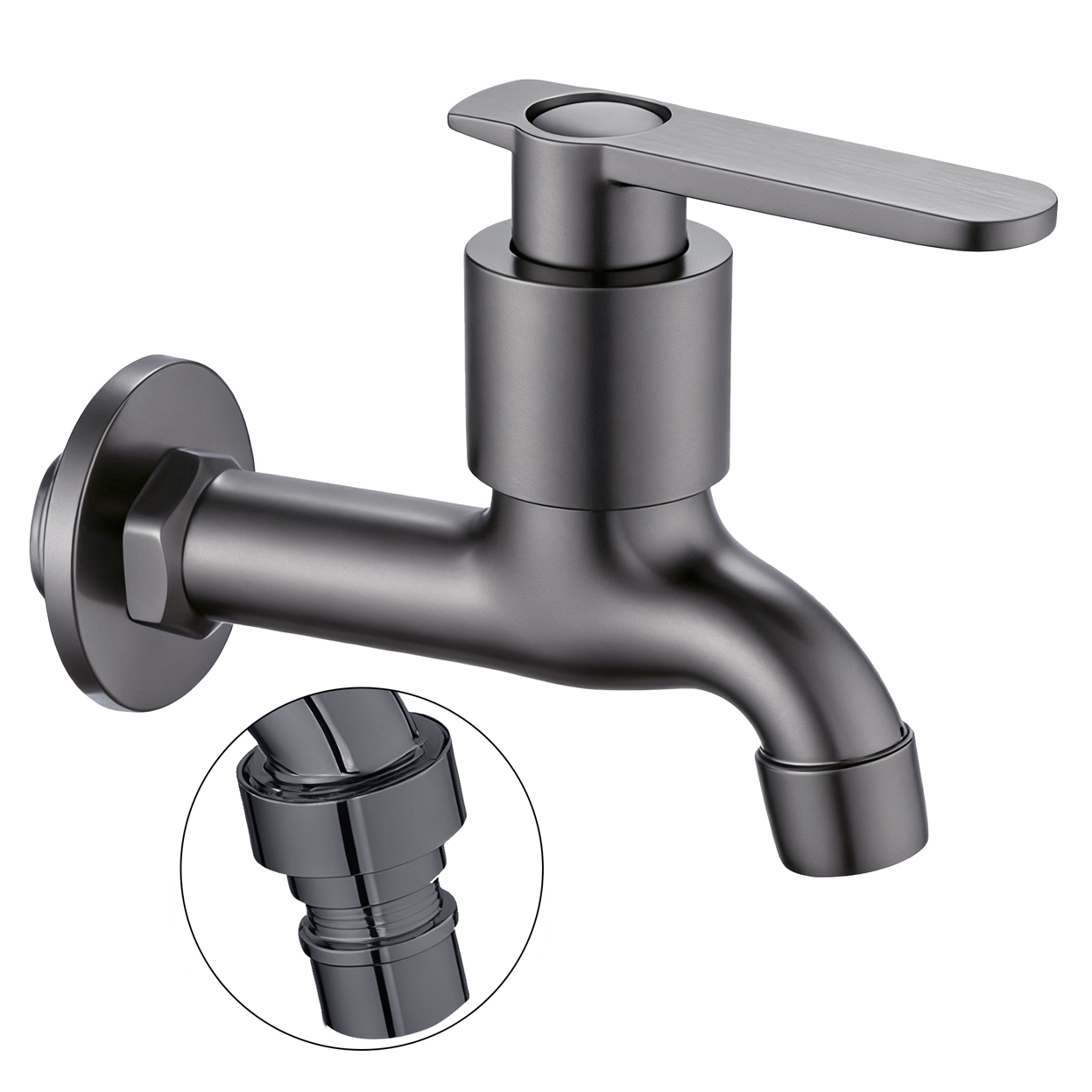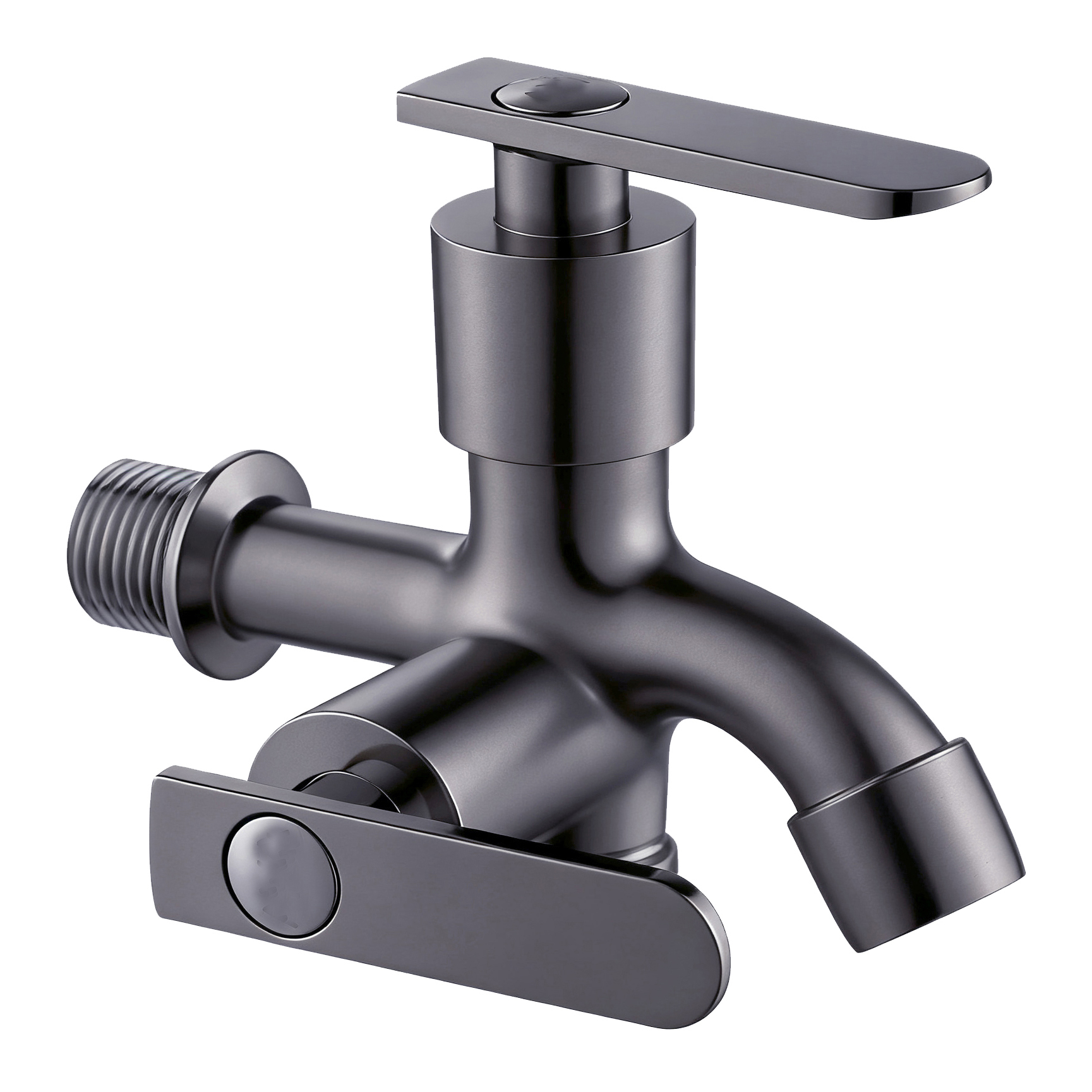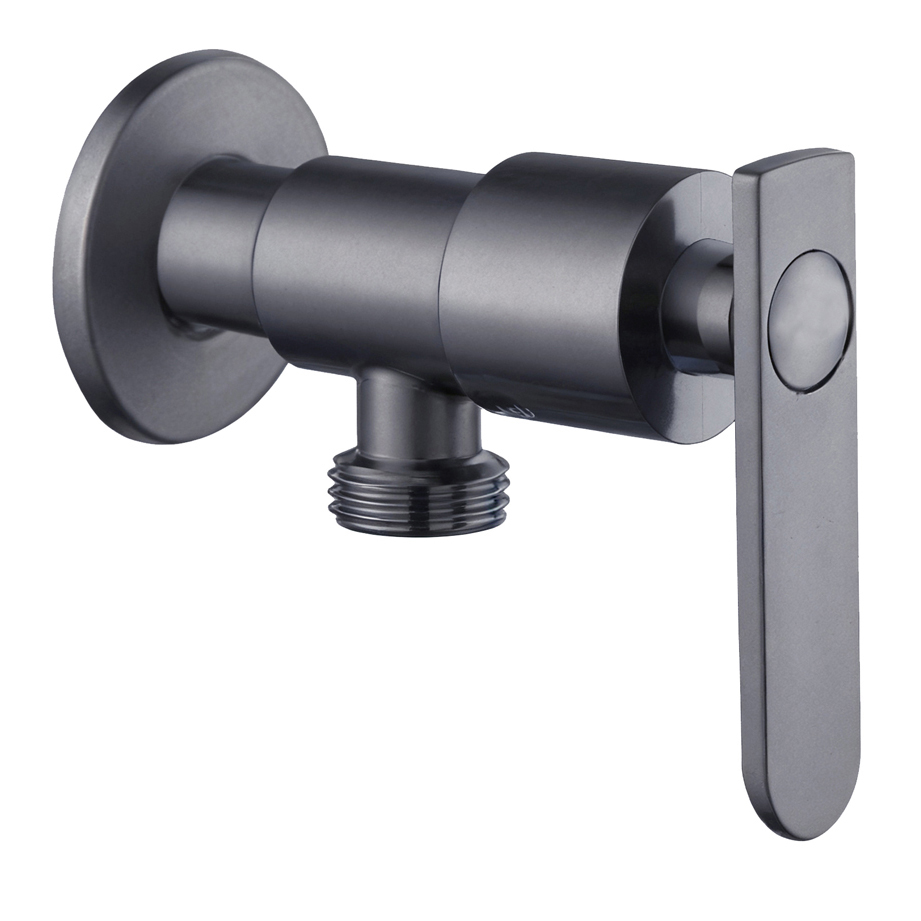




Faucets in ordinary residential settings usually go through a relatively limited number of operating cycles each day. In some high-frequency environments, however, a faucet may need to handle repeated opening, closing and water use throughout the day.
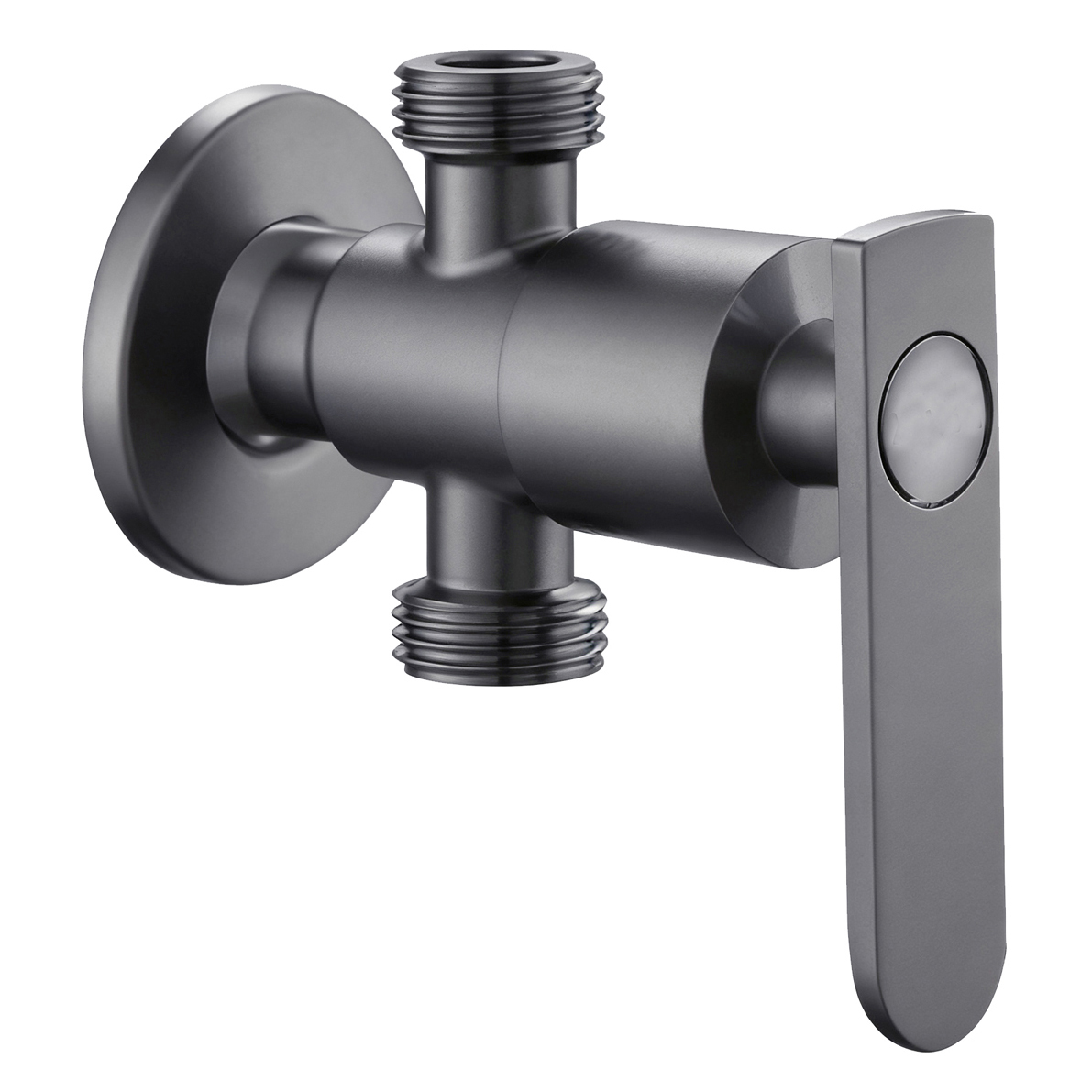
This changes what matters when selecting an Industrial Water Tap.
Normal water delivery is only the starting point. It is also important to consider which components experience repeated movement, how they perform over time, and how easily they can be maintained when problems occur.
High-Frequency Use Puts More Stress on Operating Components
As operating frequency increases, handles, cartridges, seals, connectors and mounting structures go through more repeated movement.
Issues that may take longer to appear under normal residential use can become noticeable earlier. A handle may gradually loosen. Control feel may change. Sealing performance may decline. Frequently operated components may also require earlier maintenance or replacement.
For this reason, sample evaluation of an industrial water tap should go beyond checking whether it opens and closes correctly once.
Depending on the actual product structure, repeated-operation evaluation can focus on whether:
- the handle and control components remain stable;
- sealing remains reliable after closing;
- mounting and connection points stay secure;
- serviceable components remain easy to remove and replace.
The exact test conditions should match the product structure, intended application and applicable requirements. There is no reason to apply one identical cycle count to every Industrial Water Tap.
Maintenance Should Be Part of Product Selection
In high-frequency environments, how a product can be serviced after a problem occurs may matter almost as much as its operating life.
If a cartridge or seal needs replacement, can technicians access it directly? Or does servicing require removing a large part of the faucet?
It is also useful to check whether common service parts are available separately and whether different models can share selected Spare Parts.
These differences are not obvious from product appearance, but they can affect maintenance time and Spare Parts management.
If two Industrial Water Taps have similar purchase prices, a model with easier servicing and clearly defined replacement parts may offer more practical long-term value than one selected only for a lower initial price.
“Heavy Duty” Cannot Be Judged by Weight or Appearance Alone
Industrial or high-frequency faucets may use heavier bodies, thicker-looking structures or more robust designs. However, these features alone do not prove that a product suits frequent operation.
The actual construction still needs to be checked.
What loads does the body handle? What control components does the faucet use? How do the connections and seals work? Have these parts been evaluated under conditions that reflect the intended application?
ASME A112.18.1/CSA B125.1 provides a standards framework for the performance and testing of Plumbing Supply Fittings. For a specific Industrial Water Tap, the applicable requirements still depend on the product type and target market.
A high-frequency application does not necessarily require a more complicated faucet.
The selection process should instead focus on three practical questions:
Which components will operate repeatedly? Can they remain stable under the expected use? If wear occurs, can the relevant parts be serviced efficiently?
These factors create a more meaningful distinction between an Industrial Water Tap and a faucet intended for lower-frequency use.
References
ASME — A112.18.1/CSA B125.1 Plumbing Supply Fittings