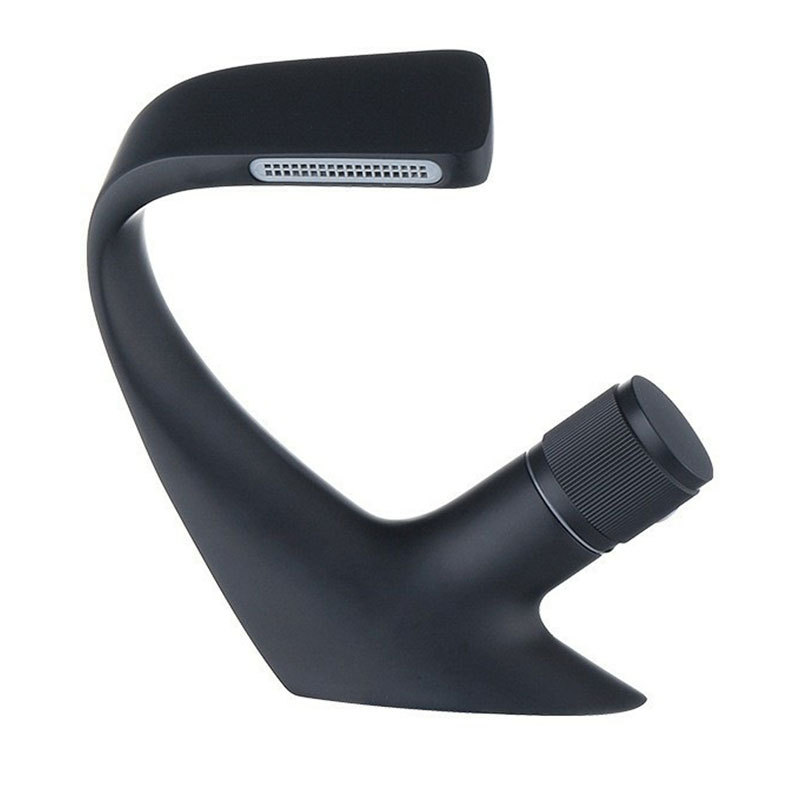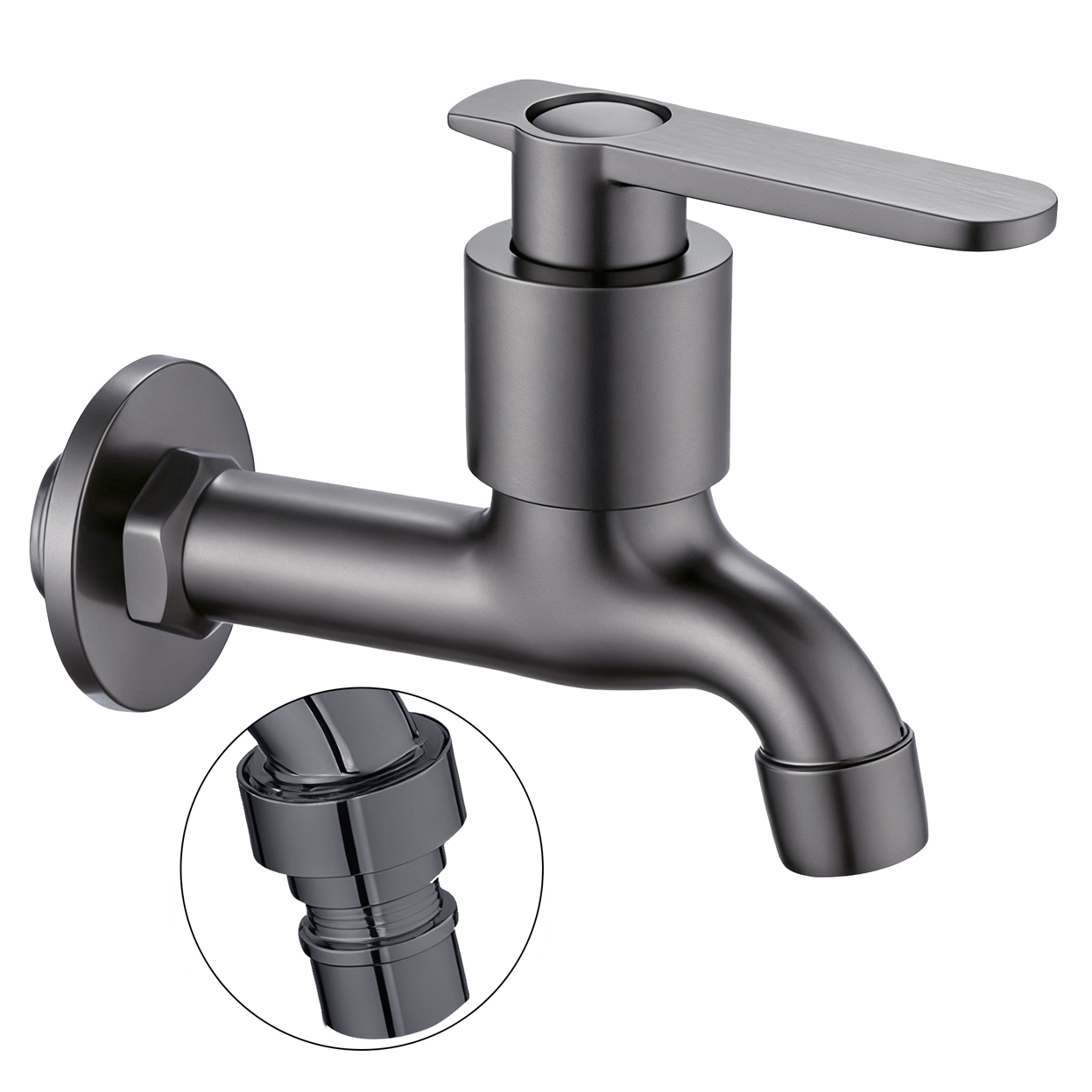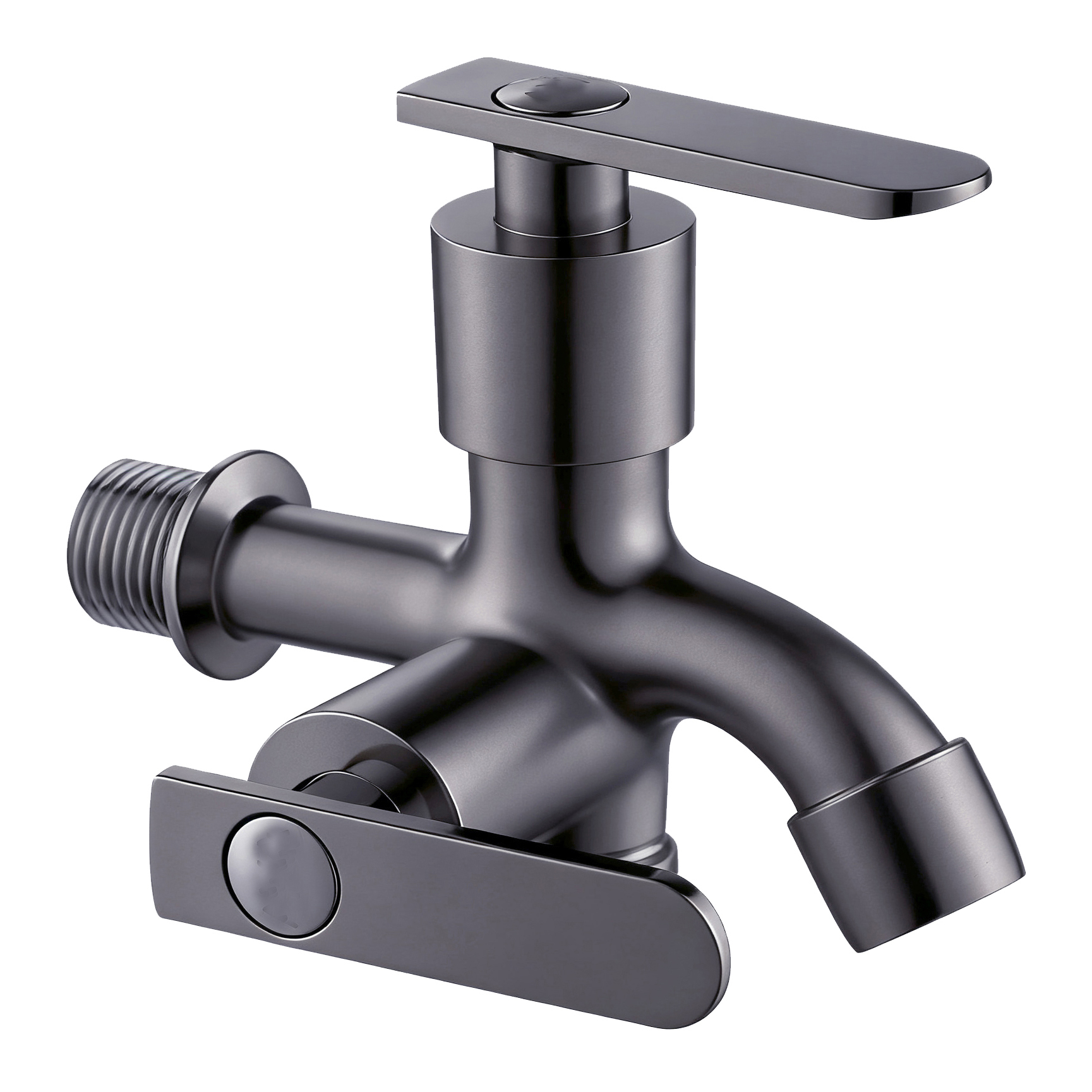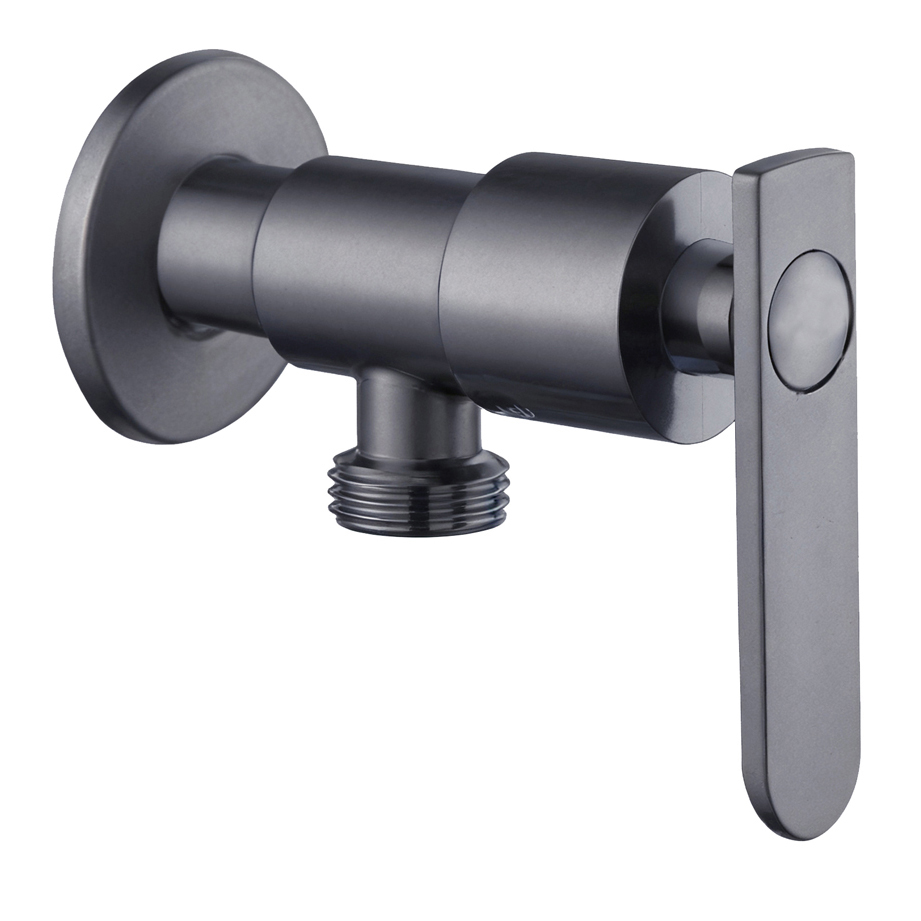




For buyers sourcing faucets in China, Nan’an can be a useful place to start.
The area brings together faucet and sanitaryware businesses, component suppliers, processing resources, and trading channels. This makes it easier to see different products and understand how the local industry is organized.
But an industrial cluster does not automatically tell you how well one factory can handle your order.
A useful factory visit therefore needs to answer two different questions:
- What resources and product options can the industrial cluster provide?
- What can this specific faucet manufacturer actually organize, control, and deliver?
The first question helps narrow the field. The second one determines whether a factory should move forward to sampling, quotation, or order discussion.
Use the Industrial Cluster to Find Candidates, Not to Approve Them
China Plumbing City in Nan’an is part of the local sanitaryware industry ecosystem. In 2025, the Nan’an government described efforts to develop an international plumbing and sanitaryware supply-chain distribution center and to map resources across raw materials, production, sales, and services.
For a buyer, this kind of industrial concentration can make an initial sourcing trip more efficient.
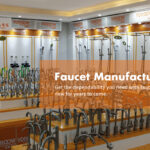
You may be able to compare different product styles, identify component resources, and understand which companies focus on manufacturing, trading, or particular product categories.
However, the existence of these resources does not prove that every company can provide the same level of manufacturing or delivery support.
The cluster is therefore better treated as a candidate-finding environment, not as factory-level evidence.
Once a potential supplier has been identified, the investigation needs to move from the local industry to the individual company.
Check Product Fit Before Counting the Catalog
A large catalog can make a factory look capable, but catalog size is not the same as product fit.
Before discussing a wider range, clarify what the supplier needs to manufacture or supply for your market:
- product type and installation method
- target market and applicable requirements
- material and finish
- key components
- packaging and labeling
- expected order structure
- whether the supplier manufactures the product or coordinates it through another company
One core model is often enough to start the discussion.
Ask the factory to explain how that model would move from quotation to sample and then to production. This reveals more than simply asking how many faucet models the company has.
The same principle applies when a factory shows products made with outside partners. If a process, component, or finished product comes from another company, clarify who controls the specification, who checks the result, and who takes responsibility when something goes wrong.
That distinction becomes important once the project moves from product selection to an actual order.
Follow One Order Through the Factory
A factory visit is more useful when it follows the path of an order instead of following the route that looks best for photographs.
Start with a specific product or sample and ask how its information moves through the company.
For example:
quotation → approved specification → components → production → inspection → packing → shipment
At each stage, look for the connection between the physical product and the corresponding information.
Can the factory explain which version is being produced?
Can it identify the components used for that version?
If a process is outsourced, can the factory explain who performs it and how the result is controlled?
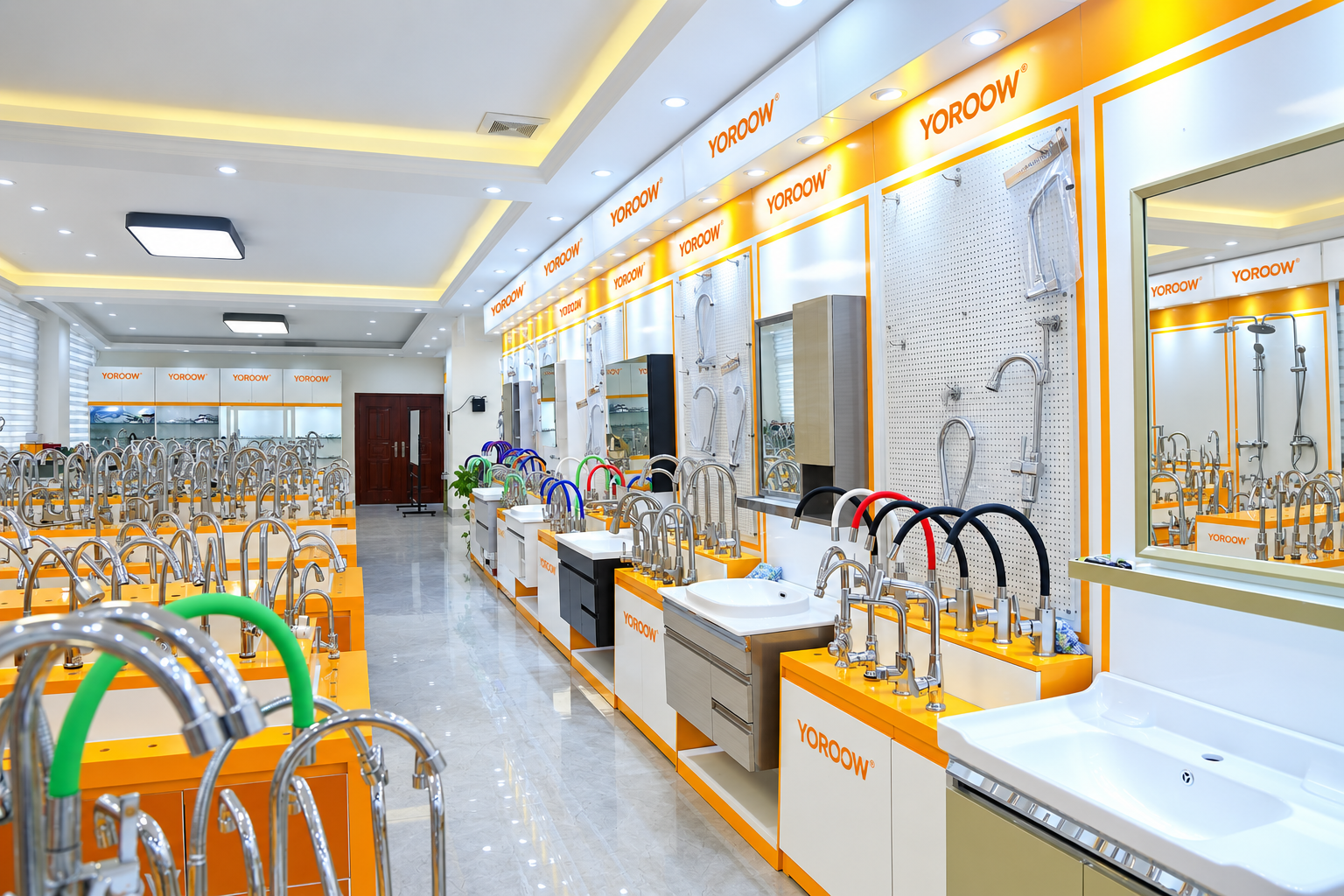
Can the final packed product be connected back to the approved specification?
These questions help distinguish a manufacturer that is simply familiar with a product from one that has a controlled process for delivering it.
A factory does not need to perform every process inside one building. What matters is whether the company can clearly explain the responsibilities and controls across the production chain.
Look at How the Factory Closes Quality Problems
A quality system is easier to understand from a problem than from a certificate on the wall.
During a factory visit, ask what happens when a batch fails inspection.
A useful explanation should cover several steps:
- How is the problem identified?
- How is the affected material or batch separated?
- Who decides whether it can be reworked or must be rejected?
- How is the product checked again after corrective action?
- Who authorizes the final release?
You can also ask how the factory records product versions and production batches.
The purpose is not to turn a factory visit into a technical audit of every inspection method. Instead, you are checking whether the factory has a defined way to identify, contain, correct, and release products when something goes wrong.
This is particularly important for repeat orders. A factory may produce a good sample, but the more useful question is whether the same approved configuration can be controlled when production happens months later.
Match Documents to the Actual Market and Product
A factory may have many certificates and test reports. That does not mean every document applies to every faucet it produces.
Start with the actual product and market.
Ask:
- Which model does the document cover?
- Does the tested configuration match the product being quoted?
- Does the document cover the relevant material, function, or component?
- Is it related to the target market?
- Is it a factory management certification, a product test report, or a market-access document?
This prevents a common sourcing mistake: collecting documents first and checking their relevance later.
The useful sequence is the opposite:
target market → product configuration → applicable requirement → supporting document
If a supplier cannot clearly connect a document to the product under discussion, the document should not automatically be treated as evidence for that product.
Turn Trade Convenience Into a Delivery Plan
Being in a concentrated sourcing area can make communication and coordination easier, but convenience does not by itself guarantee smooth delivery.
Before moving forward, clarify the practical structure of the order:
| What You Need to Verify | What to Look At | Follow-Up Question |
|---|---|---|
| Product fit | Model, configuration, market, installation | Which exact version are you quoting? |
| Manufacturing | Production scope and outside processes | Which processes are handled by your factory, and which are coordinated externally? |
| Quality control | Inspection, nonconformity handling, release | What happens when a batch does not pass inspection? |
| Documentation | Product, market, and applicable documents | Which document supports this exact configuration? |
| Delivery | Quantity, assortment, packaging, and coordination | What needs to be confirmed before the stated lead time starts? |
The last question is especially useful when comparing quotations.
A stated lead time may depend on sample approval, component confirmation, packaging artwork, or other prerequisites. Those conditions should be made clear before the delivery date becomes part of the commercial discussion.
If several companies are involved, also clarify who is the manufacturer, who is coordinating the order, and who is responsible for the final shipment.
Compare Candidates Using the Same Evidence
A factory visit does not need to produce a score or ranking.
Different projects have different priorities. A distributor may focus on product range and replenishment, while an engineering project may place more attention on configuration control and delivery coordination.
Instead of asking which factory looks better overall, use the same evidence points for each candidate:
- Can the supplier explain the product clearly?
- Can it trace the product through its production process?
- Can it explain how quality problems are handled?
- Can it connect documents to the actual product and market?
- Can it define what is required before production and shipment?
This also makes price comparisons more useful.
When two quotations differ, the difference should be traced back to what is actually included: material, configuration, components, packaging, inspection, tooling, logistics terms, or other commercial conditions.
A lower or higher price by itself does not explain what the buyer is receiving.
The more useful comparison is between defined product, controlled process, supporting evidence, and delivery responsibility.
Make the First Inquiry Specific Enough to Test the Factory
A first inquiry does not need to contain every detail of a future order.
It should contain enough information for the manufacturer to respond to the actual project rather than sending a generic catalog.
Useful information can include:
- the faucet type or application
- target market
- expected purchasing method
- reference products or appearance requirements
- key specifications already known
- packaging or labeling requirements
- any current problem that needs to be solved
This gives the manufacturer something concrete to work with.
It also makes the first response more informative. Instead of only showing what a company can sell, the conversation starts to reveal how it approaches a real product and delivery requirement.
For buyers visiting Nan’an, that is the important distinction: the industrial cluster can help you find possibilities, but the factory itself must provide the evidence that it can turn those possibilities into a controlled order.
Sources / References