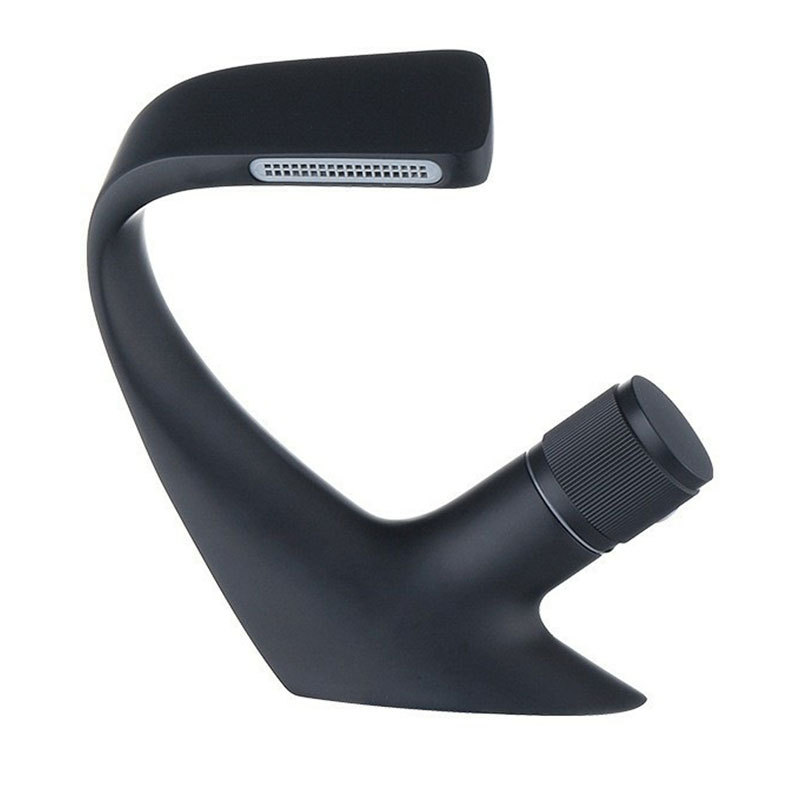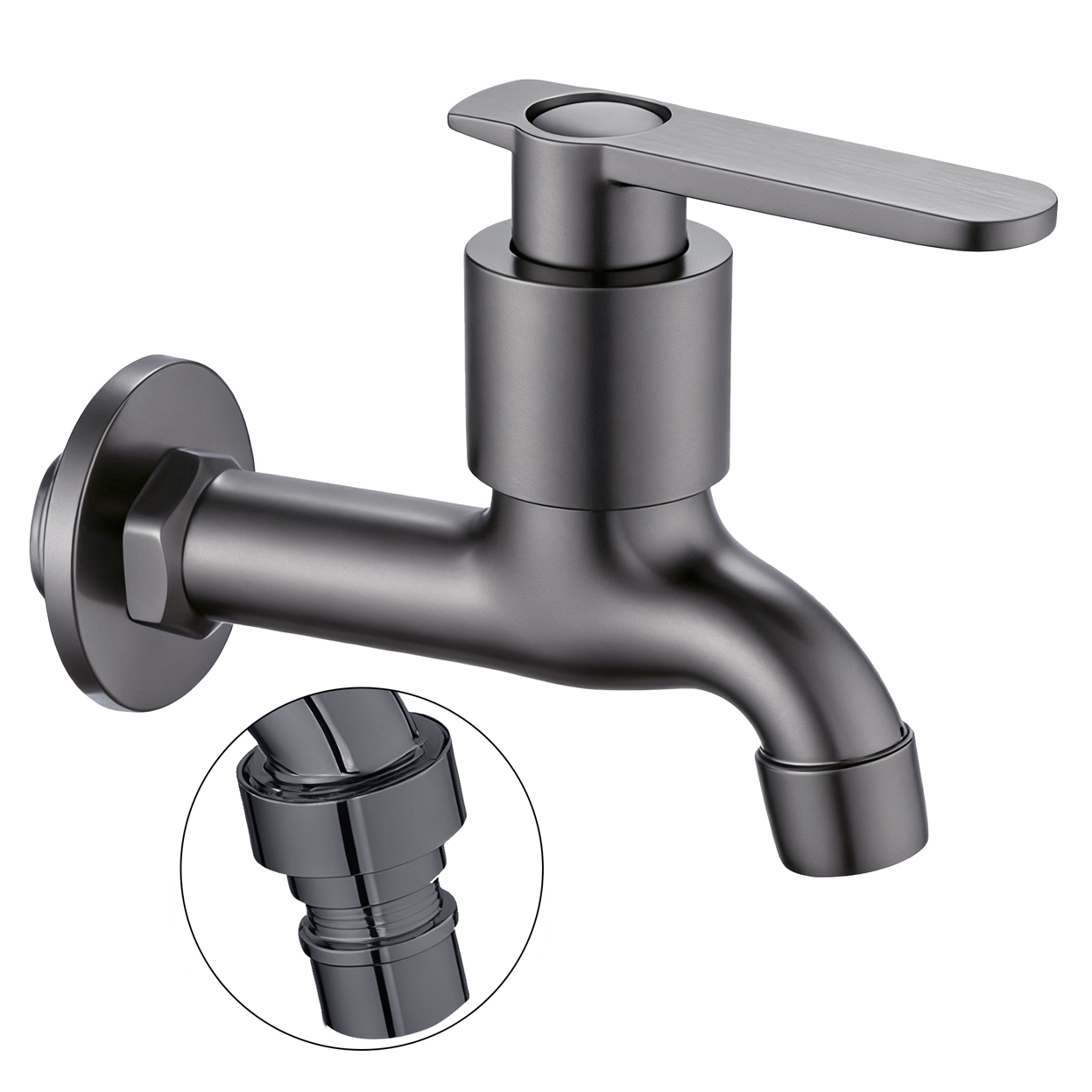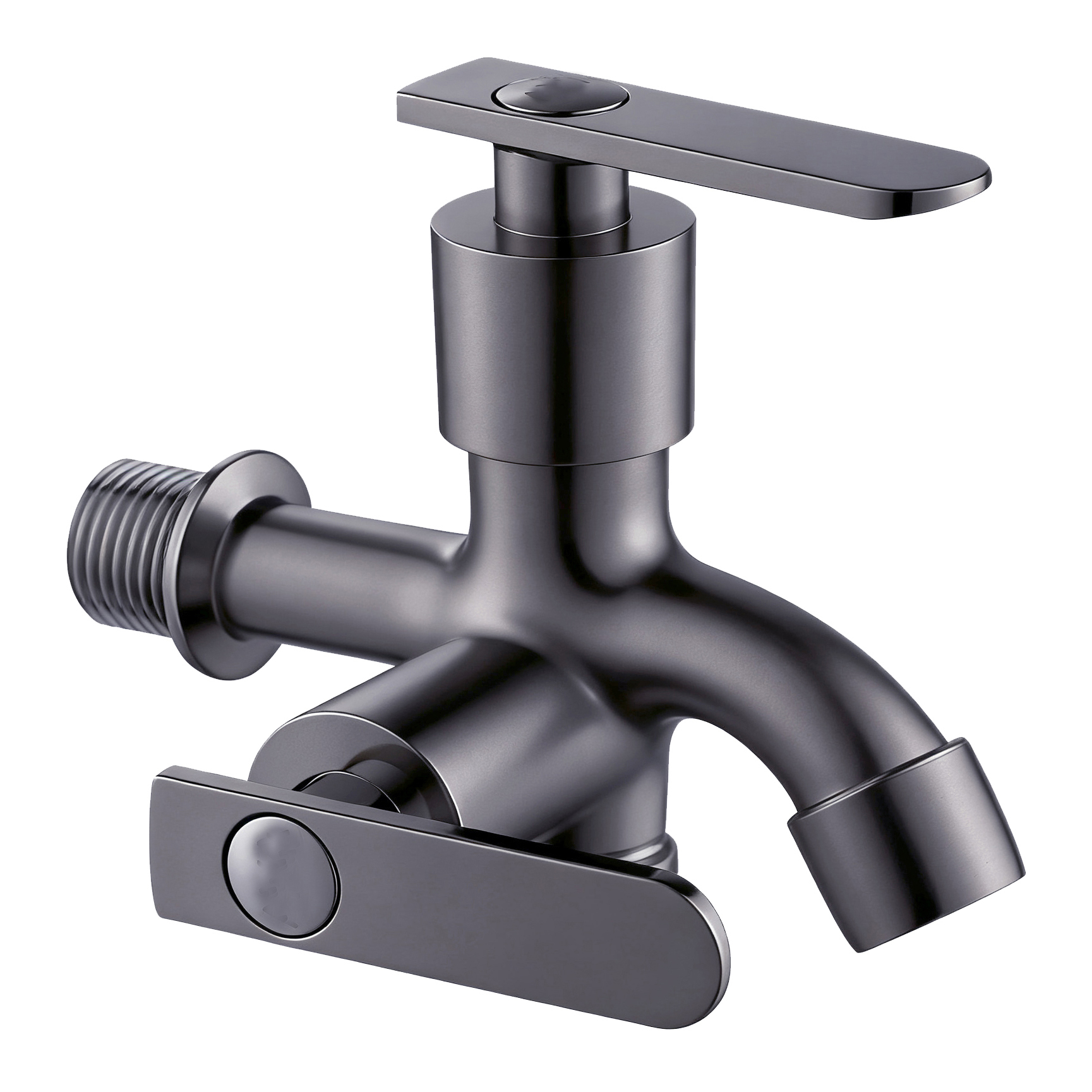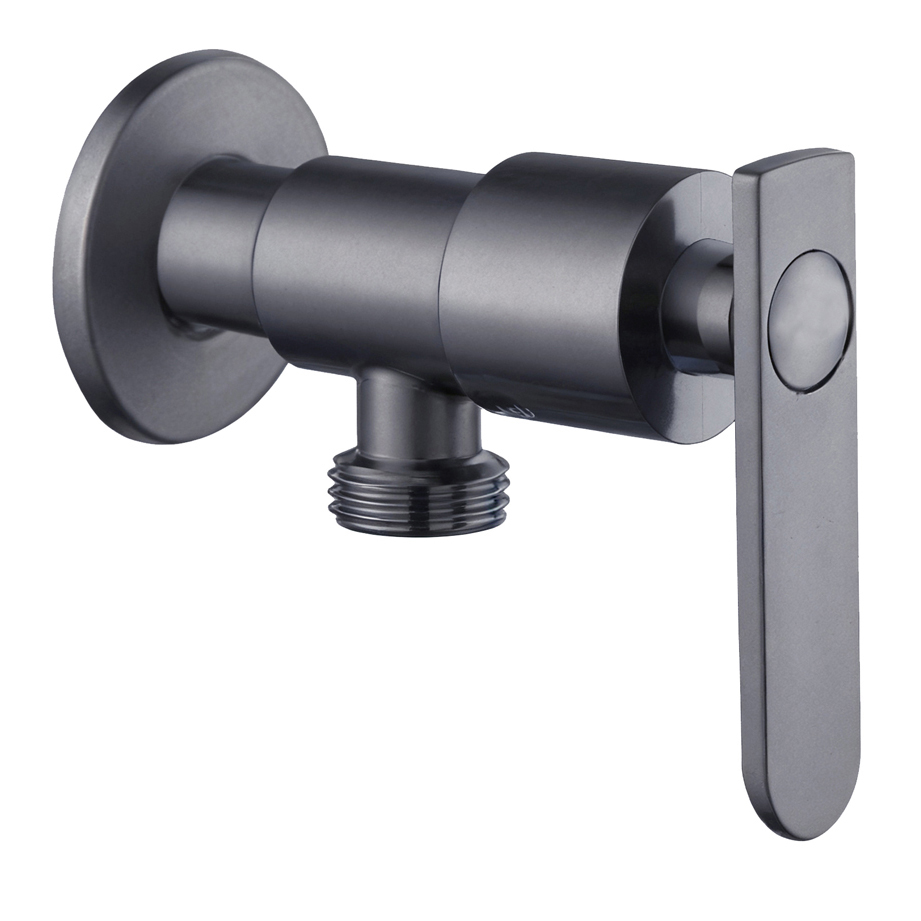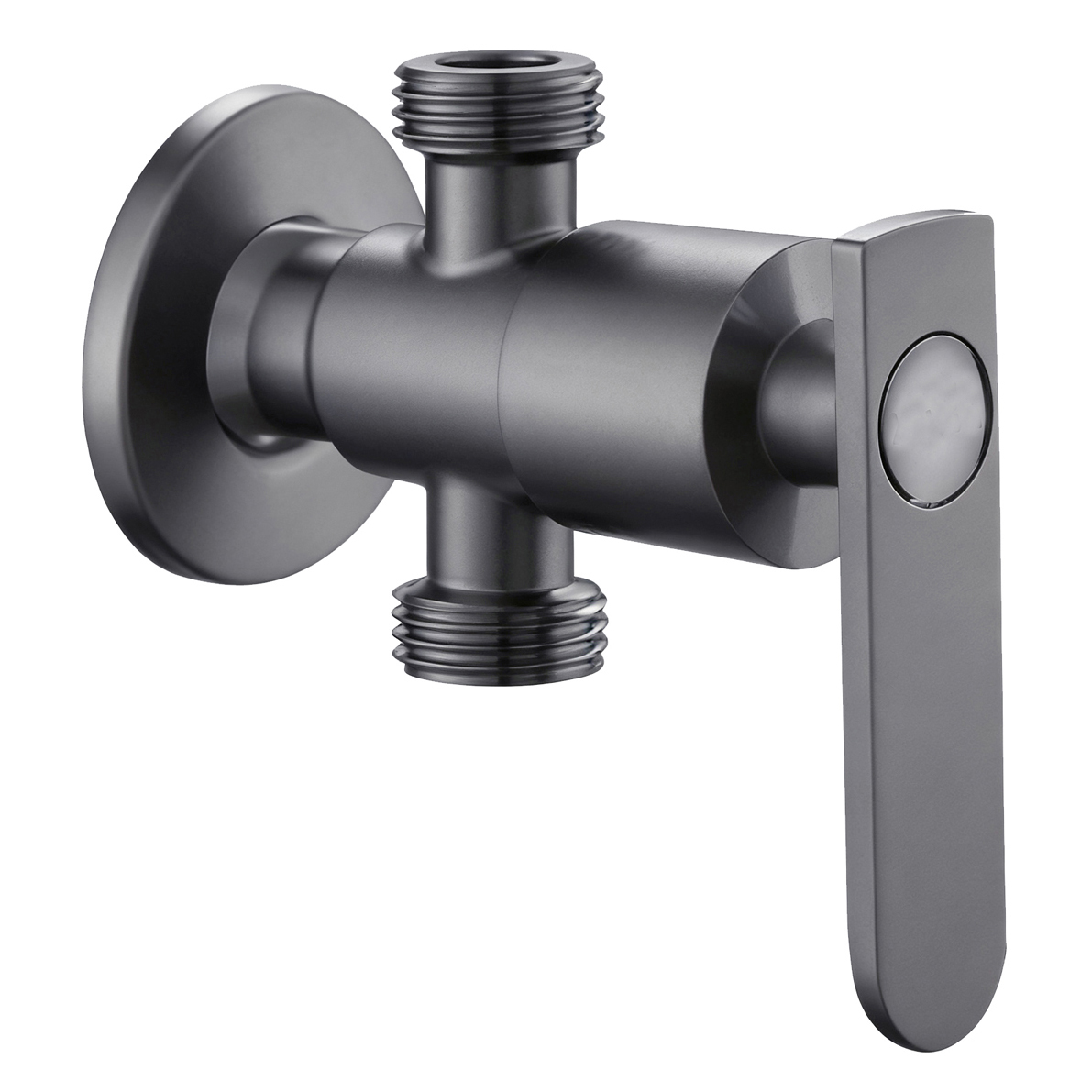




Ex-Factory Price is often the first number compared when sourcing faucets. However, a lower factory price does not always result in a lower cost when the product reaches the destination warehouse.
For a multi-component product such as a Triple Hole Shower Faucet, Configuration, packaging and logistics can all change the final cost.
First Check Whether the Quotations Include the Same Product Configuration
Before comparing two quotations, confirm that both include the same product components.
Products described as a triple hole shower faucet may include different faucet bodies, controls, outlets, connectors, hoses and installation accessories.
If the Configuration differs, the two Ex-Factory Prices do not share the same comparison basis.
It is therefore useful to define the product configuration and accessory scope before comparing quotations.
Otherwise, a lower initial price may simply mean that the quotation includes fewer components. It does not necessarily indicate a real cost advantage.
Multi-Component Products Also Require a Closer Look at Packaging
The cost of a Triple Hole Shower Faucet comes from more than the product itself.
Multiple separate components need proper positioning and protection inside the package. Their arrangement can affect the inner-box dimensions and the number of sets that fit into each master carton.
For a bulk order, these differences can also change the total shipment volume.
Several figures should therefore be considered together:
Unit Price → Product Configuration → Packing Size → Qty/Carton → Shipment Volume
This comparison can reveal cases where a lower Unit Price does not lead to a lower total cost after the shipment reaches the warehouse.
Compare Landed Cost at the Same Point
Ex-Factory Price and Landed Cost answer different questions.
Ex-Factory Price focuses on the product price at the factory stage. Landed Cost goes further. Depending on the actual trade and shipping arrangement, it may also include packaging, logistics and other costs involved in moving the goods into the destination market.
For this reason, two sourcing options should be compared at the same point in the supply chain.
For example, a factory-gate quotation cannot be directly compared with another quotation that already includes part of the transportation cost.
The actual cost structure also depends on Incoterms, destination, shipping method and order conditions. A fixed percentage cannot accurately represent every order.
Configuration Changes After Quotation Can Also Change the Final Cost
Another common issue appears when the product requirements are not fully defined at the quotation stage.
If accessories are added, packaging changes or the product Configuration is adjusted after sample approval or before mass production, the original Ex-Factory Price may also change.
For a triple hole shower faucet, it is more useful to connect each quotation to a clearly defined product version:
What is the product configuration? Which accessories are included? What packaging is used? How many sets fit in each carton? Which trade terms apply?
If the price changes later, this information makes it easier to identify whether the difference comes from the product itself, packaging, logistics or a configuration adjustment.
A low Ex-Factory Price can still be an advantage when sourcing a Triple Hole Shower Faucet. However, it should not determine the decision on its own.
Put the products and quotation terms on the same comparison basis first. Then calculate costs to the same Landed Cost point. Only then do the prices become truly comparable.