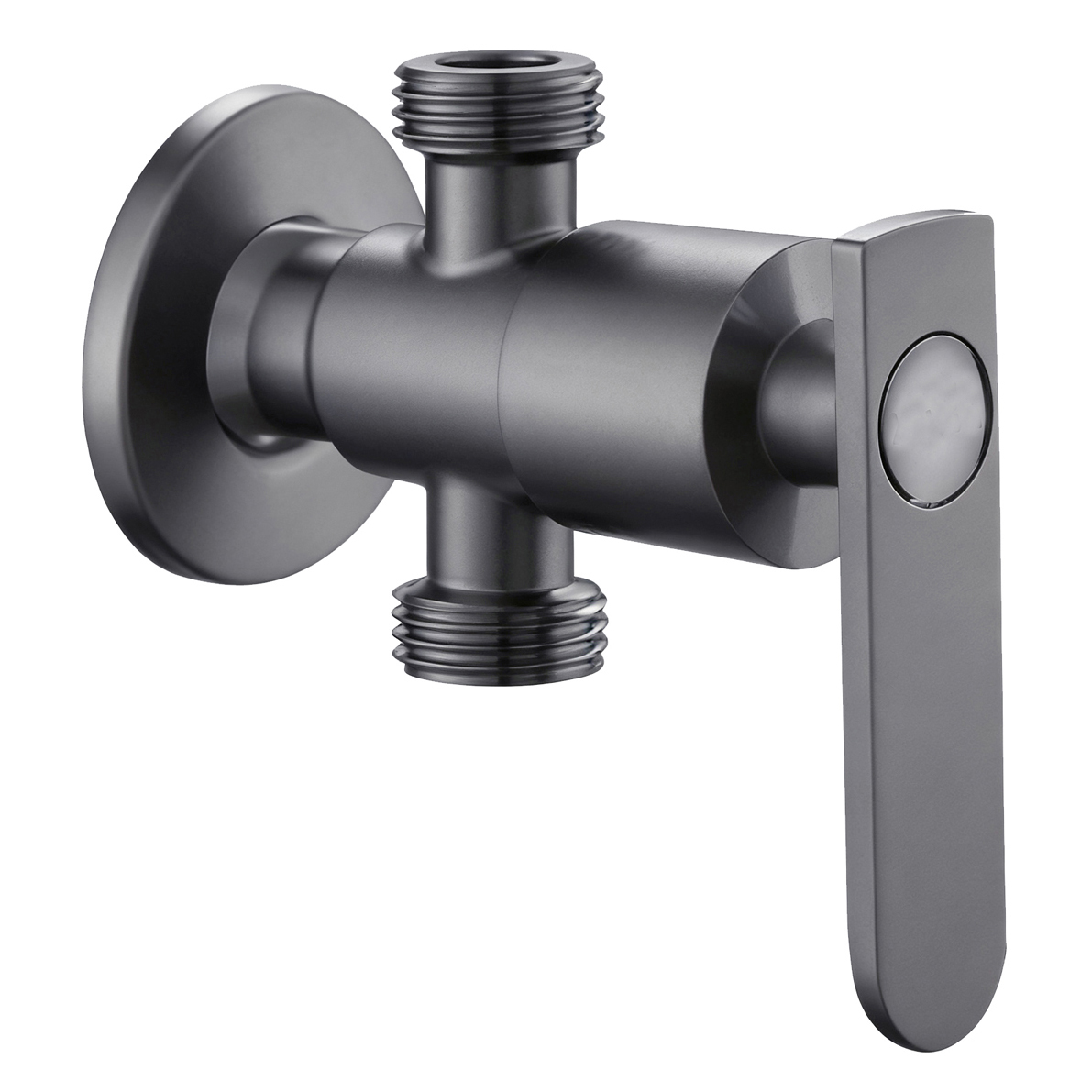




For a Zinc Water Tap, adding a second outlet creates a very visible product difference.
But having one more outlet than a standard model does not automatically create more product value.
Before adding a Zinc 2-way tap to the range, the first question should be:
What problem does the second outlet solve that the original product could not?
The Second Outlet Should Serve a Clear Second Use
A dual-outlet structure is most useful when one water supply point genuinely needs to support two different water tasks.
For example, one outlet may be used for direct water access while the other is connected to a hose or another water-using appliance.
In this case, the dual-outlet structure combines two practical needs at one installation point rather than simply adding another connection for the sake of increasing the feature count.
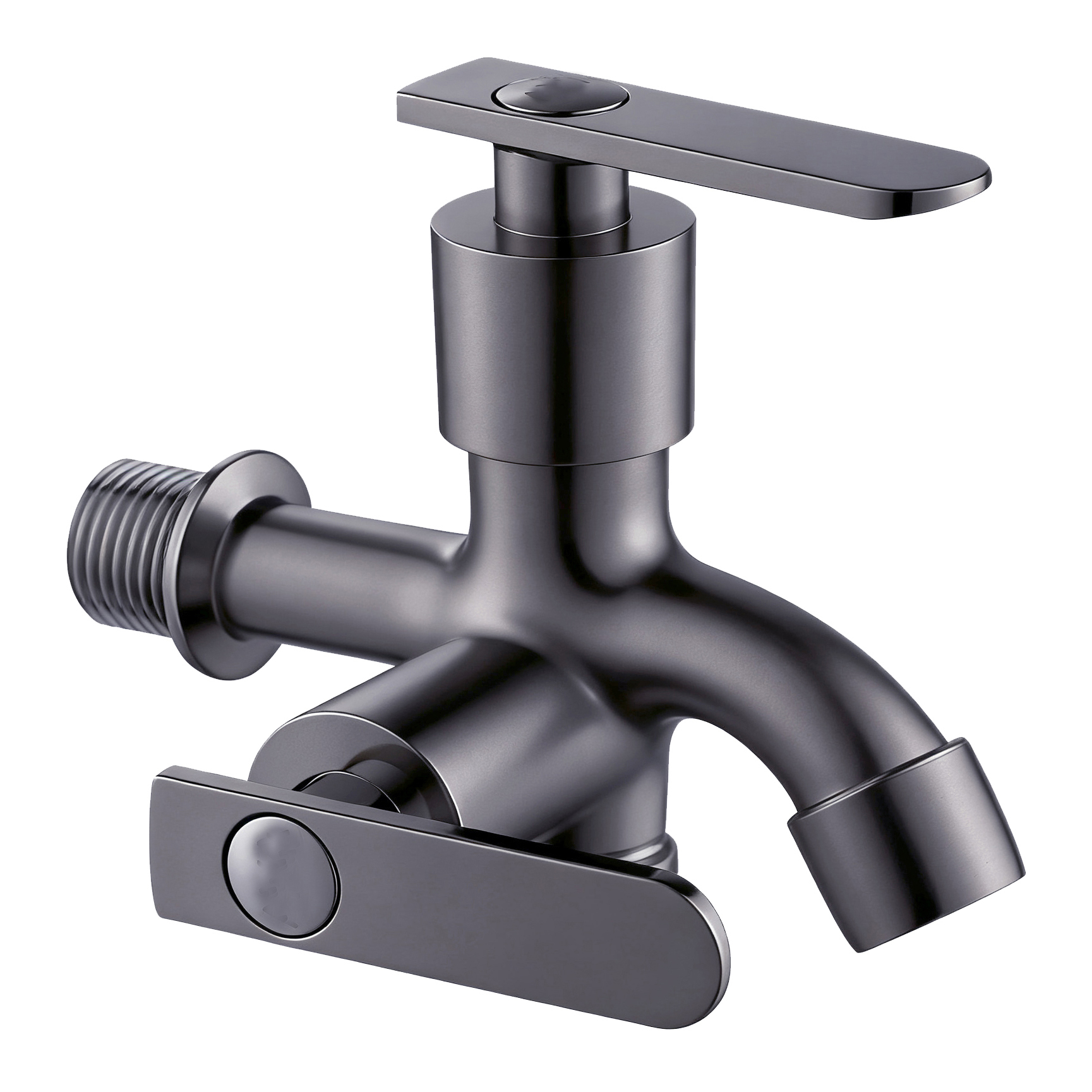
YOROOW’s 8011A3-593S2-W02, a zinc two-way tap designed for washing machine and mop pool applications, is an example of this type of structure.
The two outlets serve different connection needs, so the key question is not simply whether the product has “two outlets,” but what each outlet is expected to do.
On the other hand, if most applications use only one outlet and the second connection remains unused, the extra outlet may add more structural and SKU complexity than practical value.
Before developing a dual-outlet version, it is useful to define:
What is outlet one used for?
What is outlet two used for?
Do these two uses frequently occur at the same installation point?
If these questions do not have clear answers, there is little reason to rush into adding another dual-outlet SKU.
A Dual-Outlet Design Also Depends on How the Outlets Are Controlled
A second outlet changes more than the appearance.
It also changes the valve-body structure and control logic.
The two outlets should be checked for whether they can be controlled independently, whether the controls are easy to distinguish, and whether connecting a hose to one outlet affects normal use of the other.
If adding one more outlet turns a simple faucet into a product that is difficult to operate, the added function may reduce the practicality of the basic product.
This is what makes dual-outlet design different from simply adding another color:
it changes the product structure, not just the surface appearance.
One More Outlet Also Means One More Set of Structural Details to Check
For a basic zinc-alloy water tap, both cost and structure are usually important selection factors.
Once a second outlet is added, the internal valve-body structure, outlet position, controls and connection space all need to be reviewed again.
If the second outlet is intended for a hose, the hose direction, bending space and possible interference with the wall or nearby fixtures should also be considered.
A Zinc 2-way tap should therefore not be evaluated only by comparing the purchase price with a single-outlet model.
The more important question is whether the additional structure creates real usage value.
Two Zinc 2-way taps may look similar, but differences in outlet direction, control method and hose connection position can make them suitable for very different applications.
They should not automatically be treated as the same type of SKU with different styling.
When Is This SKU Worth Adding?
A simple way to evaluate it is:
stable second water-use requirement → clear control of both outlets → sufficient installation space → added structure and cost can be justified by practical function.
When these conditions are met, the second outlet represents a meaningful product difference.
When confirming this type of product, it is often more useful to explain what each outlet needs to connect to than simply asking which dual-outlet models are available.
The real value of a Zinc Water Tap with two outlets is not that it looks more multifunctional.
It is that one installation point genuinely needs two water paths, and the product provides a practical structure to support them.