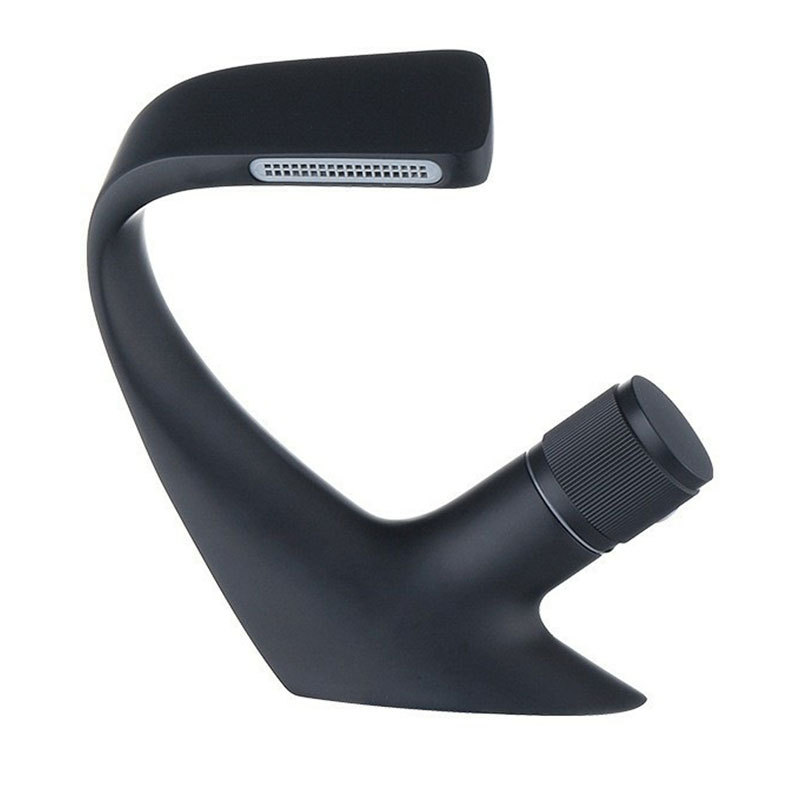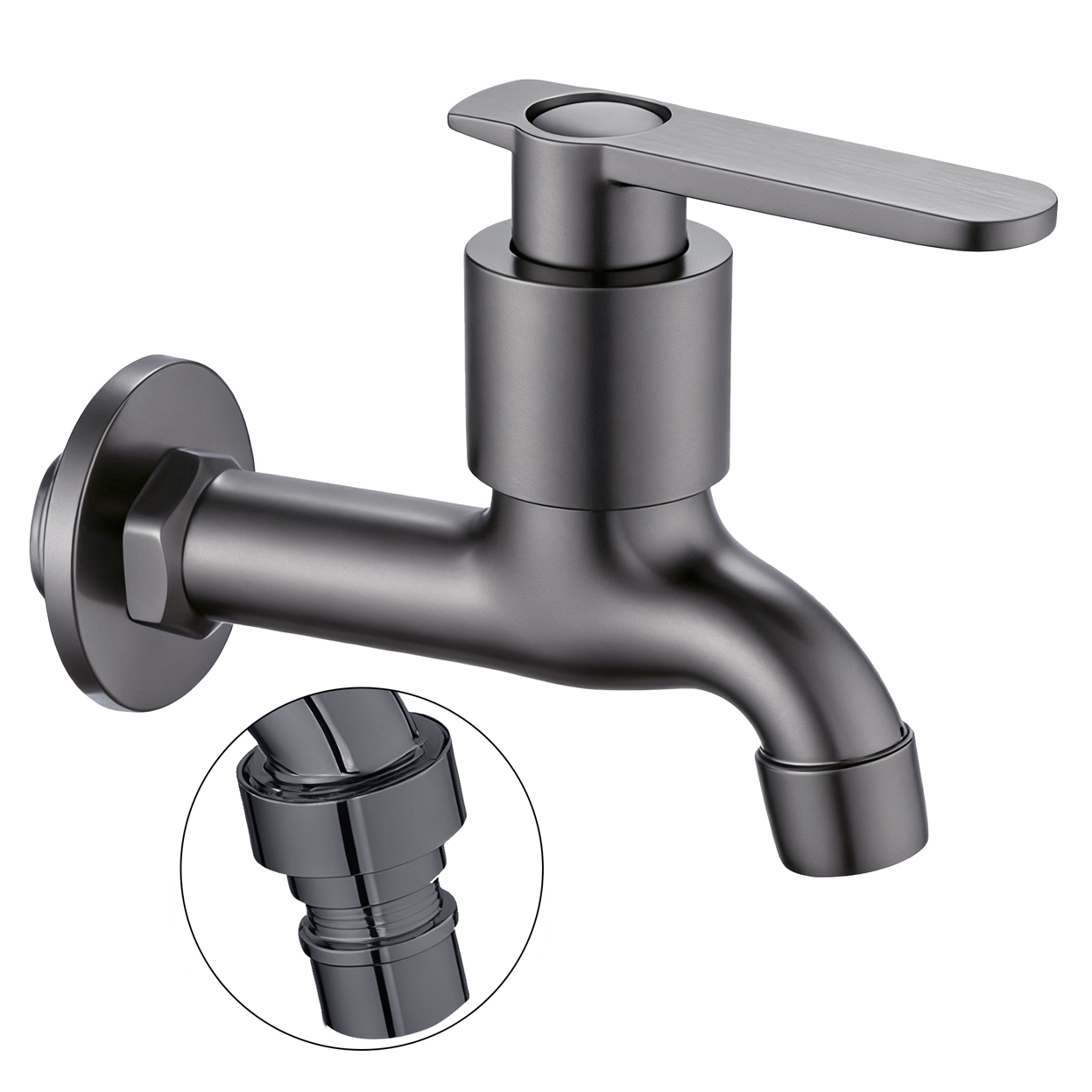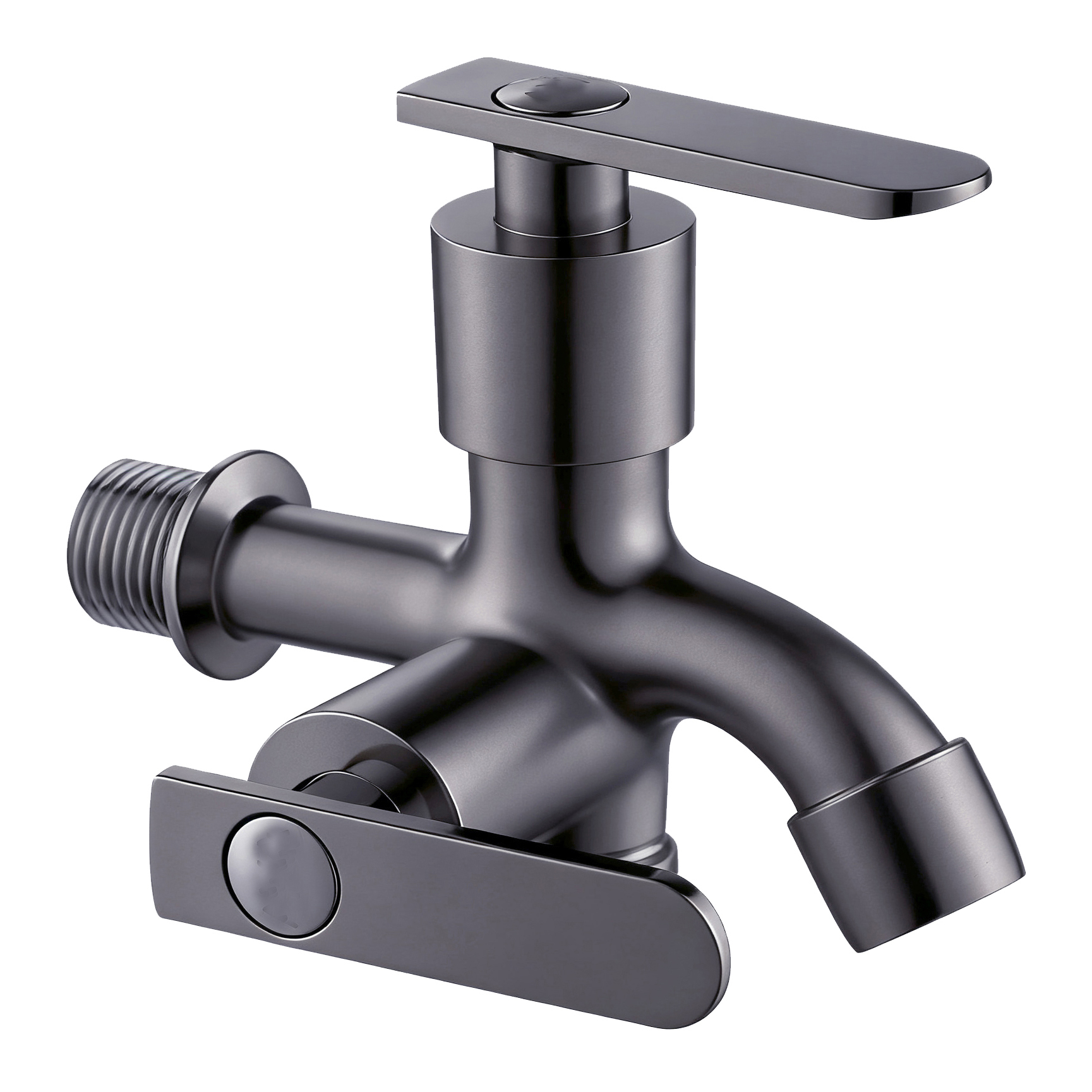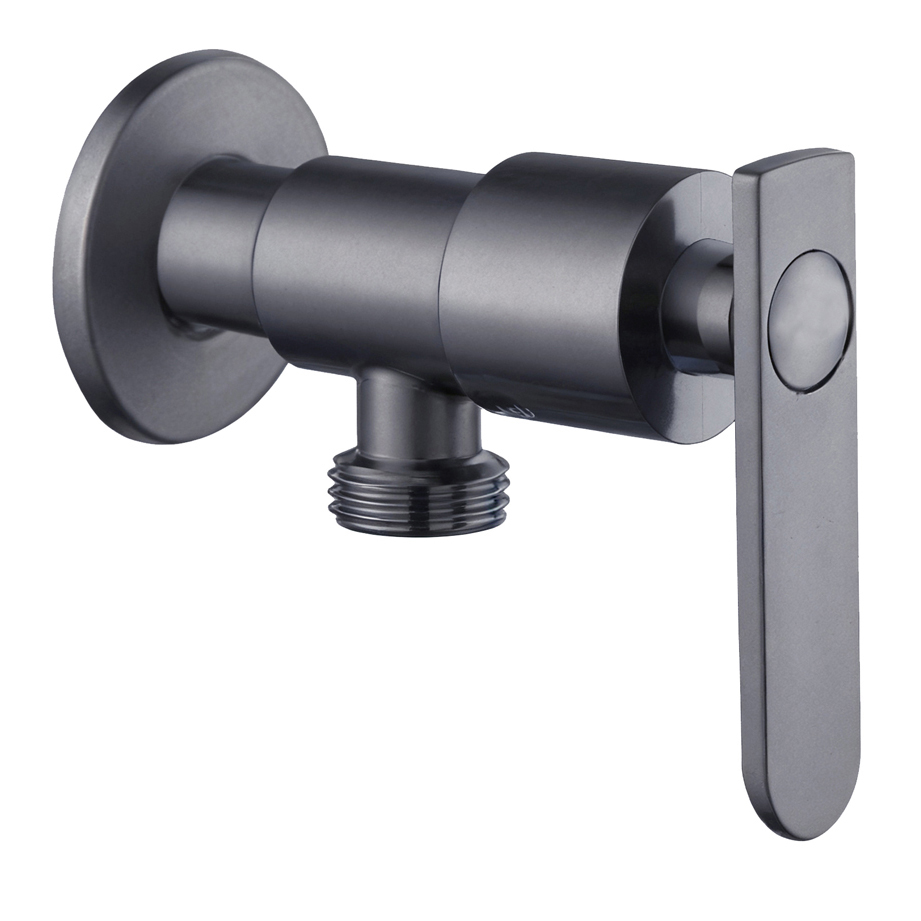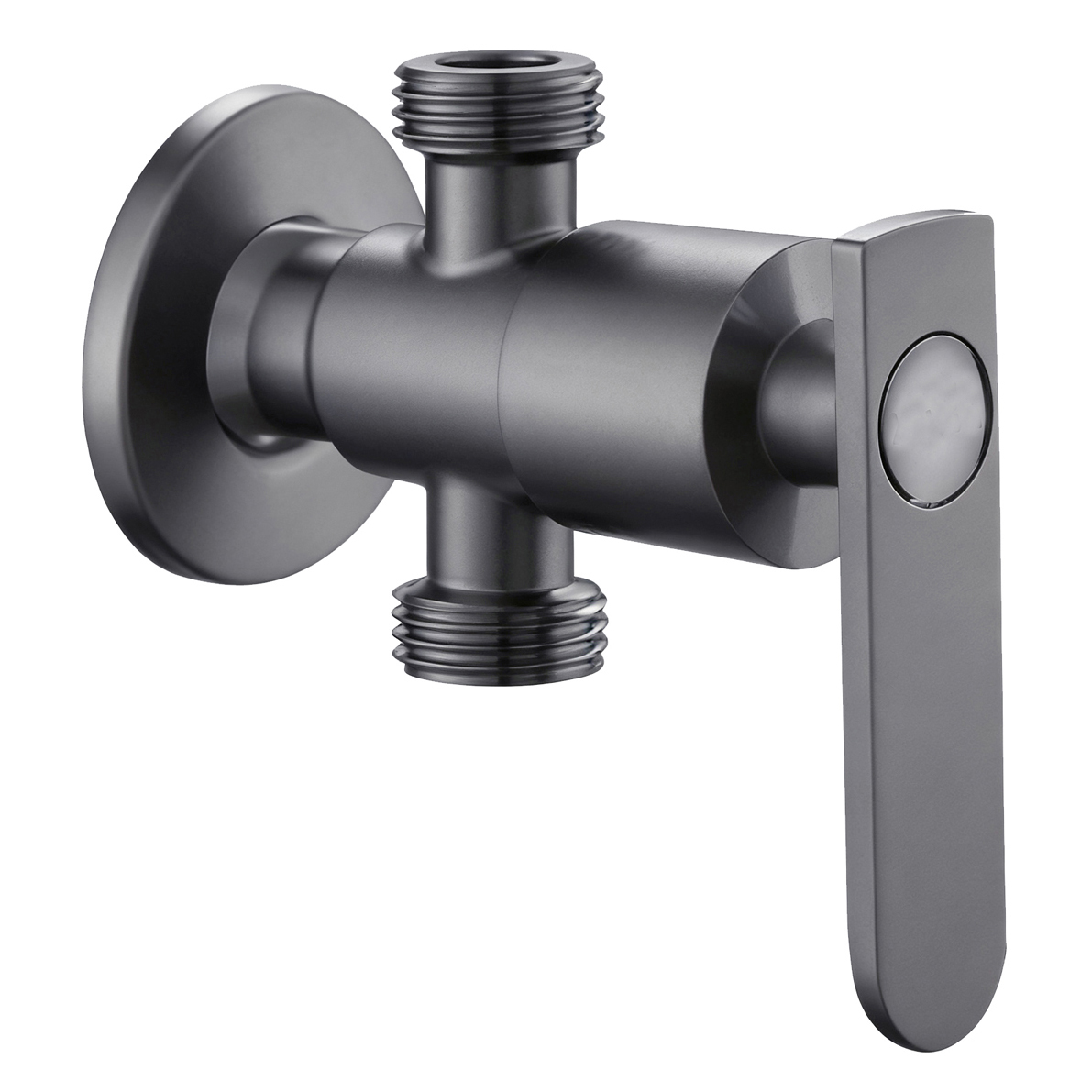




A faucet body can be completely functional and the product can still create after-sales problems after installation.
The reason is simple.
O Corpo da torneira is not the only part involved in installation.
Hoses, connectors, fixing parts, seals and other Water Tap Parts all need to work together before the product can be installed correctly.
Incorrect Water Tap Fittings Can Prevent Installation Even When the Faucet Body Is Fine
Installation accessories first need to solve Compatibility.
Connections need to match both the product and the site interface.
Fixing parts need to suit the actual installation structure.
Seals also need to match the relevant connection points.
If the water tap fittings are incorrect, the site may face problems such as:
- connections that cannot be completed;
- unstable fixing;
- connections that cannot seal correctly;
- the need to find temporary replacement parts.
These problems are not necessarily manufacturing defects in the Faucet Body, but they still appear as installation or after-sales issues.
Whether a complete product can be installed successfully should therefore not be judged by separating the Faucet Body from the Installation Parts.
One Missing Small Part Can Make the Whole Faucet Unusable
Installation accessories may have relatively low individual value, but that does not make them unimportant.
A missing seal, fixing part or water tap cap can prevent the whole product from being installed as planned.
Before shipment, it is therefore necessary to confirm not only the quantity of the main product but also whether the required Installation Parts are complete.
Different installation structures may require different accessory sets.
They should correspond to the specific product model rather than assuming that every Faucet can use the same accessory kit.
The more useful question is not:
“How many types of small accessories are there?”
It is:
“Has the complete accessory set required for normal installation of this model been clearly defined?”
If the quantity, specification or combination of accessories changes between production batches while the finished-product model remains unchanged, the site may receive a faucet that works correctly but accessories that no longer match.
After-Sales Diagnosis Should Separate Faucet Problems From Accessory Problems
When the site reports “leaking,” “loose” or “cannot install,” it may be inaccurate to immediately conclude that the Faucet itself has a quality problem.
A more useful diagnostic sequence is:
- Is the product itself correct?
- Are all Installation Parts included?
- Do the Fittings match the required specification?
- Are seals and fixing parts installed in the correct positions?
This helps distinguish between Product Failure and an Installation Parts Problem.
A reported leak, for example, may come from the faucet body, but it may also result from the wrong seal specification or incorrect seal placement at a connection.
A loose faucet may be caused by missing fixing parts, incompatible hardware or installation method rather than the faucet body itself.
The value of this distinction is that after-sales handling becomes more specific.
Instead of receiving only a general report that “the product has a problem,” it becomes easier to determine whether the correct action is to replace the faucet body, send an accessory or check the installation.
Accessory Information Should Follow the Specific Product Model
Water Tap Parts may represent only a small part of the complete Faucet, but they determine whether the product can move from being a “qualified finished product” to something that can actually be installed and used.
Accessory management should therefore go beyond the packing list.
For water tap fittings that are easy to confuse, each product model can be linked to clear accessory names, quantities, specifications or installation positions.
If accessories change after sample approval, the related product information should also be updated.
This makes it possible to identify what a particular model was originally supplied with when an after-sales issue occurs, rather than searching for a replacement part that simply “looks similar.”
Managing installation accessories is itself part of after-sales prevention.