



“Dual Function” sounds clear, but in a Kitchen Faucet it can describe at least three different structures.
Start with dual handle kitchen faucet taps.
Dual Handle describes the number of controls. A traditional Hot & Cold Mixer can use two Handles to control hot and cold water separately. The two water supplies may then mix inside the Faucet and flow from the same Spout.
For this reason, Dual Handle does not mean that the product has two Outlets.
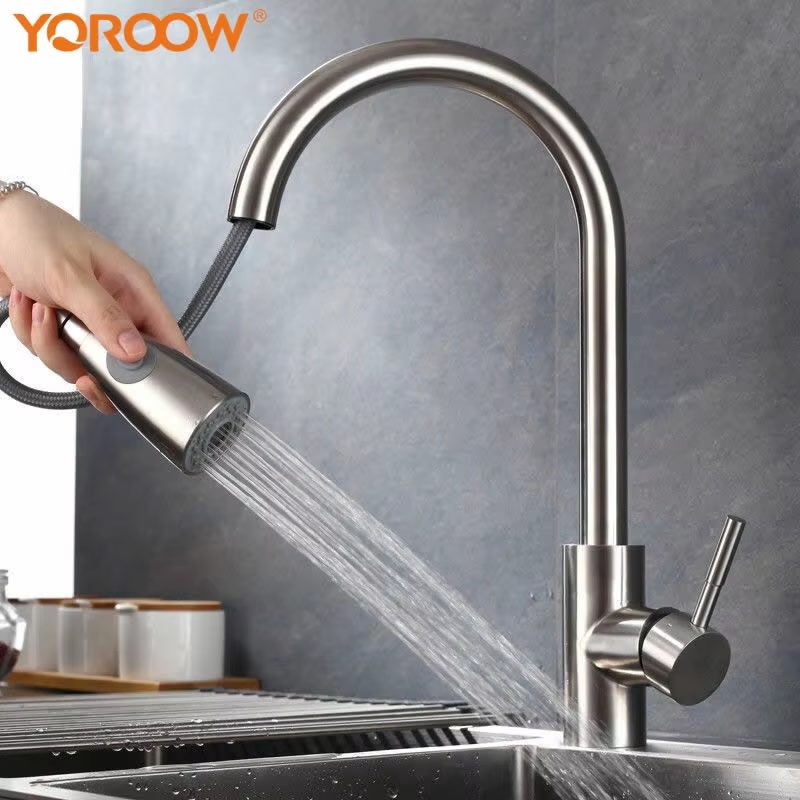
Twin Spray refers to the Spray Head.
A Pull-Out or Pull-Down Kitchen Faucet can switch between different Water Patterns through the same Spray Head. These may include a concentrated stream and a spray mode. The actual modes depend on the specific product structure.
In this case, the function changes the form of the water flow. It does not add a second independent water path.
The two functions of a Dual Function Kitchen Faucet should therefore follow the actual waterway design.
Two Handles, two Spray Modes, and separate outlets for tap water and filtered water all describe different internal structures. The term “Dual Function” cannot replace these specific descriptions.
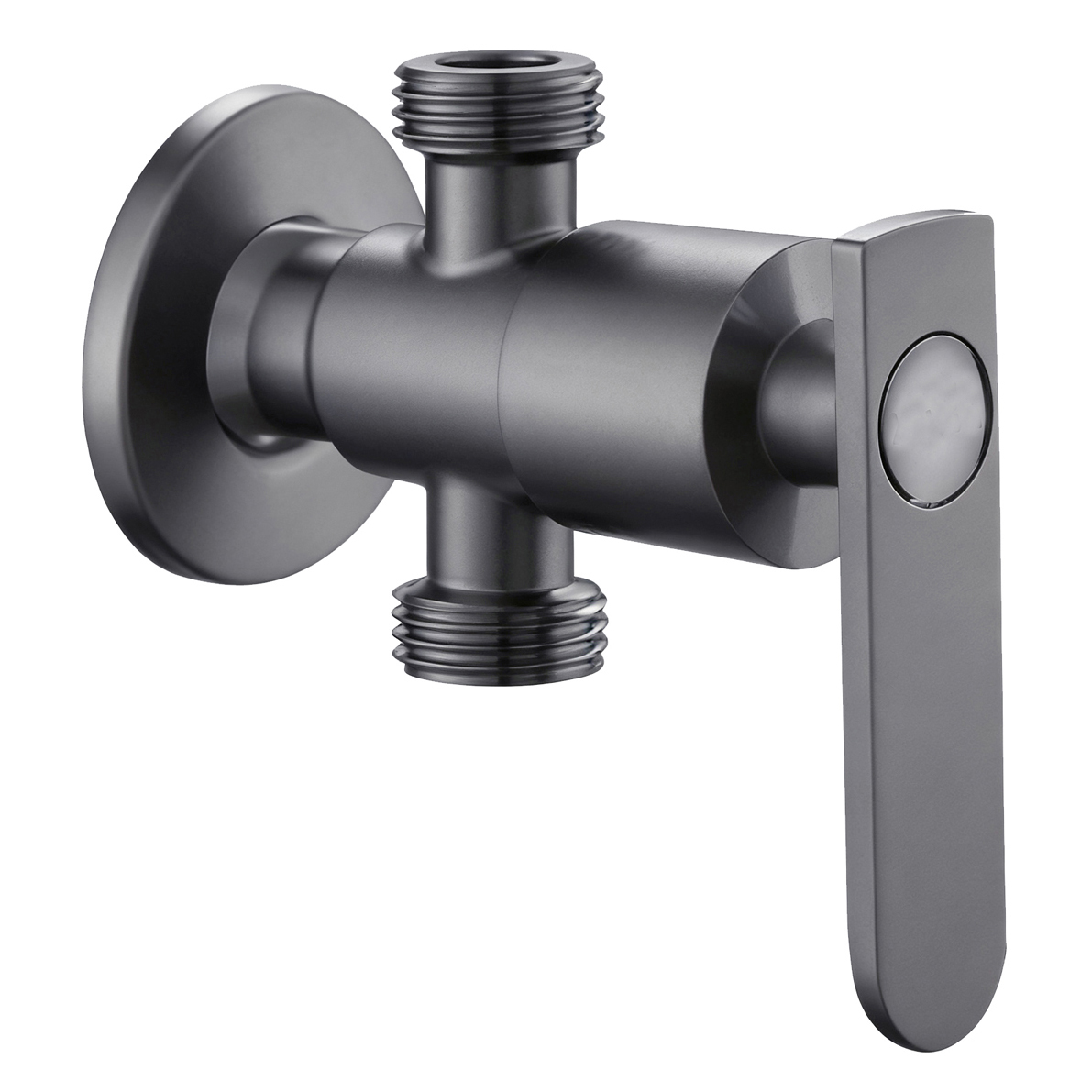
A purchasing comparison sheet can show the cold and hot water inlets, plus any third inlet when present. It can also identify what each Handle controls and whether the product uses separate waterways to prevent the water supplies from mixing.
Retail customers usually want to know where the water comes out after switching functions. Installers need to know how each water path connects.
A clear waterway diagram can help both groups understand the product. It can also reduce incorrect purchases and after-sales explanations.
Dual Flow Requires a Look at the Internal Waterways
Dual Flow differs from the previous two terms. It usually relates more directly to the Water Path.
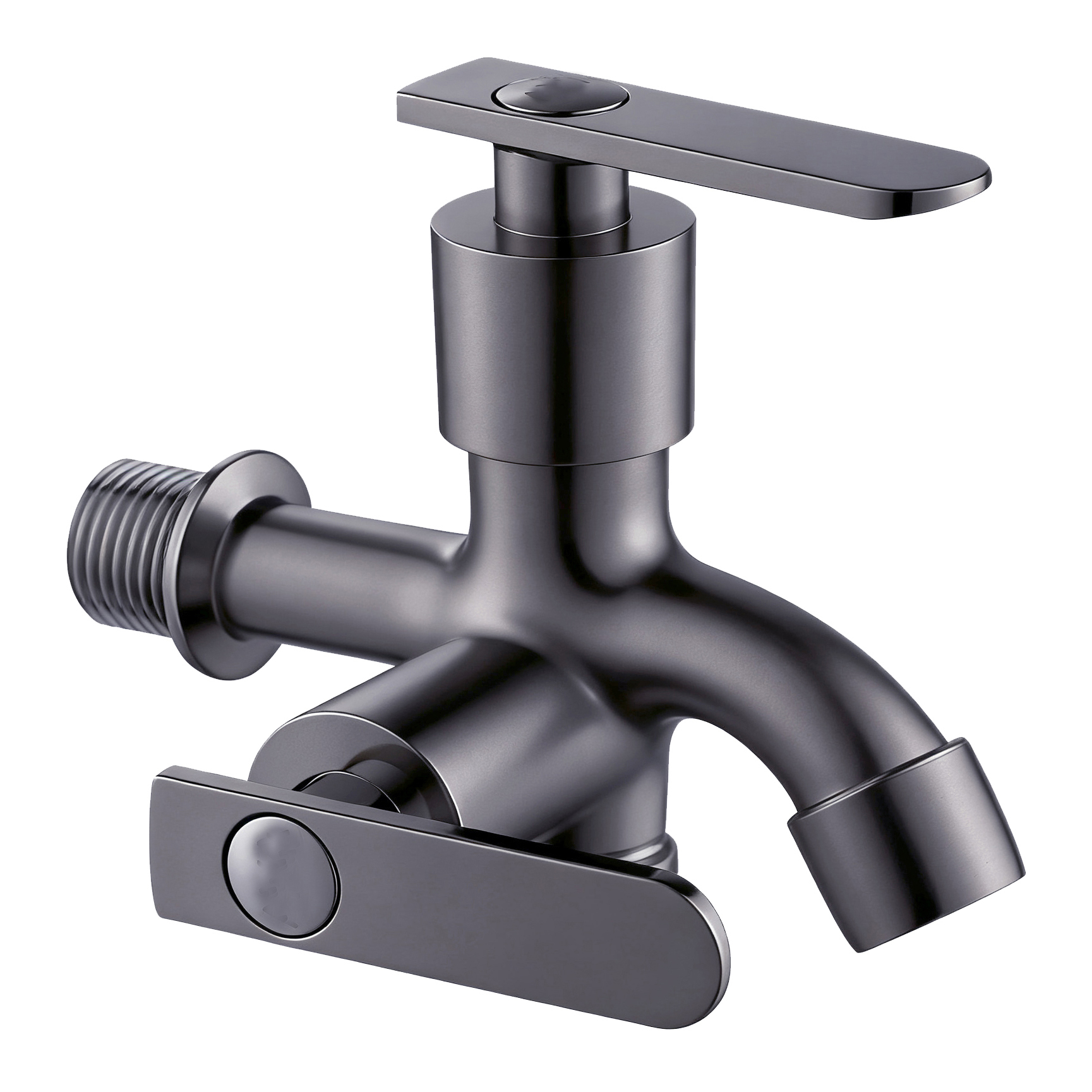
If a Faucet handles both normal tap water and another independent water supply, it may need separate Water Paths.
The actual product design determines whether these waterways remain completely separate. It also determines how users control them and how many Outlets the Faucet uses.
This is why torneira de cozinha com dois bicos de pulverização, Dual Handle, and Dual Flow should not be used as interchangeable terms.
If two water supplies share one Spout, the product information should clearly explain whether any cross-connection exists. This is especially important for filtered-water applications.
The actual waterway structure and the requirements of the target market should determine the technical description.
A straightforward product description could simply state:
2 Handles + 1 Spout
ou
1 Handle + 2 Spray Modes
This information can explain the structure clearly without relying on the broad term “Dual Function.”
If the product does have two independent waterways, the specifications should also identify the corresponding Inlet, Control, and Outlet.
This provides more technical value than simply adding a “Dual Flow” label.
As Torneiras de cozinha add more functions, the terminology does not need to become more complicated.
Separating Handle, Water Path, and Spray Mode is already enough to distinguish most structures described as “Dual.”