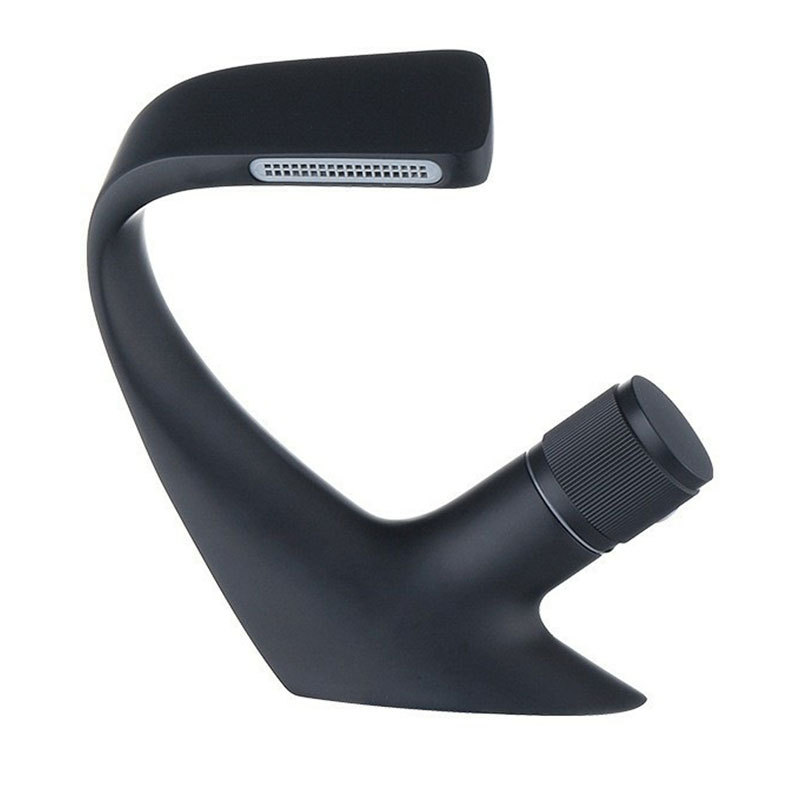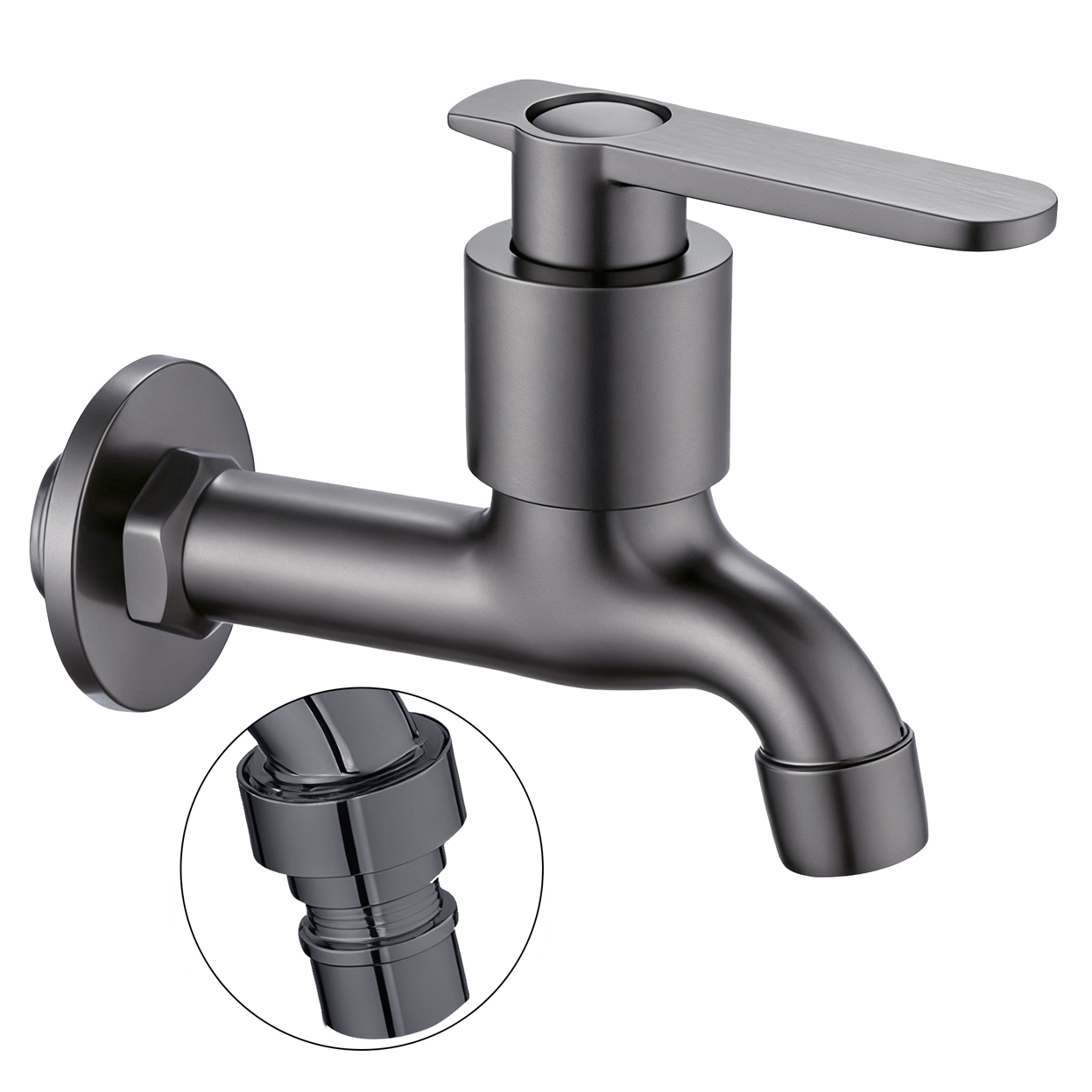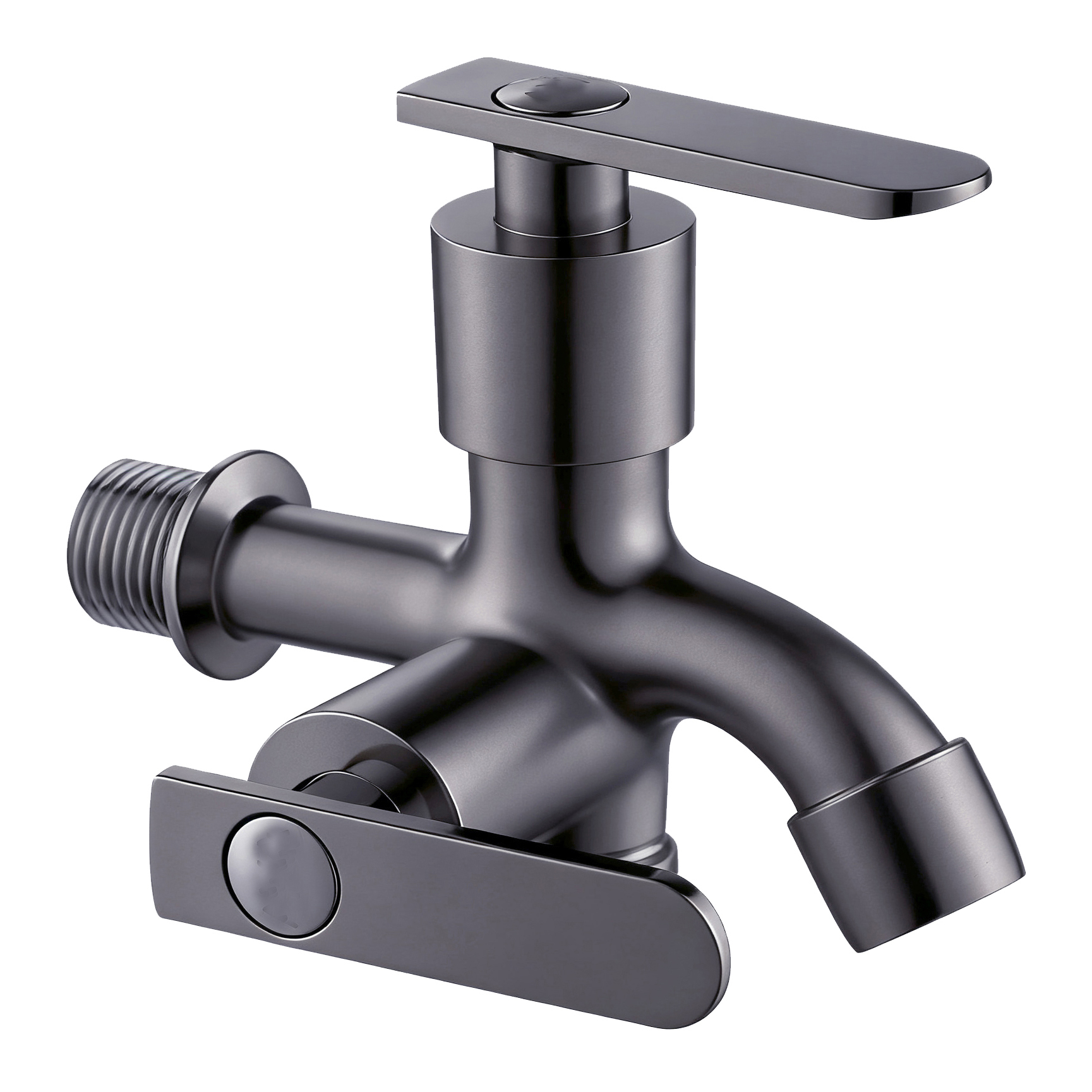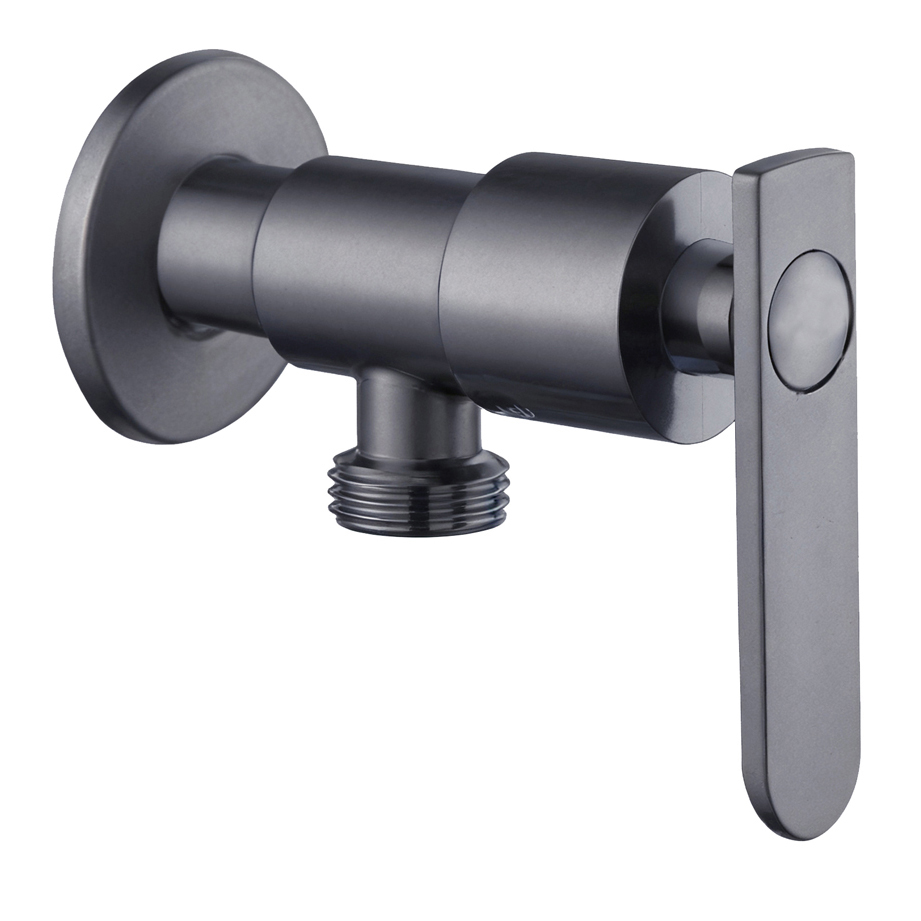




An Economy Tap does not mean reducing every part of a standard product.
For a Budget Water Tap, useful cost control starts by separating two things:
What can be simplified?
And what directly affects whether the product can be installed and used correctly?
This distinction becomes especially important when the product turns into a regular retail SKU.
Simplify Features That the Customer Does Not Need
An economy product can use a more basic shape, fewer decorative parts, a simpler Finish, or a more limited configuration.
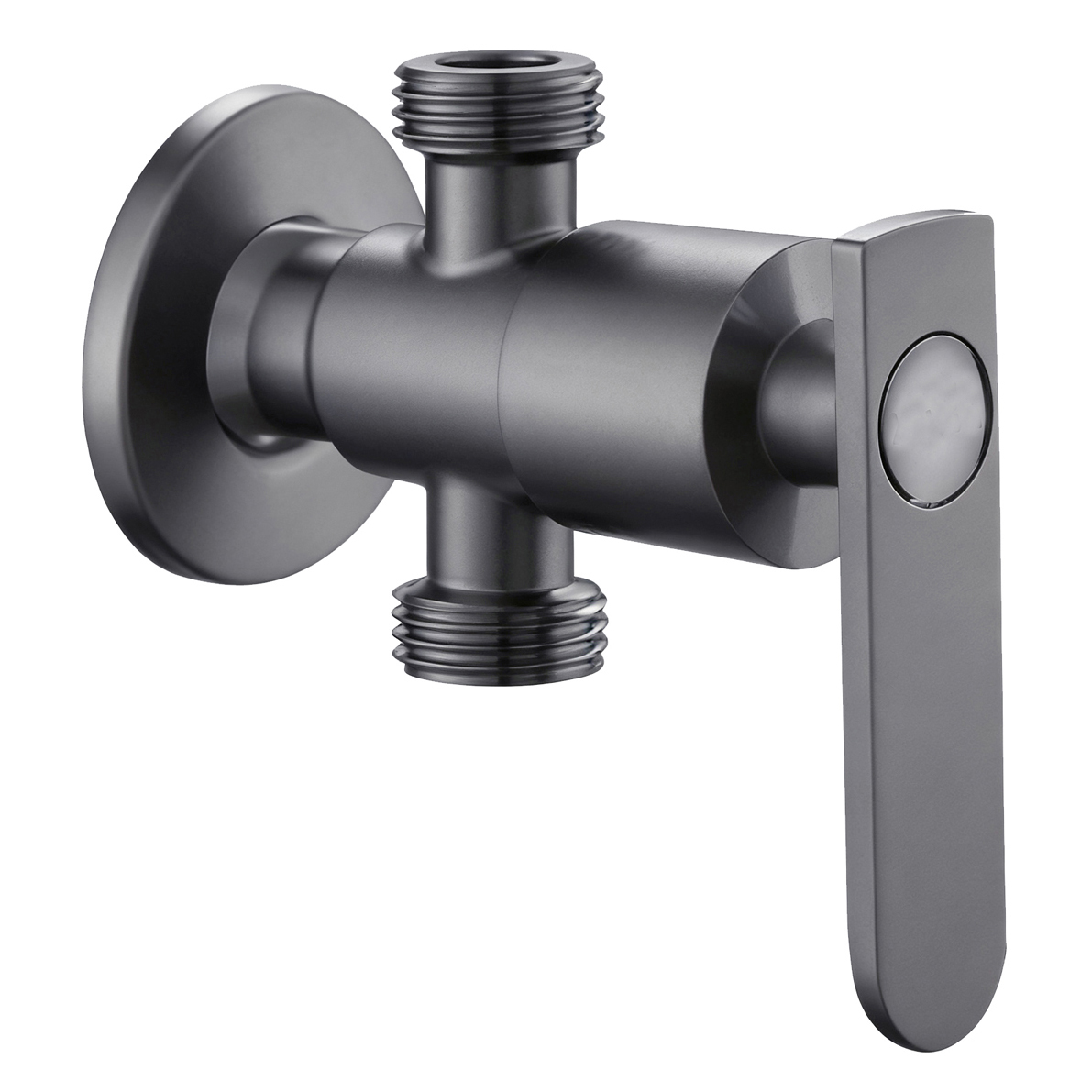
If the goal is an Economic garden tap for basic outdoor water use, there may be little reason to add functions that do not support that use.
Removing unnecessary complexity can make the price position clearer.
Sealing, connections, and basic control components belong to a different category.
Repeatedly changing critical seals, connection structures, or parts that affect normal opening and closing just to reduce cost may change the basic performance of the product itself.
A low-cost retail range should therefore not be evaluated only by asking how much cheaper each unit is.
For a Budget Water Tap, retailers can consider the purchase price together with shelf space, missing accessories, after-sales replacement costs, carton damage, and sales consistency.
For example, one version may have a cheaper faucet body but omit a necessary fitting from the package.
The apparent saving then moves part of the cost to the store.
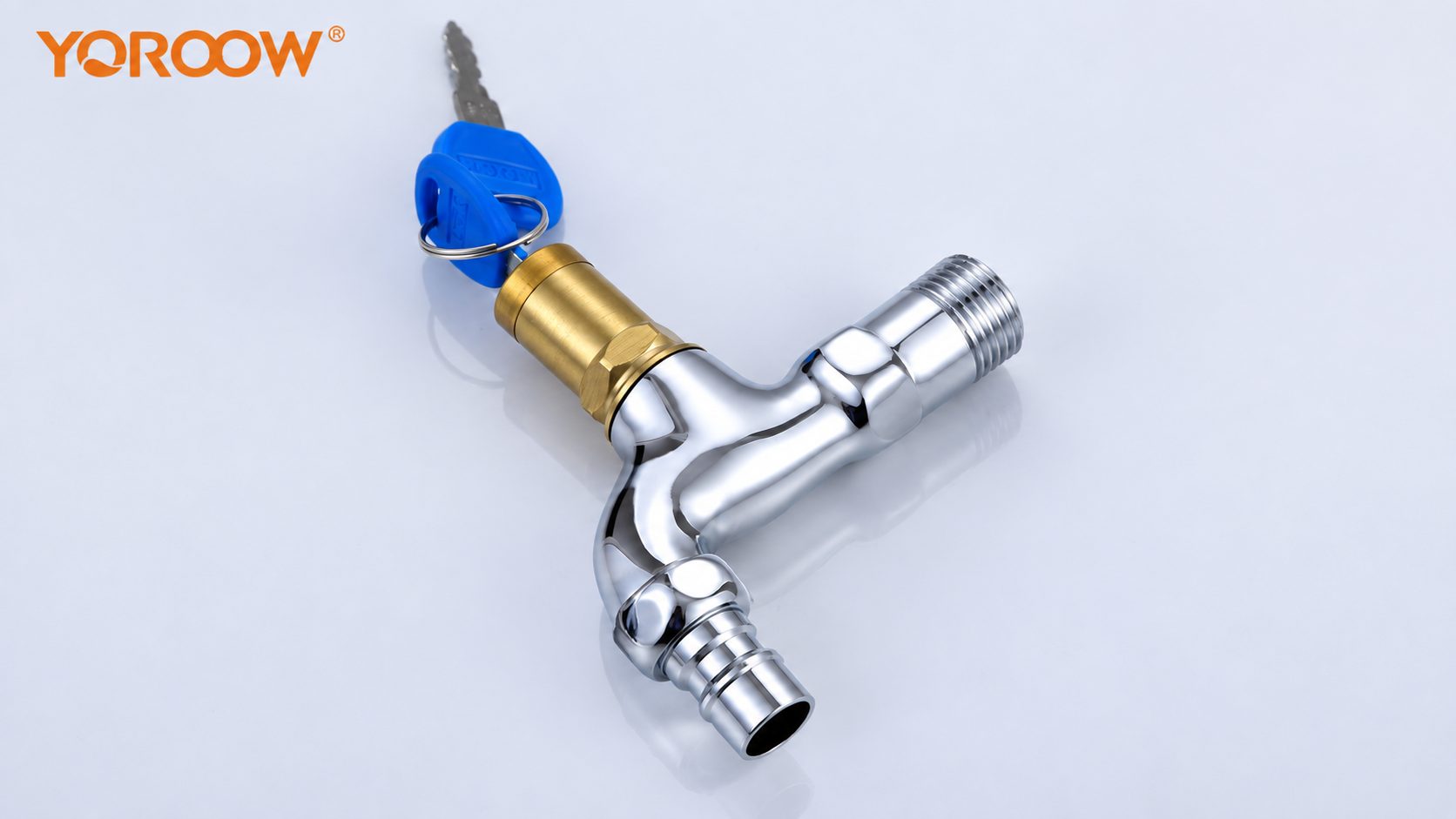
Staff may need to explain the missing component, while customers may need to make another purchase before installation.
An early retail trial can compare return reasons and replenishment speed for the individual SKU.
Retailers can then decide whether additional colors or connection versions deserve expansion.
Using a low price as the main reason to create more SKUs can make inventory management of a basic product more complicated rather than simpler.
Essential Retail Information Is Not an Optional Extra
Economy products can create another common mistake:
The product is inexpensive, so the packaging only needs a name and size.
However, someone buying an Economic hose bib still needs to know the connection specification and installation method.
They also need to know what comes in the package.
A lower price does not make this information less useful.
In fact, basic taps often serve as replacement products.
A shopper may be looking for a direct replacement for an existing tap.
In this situation, clear connection and specification information provides more value than decorative marketing language.
Later Batches Need to Follow the Same Cost Boundary
Slow-moving inventory for a basic product can hide across several small variations.
Before adding three colors, two handle designs, and two thread options, retailers should ask whether each variation has a clear purchasing reason.
ANAMACO estimates that Brazil’s building-material retail sector generated R$238.9 billion in revenue in 2025.
This figure covers many categories of building materials.
It is not a water-tap sales figure and should not be used as the market size for Budget Water Tap products.
For a low-cost SKU, store-level sales, out-of-stock days, and after-sales costs provide more direct purchasing information.
Industry-level data can help identify whether a channel deserves further study, but it cannot replace a store-level margin calculation for a specific product. [1]
Once an Economy Tap enters chain retail, another question becomes important:
Does the first batch follow the same definition of “economy” as later batches?
The first batch may reduce cost through a simpler design.
If the second batch also changes the connections and the third changes the sealing structure, the same SKU gradually becomes several different product versions.
Long-term control of an economy product does not mean that every detail must remain unchanged forever.
It means defining the boundary in advance.
Some changes are simply cost optimization.
Others change the product specification, installation requirements, or basic reliability.
A lower price can come from a simpler product.
It should not come from continuously moving the product’s basic requirements.