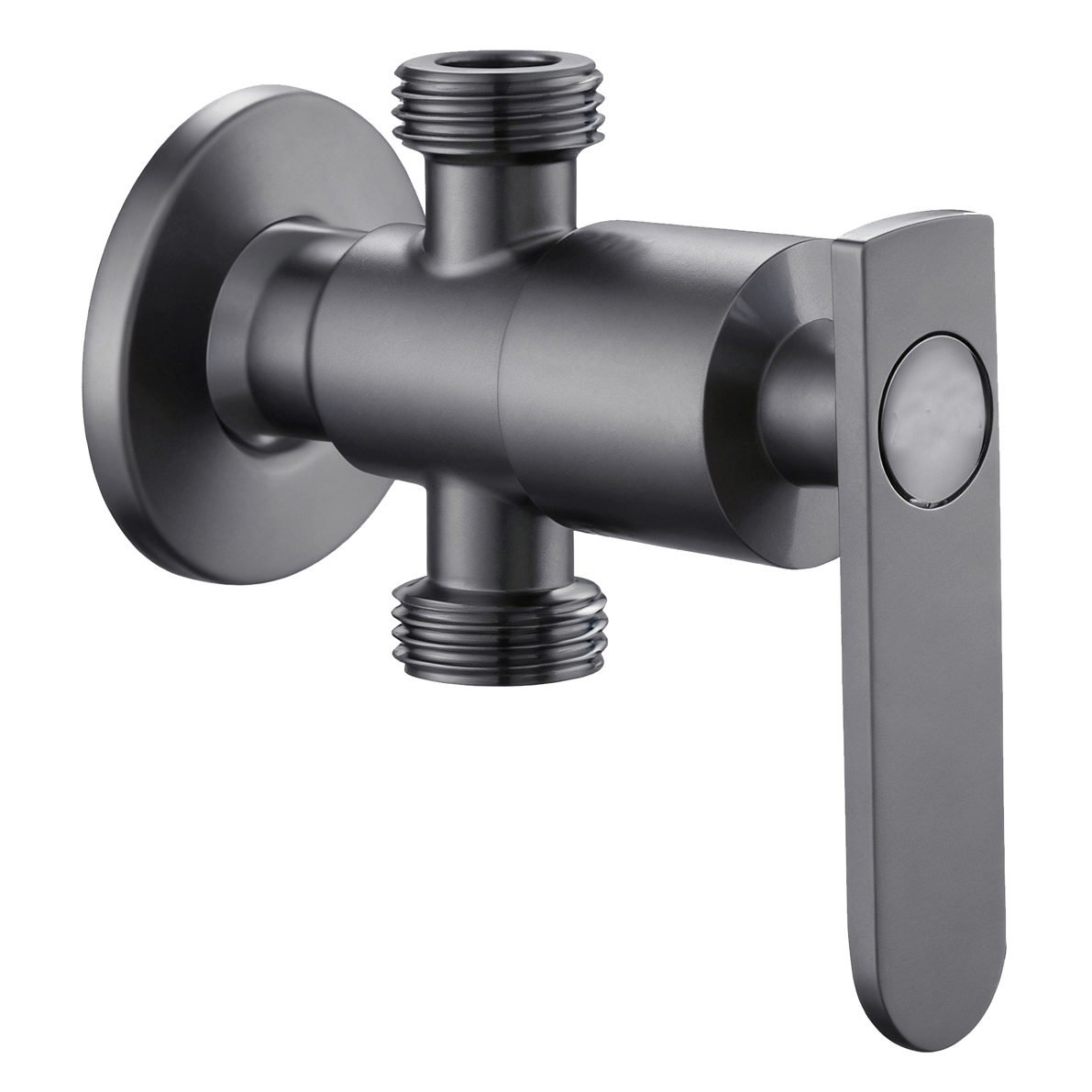



Giving different faucets the same color does not automatically turn them into a product series.
What creates a recognizable series is a set of shared design characteristics that can be identified across different products.
Design Language Should Come From Form, Not Just Finish
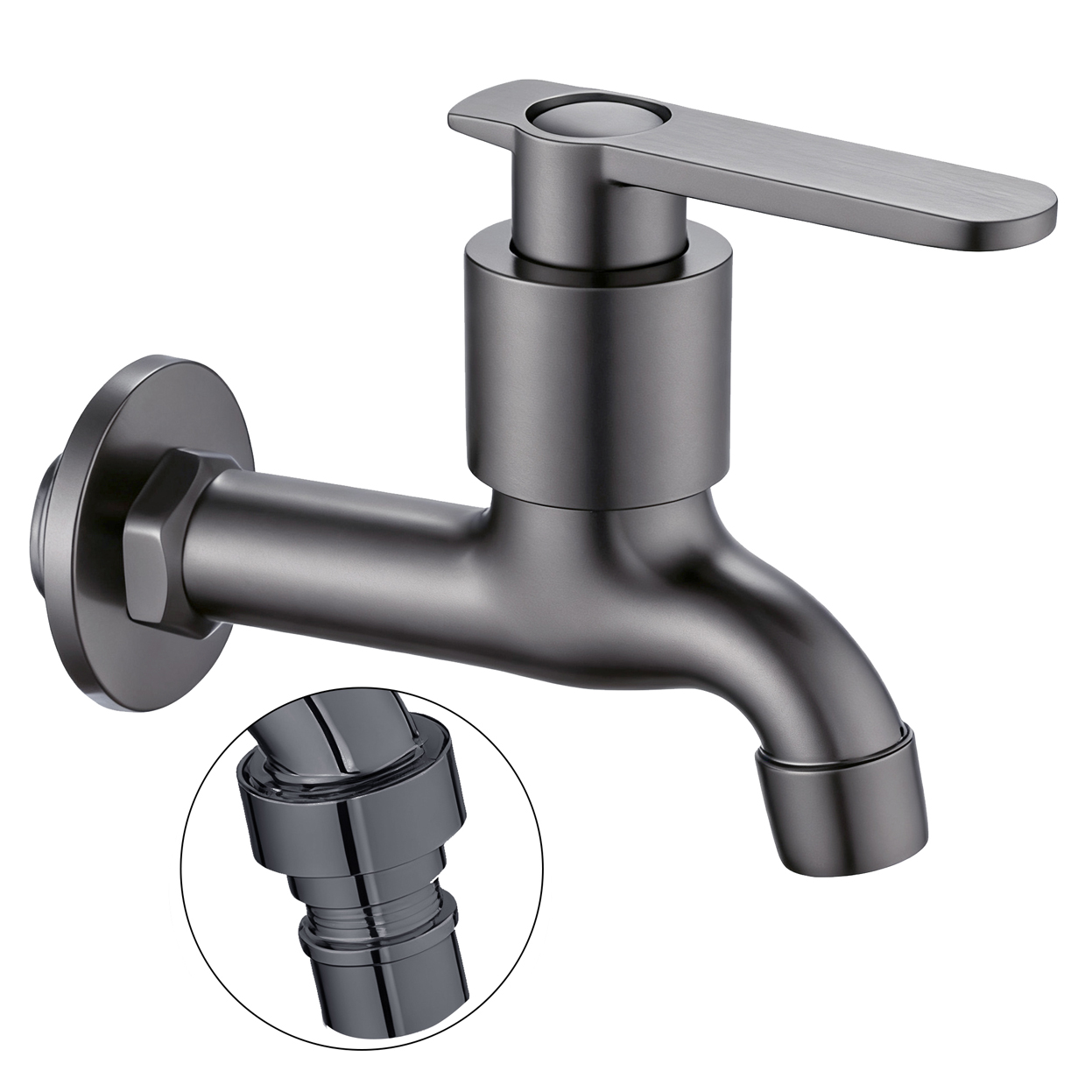
Take a Square Water Tap as an example. The “Square” identity should come from its geometric language rather than simply from the product name.
Straight lines on the body, handle profiles, edge treatment, outlet shape and the proportions between components can all become shared design elements.
When a basic square water tap extends into a square garden tap, the two products may have different structures and applications. There is no need to make every component identical.
What matters more is keeping enough common design features to make the relationship clear.
Functional Changes Should Not Remove the Series Identity
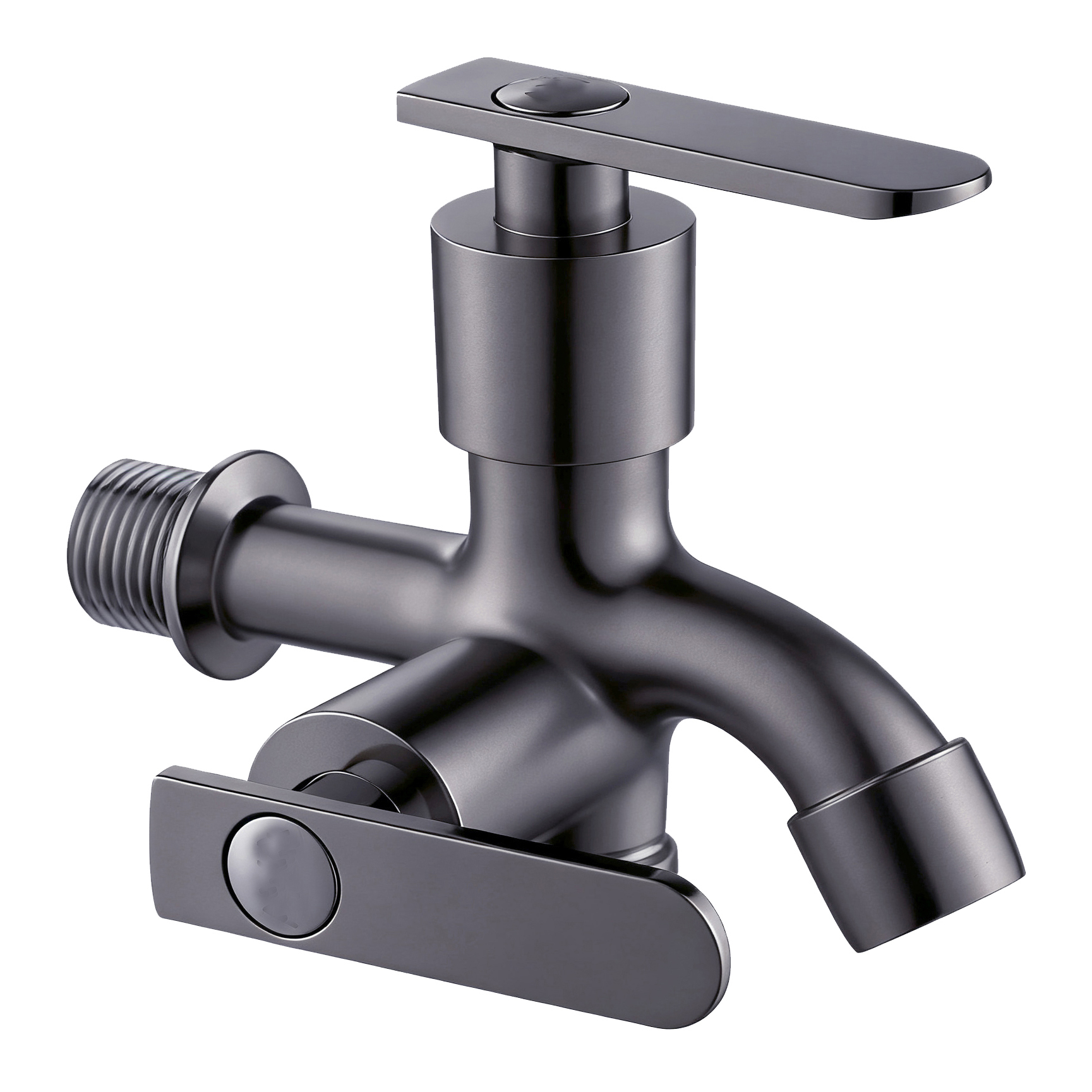
Adding a square 2-way tap introduces another water outlet, so the body structure and controls may need to change.
When developing a series with different functions, it helps to define which design elements should remain consistent before applying them across individual SKUs.
For example, the basic geometry of the handle, straight-line relationships of the body, edge treatment and key proportions can remain part of the series identity. Connections, control positions or local structures that must change for functional reasons do not need to stay identical simply for visual consistency.
For OEM/ODM development, these design characteristics can also be reviewed with a China faucet factory during structural development and sample confirmation.
The goal is not to make every product use the same structure. It is to prevent functional changes from gradually weakening the original series identity as the design moves from concept to actual samples.
Products in the Same Series Can Be Different, but They Need a Clear Relationship
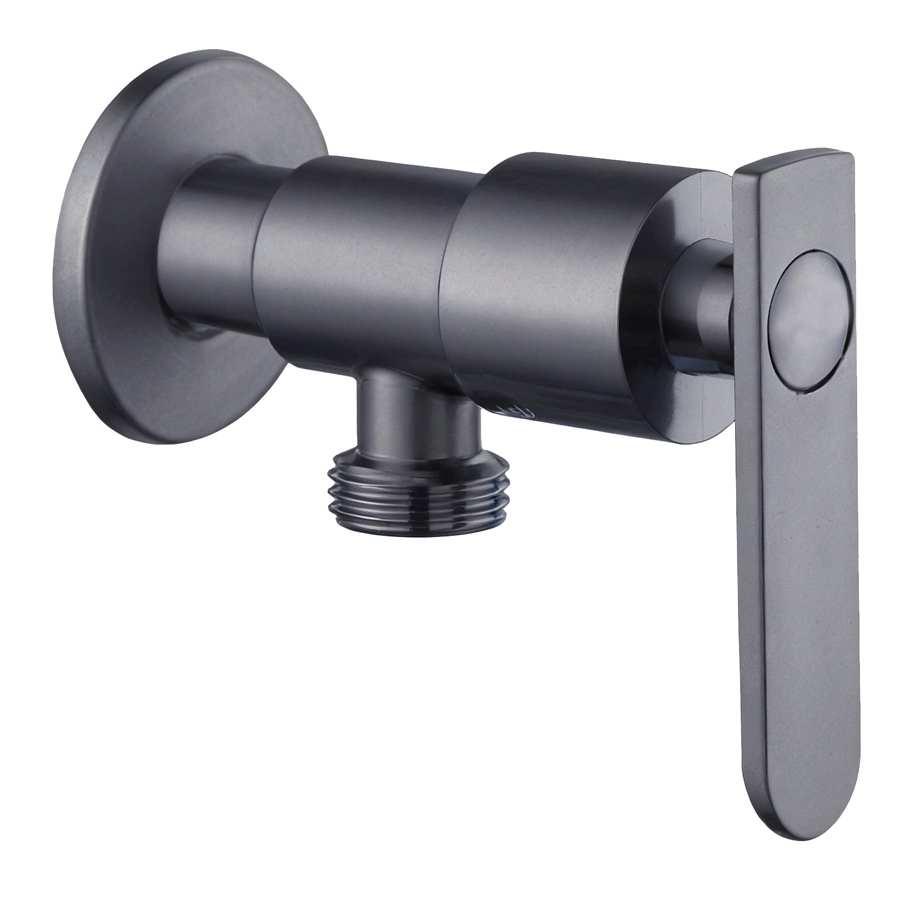
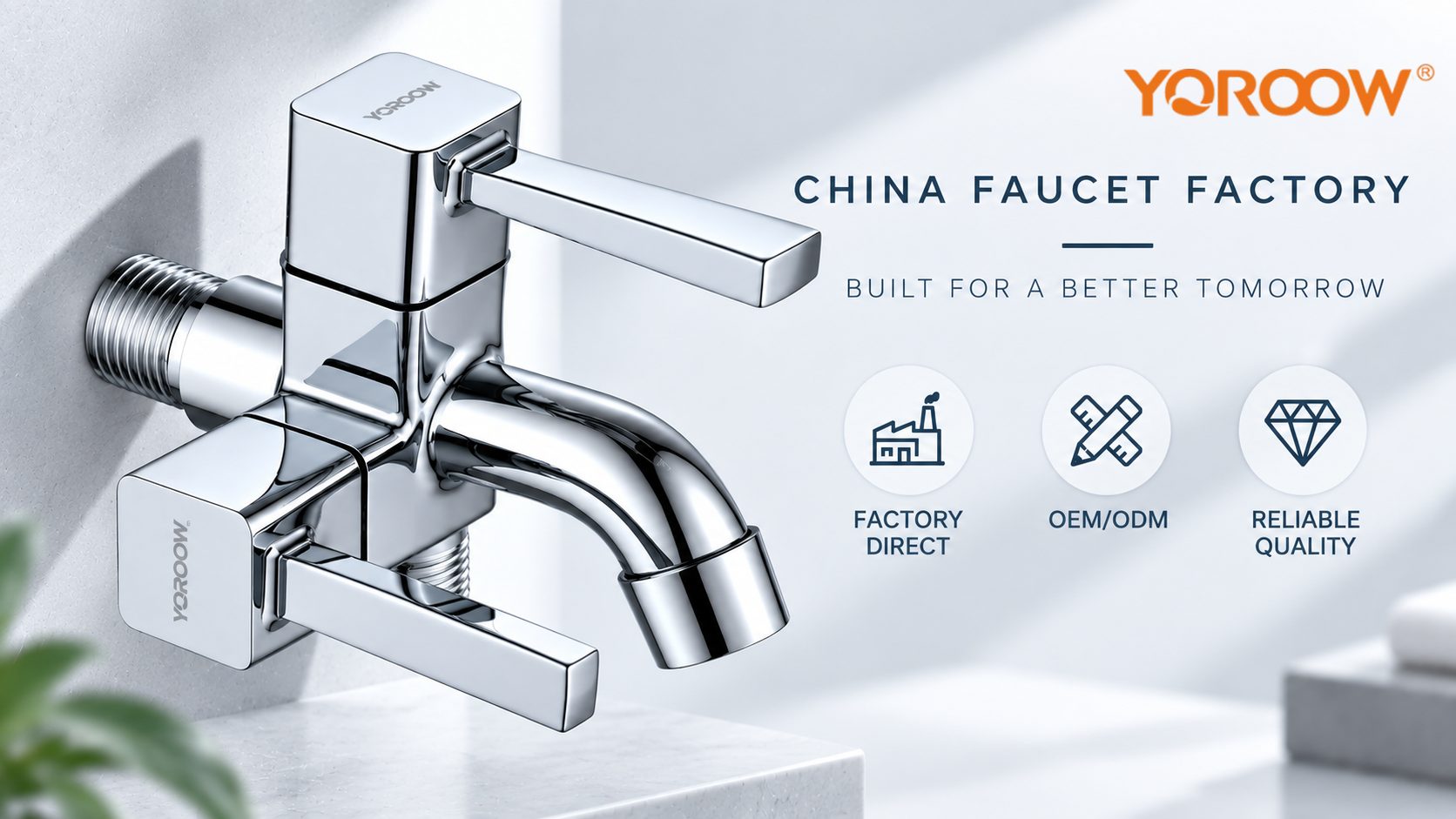
A series can include a square bibcock, garden tap and 2-way tap. They do not need to look as if they came from the same mold, but they should follow a recognizable set of design principles.
Finish can strengthen this relationship, but it should not carry the entire design identity.
One useful way to evaluate consistency is to temporarily ignore color and compare the silhouettes, handles, body proportions and main lines of different products.
If the SKUs no longer share any recognizable characteristics once the color is removed, the series may not yet have a strong design language.
On the other hand, if products with different functions can still be recognized as members of the same series through several consistent design elements, functional variation and design consistency can work together.