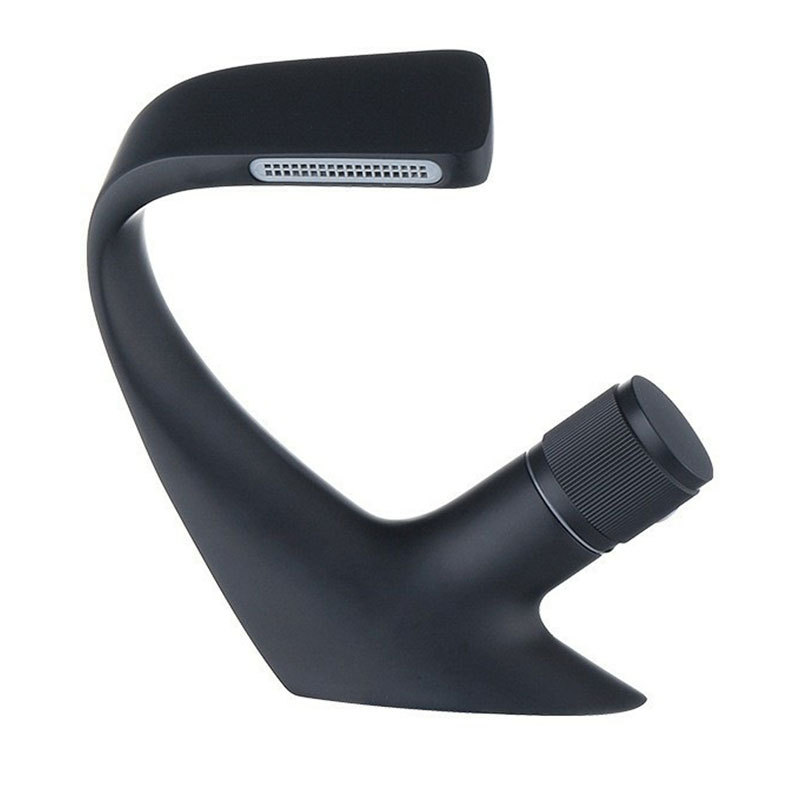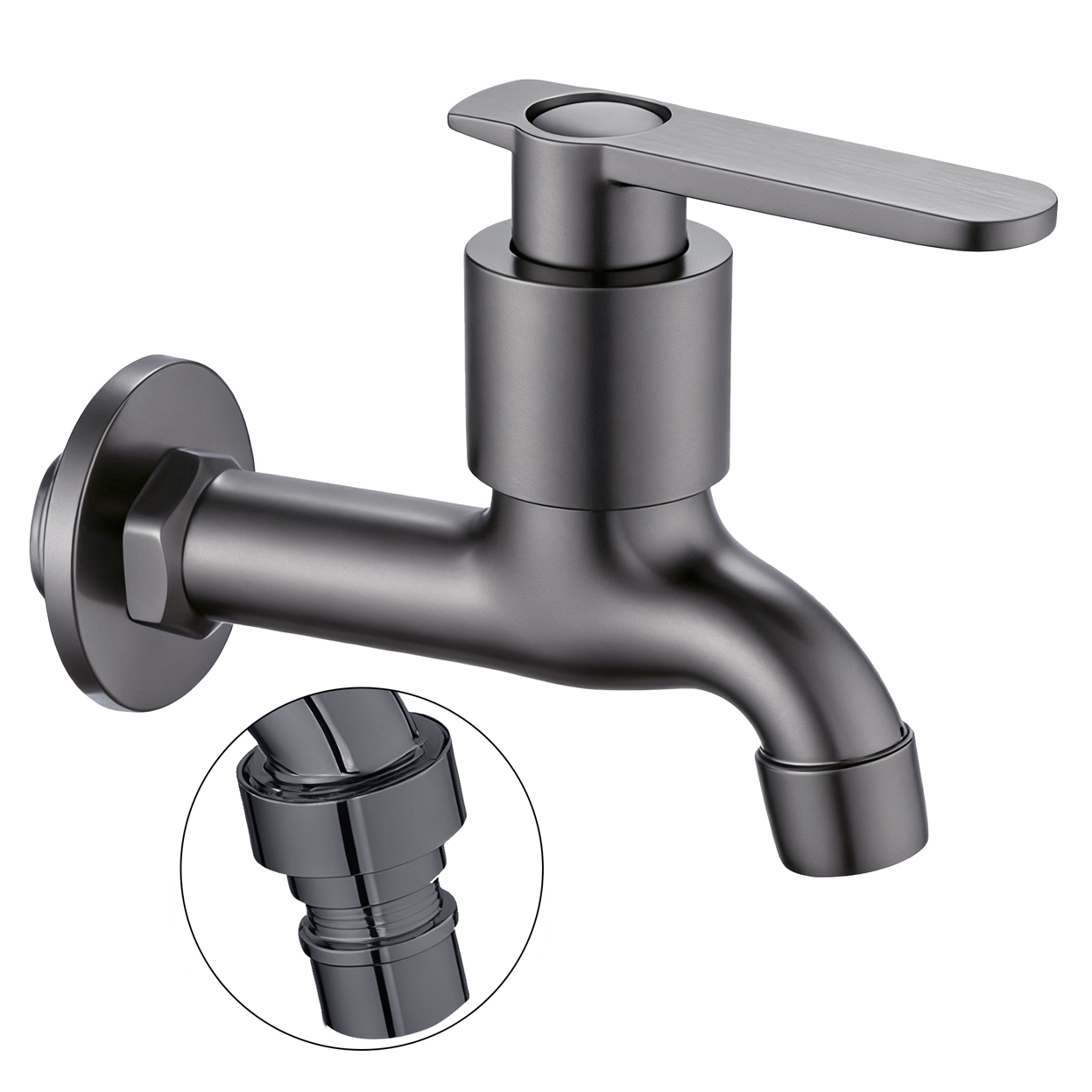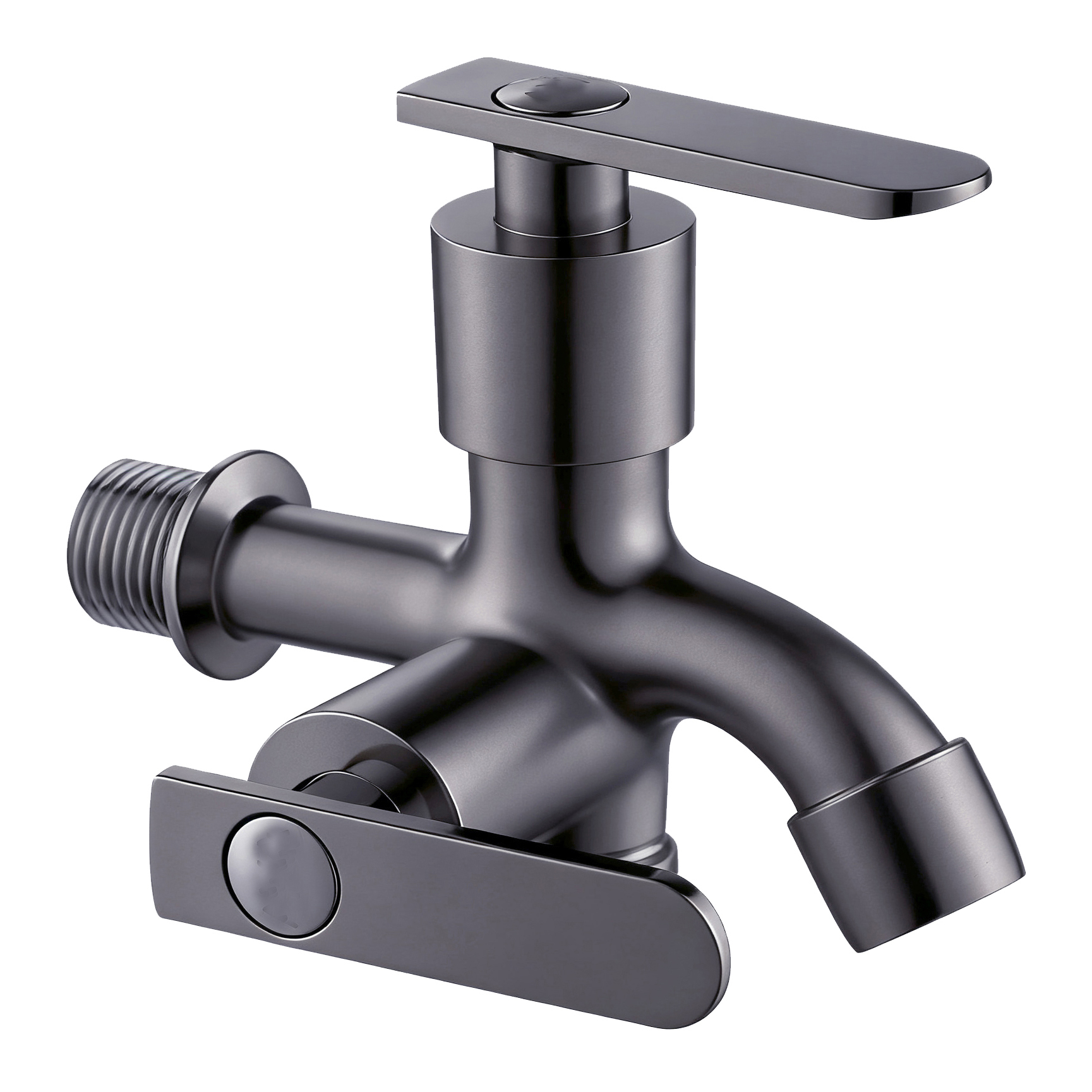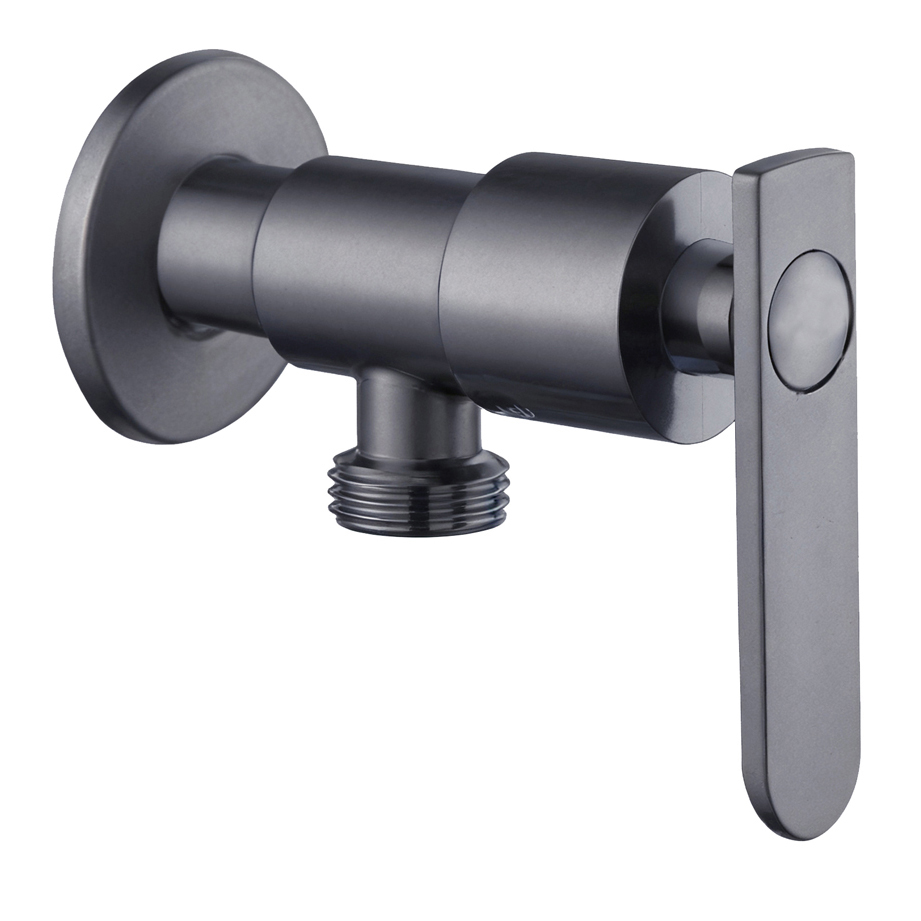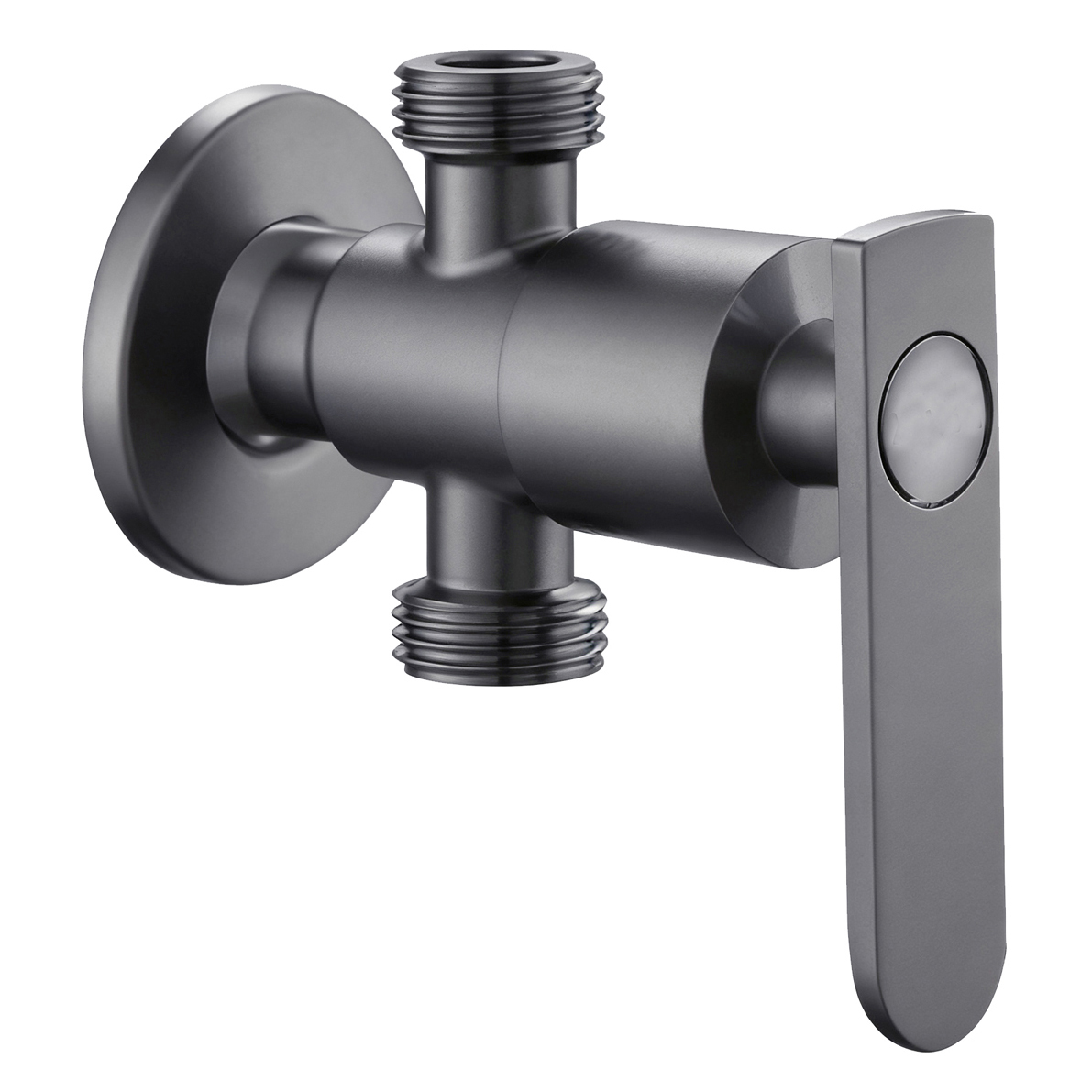




When Copper, Bronze, and Brass appear together in bathroom product descriptions, they can create a specific type of retail confusion.
Shoppers may see a metallic color but understand it as the material used for the faucet body.
For a Copper Shower Faucet, this distinction needs to be clear.
A product with a Copper appearance does not necessarily have a Solid Copper body. In the same way, a Bronze appearance does not mean the entire product consists of Bronze.
Finish answers the question, “What does the surface look like?”
Material answers, “What is the product made of?”
These are two different types of product information.
Base Material describes the material used for the main body or related components.
Finish / Surface Treatment describes the final color, texture, or treatment of the product surface.
For this reason, the word “plated” matters in a description such as bronze plated bath faucet. It tells shoppers that the Bronze description refers to the surface layer. It does not directly describe the material of the entire faucet body.
Products may also use PVD, electroplating, coating, or other surface processes. The actual product specifications should identify the process. The color name alone cannot confirm it.
A Copper Shower Faucet and a bronze plated bath faucet may refer to surface color, plating, or body material in different cases.
During sample inspection, buyers can list the materials of visible surfaces, internal pressure-bearing components, and handles separately. This helps prevent “copper color” from being misunderstood as “solid copper.”
The voluntary assessment scope for general plumbing products under Brazil’s INMETRO does not mean that one certification applies to every product. For export shower sets, the importer should still check market-entry requirements according to the actual product functions.
If a store displays several metallic finishes together, listing Material and Finish on separate lines can also make price comparisons more factual. [1]
Why Is This Confusion More Common on Physical Retail Shelves?
Because shoppers see the surface first.
When Chrome, Brushed Gold, Copper, and Bronze products appear side by side, Finish becomes the most obvious point of comparison. The body material usually remains hidden inside the product or appears only in the packaging specifications.
Labels such as “Copper Faucet” or “Bronze Faucet” can have more than one meaning.
If the label does not separately identify Body Material and Finish, shoppers may also misunderstand the reason for a price difference.
They may assume that two faucets have different prices because they use different metals. In reality, the difference may come from the Finish, body material, structure, or other configurations.
A brass body and a copper-colored surface can exist in the same product, but the specifications should identify them separately.
Any claims about color changes, cleaning methods, or corrosion resistance should also match the actual surface tests performed on that finish.
More accurate retail information can therefore separate the two directly:
Material do corpo: actual material used
Acabamento: actual surface information, such as Copper / Bronze / Brushed Gold
A Finish name should not replace the material specification.
This distinction also affects expectations after purchase.
Shoppers need accurate surface information to understand how to clean the product, what long-term color changes to expect, and how to find matching products with the same Finish.
From the manufacturing side, YOROOW should also confirm Material and Finish as separate fields when providing specific product information. The two should not be combined simply because the final products have a similar color.
This distinction is simple, but it solves a practical retail problem.
Shoppers see the color first. The product label needs to tell them whether that color describes the surface or the material of the product itself.