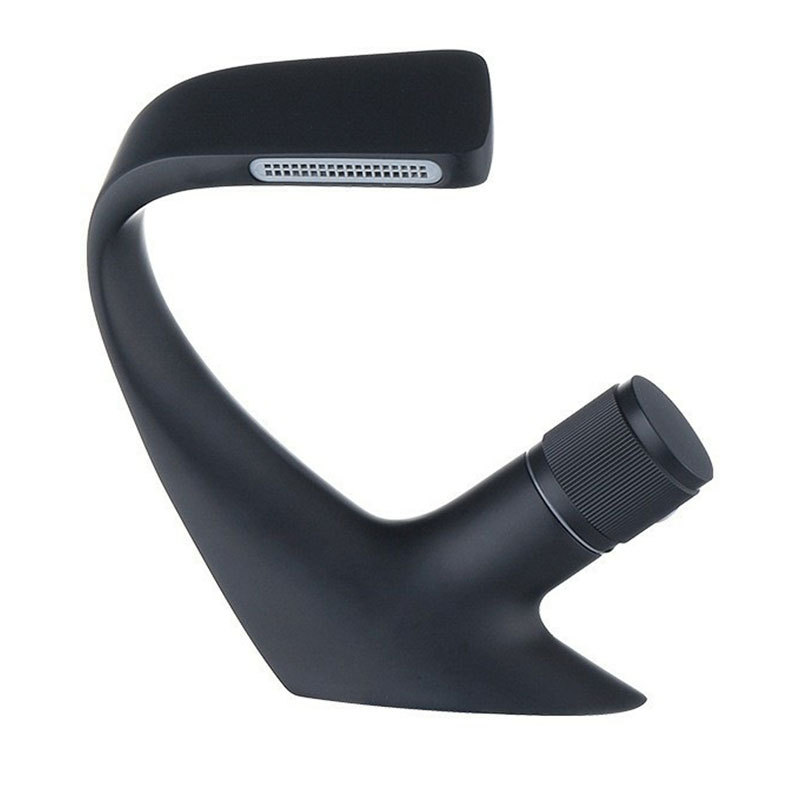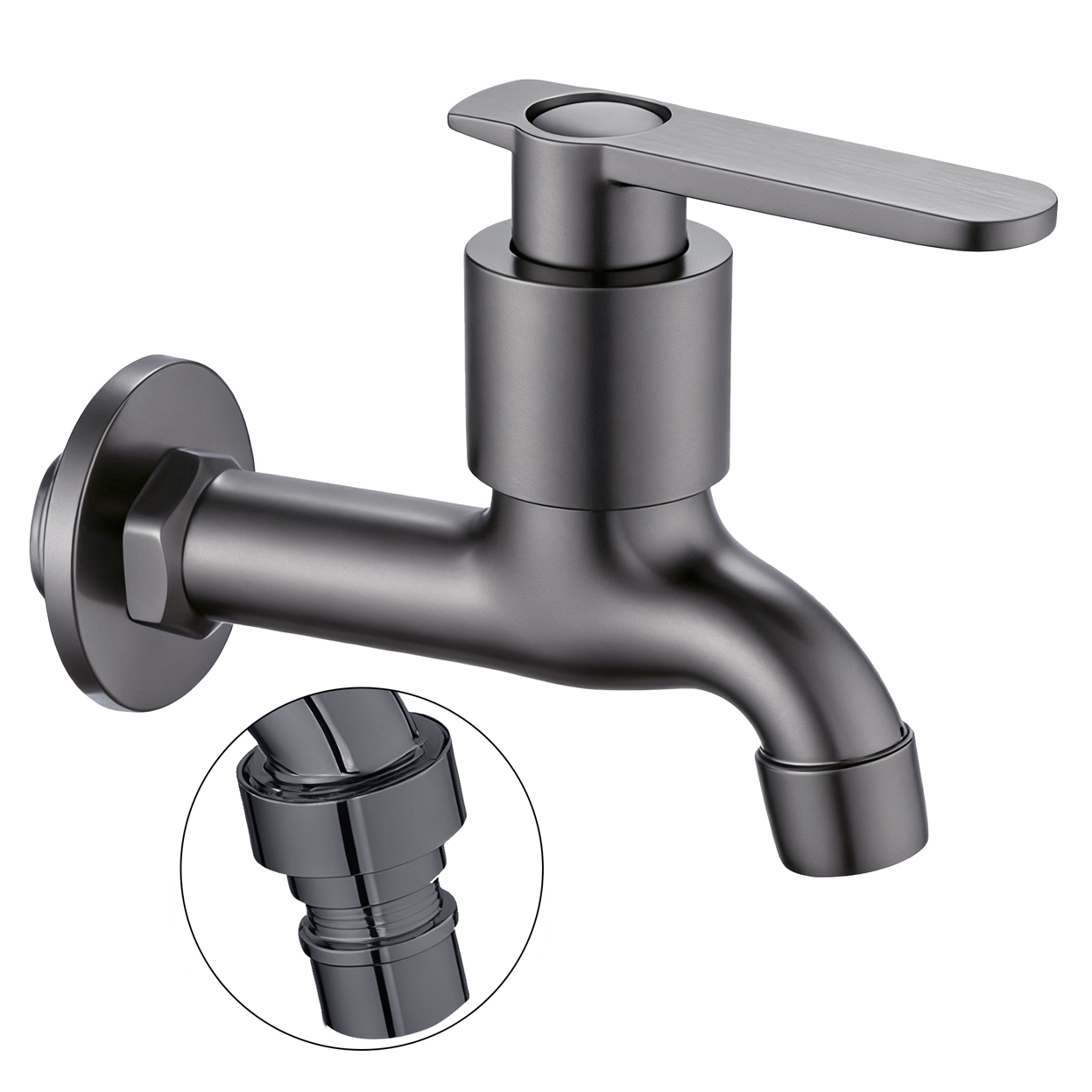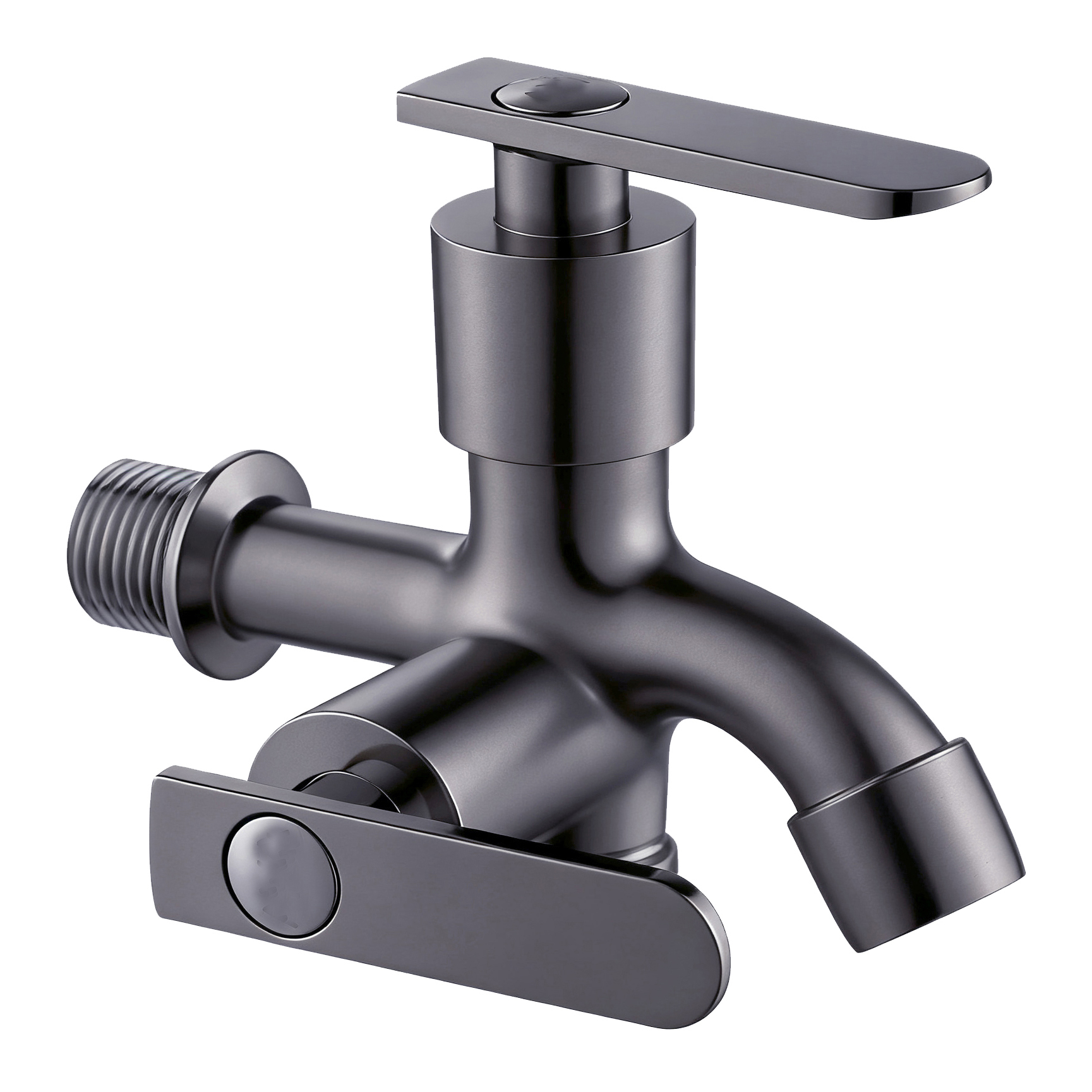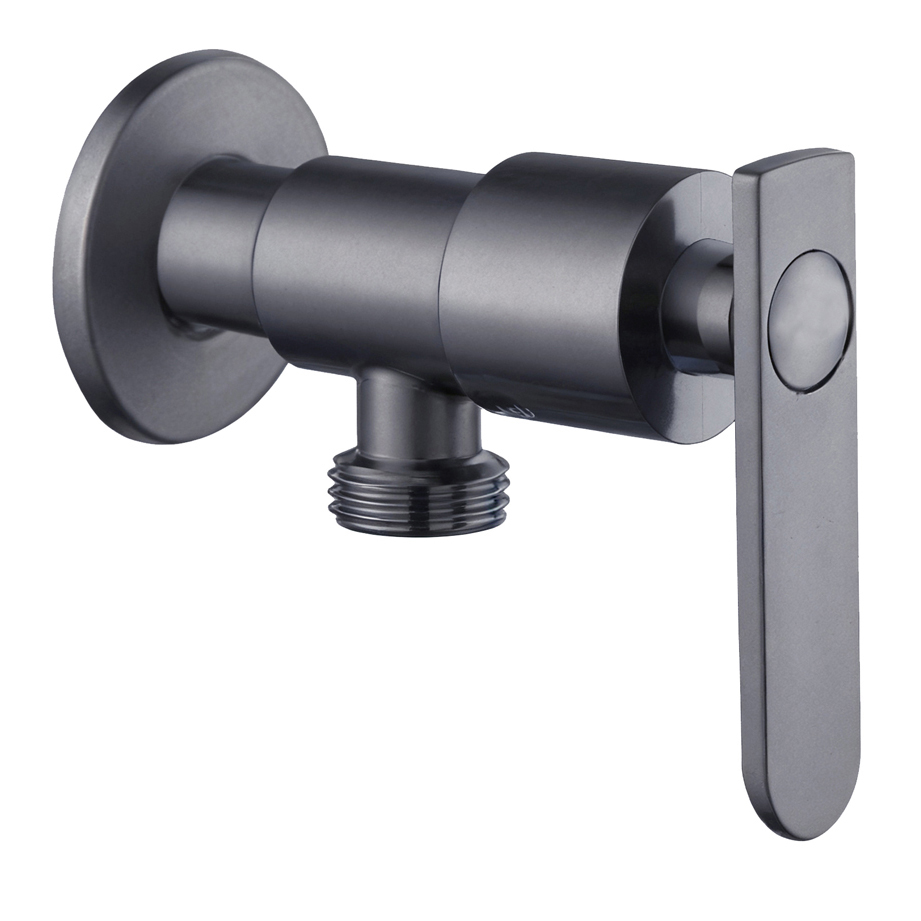




A high-arc kitchen faucet may look almost the same on a retail shelf whether it serves a home kitchen or a commercial workstation.
Once an inquiry comes from a restaurant, kitchen equipment company, or commercial renovation project, appearance alone is no longer enough.
Similar designs do not always mean similar usage frequency, cleaning tasks, or installation conditions.
Homeowners can often choose a kitchen faucet by looking at sink size, design, price, and basic functions.
Professional customers asking about an Industrial Kitchen Faucet usually need different information.
They need to know whether the faucet can handle a specific cleaning task and work with the existing kitchen equipment.
A High-Arc Design Does Not Automatically Mean Commercial Use
Many household kitchen faucets use a high spout.
The extra height gives users more space for washing pots and larger cookware.
Because of this, retailers can easily confuse a household high-arc faucet with a washing sink faucet industrial for kitchen if they classify products only by appearance.
Commercial kitchens require a closer look at the actual operating environment.
NSF standards for commercial food equipment cover areas such as materials, design, construction, sanitation, and performance.
Its Plumbing Fixtures category also includes commercial kitchen faucets and pre-rinse spray valves.
The NSF certification database also describes Commercial Kitchen and Bar Endpoint Devices as water-delivery products used in high-volume restaurants or food preparation environments.
These references do not prove that a specific Industrial Kitchen Faucet automatically meets a particular certification.
They do show why “commercial kitchen” should not serve only as a marketing label.
Professional applications require buyers to evaluate the faucet together with the workstation.
Start With the Task at Each Workstation
Different areas of a restaurant kitchen may perform very different tasks.
One sink may handle light rinsing.
Another may need to clean large pots or containers.
A separate workstation may require a much wider operating range.
In these situations, basic retail claims such as “360° swivel” or “high-arc design” provide limited help.
Professional product information should explain how the faucet works with the workstation.
Spout height and reach affect where the water lands inside the sink.
The mounting method determines whether the faucet fits the existing sink deck or backsplash.
The hose and spray head range determine how much of the washing area the operator can reach.
Kitchen operators can also evaluate each workstation separately.
A pre-rinse sink may require frequent spray-head movement.
A food preparation station may care more about water outlet position and nearby equipment.
Before approving an Industrial Kitchen Faucet sample, buyers can record several conditions on the same sheet.
These may include spray-head parking height, hose reach, sink dimensions, and site water pressure.
The actual operator should also confirm cleaning procedures and expected wear on replaceable parts.
NSF food equipment standards and plumbing fixture certification follow different evaluation paths.
Using a faucet in a restaurant does not automatically mean that one specific certification applies to it. [1]
None of these parameters are especially complicated.
The difference lies in how buyers use them.
Retail specifications describe what the product is.
Professional project information should also explain what the product can do at a specific workstation.
Usage Frequency Should Also Affect Product Selection
A household kitchen faucet may operate many times during the day.
A commercial kitchen can place much heavier and more repetitive demands on the same moving parts.
For this reason, retailers should not assume that a household product can replace an robinet de cuisine industriel simply because the two look similar.
They need to examine the parts that receive frequent movement.
These may include the cartridge, handle, swivel joint, hose, and spray head.
Buyers should also confirm the relevant standards or certifications for the target market.
NSF/ANSI 2 addresses sanitary requirements for food equipment, including materials, design, construction, and performance.
NSF/ANSI 51 covers materials and surfaces used in commercial foodservice equipment.
One distinction is especially important.
If a sink or another piece of kitchen equipment meets a commercial standard, that does not automatically give the connected faucet the same compliance status.
Buyers still need to verify certifications and applicable standards for the specific faucet model and destination market.
Retailers Often Need Better Product Information, Not More SKUs
Professional customers need different information.
That does not mean retailers must build a completely separate commercial kitchen faucet range.
A better first step is to separate existing products by actual use.
Which models are simply high-arc household kitchen faucets?
Which structures can handle repeated commercial cleaning tasks?
Which products include complete installation dimensions and component information?
Which models can support continued replenishment?
Which markets require additional certification or regulatory checks?
Once retailers clarify these points, sales teams no longer need to guess product suitability from photos.
Hose movement also deserves attention in professional kitchens.
A spray hose may repeatedly rub against sharp worktop edges, sink structures, counterweights, or cabinet parts.
Installers should test these conditions together before confirming the product.
The cleaning task should come first.
Only then can buyers decide whether they need a longer hose, another spray pattern, or a separate pre-rinse system.
Professional kitchens also care about what happens when a component fails.
If the hose, spray head, or cartridge uses replaceable parts, procurement documents can list the part numbers and suggested stock arrangements.
However, replaceable parts do not guarantee that every repair can happen during normal business hours.
A more useful test is to observe actual use.
Operators can record the most frequent water-use actions during a working day.
Installers can also identify mounting points that are difficult to access.
The team can then compare two faucets at the same workstation.
They can look at spray-head pickup, return movement, corner rinsing, and worktop cleaning.
This gives a better comparison than simply looking at faucet size or advertised spray modes.
If the first sample does not suit the sink, the better solution may be to change the faucet structure.
Adding complicated after-sales instructions just to keep an unsuitable SKU usually creates more problems later.
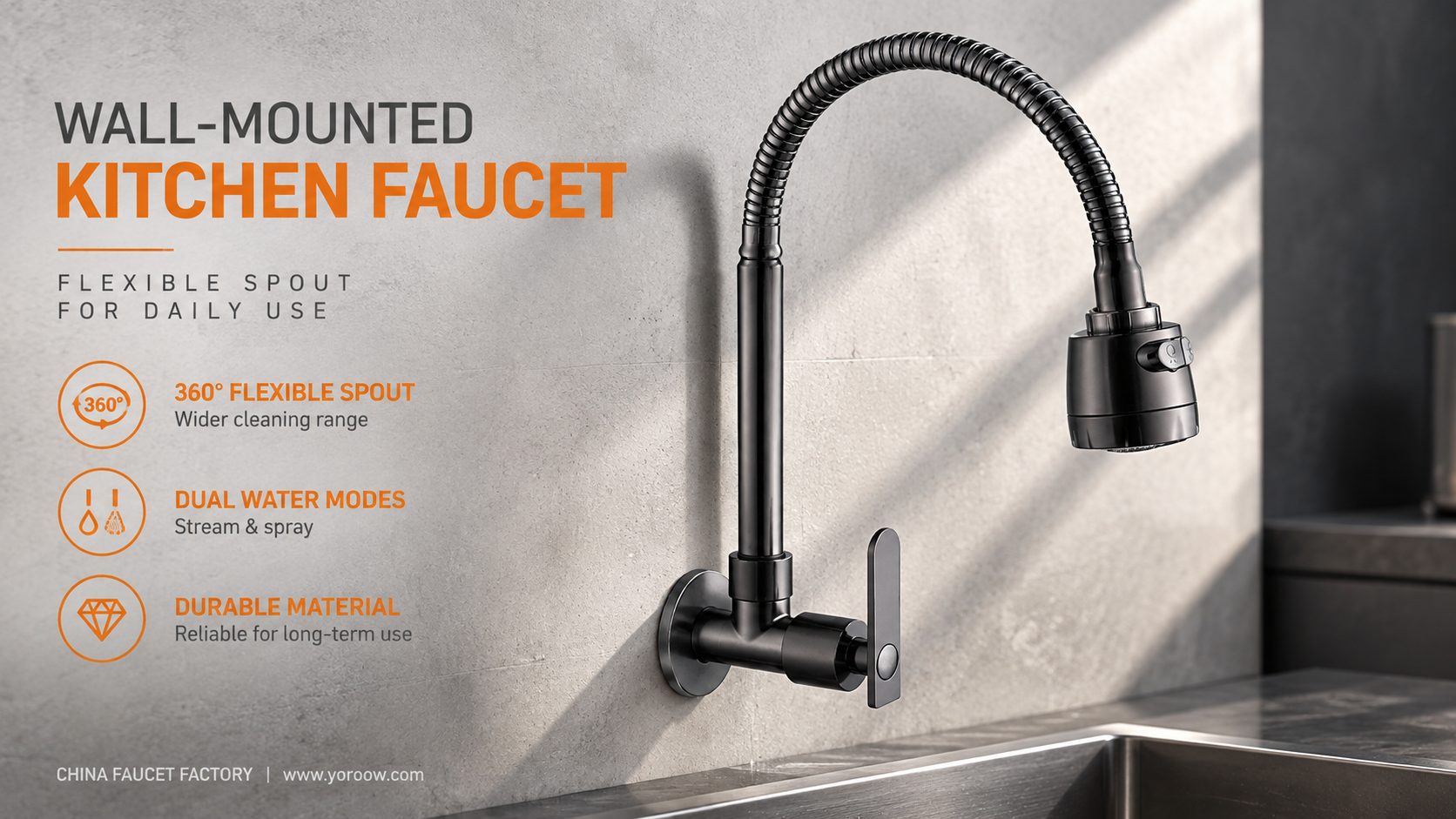
For a Usine de robinetterie en Chine such as YOROOW, supplying an Industrial Kitchen Faucet for a commercial project also changes the type of information that matters.
The focus moves away from style alone and toward actual operating conditions.
Clear details about structure, mounting method, connection size, operating range, and key components help buyers judge where the product fits.
They can then decide whether it belongs in normal household retail or at a specific commercial kitchen workstation.
This is one of the main differences between professional customers and ordinary walk-in shoppers.
Professional customers do not always need more product descriptions.
They need accurate information that helps them rule out the wrong product before installation.
References
- NSF | Food Equipment Standards and Plumbing Components
- info.nsf.org | NSF Certified Faucet Listings
- nsf.org | Plumbing Fixtures and Fittings