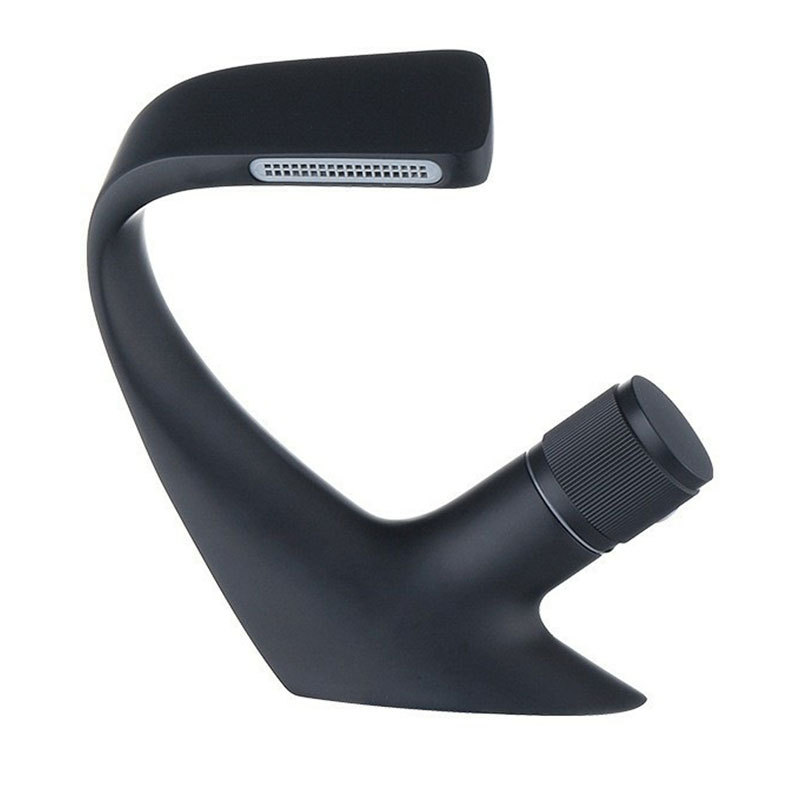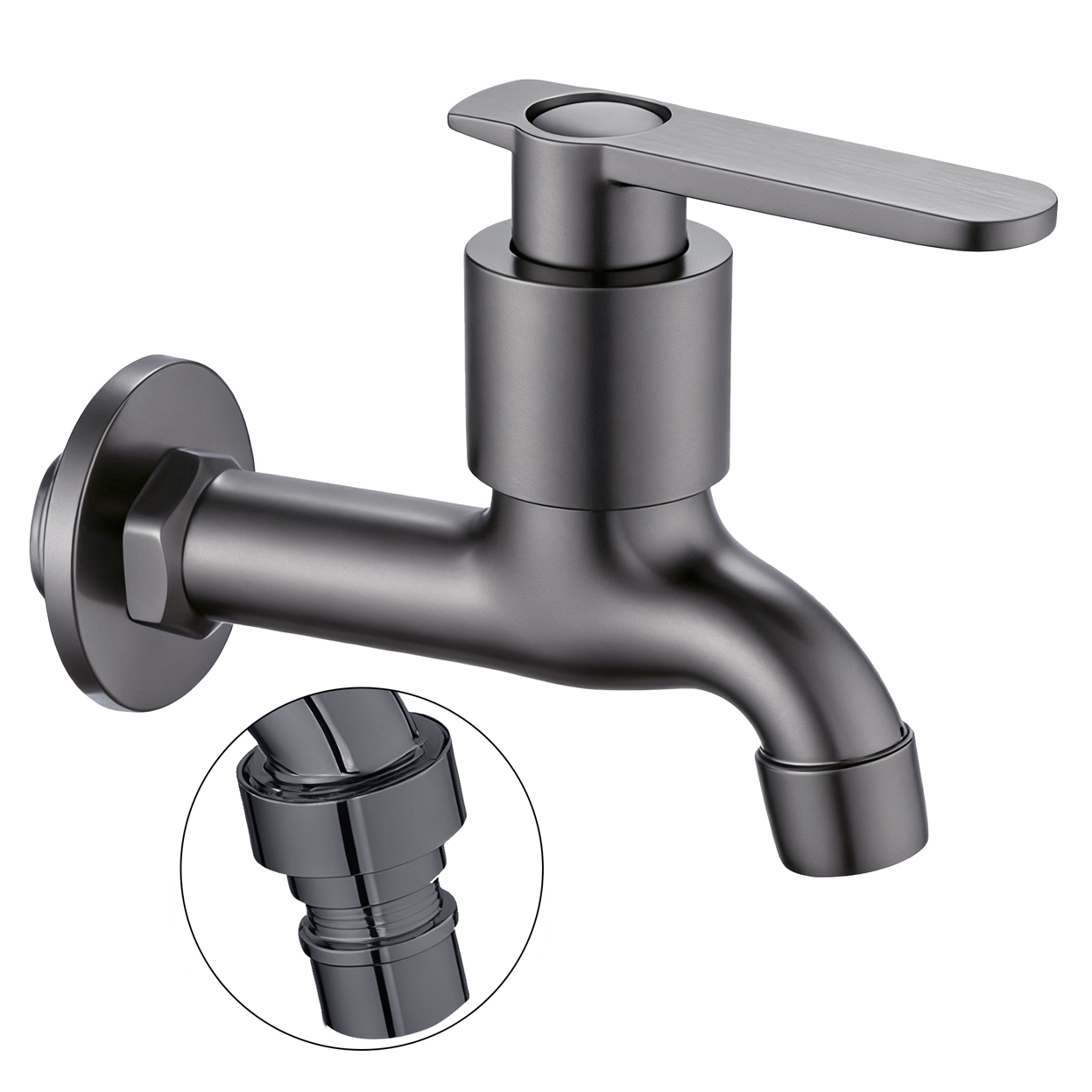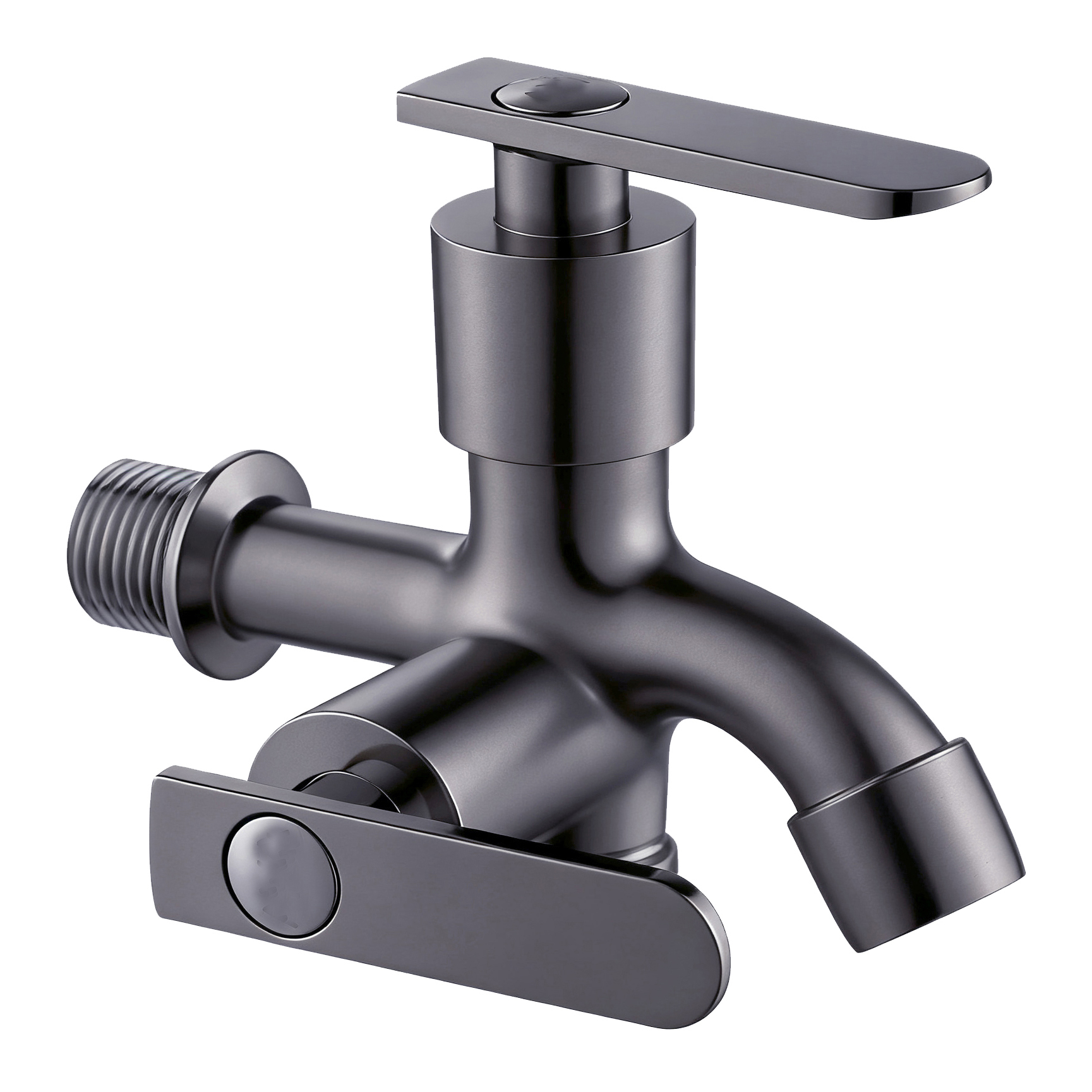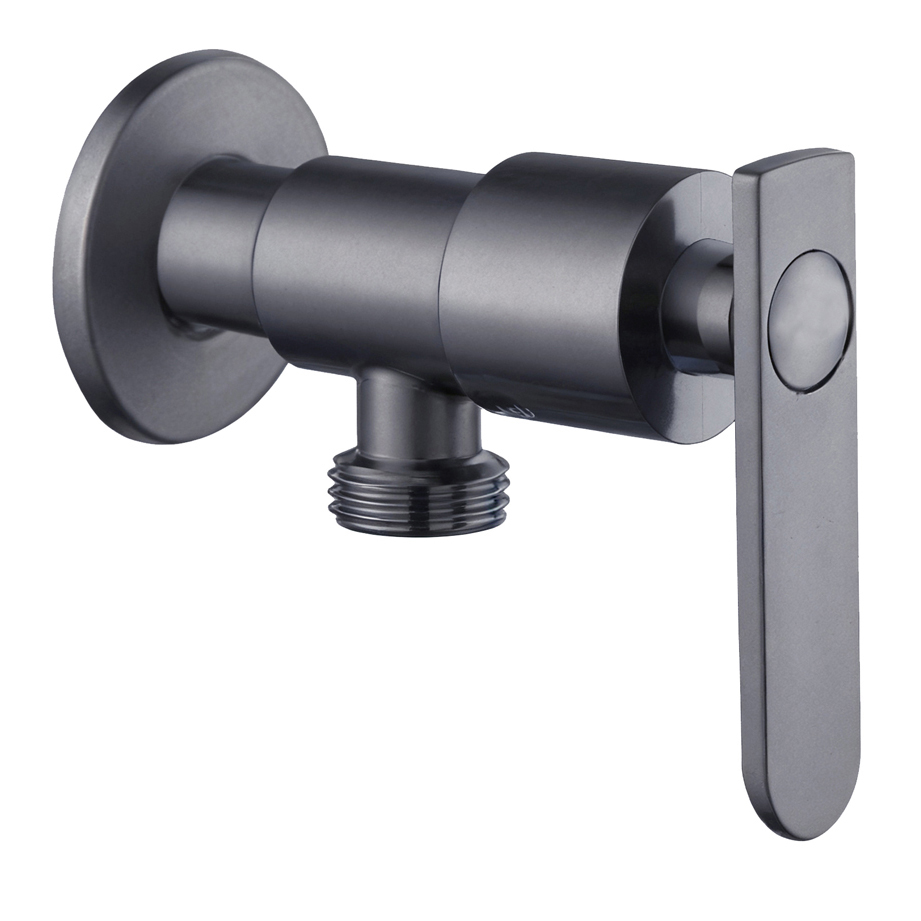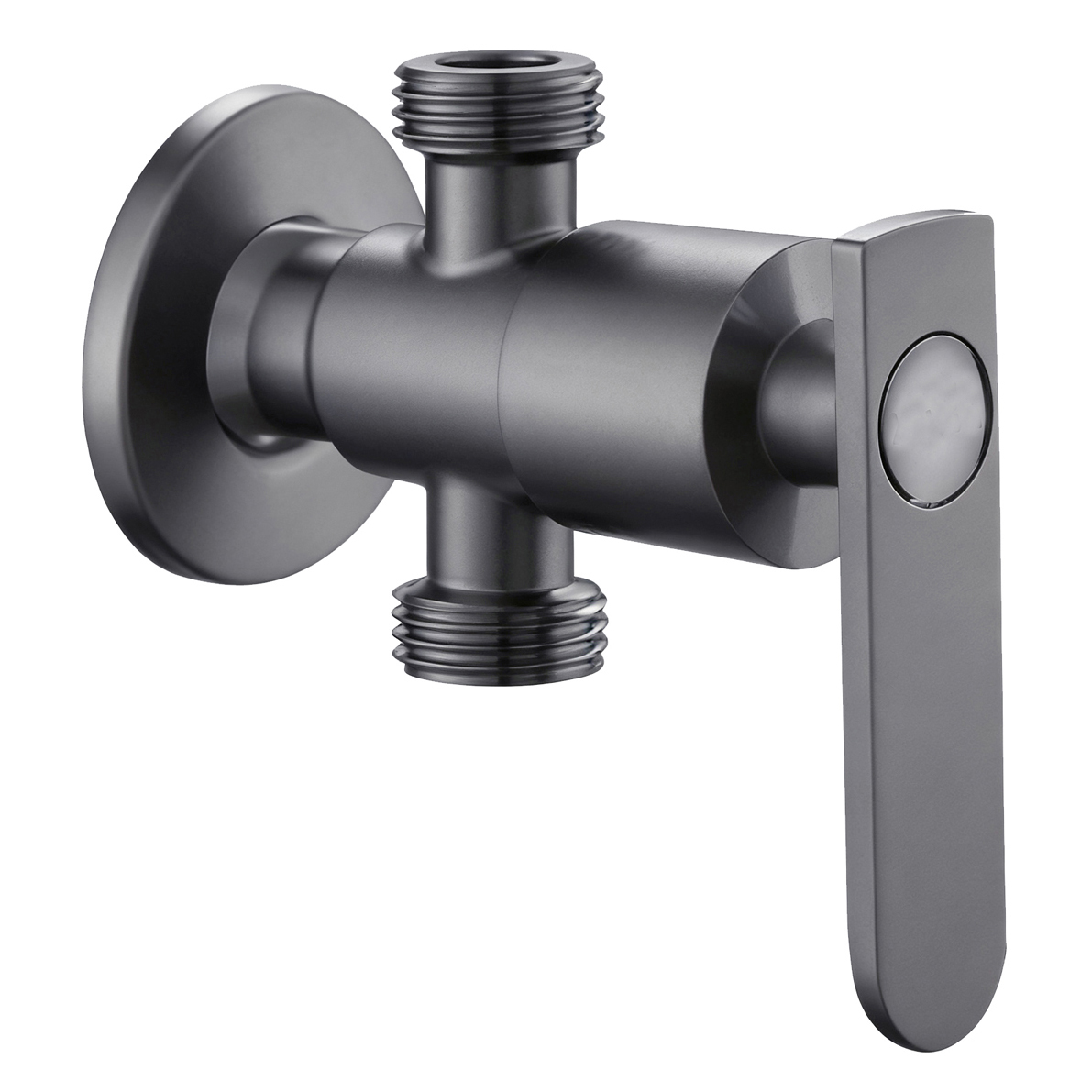




When consumers see a Double Hole Shower Faucet, they may view “double hole” as a simple structural feature.
From an installation perspective, however, an additional mounting or connection point creates another positional relationship between the product, wall, and existing plumbing.
The question is not simply whether the wall has two holes.
The Distance Between Two Holes Must Match the Installation Conditions
A double-hole structure usually requires two mounting or connection points in the correct positions.
For this reason, Center-to-Center Distance is one of the details worth checking before purchase.
The actual center distance depends on the product specifications. Consumers should not assume that all products described as a double hole shower faucet are interchangeable.
This becomes even more important when replacing an existing product.
The wall may already have fixed hot and cold water connections or reserved mounting positions. The new product needs to match these existing conditions.
Even when the connection sizes are the same, a different distance between the two connection points may prevent a direct replacement.
Existing Wall Conditions Determine When the Problem Appears
In a new renovation project, installers can arrange the plumbing according to the product specifications during construction.
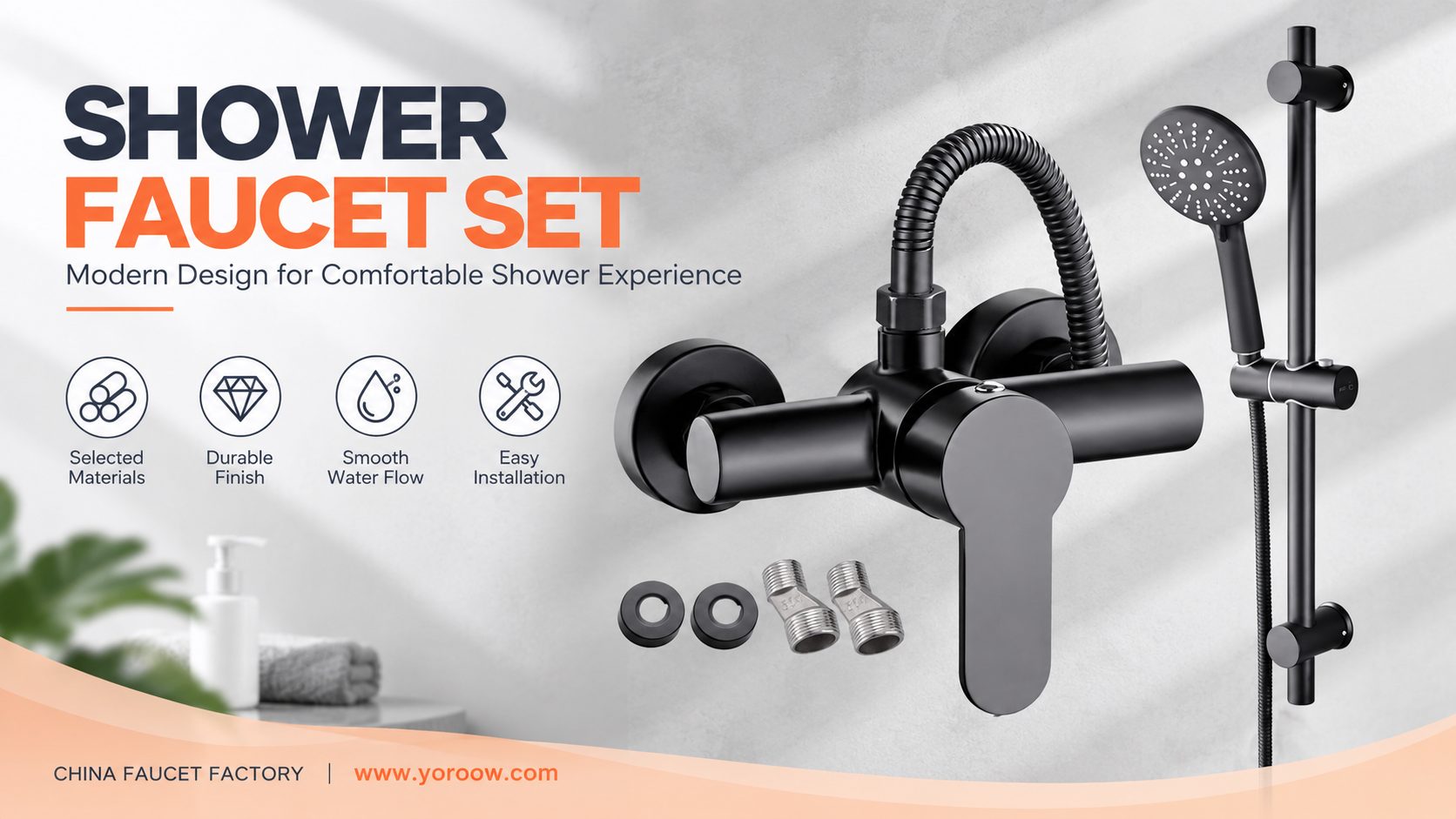
However, “double hole” on a Double Hole Shower Faucet may refer to two hot and cold water connections on a wall. It may also refer to two mounting positions on a bathtub deck.
For this reason, the English product title alone cannot determine the correct center distance.
Before quoting, the supplier should provide a front-view dimension drawing, a connection diagram, and the available adjustment range. The project team should also photograph and mark the existing hole positions.
A single center-distance measurement may not provide enough information. The thickness of the mounting surface and the direction of the connections may still create compatibility problems.
An online product page can provide separate guidance for first-time installation and replacement. For replacement, the first step should be checking the existing plumbing and finished surface.
A replacement project offers much less flexibility.
Once the wall and tiles are complete, changing the connection positions can increase both cost and installation complexity.
If retail packaging only says “Double Hole” without showing the key installation dimensions, consumers may discover the mismatch only after removing the old product.
More useful pre-sale information should help consumers complete a basic check before purchase:
Where are the two connections?
What is the Center-to-Center Distance?
What connection specifications does the product use?
What wall preparation does the product require?
The packaging does not need to become a complete construction manual. However, it should tell buyers which dimensions they need to measure in advance.
Project teams should also keep site photos together with the measurement method.
One person may measure from the edge of the decorative cover, while another measures from the center of the pipe opening. These different methods can lead to a mismatch even when both orders show the same center distance.
Installation Complexity Should Be Clear Before Payment
This is one difference between products with more complex installation requirements and ordinary shelf products.
Consumers can usually notice a wrong color or appearance soon after opening the package. An installation mismatch may not become clear until installation begins.
A Double Hole Shower Faucet therefore illustrates a useful retail information principle.
The more installation points a product has, the more positional relationships consumers need to confirm before purchase.
Providing these conditions in specifications, dimension drawings, and installation instructions is more useful than explaining after purchase why the product does not fit.