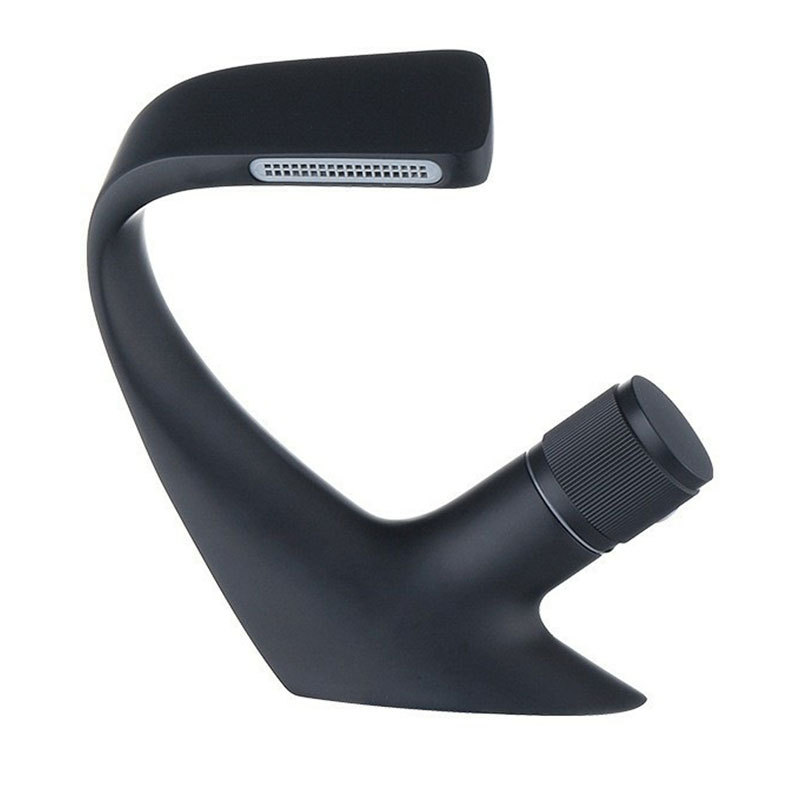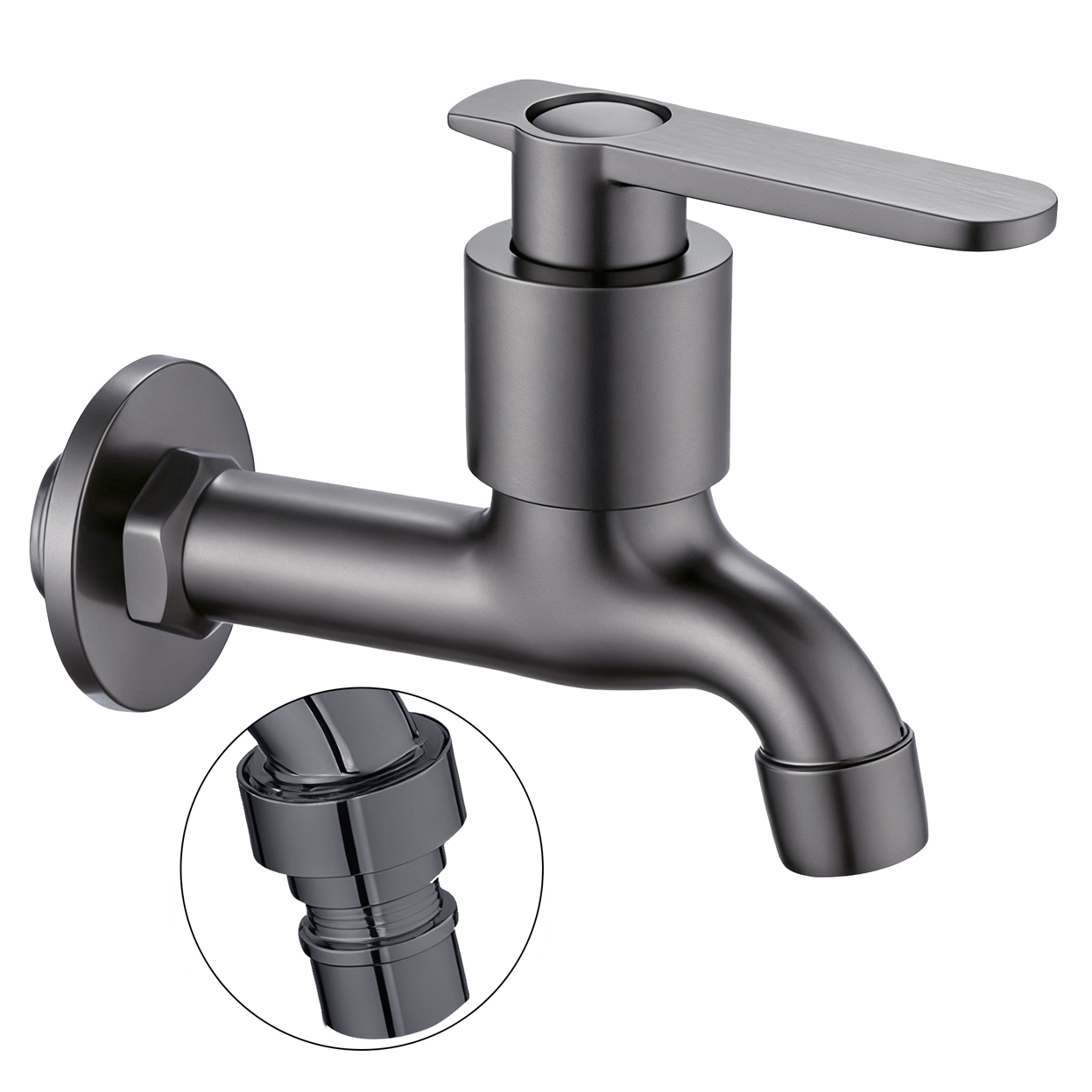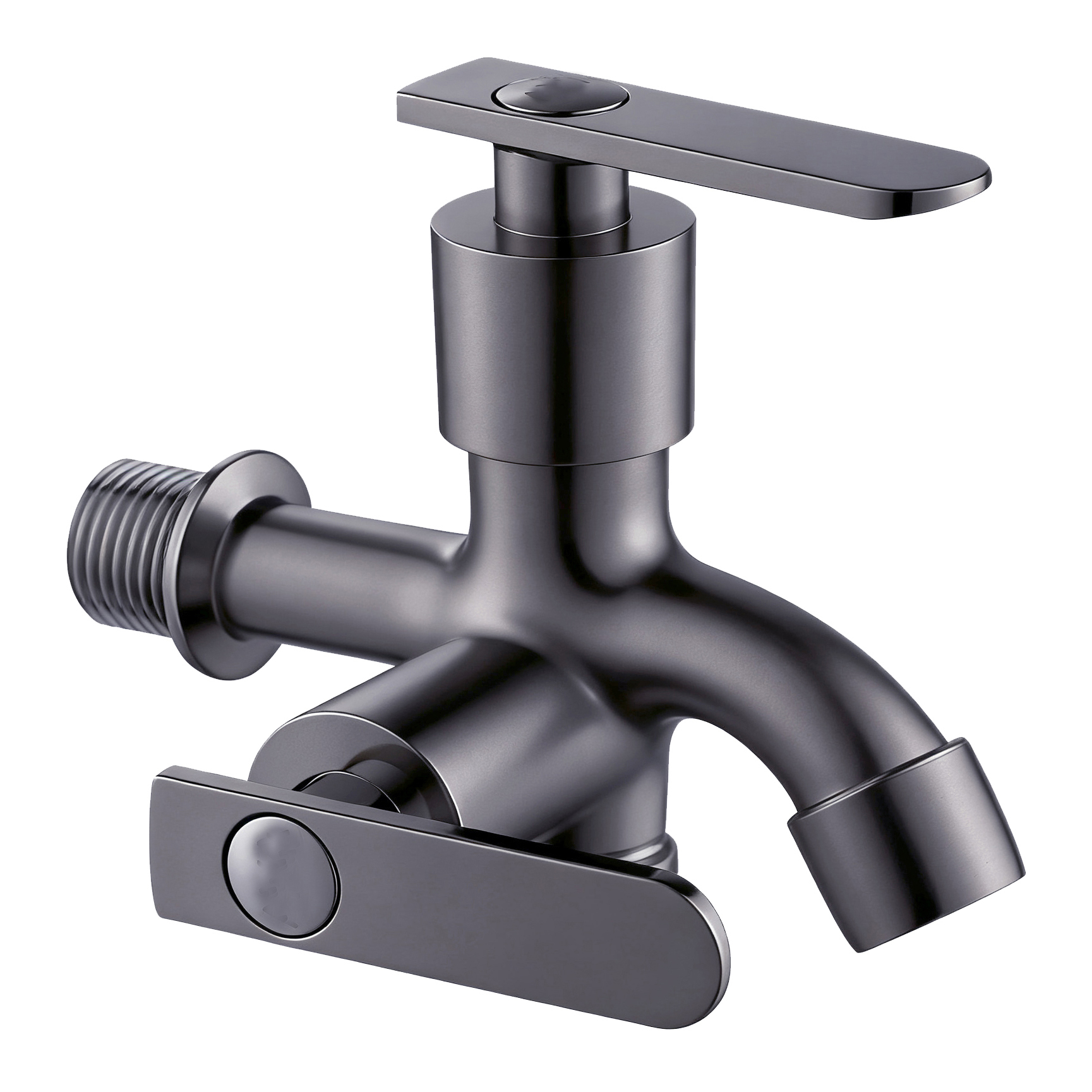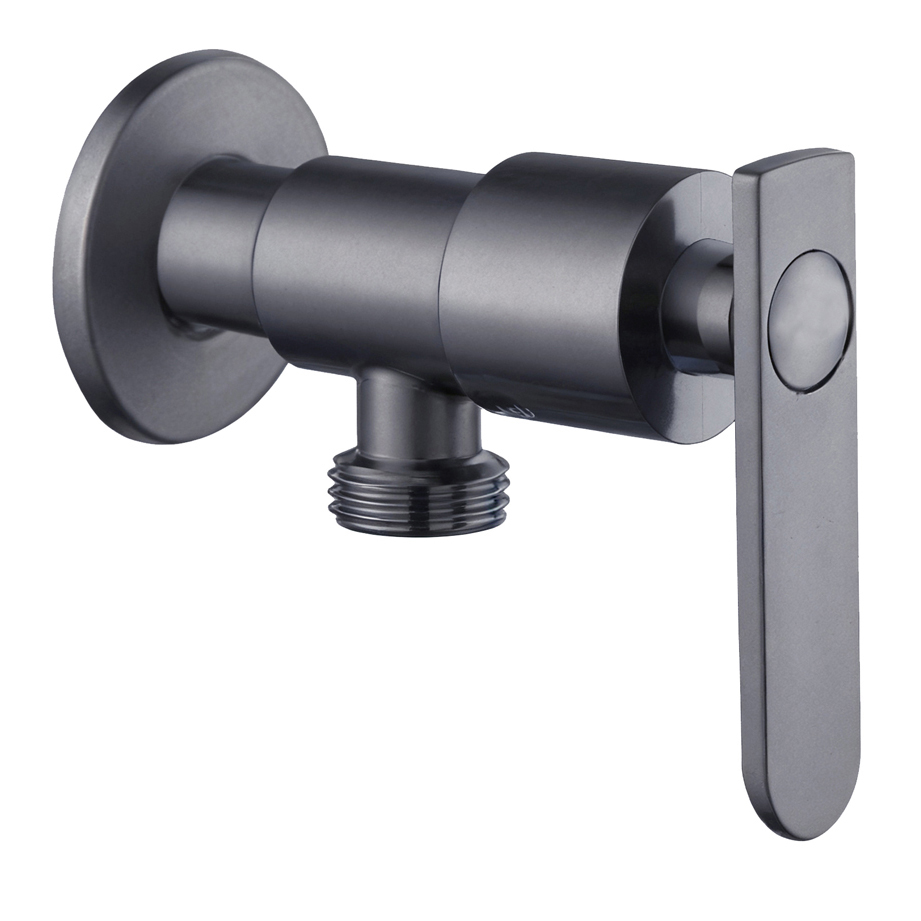




“3 in 1” looks like a very clear description of the number of functions.
However, in a kitchen faucet, it does not describe one standard structure.
Different 3 in 1 kitchen faucet models may combine hot and cold mixed water with filtered water. Others may add pull-out, spray, or other functions.
As a result, two products with the same “3 in 1” label may work in completely different ways.
This makes the category suitable for small-scale retail testing before expanding distribution based only on the number of functions.
The First Step Is Not Testing Sales, but Testing Whether Shoppers Understand the Functions
Complex products first need a clear definition.
If the packaging says “3 in 1,” can shoppers immediately identify the three functions?
How do they control the different water paths?
Which functions require additional connections?
Which installation components come with the product?
If shoppers only discover after purchase that the third function differs from what they expected, early sales figures cannot show whether the product is ready for wider distribution.
For this reason, retailers can first observe the questions shoppers ask during a small-scale launch.
If many shoppers ask, “What is the third function?”, the product naming still needs more explanation.
A 3 in 1 robinet de cuisine should clearly identify what the “three” refers to. It may mean hot, cold, and filtered water. It may refer to three spray modes. It may also describe one faucet that supports three different uses.
If the product includes a drinking-water filtration function, Brazil’s INMETRO requirements for water consumption equipment may create different compliance obligations from those for a standard mechanical faucet. Before import, a qualified local organization should assess the actual product.
The product page can show the water path for each inlet and outlet. It should also explain who supplies the filter components and replacement cartridges, as well as the replacement schedule.
Without evidence of separate water paths, the “3 in 1” description should not lead shoppers to believe that all water passes through the filtration system.
If shoppers already understand the functions but ask many questions about installation, the issue has moved to a different stage.
An Additional Function Also Adds Another Set of Installation Conditions
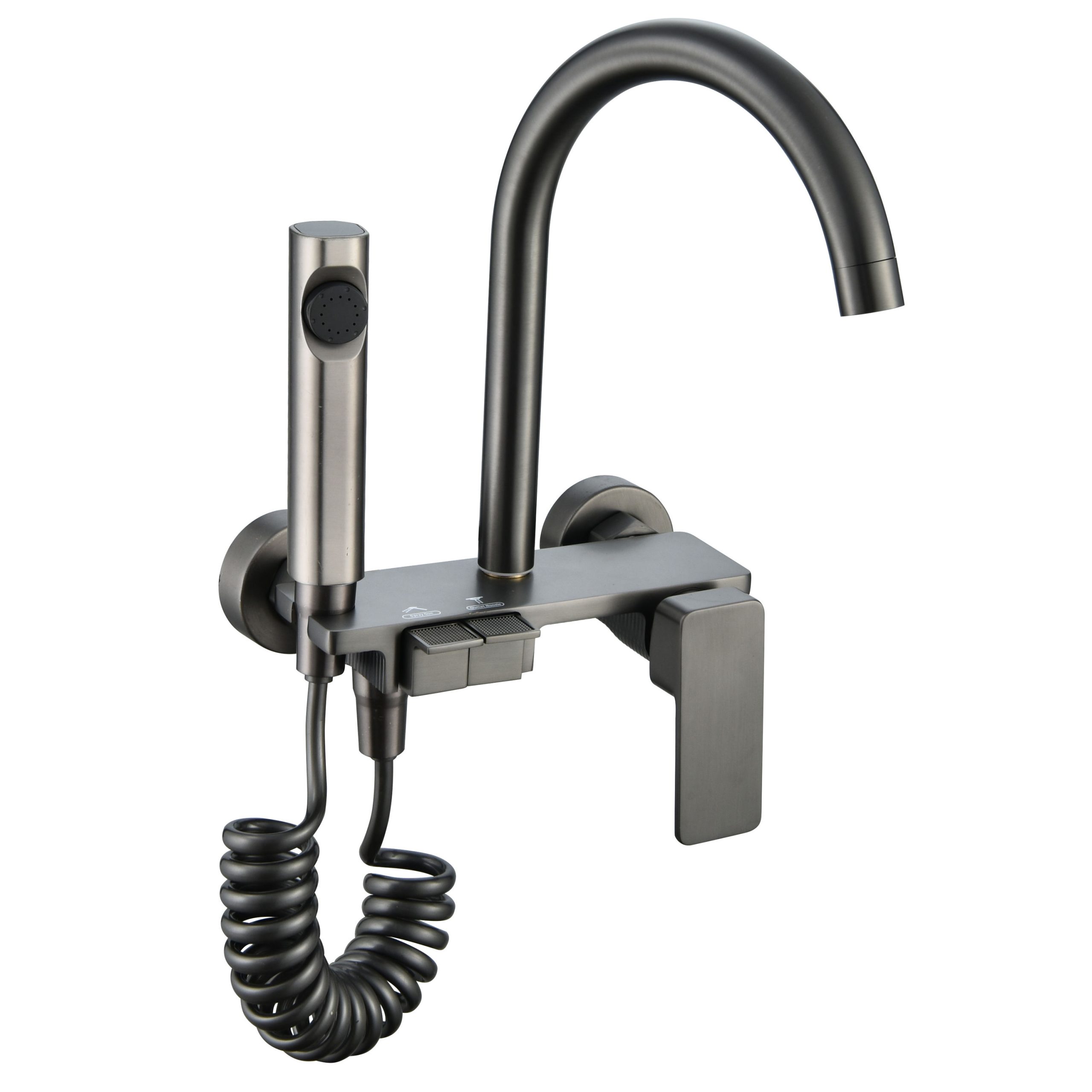
For example, when a 3-in-1 structure includes filtered water, shoppers may need to check the filtration system, water connections, and available installation space.
If the faucet also has a pull-out function, the hose needs enough space to move freely.
The actual product design determines these requirements. Products should not use the same installation instructions simply because they all carry the 3-in-1 name.
This is also why products such as a 3 in 1 kitchen faucet gold should not rely only on finish and function count for retail classification.
Gold addresses the visual choice.
3-in-1 describes the function combination.
Installation requirements form a third and separate consideration.
Before a Wider Rollout, Check What After-Sales Issues May Appear
Complex products can also create more specific after-sales questions as the number of functions increases.
Are shoppers asking about switching between water paths or about installation connections?
When a buyer asks for a “3 in 1” faucet, the supplier can first ask which function should correspond to each water path and which outlet needs to remain separate.
The answers help determine whether an existing SKU can meet the requirement or whether the factory needs to develop a new sample.
For combination models that provide both filtered water and regular tap water, the main issue is not whether the faucet can have two buttons.
The more important question is whether each water path remains separate as designed.
The manufacturer should use drawings, samples, and required certification evidence to answer these questions separately. A multi-function product name should not hide these requirements.
Retail testing can also reveal other practical issues.
Do shoppers frequently misunderstand one of the functions?
Which components are most often missing during installation?
Can after-sales staff quickly identify the product structure from the specific SKU?
These findings can help retailers decide whether to expand distribution, improve packaging information, or strengthen installation support first.
Small-scale testing is therefore not simply about proving whether a 3-in-1 faucet sells well.
It is more useful for checking whether shoppers understand the product, whether store staff can explain it easily, and whether installation and after-sales support remain manageable in a real retail environment.
Once retailers verify these points, they have a stronger basis for expanding store coverage or adding related SKUs.