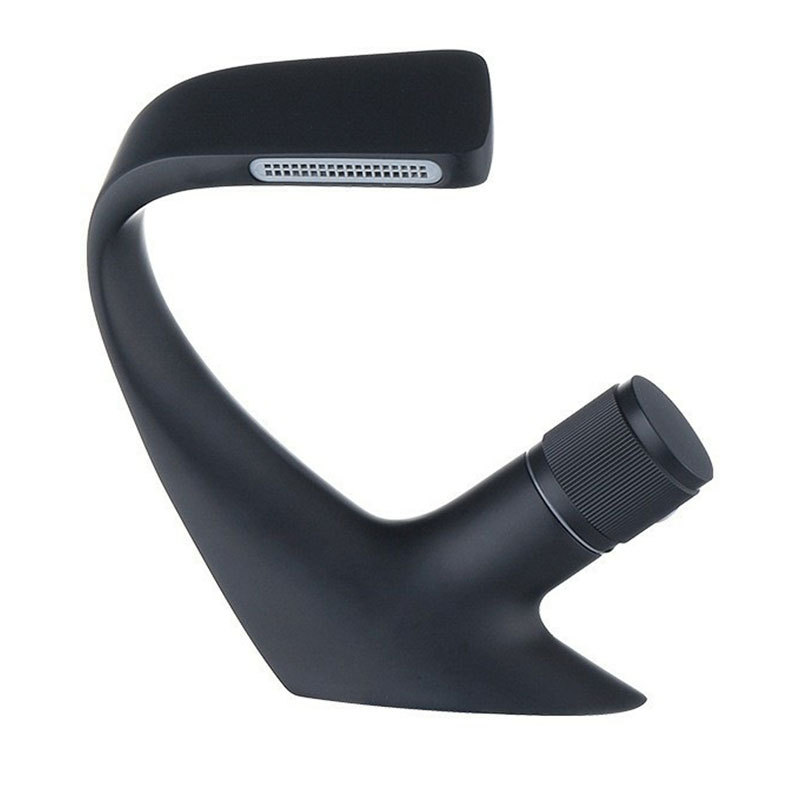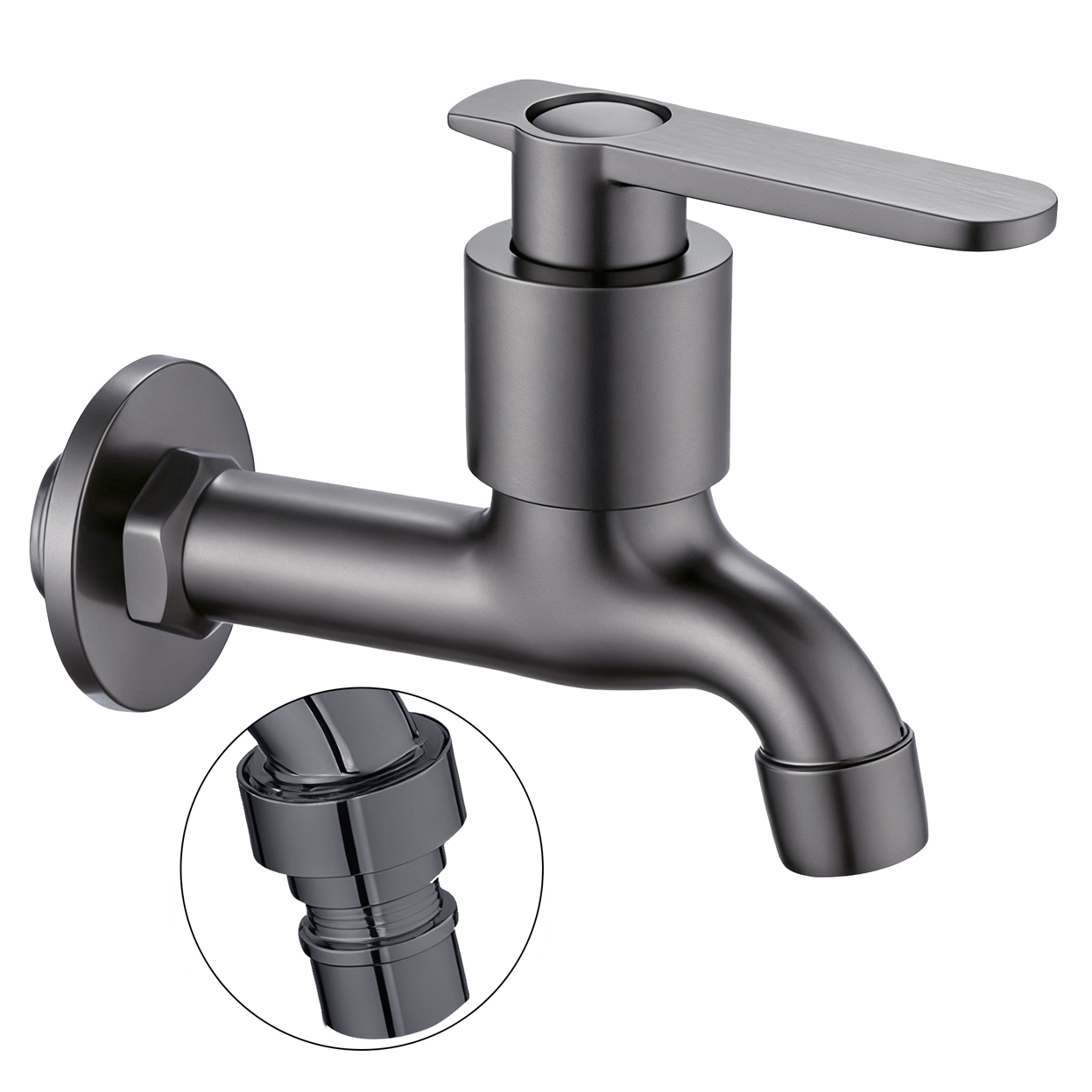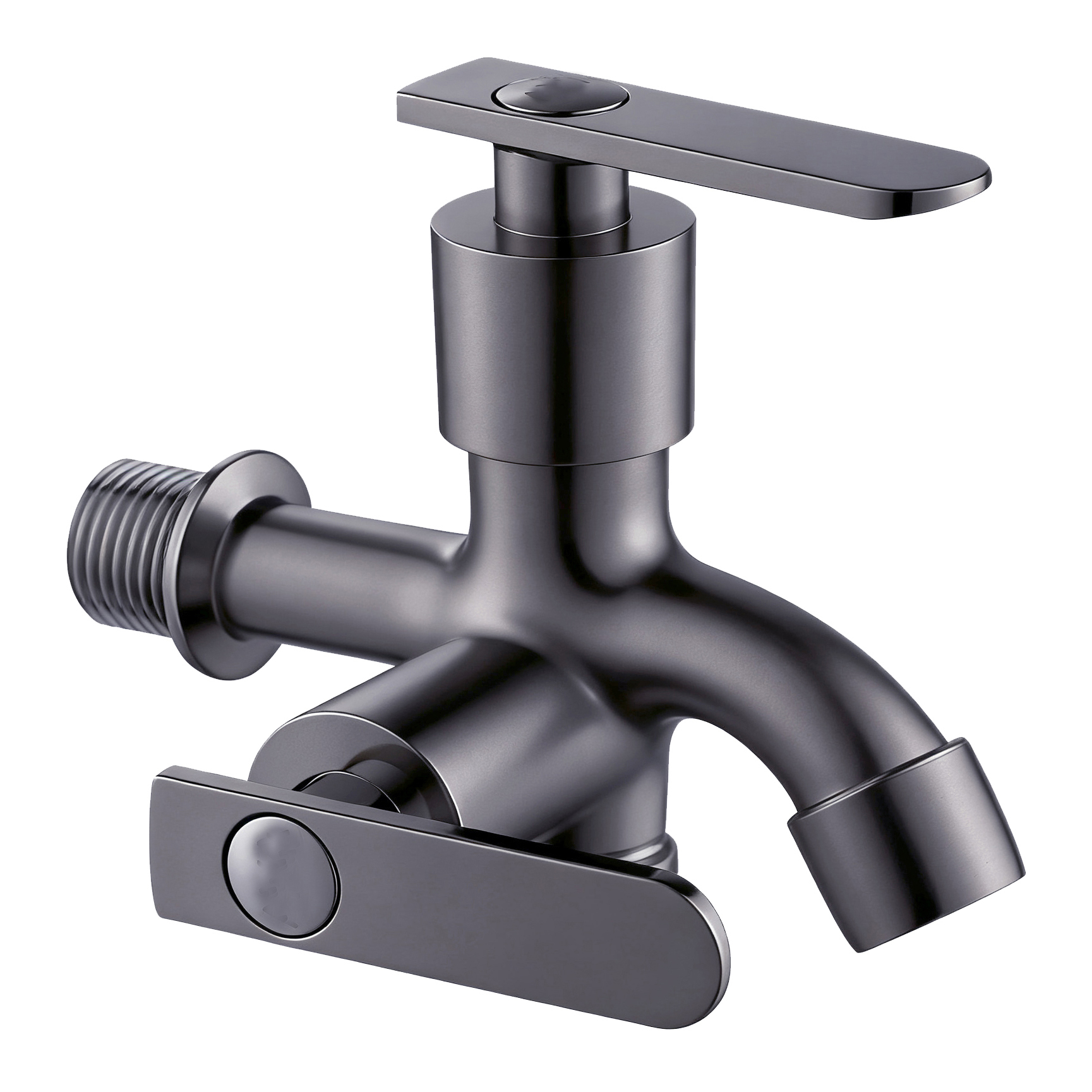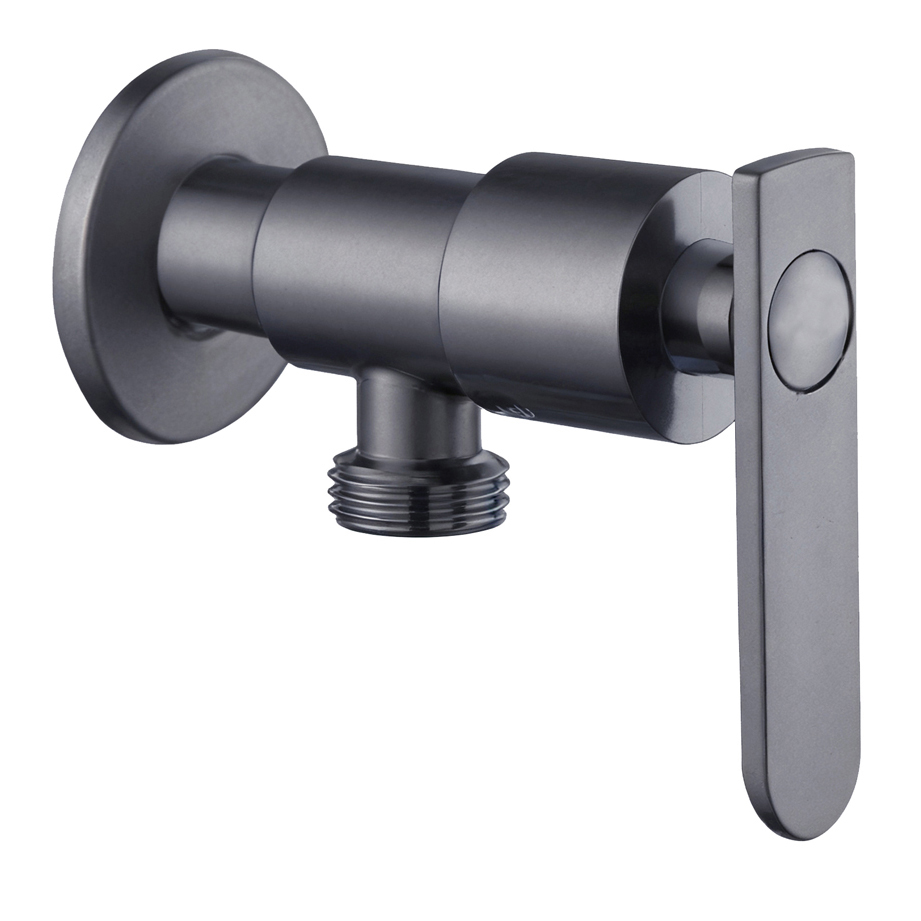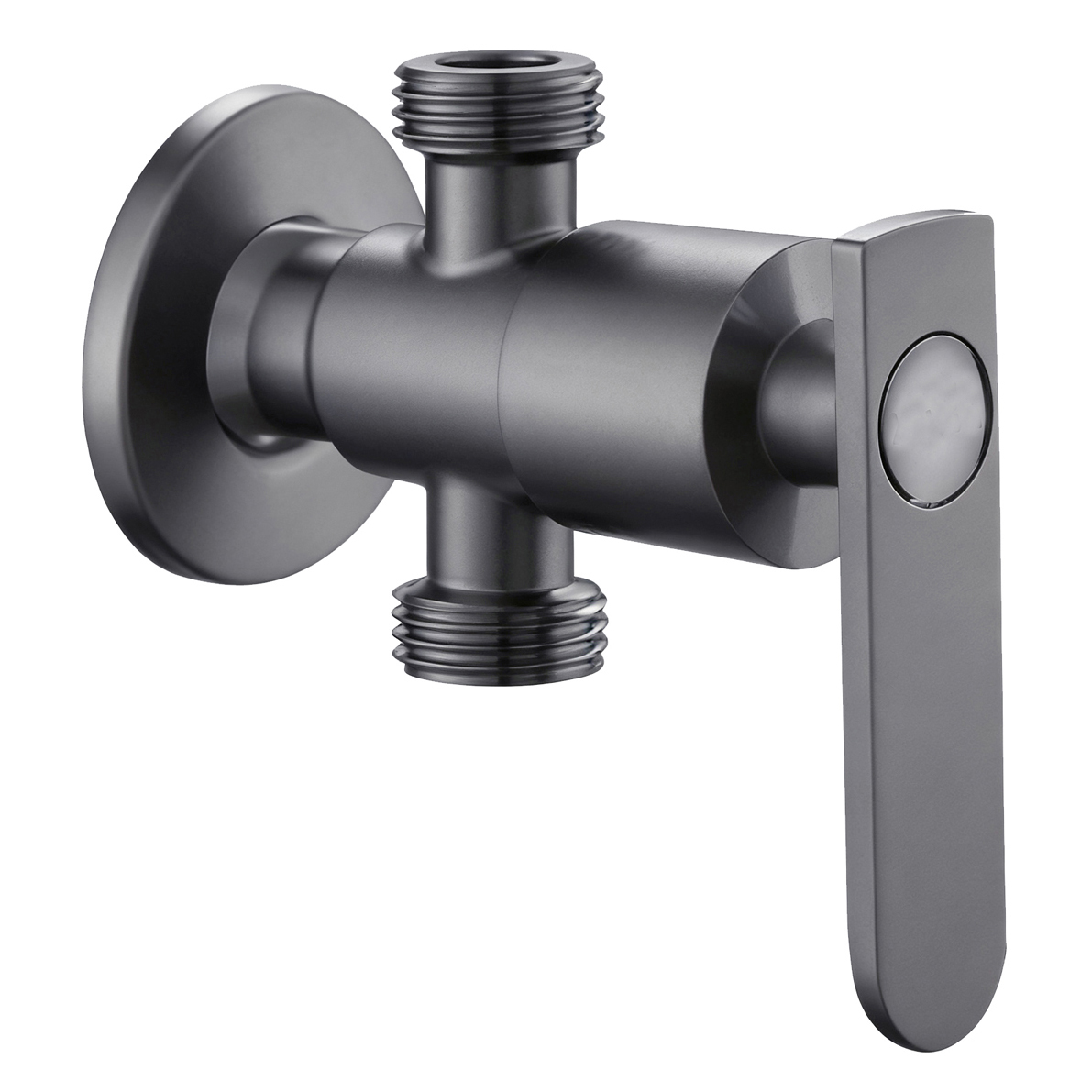




For a faucet with a clearly defined new function, the path from concept to mass production is not simply:
design → sampling → production
The real development process is about gradually turning uncertain questions into specifications that can be manufactured consistently.
A Thermostatic Basin Faucet is a useful example.
Compared with a mature basic faucet, it introduces temperature-control requirements, which means the function, structure, components and production conditions need to be defined step by step before mass production begins.
Define the Function Before Designing the Appearance
When developing thermostat basin faucets electronic, the first step should be to define exactly what the product needs to do.
How is temperature controlled? What is the operating method? What function does the electronic section perform? What are the installation conditions?
These decisions will influence the internal space, component selection and overall product layout later in development.
If the functional boundaries are still unclear but the external design is completed too early, the appearance may need to be redesigned later when the internal structure cannot fit.
Engineering Turns Requirements Into a Manufacturable Product
Once the function is clear, the project can move into engineering evaluation.
At this stage, the product needs to be broken down into the main body, control components, cartridge, connection parts, installation components and other relevant parts.
The project then needs to determine which parts can use mature solutions and which require new development.
For a bathroom smart thermostat electronic basin faucet, particular attention should be paid to whether the different systems can be combined reasonably within the available internal space.
The goal of the engineering stage is not to make the design drawing look complete.
It is to make sure that every required function has a corresponding structure and component solution.
Samples Should Verify the Product, Not Define It Indefinitely
The first sample is often used to reveal problems.
Are the dimensions reasonable? Does the operation work as expected? Is the installation condition correct? Do the components fit together properly?
Finding problems during sampling does not mean the development has failed.
What matters is that by the time the final sample is approved, the product specification, drawings and BOM are gradually converging on the same mass-production version.
Only then can the factory move from developing the product à reproducing the product consistently.
Mass-Production Preparation Also Includes Materials and Capacity
Many projects treat final sample approval as the end of product development.
For a factory, however, it is also the beginning of mass-production preparation.
Materials, key components, procurement lead times, production scheduling and packaging still need to be confirmed.
This stage can be particularly sensitive to supply-chain changes.
If material or key-component prices and availability fluctuate while material specifications, the BOM and order quantity remain unsettled, procurement is pushed later and later. This can eventually compress the normal production window.
For custom projects that need to meet a particular selling season or launch window, locking the product version and reserving production resources should therefore happen in sequence rather than waiting until every other issue has been closed before checking capacity.
The Project Needs a Clear Point Where Development Becomes Production
Before entering Mass Production, there should be a clear dividing line:
the final sample has been approved;
the drawings and BOM match the final version;
materials and finish are locked;
key components can be purchased;
packaging information is confirmed;
and production and delivery planning are established.
At this point, the main task of the project changes from solving product-development issues à reproducing the approved product consistently.
This is one of the most easily overlooked parts of moving from Concept to Mass Production:
Mass production is not simply a production step added at the end of development. It is the result of product definition, engineering verification, sample approval and supply preparation working together.
The earlier these milestones are considered, the fewer last-minute problems need to be solved when a new-function faucet moves from concept into production.
Electronic Functions Should Be Checked Against the Final BOM Before Mass Production
If the final Thermostatic Basin Faucet includes a display, sensor, power supply, wiring harness or other electronic components, the relevant verification documents should also correspond to the final BOM before production begins.
The European Commission distinguishes between the regulatory scope of RoHS and REACH.
RoHS addresses restrictions on certain hazardous substances in electrical and electronic equipment, while REACH is a broader chemicals regulatory framework.
This means that when developing thermostat basin faucets electronic, a change in the electronic module, material or supplier should not be reviewed only from the perspective of whether the function remains the same.
If the final BOM has changed, the project should also check whether the existing documentation still applies to the final product and target market.
This follows the same production principle discussed above:
the final product entering production should remain aligned with its drawings, BOM, approved sample and any applicable verification documentation.