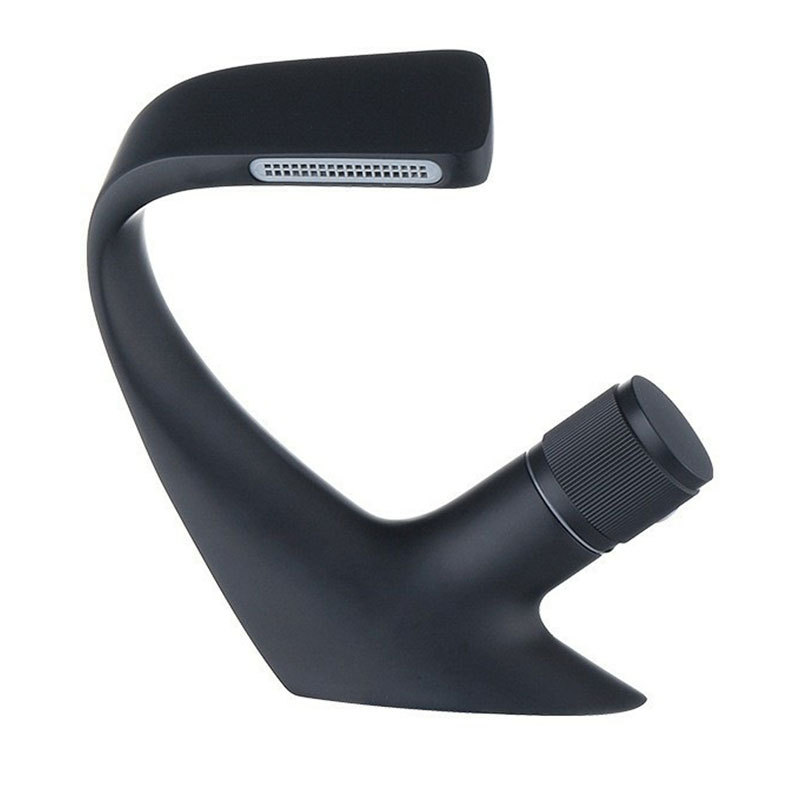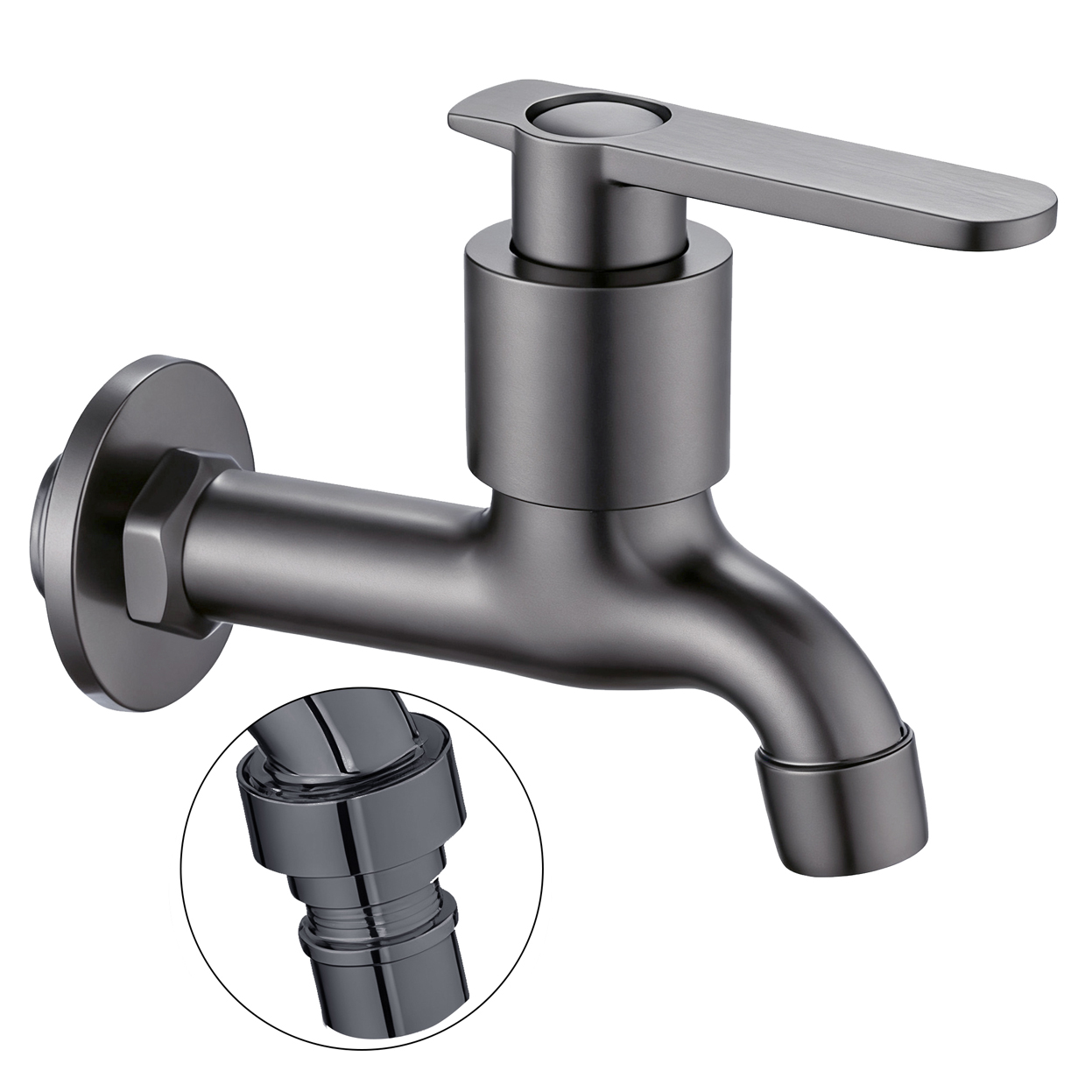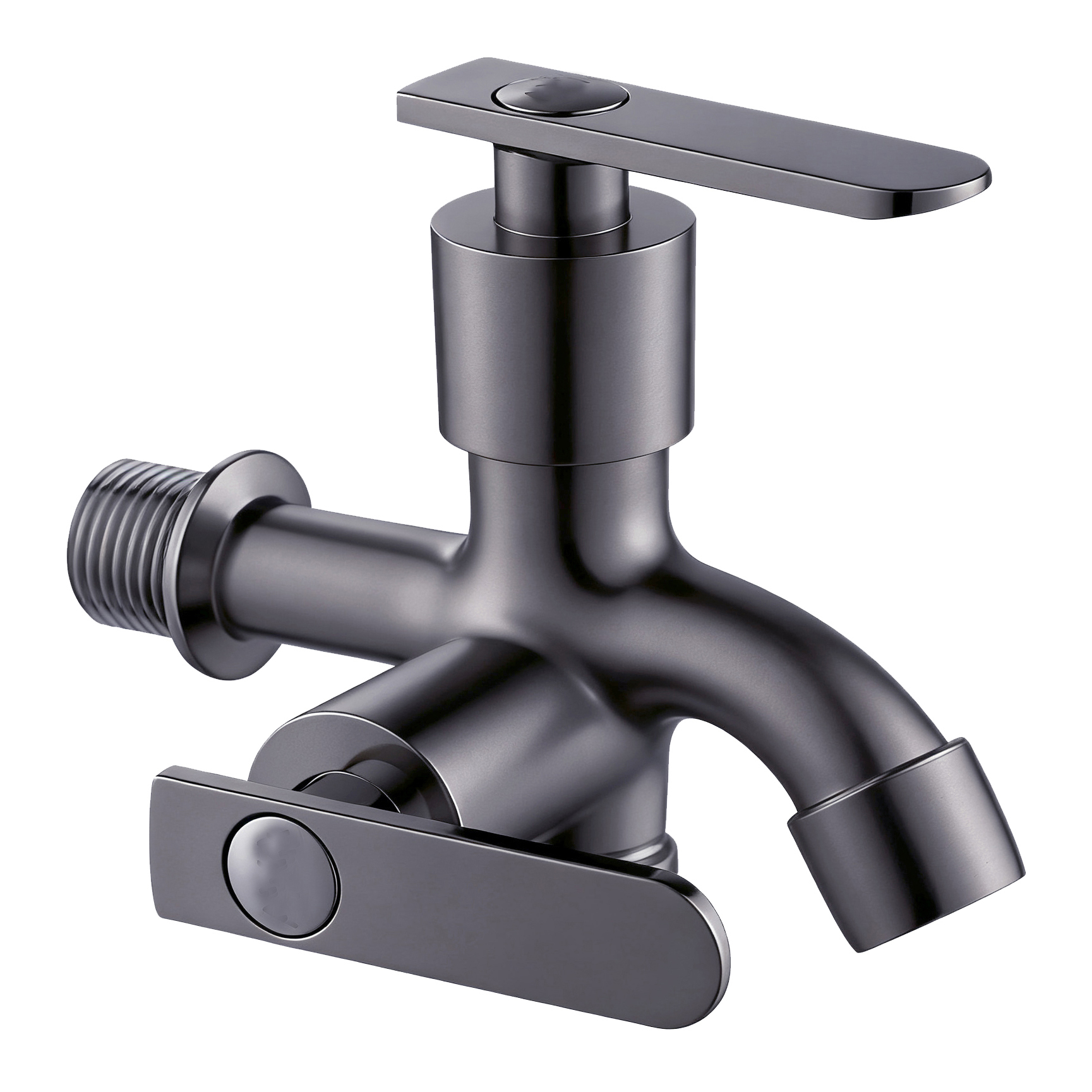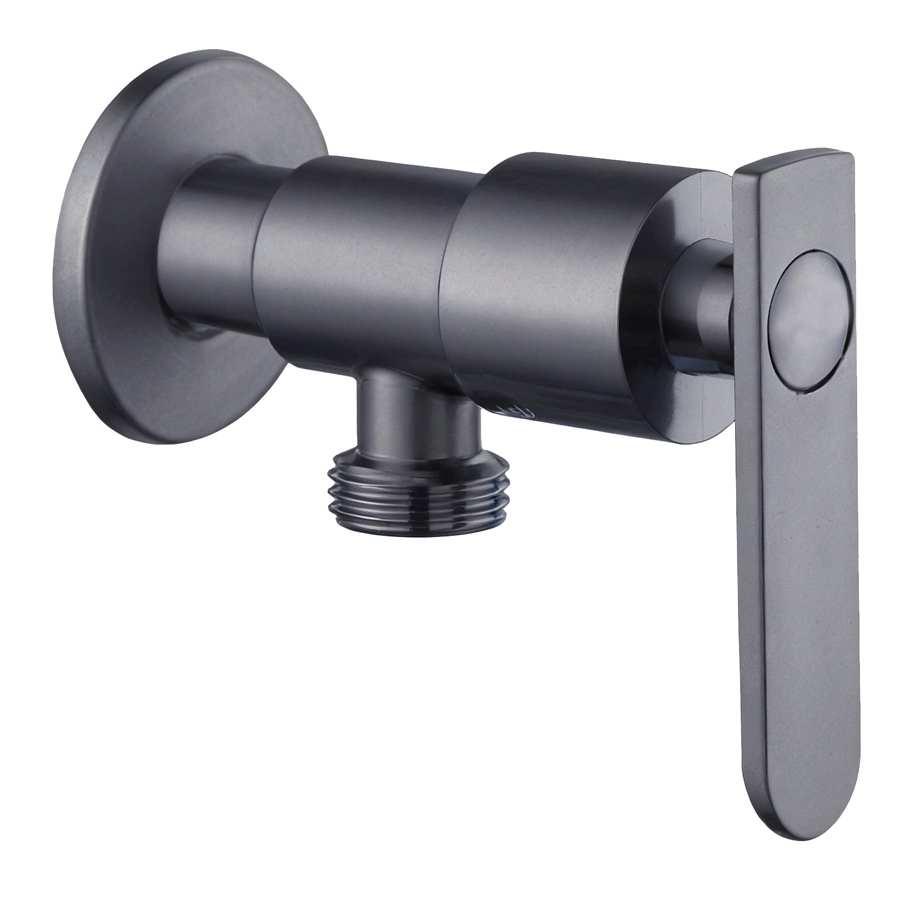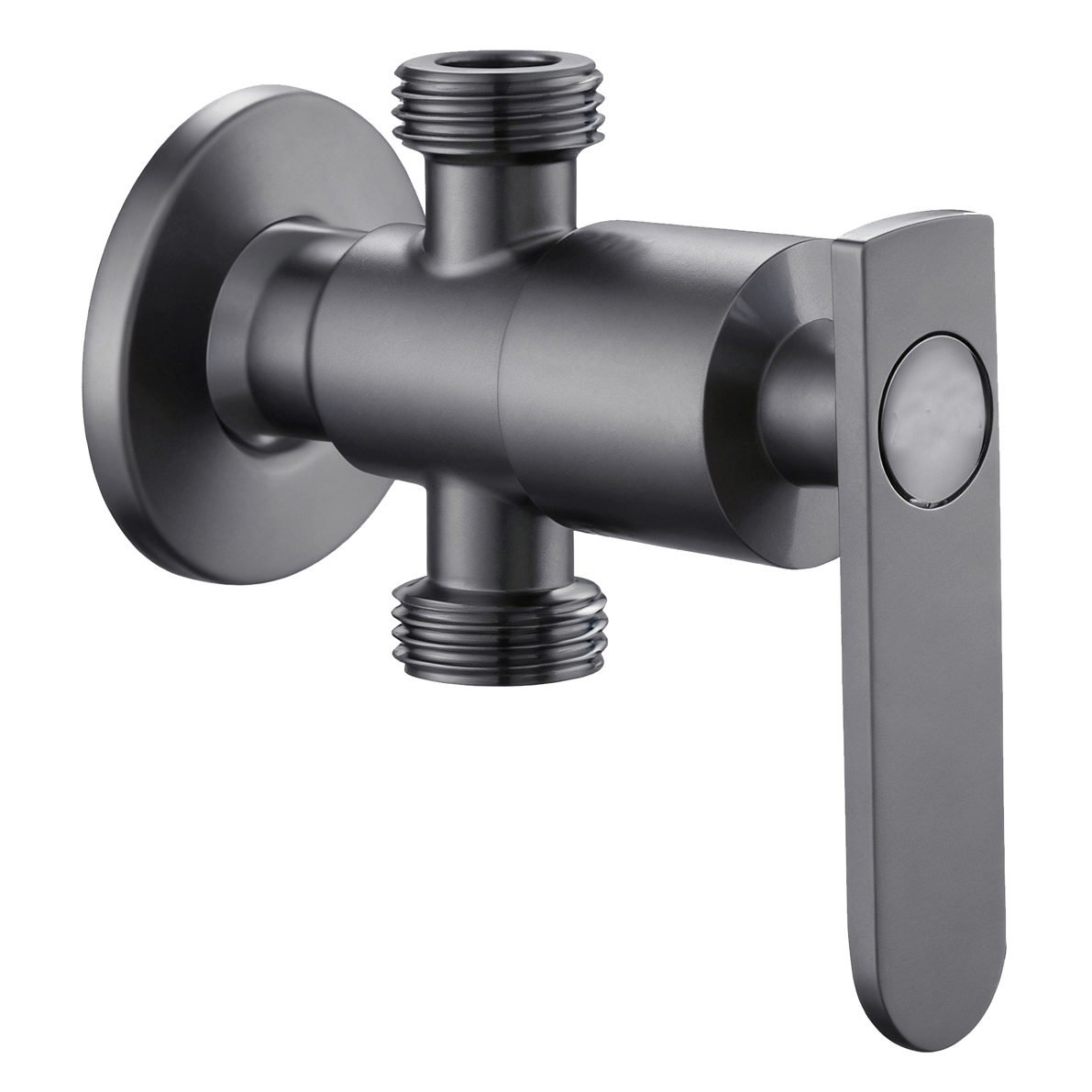




With the development of matte black, brushed gold, gun grey, and bronze finishes, faucet color has become an important part of product differentiation. Chrome, once widely used in kitchens and bathrooms, now faces competition from a more diverse range of finishes.
At the same time, recent bathroom design trends show renewed interest in silver-toned metallic finishes. This creates new design opportunities for classic finishes.
As the faucet finish market continues to diversify, what competitive advantages and development opportunities do chrome faucets still offer?
1. How Has the Faucet Finish Market Changed?
Chrome has long been used in kitchen faucets, basin faucets, shower faucets, and other bathroom fittings. It remains one of the most widely established finishes in the faucet market.
With advances in surface finishing technologies such as PVD, manufacturers can offer a wider range of metallic colors and surface effects. Different finish options also allow the same faucet design to serve different market segments.
In May 2026, bathroom industry publication kbbreview discussed bathroom brassware market trends. Its report highlighted how advances in surface finishing technology have given faucets and related products a greater role in overall bathroom design.
The growing variety of finishes has expanded product choices and changed the competitive environment for chrome faucets. Combinations of color, shape, functionality, and price are becoming increasingly important for product differentiation.
2. Why Are Silver-Toned Metallic Finishes Receiving Renewed Attention?
On November 5, 2026, KBBFocus published insights from Nicola Friel, VitrA UK’s Specification and Design Manager, on bathroom design trends for 2027.
She noted a renewed interest in chrome finishes, whose relatively neutral tones can complement different materials and other metallic finishes.
This development reflects changes in bathroom interior design.
As bathrooms increasingly incorporate colored basins, wooden furniture, natural stone, and textured surfaces, silver-toned metallic finishes can create visual contrast between different materials.
Although chrome, polished nickel, and brushed nickel all belong to the silver-toned metallic finish category, they offer different visual characteristics.
Chrome typically has a bright, mirror-like shine. Polished nickel has a warmer tone, while brushed nickel offers a softer metallic texture.
The design value of silver-toned finishes extends beyond traditional bathroom styles. As basin, bathtub, furniture, and other bathroom product designs evolve, classic finishes can find new applications.
3. What Factors Keep Chrome Faucets Competitive?
The competitiveness of chrome faucets comes from more than their appearance. Established manufacturing processes, cost control, product coverage, and market positioning also play important roles.
Established Manufacturing Processes
Decorative nickel-chromium plating has a long history of industrial application.
According to the Nickel Institute’s Nickel Plating Handbook, decorative coatings improve product appearance and can meet performance requirements such as adhesion and corrosion resistance, depending on the application. Chromium is also a common outer layer in decorative nickel plating systems.
Established processing techniques, production equipment, and quality control methods provide a technical foundation for the mass production of chrome faucets.
At YOROOW, machining, polishing, electroplating, and finished product inspection are interconnected stages of fabrication de robinets. The machining quality of the base material, polishing results, and electroplating process all influence the final appearance and surface quality.
Cost Control and Product Positioning
Established manufacturing processes, supporting supply chains, and large-scale production provide a foundation for controlling the cost of chrome products.
However, chrome faucets are not limited to entry-level price segments.
From simple cold-water faucets to multifunctional kitchen faucets and shower systems, chrome finishes can complement different product structures and functional configurations.
The actual product price also depends on body materials, components, manufacturing complexity, and design.
This flexibility allows chrome faucets to serve a wide range of price segments.
Broad Product Coverage and Market Adaptability
Chrome finishes can be applied to basin faucets, kitchen faucets, shower faucets, angle valves, and related bathroom accessories.
When developing product collections, similar finishes across different product categories help create a consistent appearance. They also support coordinated bathroom product combinations.
This versatility allows chrome products to serve residential, hospitality, construction project, and bathroom retail markets.
Compared with finishes developed for specific design styles, chrome can meet a broader range of product supply requirements.
4. How Are Modern Chrome Faucet Designs Evolving?
Chrome is an established finish. However, faucet shapes, structures, and proportions still offer considerable room for design development.
Greater Variety in Faucet Shapes
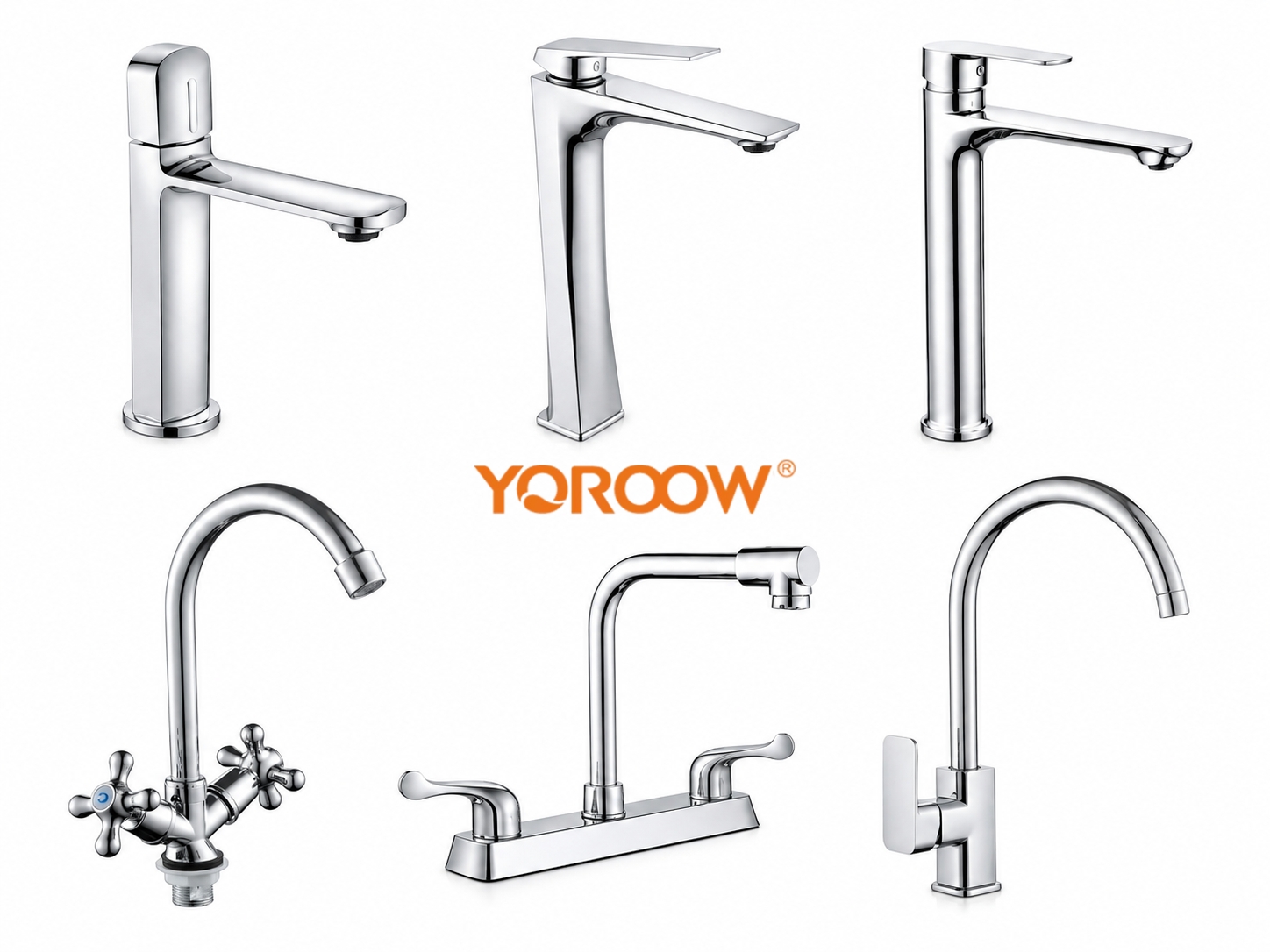
Modern chrome basin faucets can feature slim profiles, square bodies, cylindrical shapes, and various curved designs.
Square bodies and straight spouts emphasize geometric outlines. In contrast, cylindrical bodies and smooth curved transitions create a different visual character.
The mirror-like reflections of chrome also vary depending on the product’s flat surfaces, curves, and edges. As a result, faucets with the same finish can express different design styles.
Changes in Product Structure and Proportions
Faucet designs also differ in body height, spout proportions, and handle configurations.
Standard-height and tall basin faucets can accommodate different basin installation types. Adjusting body proportions, spout shapes, and control handles can also create new product appearances while retaining the chrome finish.
For manufacturers, updating product designs does not necessarily require introducing new finish colors.
Changes in shape, structure, proportions, and functionality allow established chrome finishes to remain relevant in modern bathroom product development.
5. What Opportunities Remain for Chrome in a Diverse Faucet Finish Market?
Chrome, matte black, brushed gold, and gun grey do not simply replace one another. Instead, different finishes can serve different product positions and enrich faucet collections.
When planning product ranges, chrome can cover multiple product categories thanks to its broad application base. Other finishes can further expand the design styles and market options within a collection.
In the future, the competitiveness of chrome faucets will depend on more than color trends. It will also depend on manufacturers’ ability to update product designs, optimize functional configurations, and maintain a reasonable balance between manufacturing quality and cost.
Conclusion
The growing diversity of faucet finishes has changed the competitive environment for chrome faucets. However, it has not eliminated their market value.
Established manufacturing processes, broad product applications, and evolving product designs allow chrome faucets to remain competitive in the modern bathroom market.