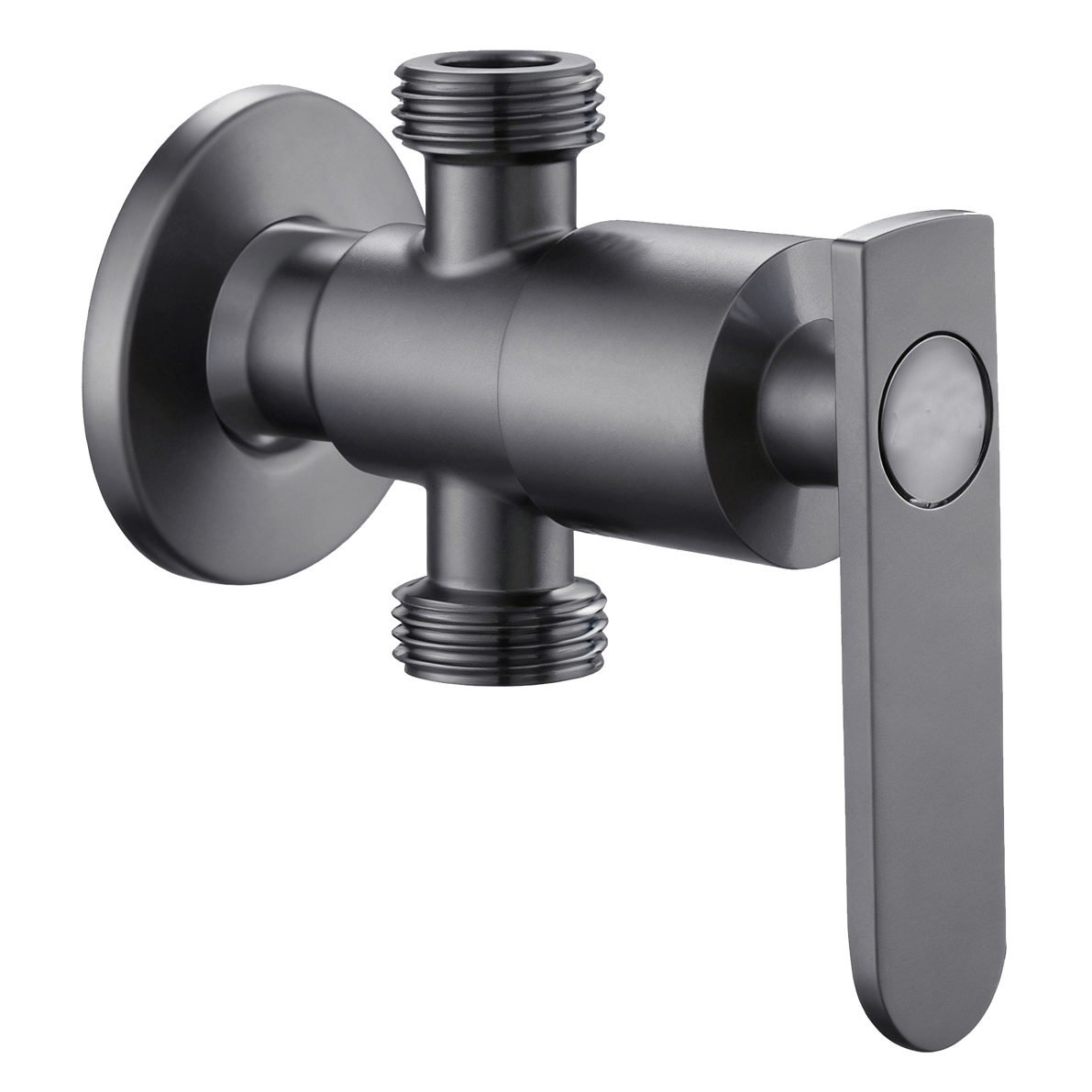




Faucets in hotel guest rooms need to accommodate different user habits while supporting daily cleaning, maintenance, and long-term use. Unlike residential bathrooms, hotels must also consider product consistency across multiple rooms, standardized specifications, and the availability of replacement parts.
Therefore, choosing hotel faucets involves more than appearance and functionality. It also requires attention to user experience, product construction, water efficiency, and long-term maintenance.
Do hotels need specially designed faucets? Can standard faucets meet the requirements of hotel guest rooms? The answer depends on whether the product design, performance, and configuration suit the actual application.
1. What Operating Features Do Hotel Faucets Need?
Hotel guest rooms serve people with different habits and preferences. Faucet controls should therefore be intuitive and easy to use.
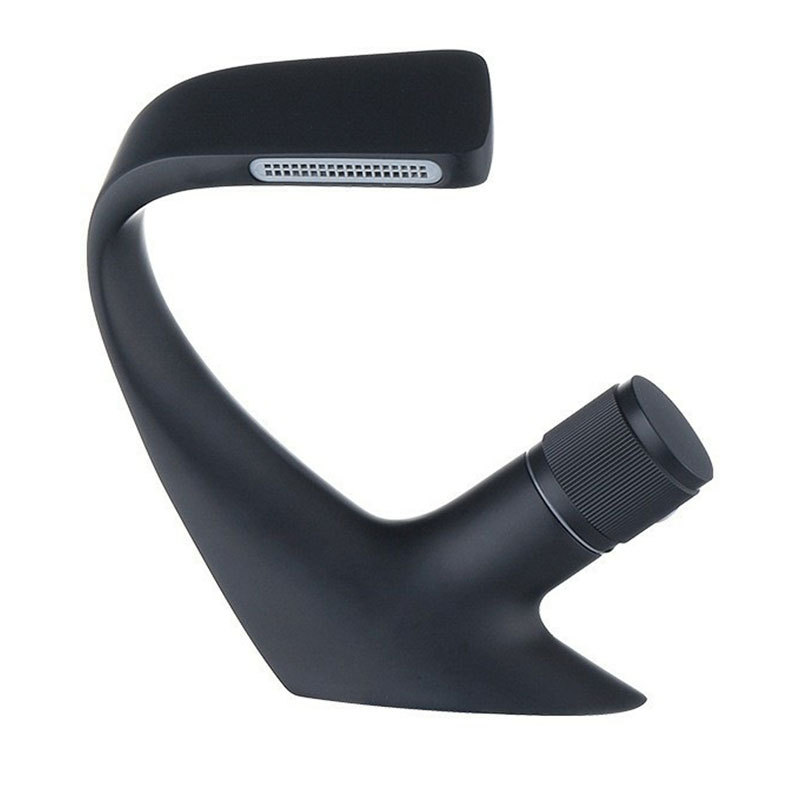
For basin faucets, the control method, spout position, and installation dimensions all affect the user experience. A single-handle faucet allows users to adjust water temperature and flow with one handle. Its spout height and reach should also match the basin dimensions to provide a suitable water outlet position for daily washing.
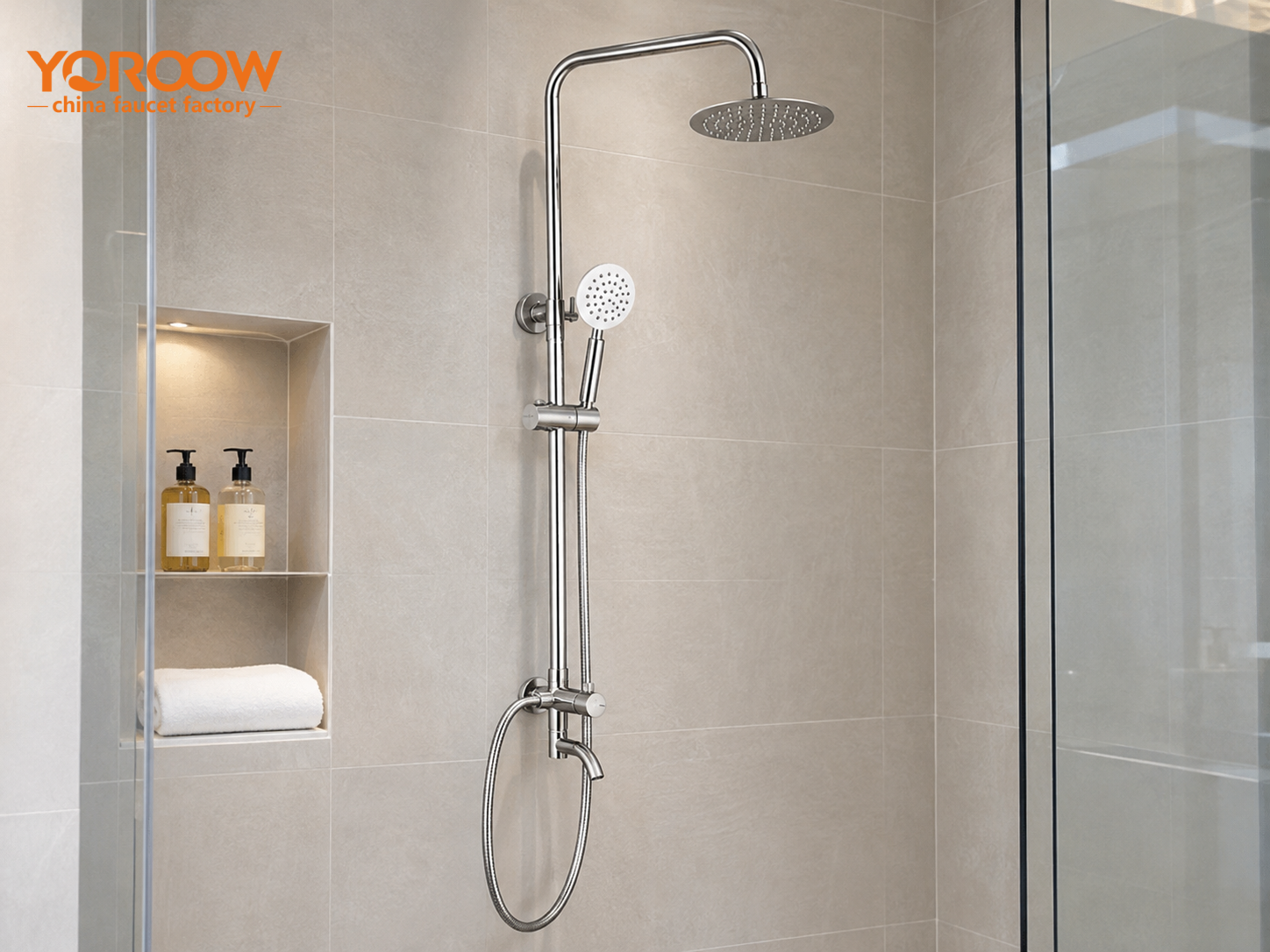
Shower systems have additional requirements, including temperature adjustment and switching between different water outlets. Products with overhead and hand showers need clear and convenient controls. Thermostatic models also require suitable cartridge performance and compatible hot and cold water supplies.
These requirements influence product design. Handle layouts, cartridge installation, water outlets, and control components must work together.
For hotel projects, consistency across guest rooms is equally important. Standardized product specifications can simplify maintenance and reduce complications when replacing components.
2. How Can Water Saving Designs Maintain a Good Water Flow Experience?
Basin faucets and showerheads have different water usage requirements. Water-saving performance depends not only on flow rate but also on aerators, outlet design, and internal water passages.
Basin faucets commonly use aerators to regulate water flow and improve its appearance. An aerator mixes air into the water, creating a softer stream. Its internal structure and flow rate affect the actual performance.
The U.S. EPA WaterSense program sets water efficiency requirements for bathroom faucets used in private-use settings. Certified bathroom faucets have a maximum flow rate of 1.5 GPM (approximately 5.7 L/min). This is at least 30% lower than the U.S. federal reference flow rate of 2.2 GPM (approximately 8.3 L/min). The applicable scope includes private-use bathrooms in hotels.
Showerheads have different requirements. EPA WaterSense-certified showerheads have a maximum flow rate of 2.0 GPM (approximately 7.6 L/min). They must also meet performance requirements for spray force and coverage.
These products use different approaches to water efficiency. Basin faucets rely on aerators and flow control, while showerheads depend more on outlet design and internal structures to maintain a suitable spray experience.
For hotel projects, flow rates should be selected according to target-market requirements and actual usage needs. Reducing water consumption should not come at the expense of everyday washing and showering comfort.
3. Which Manufacturing Factors Affect the Long Term Performance of Hotel Faucets?
Hotel faucets need to withstand regular use and frequent cleaning. Materials, internal structures, machining, assembly, and surface finishing all influence product performance and maintenance requirements.
Materials and Product Construction
Brass and stainless steel are common materials used in faucet manufacturing. The choice depends on product structure, processing requirements, and the intended application environment.
The cartridge is an important component affecting water control and sealing performance. Its dimensional compatibility with the faucet body and handle also matters. Machining accuracy and assembly quality can influence the consistency of faucet operation.
For hotel projects involving bulk orders, product consistency is particularly important. Stable dimensions and standardized configurations help maintain consistency across guest rooms and simplify replacement part matching.
Surface Finishing and Maintenance
Faucet finishes should complement the overall bathroom design while meeting practical cleaning requirements.
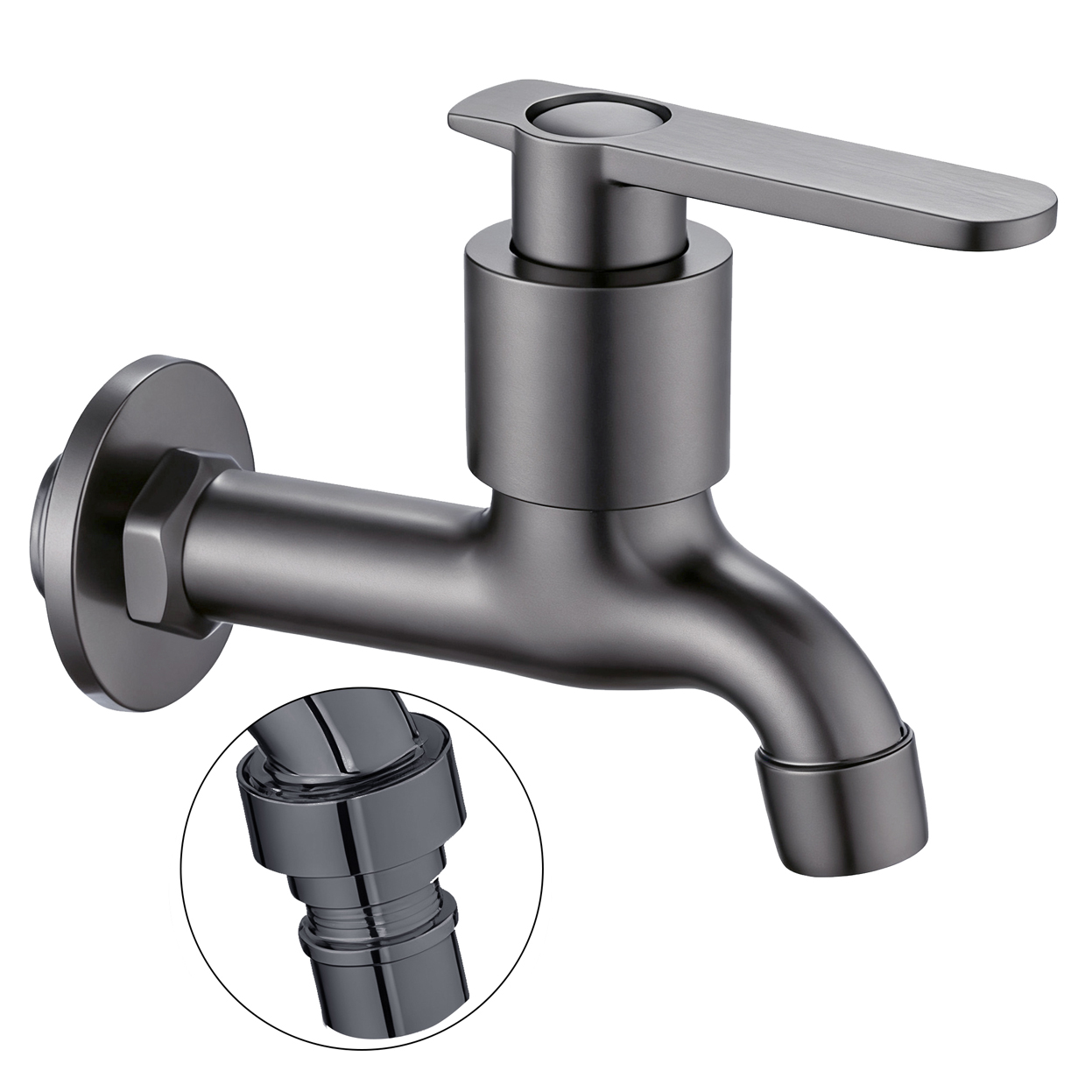
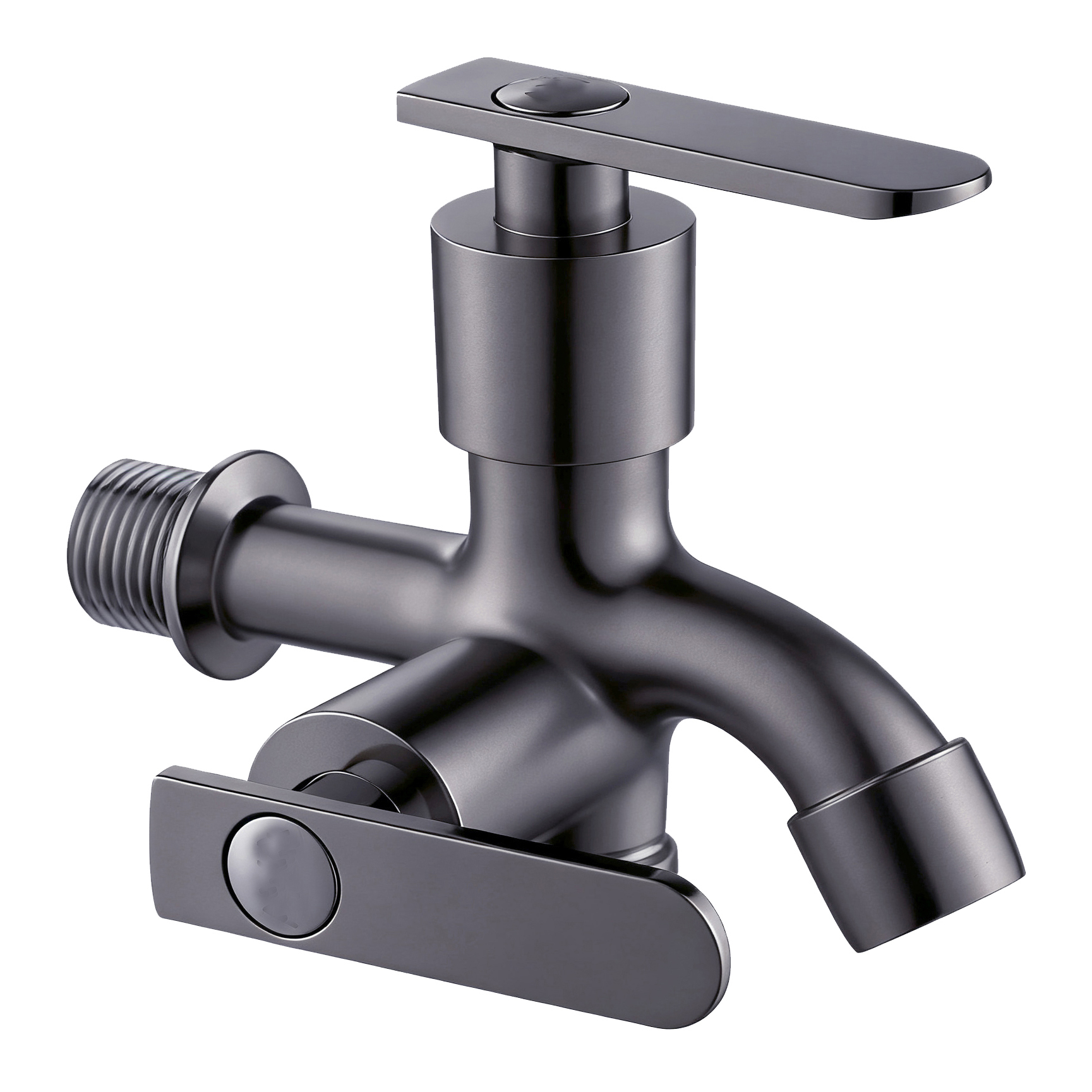
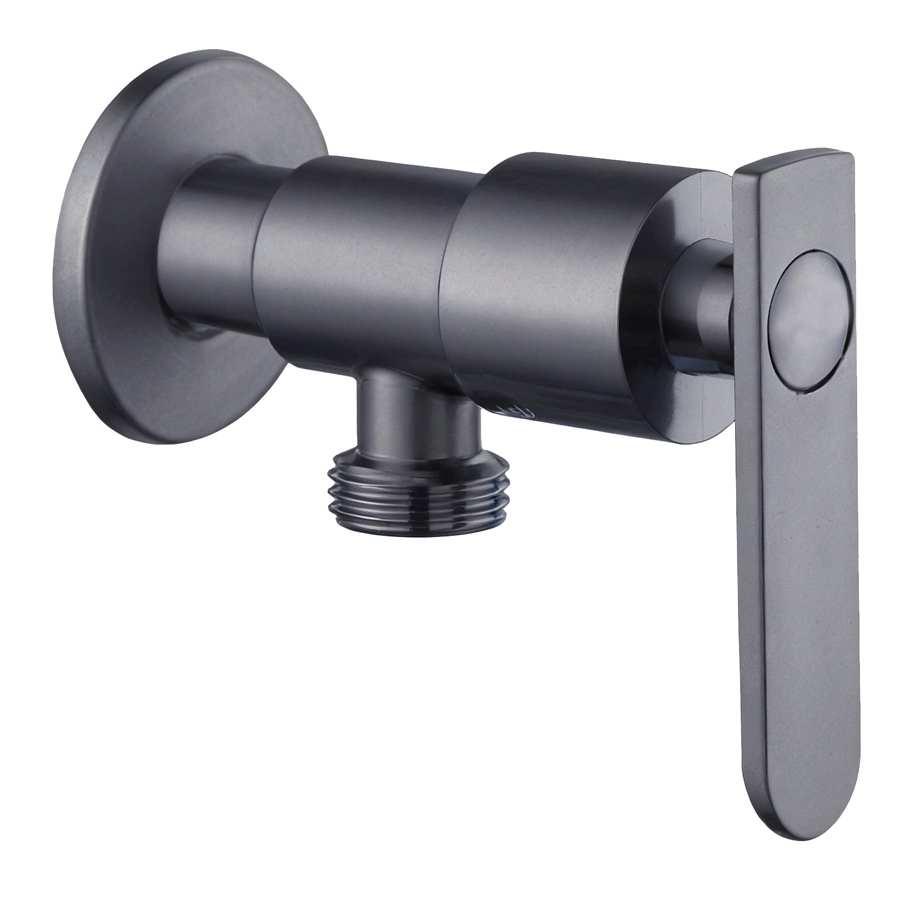
Chrome, brushed metallic finishes, and matte black are common options for different bathroom styles. PVD is a surface treatment technology that creates decorative films in various metallic colors.
YOROOW has PVD surface finishing capabilities and applies this technology to relevant faucet products. It provides additional finish options for kitchen and bathroom applications.
For hotel projects, finish selection should consider the overall design, product processing, and maintenance conditions.
Cleaning procedures also affect surface performance. According to hansgrohe’s official care guidelines, cleaning agents containing hydrochloric acid, formic acid, chlorine bleach, or acetic acid may damage product surfaces. Abrasive cleaning tools can also cause damage.
Hotel housekeeping teams should therefore follow the maintenance instructions for the specific products and use suitable cleaning agents and tools.
Replacement Components
Cartridges, aerators, hoses, and shower nozzles may require periodic cleaning or replacement.
For example, limescale and impurities in the water supply can affect aerator performance. Shower nozzles may also develop uneven spray patterns when mineral deposits accumulate.
Easy-to-remove and clean components can make routine maintenance more convenient.
For hotel projects, spare part compatibility should also be considered during product development. Whether individual components can be replaced and whether future replacements will match the original products can affect long-term maintenance costs.
4. Can Standard Faucets Be Used in Hotel Guest Rooms?
Hotel faucets do not necessarily require completely different structures from residential products. Many standard basin faucets and shower systems can also be used in hotels when they meet the project’s specifications, performance requirements, and installation conditions.
Several factors should be considered during product selection:
- Installation requirements: Check whether faucet dimensions, mounting holes, and hot and cold water connections match the site conditions.
- Functional configuration: Consider basin faucet controls and the shower system’s water outlets and temperature control requirements.
- Product consistency: Ensure that product specifications and finishes remain consistent across guest rooms.
- Mantenimiento: Check whether cartridges and other common components are easy to replace and whether replacement parts will remain available.
Hotel categories and bathroom configurations vary. Therefore, not every guest room needs the same functional setup.
Selecting suitable basin faucets, shower faucets, and related products according to actual requirements is more practical than simply adding more features.
Conclusión
Faucets suitable for hotel guest rooms do not necessarily need complicated functions or an entirely separate product category.
Easy operation, appropriate flow rates, stable product construction, and replaceable components are all important selection factors.
Para faucet manufacturers, hotel projects also require consistent bulk production, coordinated product specifications, and reliable replacement part availability.
By considering product design, manufacturing requirements, and actual usage conditions together, manufacturers can develop faucet configurations that better meet the needs of hotel guest rooms.
References
- EPA — Bathroom Faucets: Bathroom faucet flow rate requirements and applicable scope.
- hansgrohe — Cleaning & Care: Cleaning and maintenance recommendations for faucets and showers.