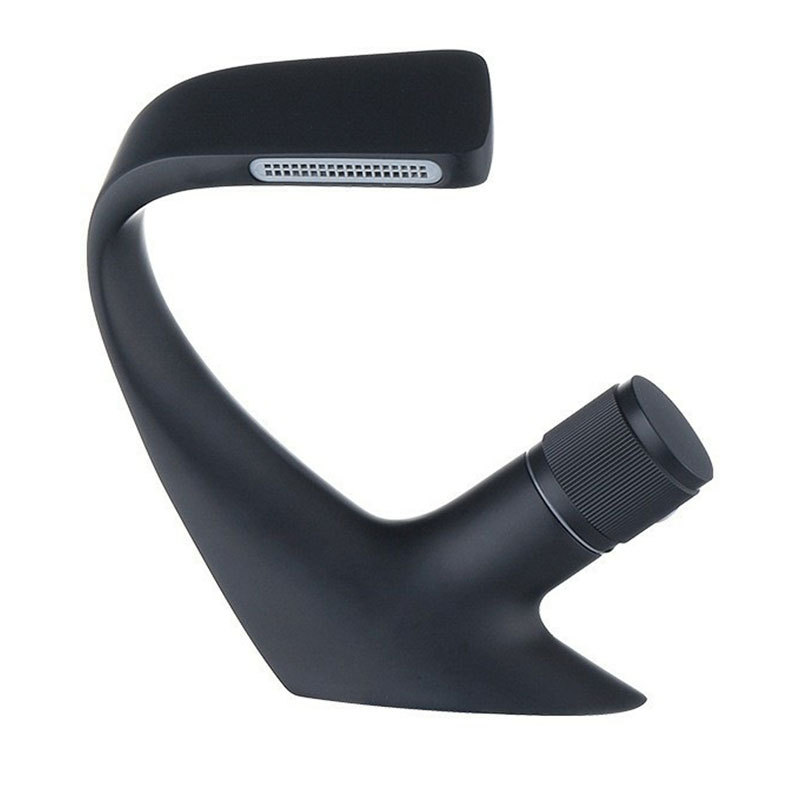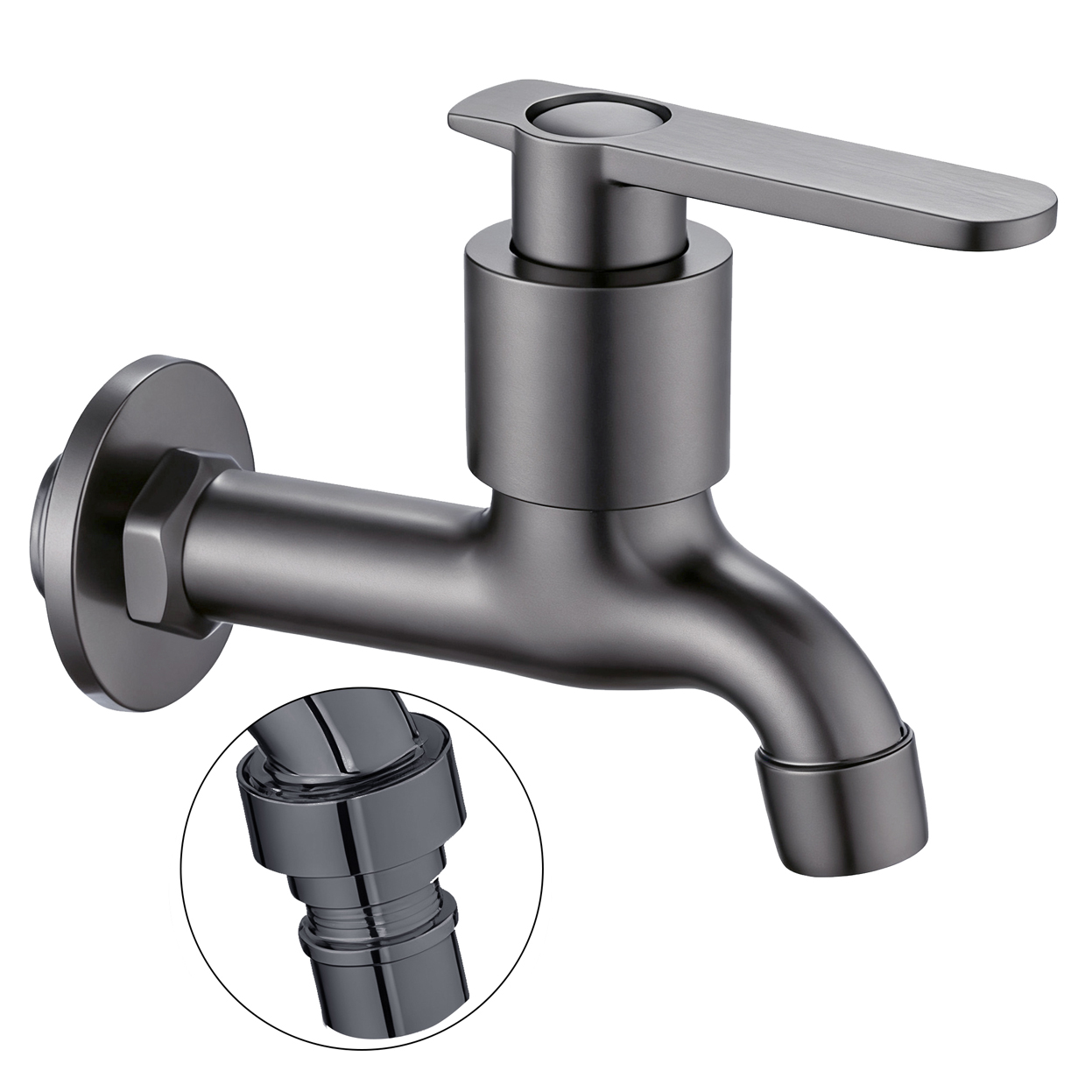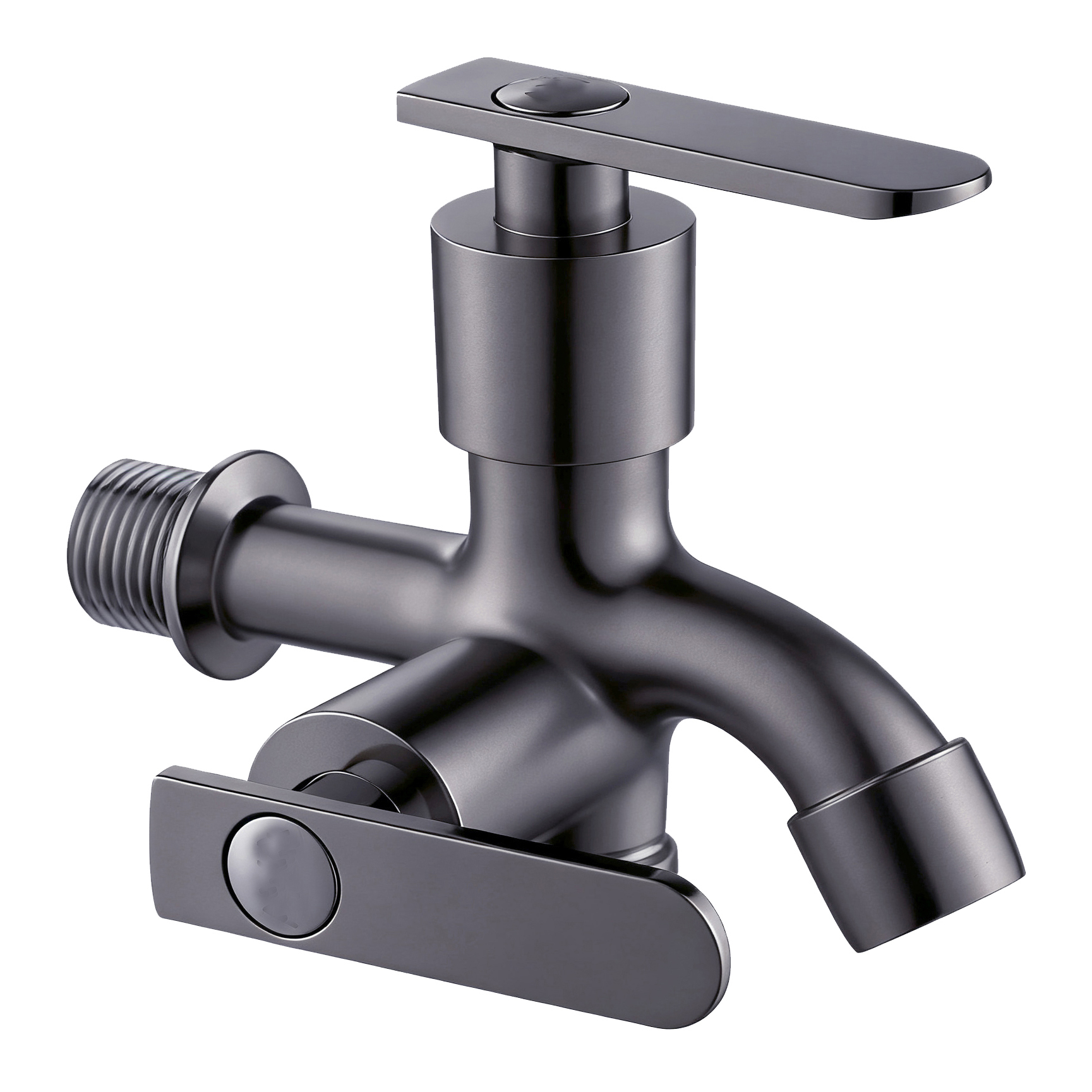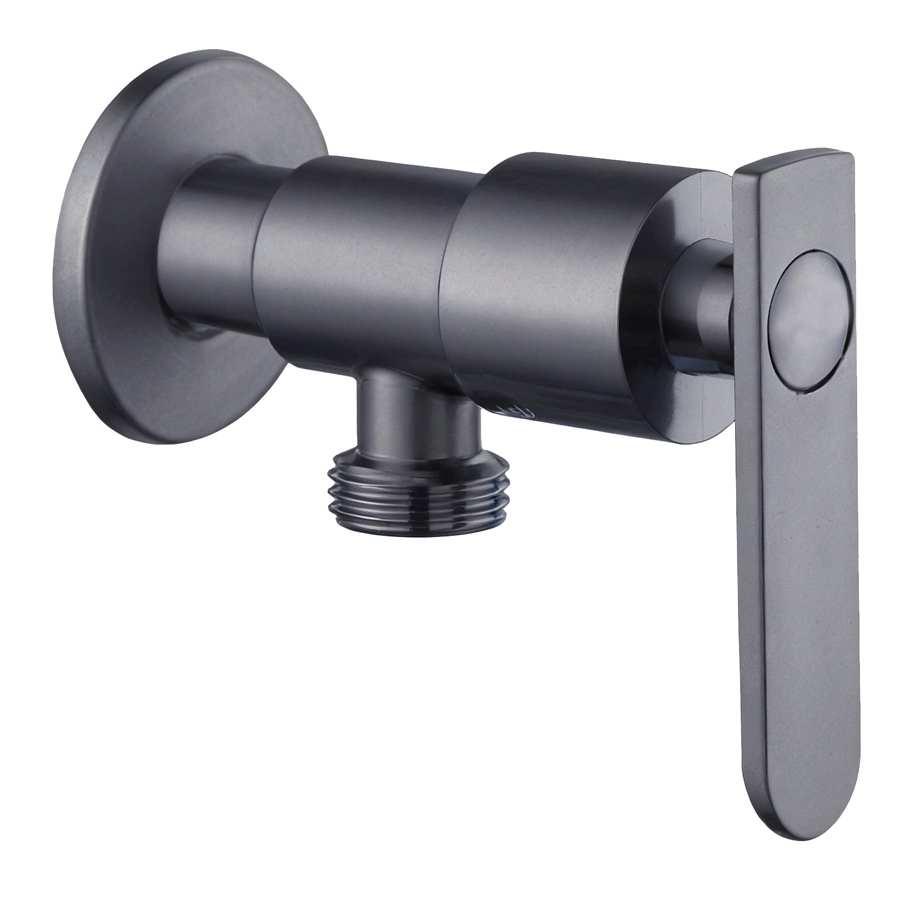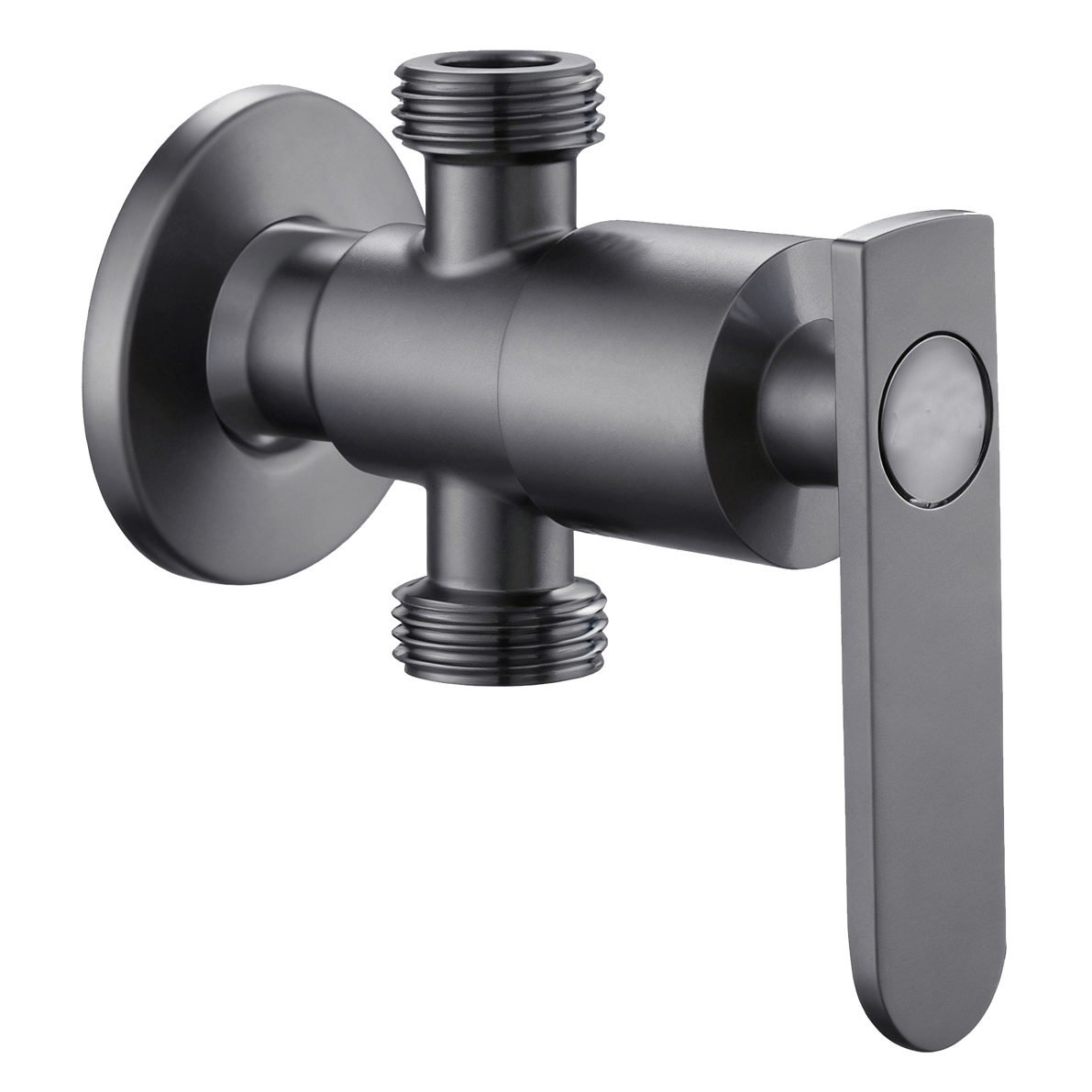



For example, consider a faucet connection. The factory must first confirm the technical drawing, relevant dimensions, and inspection methods. It must then verify the connection after assembly.
Standards begin to influence daily production when factories include these requirements in work instructions and inspection records for actual orders.
This approach is also part of Nan’an’s efforts to improve product quality. In October 2026, the Quanzhou Municipal Administration for Market Regulation reported on technical visits to local plumbing and sanitary ware manufacturers. These visits covered standards training and quality risk analysis.
Such support helps manufacturers understand technical requirements. However, factories must still apply these requirements consistently in daily production.
Different Inspection Items Serve Different Purposes
In March 2023, China’s State Administration for Market Regulation published the results of its 2022 national quality inspection of ceramic cartridge faucets.
The inspection covered several items, including thread accuracy, sealing performance, and resistance to water pressure.
Each inspection item serves a different purpose. Dimensional measurements verify the size of inspected components. Sealing tests evaluate how products perform under specified conditions.
Passing one inspection does not mean a faucet meets every other requirement.
YOROOW’s manufacturing process information describes machining, assembly, and testing as separate stages.
Buyers can examine these stages to better understand the Faucet Manufacturing Process.
For a selected faucet model, ask the factory to connect a specific requirement with its work instructions and inspection records.
Mecanizado
Inspection records should identify the measured component and the drawing version used.
When inspectors use gauges or measuring instruments, buyers should also check whether the tools are suitable. Their calibration status should be valid.
A simple checkmark beside “dimensions inspected” provides limited information.
Without details about the measurements, buyers cannot determine whether the factory has controlled critical dimensions that affect assembly.
Assembly and Final Verification
Components used during assembly must match the approved product configuration.
Agreed testing methods should define clear test conditions and acceptance criteria. The factory should also be able to link inspection results to the relevant products or batches.
Routine production inspections and more comprehensive product verification may have different purposes and frequencies.
Therefore, buyers and manufacturers should confirm the inspection arrangements in advance. These arrangements should reflect the selected faucet model and its intended market.
Update Work Instructions When Components Change
Quality control problems sometimes become visible after an engineering change.
For example, a factory may introduce a revised component while operators still use outdated work instructions.
Another problem occurs when old and new components share unclear inventory labels.
Buyers should confirm when a design change takes effect and how the factory handles existing inventory. They should also identify which inspections need to be repeated.
This turns discussions about manufacturing standards into practical production requirements.
A factory should be able to explain which requirements apply, how operators follow them, and what happens when inspection results fall outside acceptable limits.
With this information, buyers and auditors can evaluate actual production evidence.
A standard number printed in a company brochure cannot, by itself, prove how the next production batch will perform.