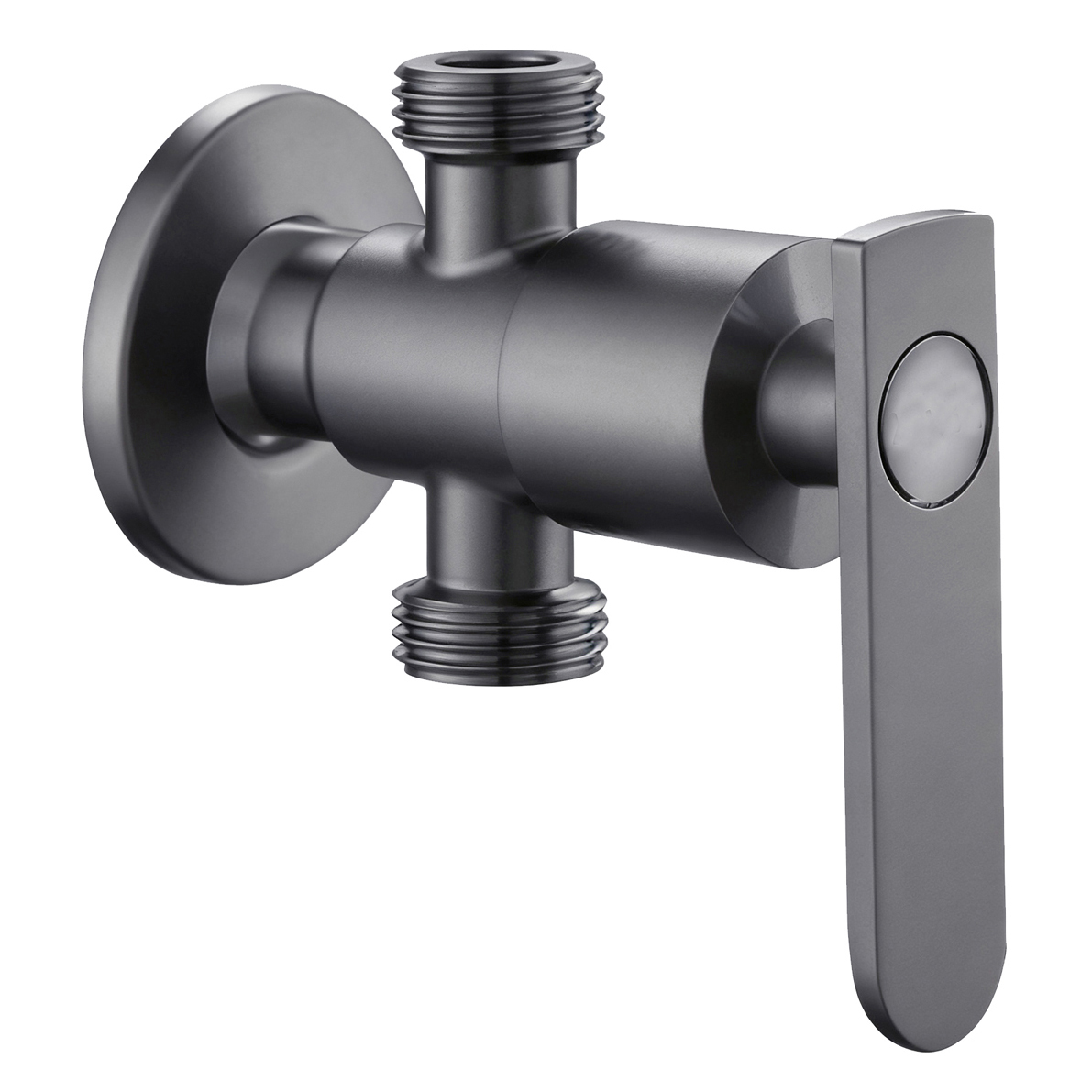




When shoppers buy a faucet or valve from a hardware store, “1/2 inch” looks like a very clear specification.
This is especially true when someone brings in an old product and looks for a replacement.
If a new 1/2 Inch Bibcock also says “1/2 inch,” it is easy to assume that the matching size means direct compatibility.
However, one size number cannot confirm pipe connection compatibility.
Two “1/2 Inch” Connections May Not Be the Same
The term 1/2 inch usually refers to a nominal pipe thread size.
Actual installation requires more information.
Buyers also need to check the thread system, whether the connection uses male or female threads, and how the joint creates a seal.
Markets may use terms such as BSP, G, and NPT for pipe connections.
ISO 228-1 covers pipe threads where pressure-tight joints do not rely on the threads themselves. It uses G as the relevant thread designation.
NPT belongs to the inch-based pipe thread system covered by ASME B1.20.1.
For this reason, two products may both show “1/2 inch” on the packaging and still use different connection requirements.
The size alone does not prove that they can replace one another directly.
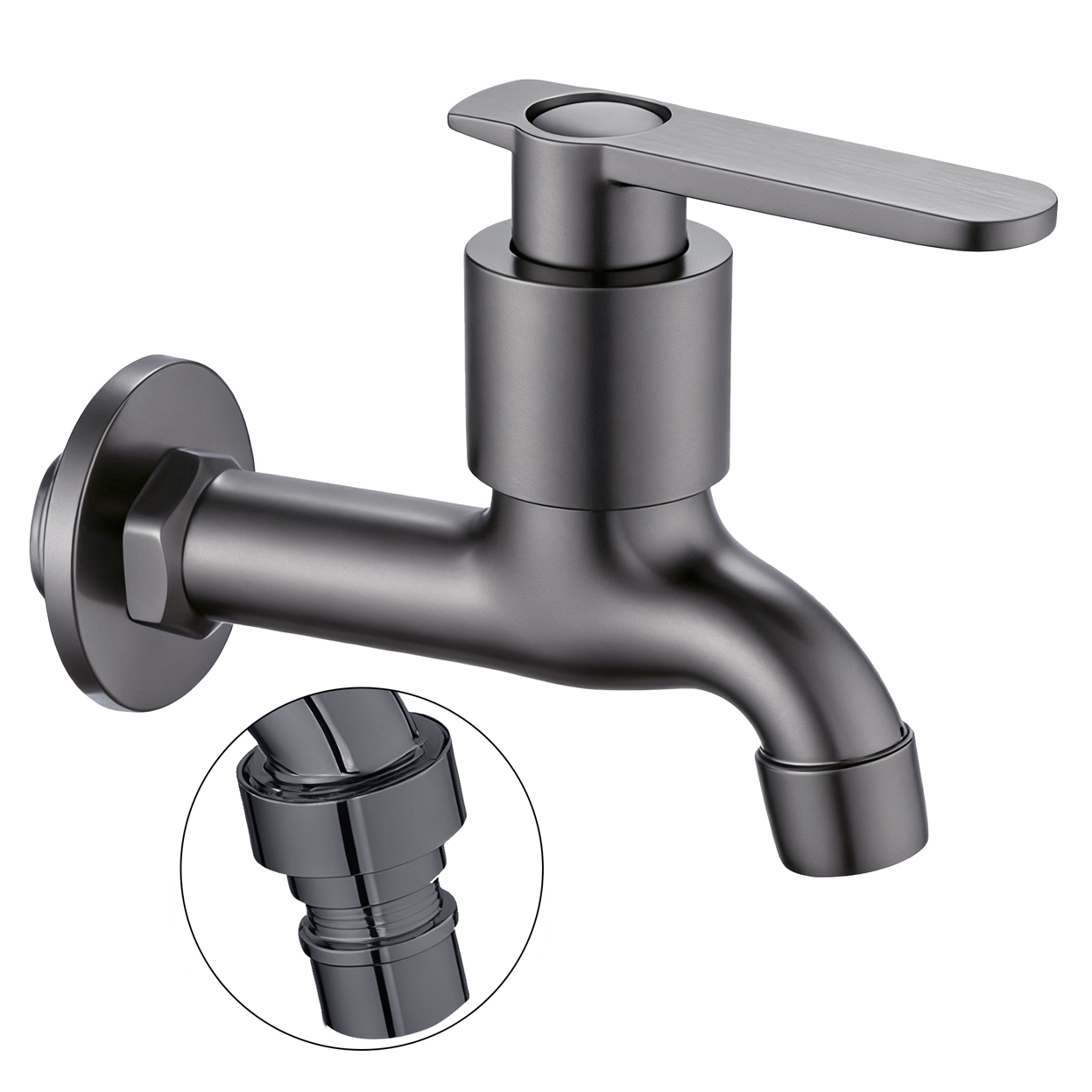
This matters especially for a hose bib 1/2in, which buyers often purchase to replace an existing product.
Retail Packaging Should Separate Size From Connection Information
If the front of the package only highlights:
1/2″
the shopper receives the nominal size but not all the information needed to confirm the installation.
ISO 228-1 specifies dimensions and tolerances for parallel pipe threads used in mechanical connections for fittings, cocks, and valves.
It also makes clear that these threads do not create pressure-tight joints through the threads themselves.
When sourcing a 1/2 Inch Bibcock, buyers should not use “1/2” alone to determine the thread profile or sealing method.
They should also check the sample’s male or female connection, the fittings used in the target market, and the location of the sealing surface.
For replacement projects, the supplier can compare the new product with an actual old fitting and record the complete connection specification.
Inspection should also treat thread specification and sealing structure as separate checks.
A similar outside diameter does not prove interchangeability.
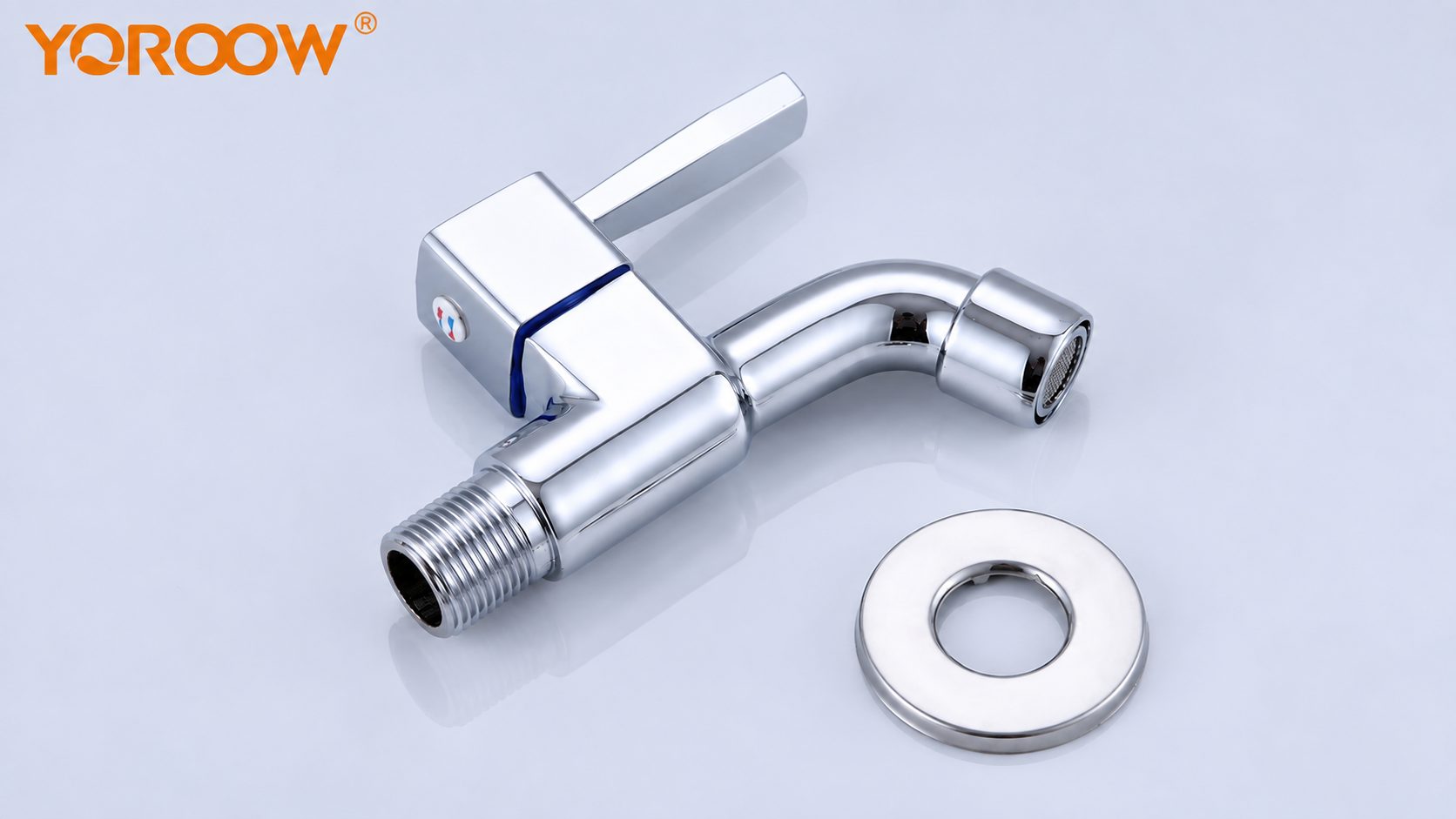
A more complete product specification should therefore identify the actual thread standard.
It should also state whether the connection uses male or female threads and explain the required connection method.
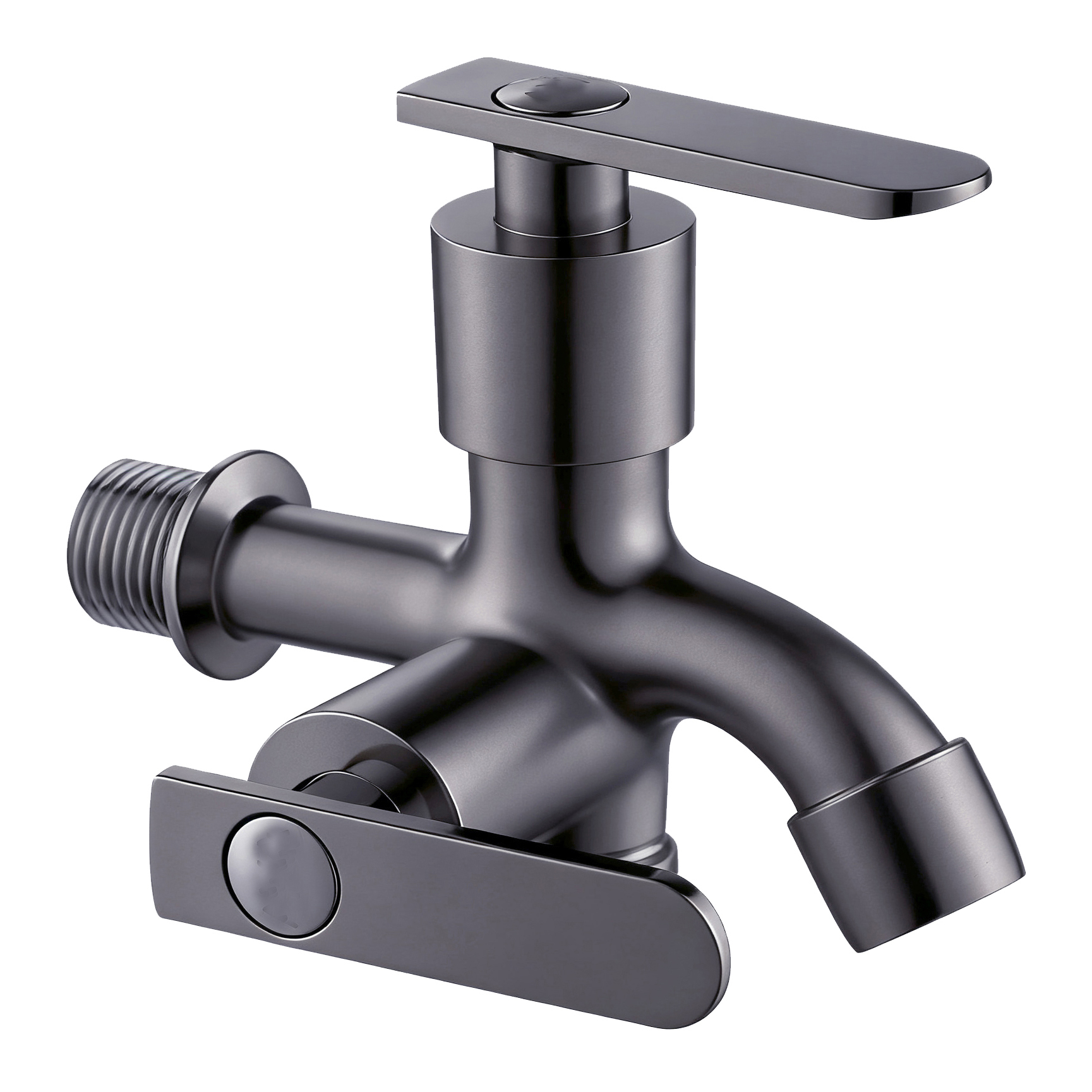
This becomes even more important for a حنفية ثنائية الاتجاه مقاس 1/2 بوصة.
A two-way design introduces another connection point.
If the packaging highlights only the main inlet size, the second outlet may still fail to match the existing hose or fitting.
Each connection should therefore have its own specification.
One “1/2 inch” label should not describe the entire product when different connection points have different requirements.
“Universal” Cannot Replace Complete Connection Specifications
Retail packaging should make specifications easy to understand.
However, simplifying the label should not hide the technical conditions of the connection.
If a product works with a specific thread system and connection method, terms such as “Universal” or “Standard Size” cannot replace the actual specification.
When two thread systems can both appear as half-inch sizes, a clearer retail approach is to offer the required adapter as a separate, identified component.
Stores should not assume that staff can always find a suitable adapter after the customer discovers a mismatch.
If an adapter comes with the product, the packing list should state its actual connection standard.
It should also identify the position of any required sealing component.
Even with an adapter, retailers should not promise that every existing wall connection will work without modification.
Consumer packaging does not need to become a detailed guide to pipe thread standards.
It does need enough information for the shopper or installer to check compatibility before opening and installing the product.
For a 1/2 Inch Bibcock, the nominal size helps narrow the choices.
The complete connection specification confirms whether the product actually fits.
Keeping these two pieces of information separate makes “1/2 inch” useful.
It prevents a simple size label from creating a false impression of compatibility.