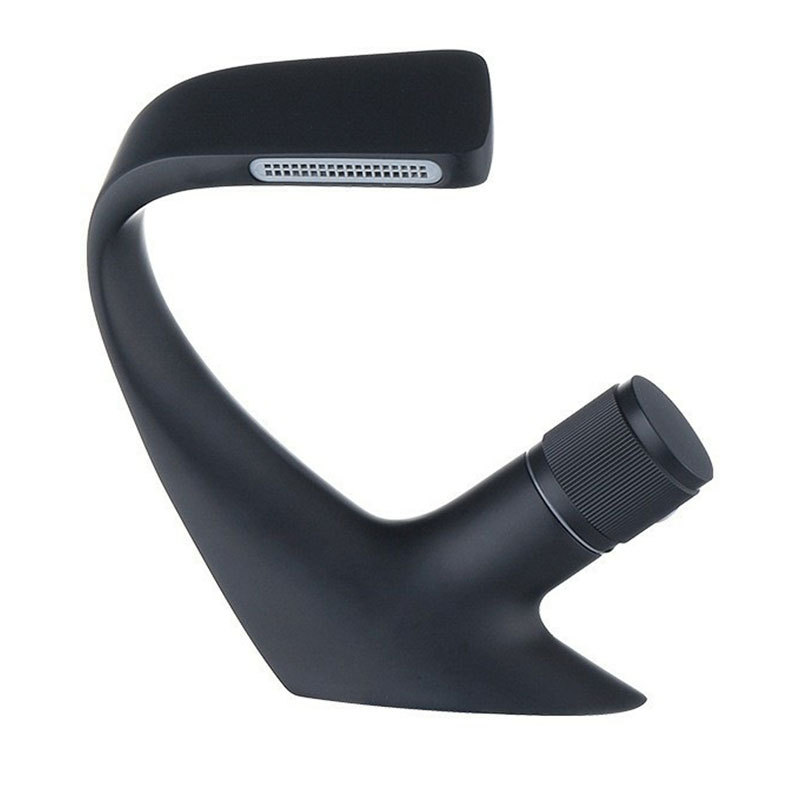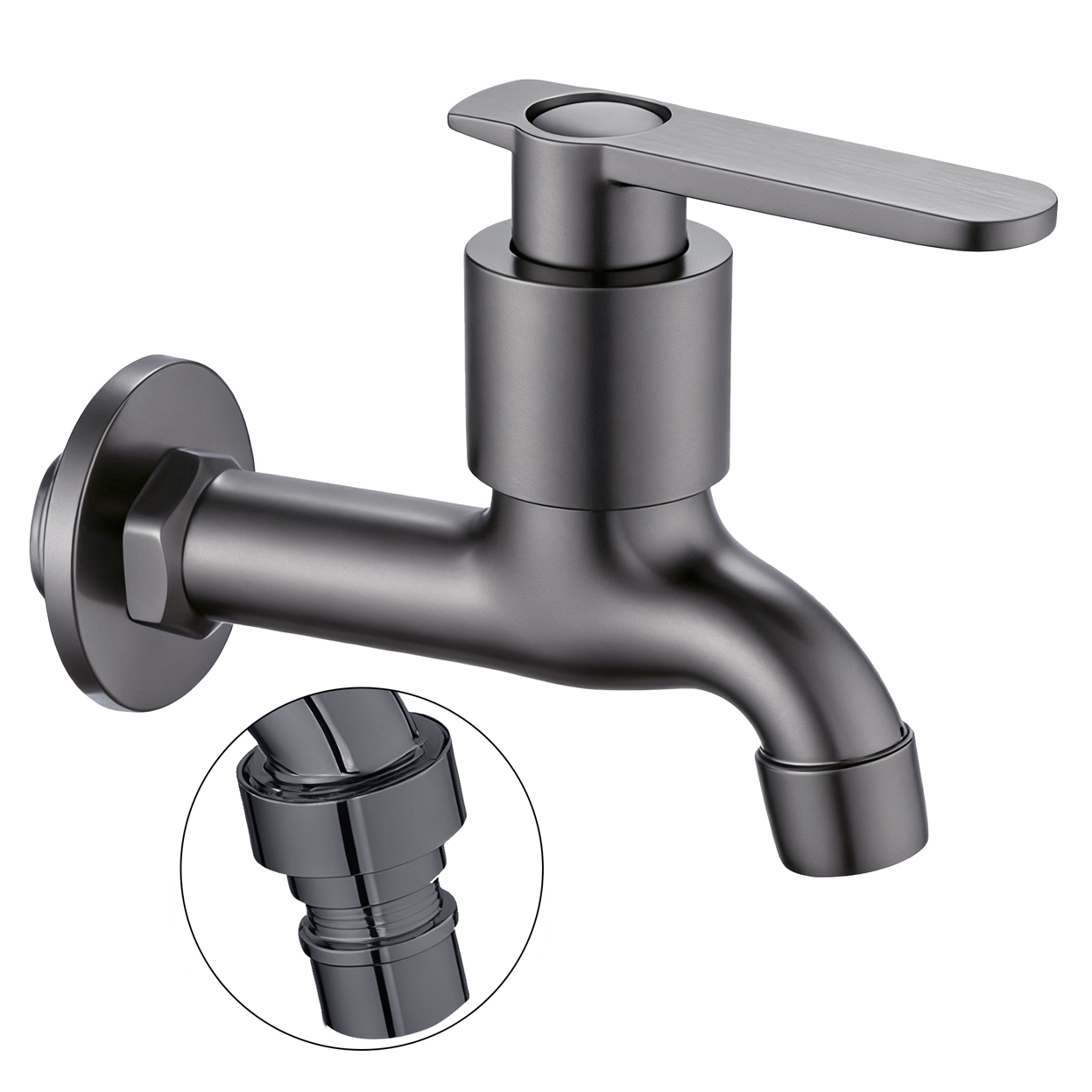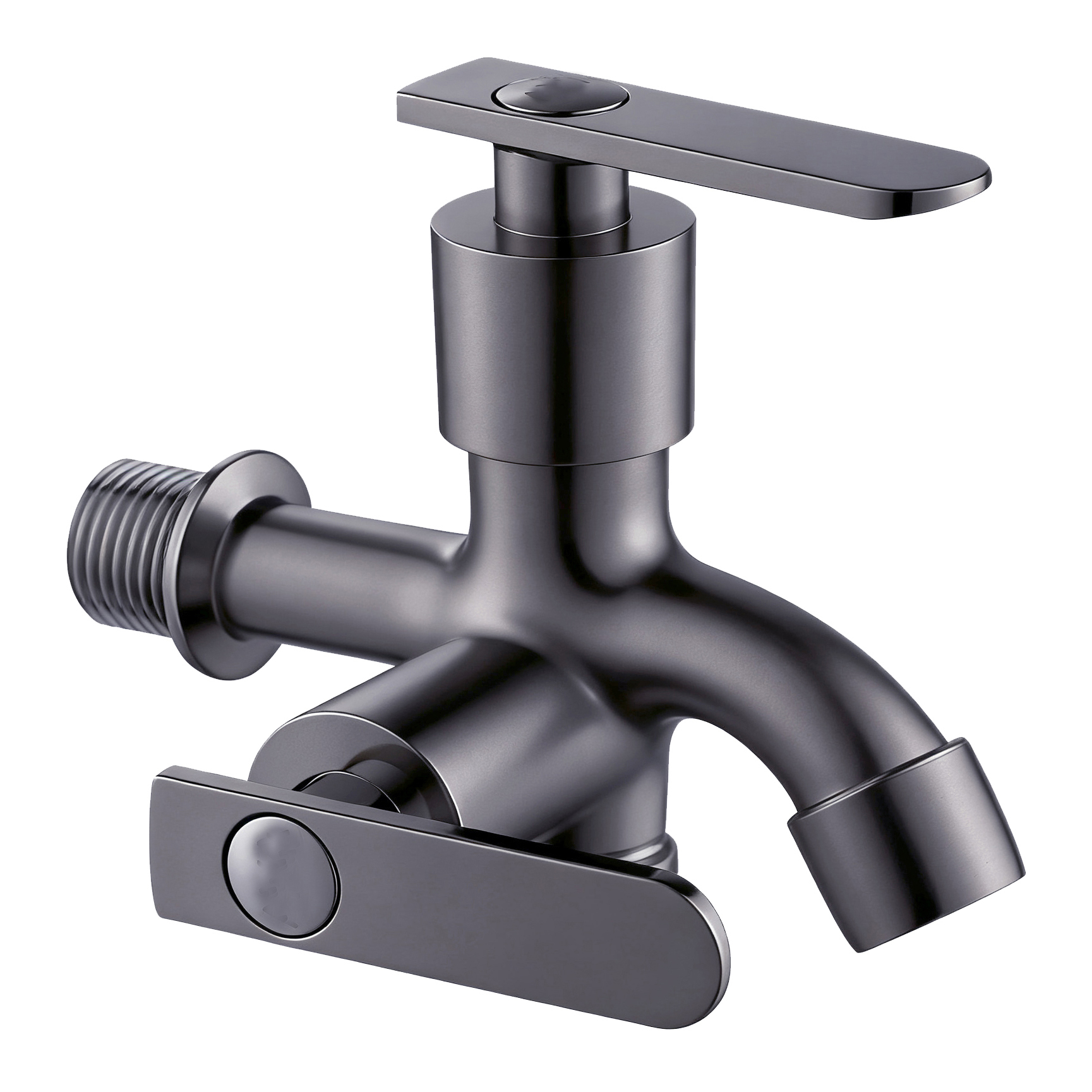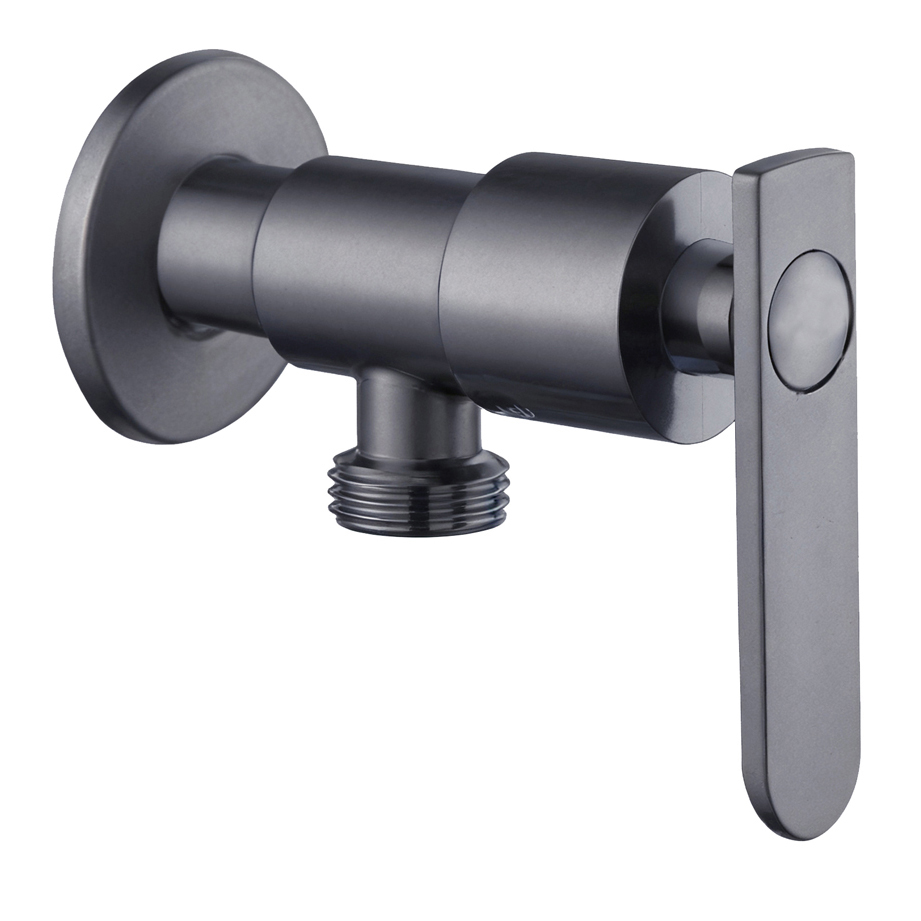




A faucet may pass visual inspection and still have leakage risks before shipment. For a Leak Proof Water Tap, the key question is:
Which leakage risks can the factory still identify before the product leaves production?
Finding a problem before packaging is much easier than discovering it after installation.
Leak Prevention Checks Should Cover More Than One Area
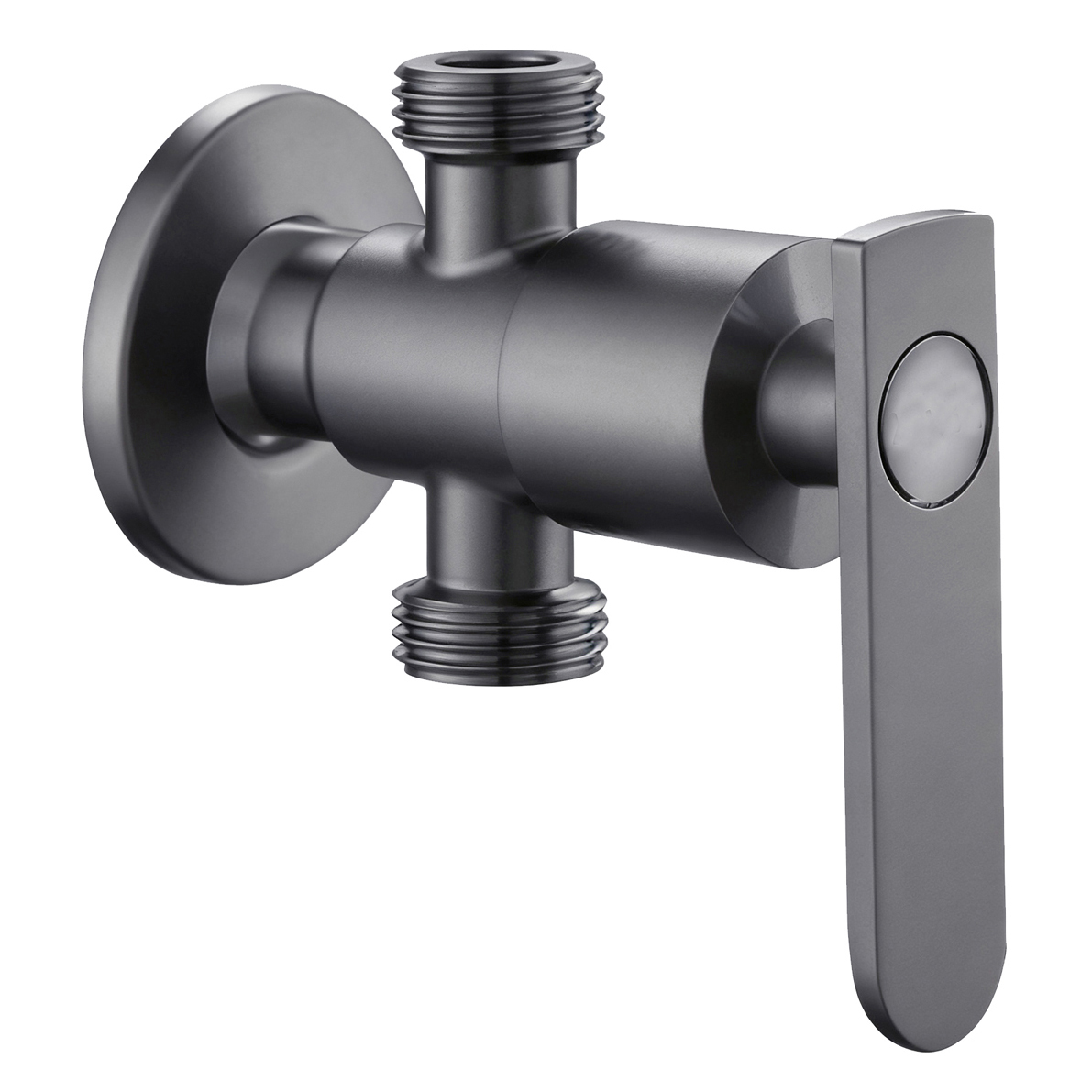
A Leak-proof water tap depends on several parts working together. The faucet body, cartridge, control components, connection points, seals and final assembly can all affect sealing performance.
A Leak-proof hose bib also requires attention at the outlet connection and installation interface.
A 2-way tap for leak-proof has more than one water path. The inspection should therefore cover different control positions and outlet conditions.
Instead of treating “no leakage” as one final inspection item, the factory should check the specific points where leakage may occur.
Static Checks and Operational Checks Serve Different Purposes
A faucet that does not leak while closed has passed only one condition.
The product should also go through opening, closing and, where applicable, switching between different water outlets.
Assembly tolerances, seal positioning or connection conditions may only show problems during operation or after the faucet closes again.
Pre-shipment inspection can therefore check:
- sealing when the faucet is closed;
- connection points while water is flowing;
- sealing after repeated operation;
- different water paths on multi-outlet products.
Pressure, test duration and other conditions should match the product specification, target market and applicable requirements.
Standards such as ASME A112.18.1/CSA B125.1 provide useful references for plumbing supply fitting performance and testing. However, the actual test conditions still need to match the specific product and market.
Visual and Assembly Checks Can Identify Some Risks Earlier
Leak testing should not rely only on water or pressure testing.
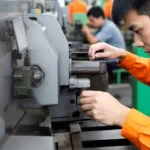
A misplaced seal, incorrect connector assembly or visible problem with threads may already reveal a potential issue before formal testing starts.
Assembly inspection and sealing verification therefore serve different purposes.
Assembly checks help identify obvious manufacturing or fitting problems early. Sealing tests then confirm whether the finished product performs as required.
Changes to seals, cartridges, connectors or other sealing-related parts also need attention.
Even if the model number and appearance remain unchanged, a component change can affect sealing performance. When a change affects a critical connection or sealing point, the factory should verify the new assembly and test result again.
Keep Leakage Problems at the Factory, Not at the Installation Site
For a Leak-proof garden tap, bibcock or similar product, a sealing problem becomes more difficult to handle after the product enters overseas inventory or reaches the installation site.
The issue may then involve replacement products, Spare Parts, additional logistics or on-site service.
This is why pre-shipment leak prevention matters.
The goal is not to prove that a product can carry the label “Leak Proof.”
The goal is to check sealing points, connections, operating conditions and final assembly before shipment, so that the factory can solve detectable problems before the product enters the market.
بصفتك China faucet factory, YOROOW can combine assembly inspection with pre-shipment sealing and functional checks. The inspection points should follow the actual structure of each faucet rather than one fixed test routine for every product.
For leak prevention, the most important question is not whether the factory performs one standard test.
It is:
Does the inspection cover the actual points where this faucet could leak?