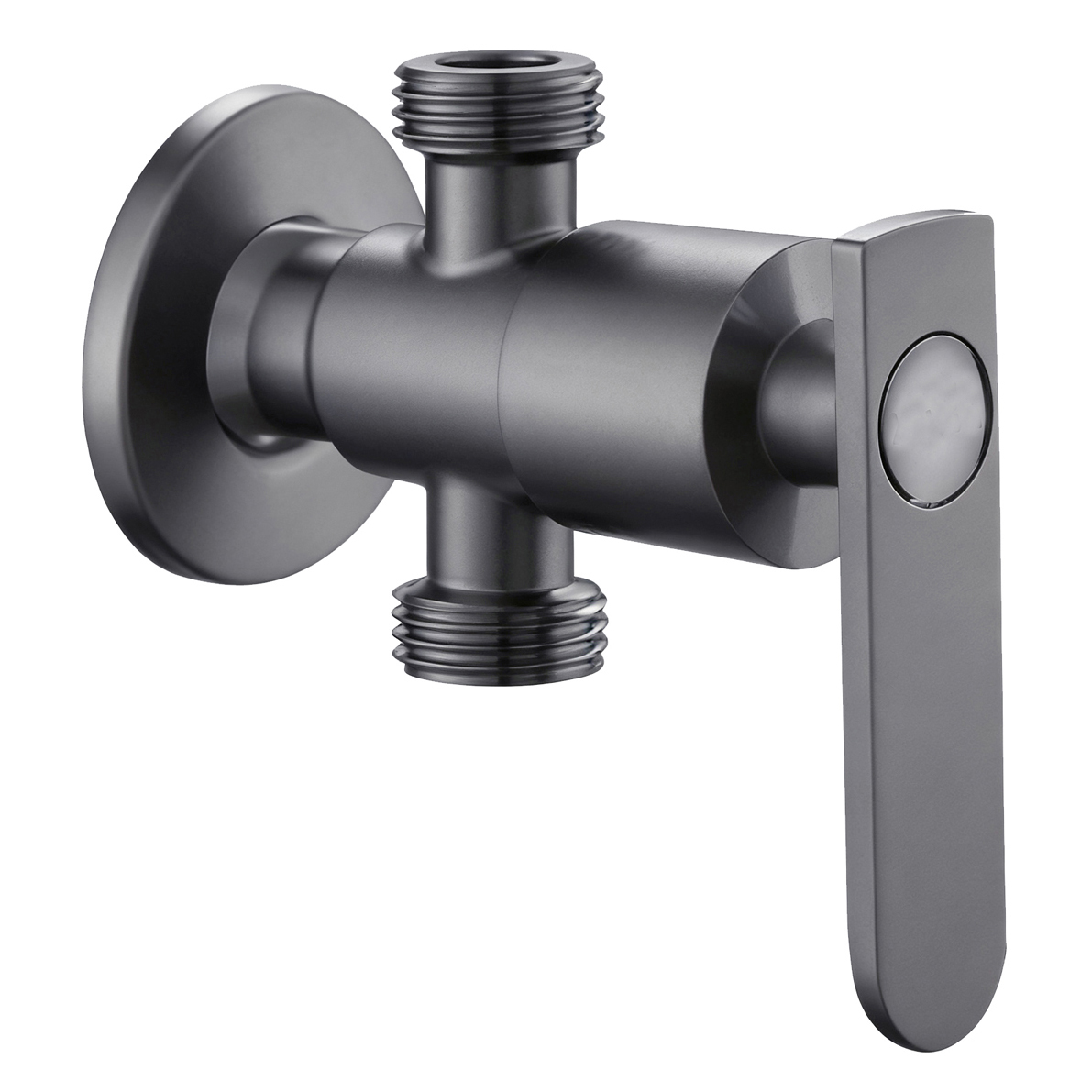




More functions do not automatically make a product better for retail.
For a 2-Way Water Tap, the value of the added function starts with one simple question:
Why does the user need a second water path?
If there is no clear answer, “Two-Way” can easily become just another specification on the package.
When the second outlet serves a clear purpose, the product structure starts to make more sense.
The Value of 2-Way Comes From the Use Case, Not the Number
In some installations, one outlet provides water for normal use.
The second may connect to a hose, washing machine, or another water-using device.
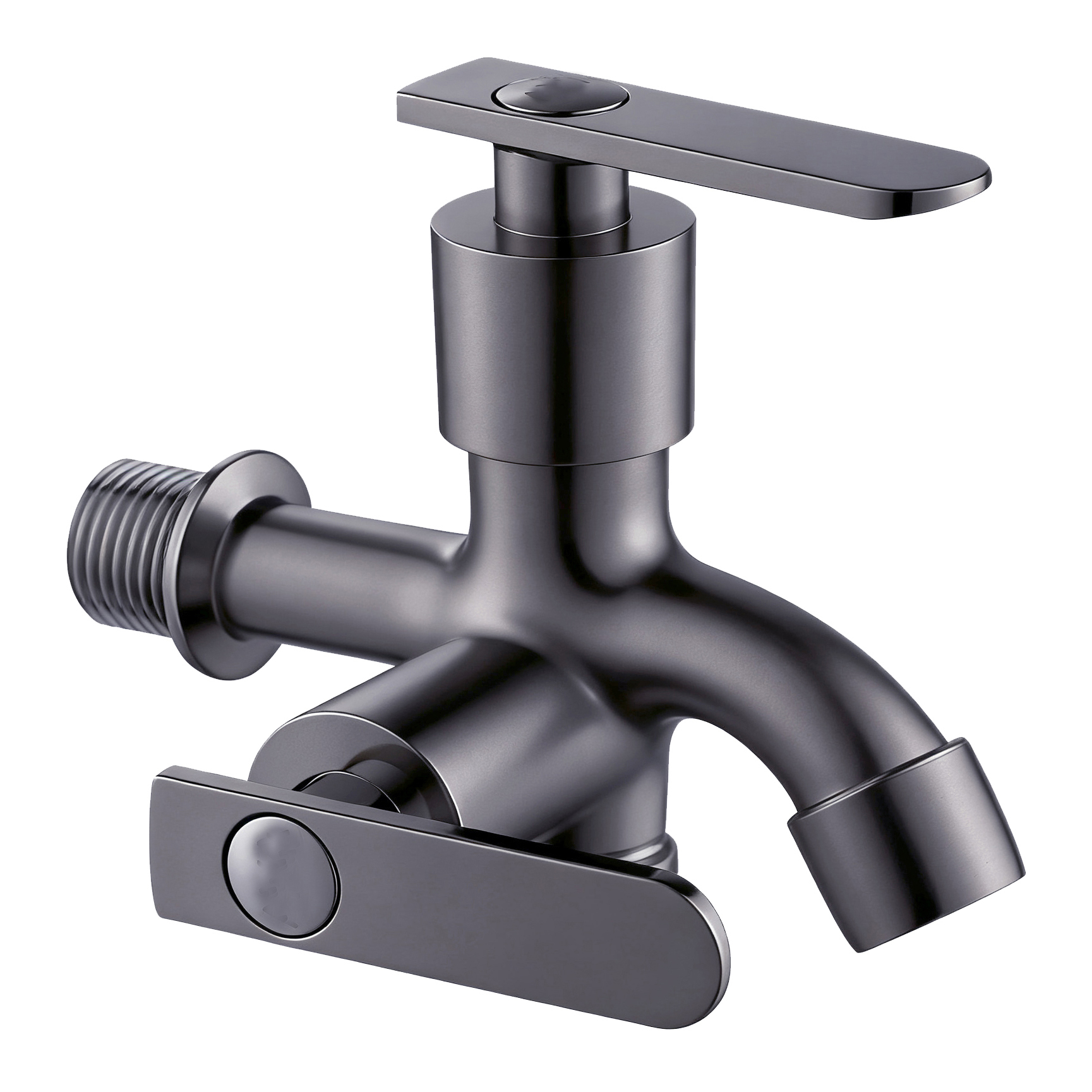
In this situation, a two way water tap can bring two connection needs into one installation point.
However, “2-Way” does not always describe the same flow arrangement.
One supplier may use the term for two outlets that can operate independently.
Another may use it for a switching design.
A third product may have one control with two connection points.
Before comparing prices, buyers should ask the supplier to show the control actions and water paths.
This provides more useful information than comparing products only because both catalogs call them “2-Way.”
If a retailer plans to sell a 2-Way Water Tap as a regular SKU, the front of the package can use a simple product diagram to show what each outlet can connect to.
The back can provide the connection sizes and installation limits.
Shoppers do not mainly need to know that the product has “two functions.”
They need to know whether it can connect correctly between their existing water supply and the device they want to use.
The retail explanation can stay simple:
Outlet A → Daily Water Use
Outlet B → External Device
The actual applications still depend on the product design and connection specifications.
A usage illustration should not become a universal compatibility claim.
A Multi-Function Product Should Reduce Complexity, Not Add More
This is where a 2-Way product differs from many electronic or smart features.
It adds another function, but it may reduce the number of separate fittings or connections needed for a specific installation.
That makes the control method and connection type important inventory information.
Retailers should record them separately.
For example, two packages may both say “2-Way Water Tap.”
One may use two independent valves.
The other may use a single valve with a diverter.
These products should not be treated as interchangeable SKUs simply because the product names look similar.
Retail testing can therefore focus on two practical questions.
Can shoppers quickly understand what the two outlets do?
Do they see a clear use for the second outlet in their own installation?
If shoppers rarely understand the second outlet, or staff need a long explanation to describe its purpose, the extra function may not create much retail value.
If both use cases are immediately clear, the 2-Way structure becomes more than “a tap with one extra outlet.”
It provides a practical way to organize two water needs around a limited installation point.