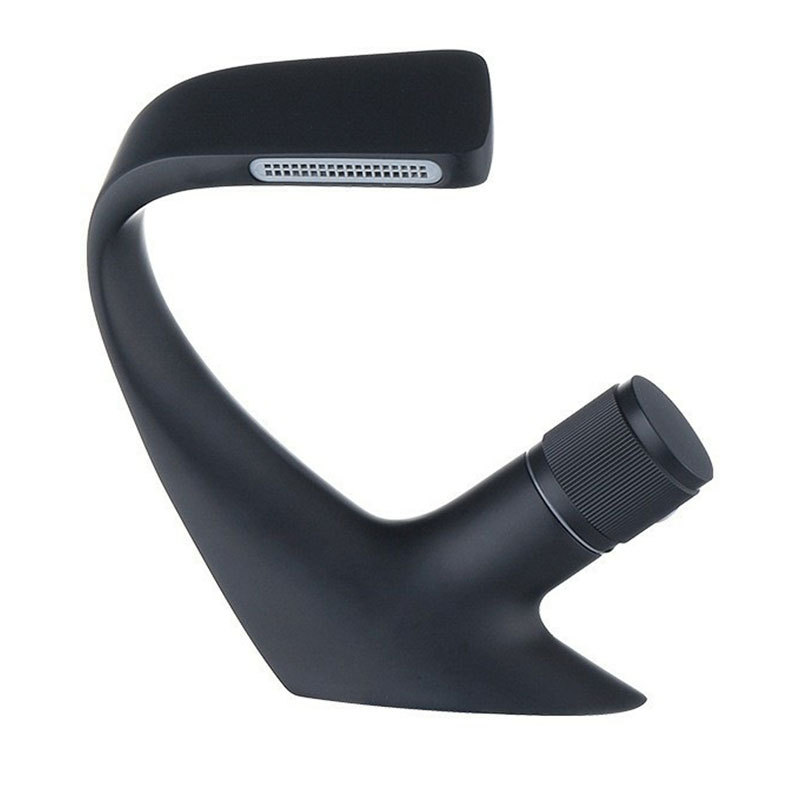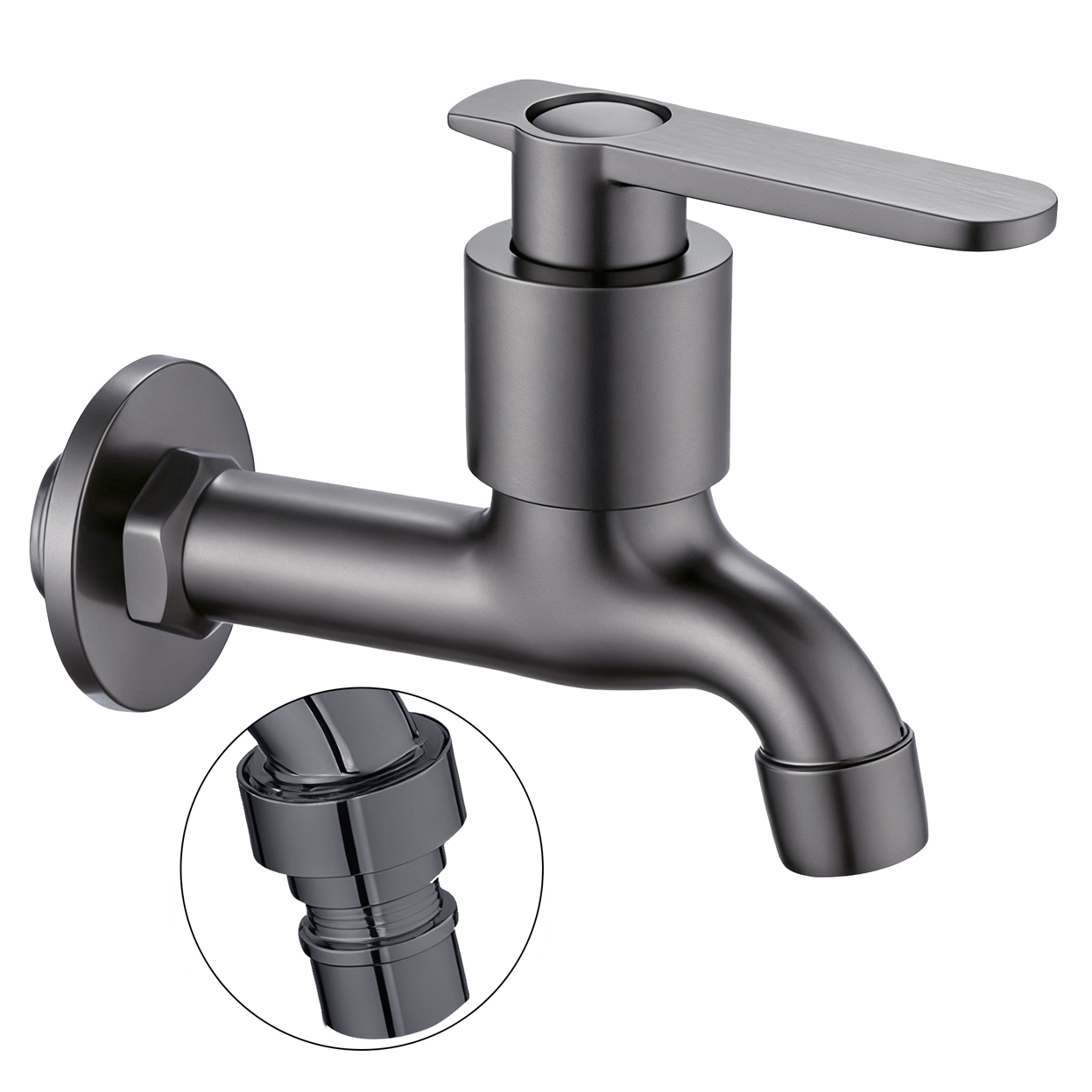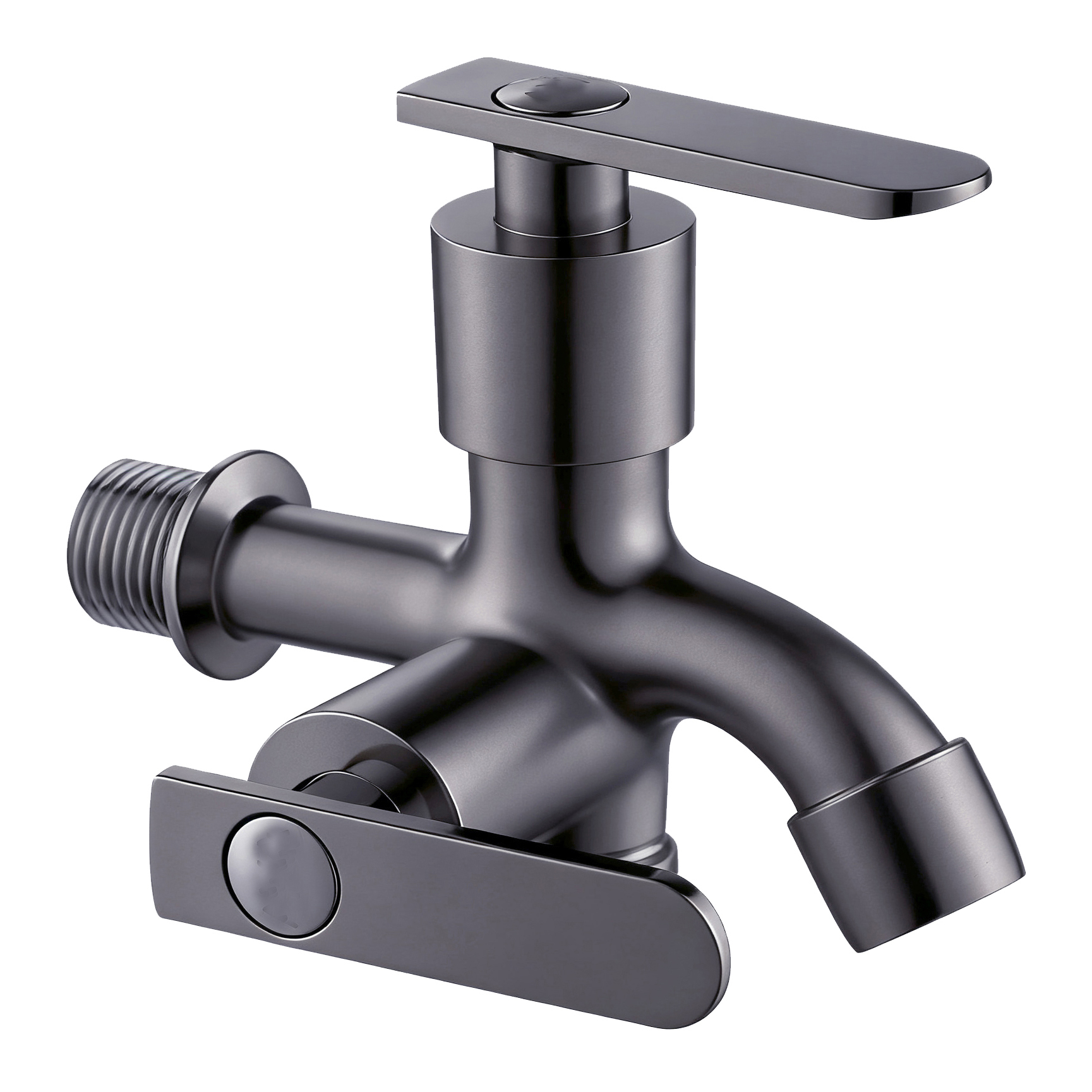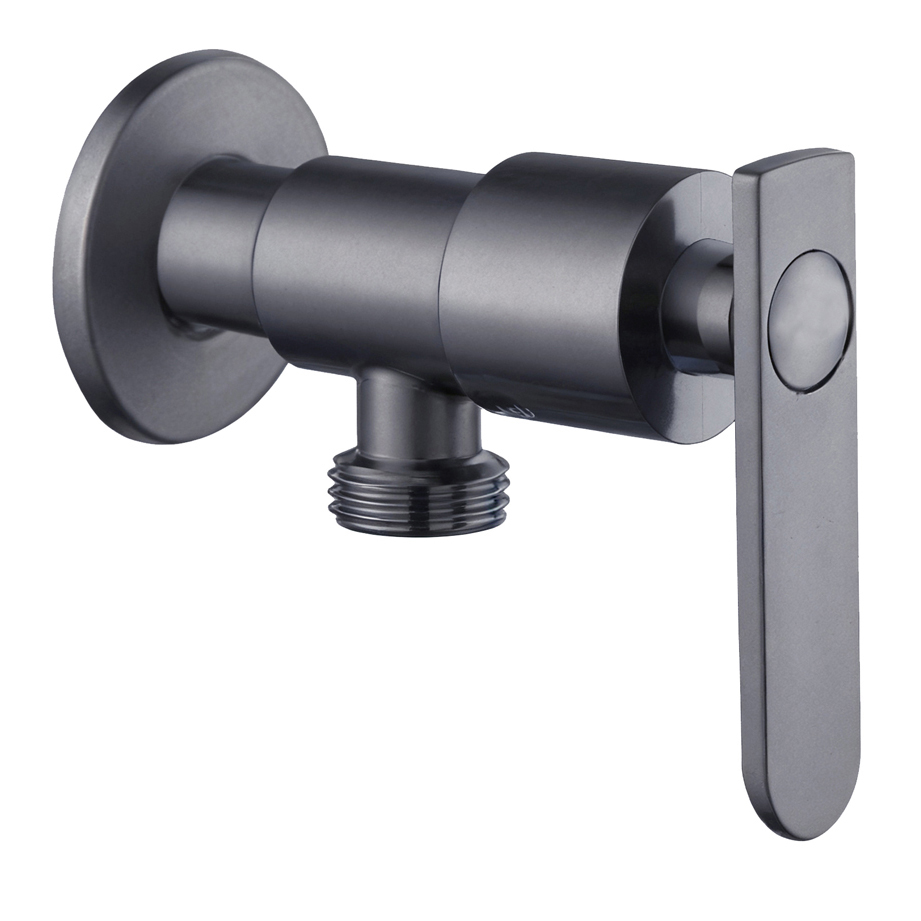




Expanding one successful faucet into a complete family is not simply a matter of adding more similar SKUs around the original product.
The real challenge is deciding:
Which design elements must remain consistent, and which parts are allowed to change?
If this boundary is not defined early, the larger the range becomes, the easier it is for the individual models to lose their relationship with one another.
Start by Identifying the Core Design Elements That Should Not Be Lost
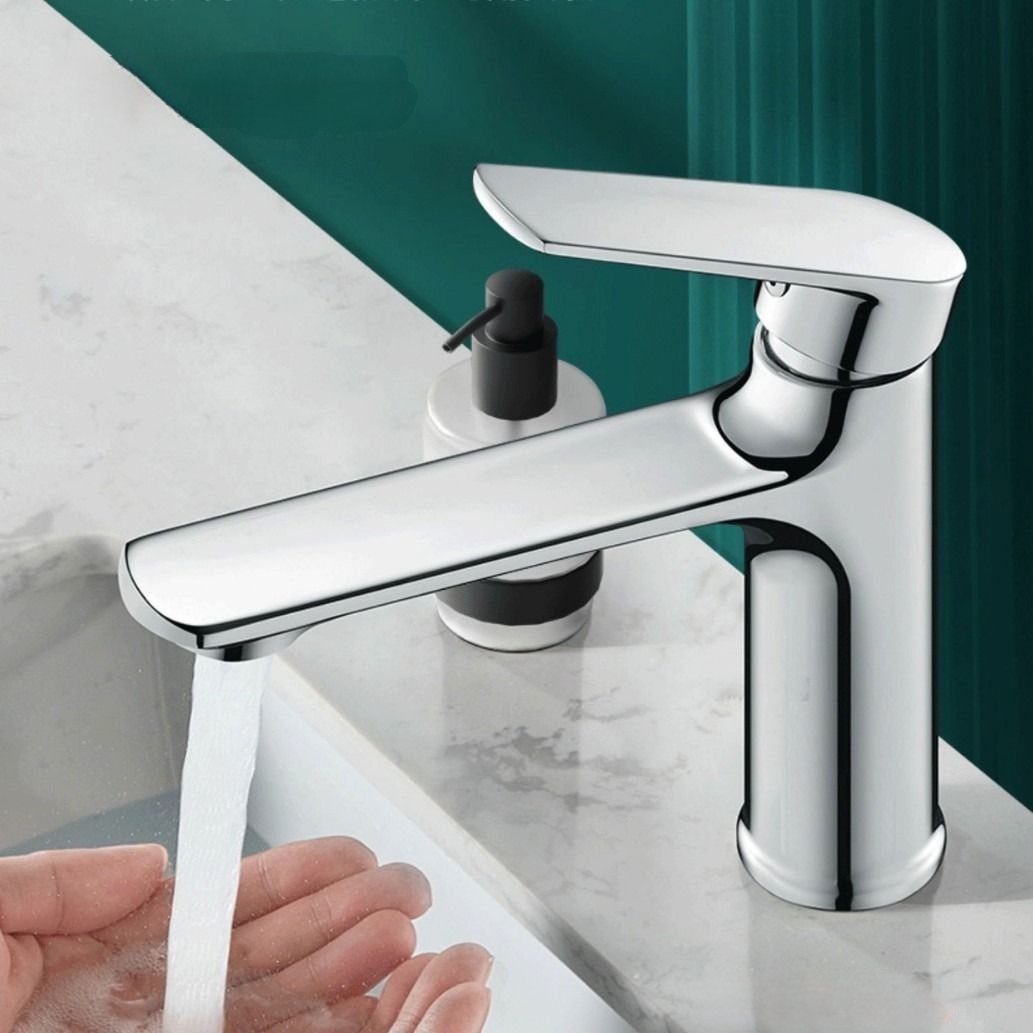
Take a Square Basin Faucet as an example.
Its identity may not come from the fact that it is simply “square.”
The body profile, handle thickness, spout line, edge treatment and proportions between major components may all form part of the design.
When developing a product family from a basic square basin faucet, the first step should therefore not be deciding how many more models to add.
It should be identifying which elements make the product recognizably this particular design.
Those elements should remain relatively stable.
Only after that should the variable elements be defined, such as height, spout reach, installation format, functional configuration and finish.
If the only shared characteristic is the broad idea of a square shape, while all proportions, lines and details change, the new products may still fail to form a clear family even if they use the same naming convention.
Product-Family Variations Should Come From Real Usage Needs
If the same design needs to work with different types of basins, for example, offering different heights can make sense.
But increasing the height does not mean simply stretching the body.
The outlet position, handle proportions and overall visual balance may also need to be reviewed.
Otherwise, the new version may use similar components without actually looking as though it belongs to the same family.
The same principle applies when a خلاط صنبور الحوض المربع is extended into different installation or functional versions.
The internal structure can change where necessary, but the external design language should remain connected.
This is what separates a genuine product family from a collection of merely similar products.
Every SKU in a product family should be able to answer two questions:
Why does it look as though it belongs to this family?
Why does this particular model need to exist separately?
Consider Future SKUs While Developing the First Product
If a core design is already expected to expand into a family, it is useful to consider from the first development stage which structures and interfaces could become shared foundations.
This can make future changes in dimensions, configurations or finishes easier without redefining the entire product every time.
But shared components should not become a restriction.
If a new model sacrifices installation compatibility or user experience simply to reuse an existing part, the structure should be allowed to change while the truly important design characteristics remain consistent.
A good Faucet Family should make two things clear at the same time:
the products come from the same core design, and each model has a clear reason to exist.
Developing a family from one design is therefore not about copying.
It is about establishing clear rules:
keep design recognition stable while allowing size, installation and function to change in a controlled way according to real product needs.