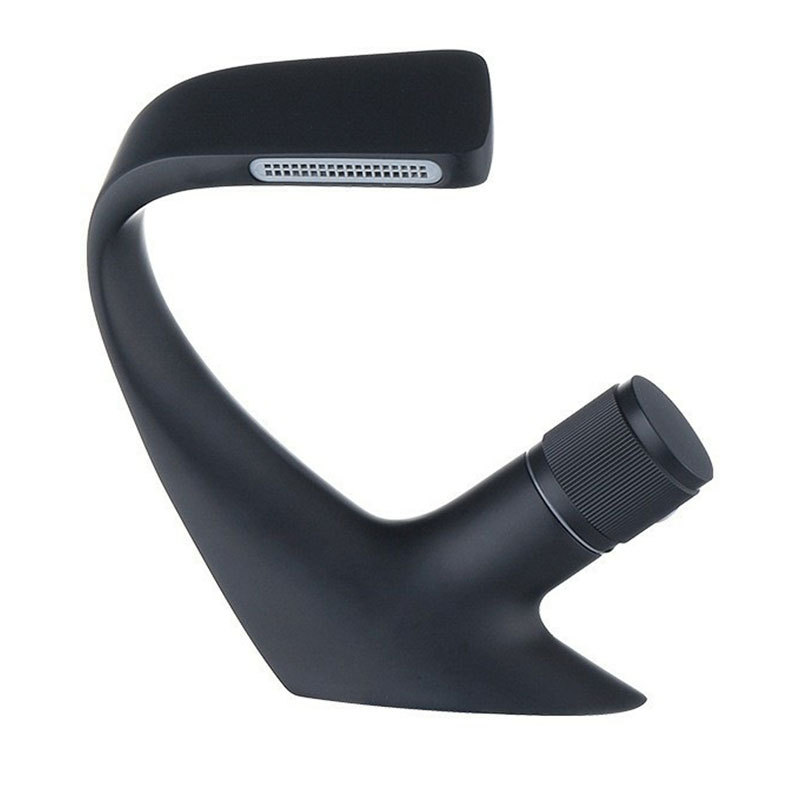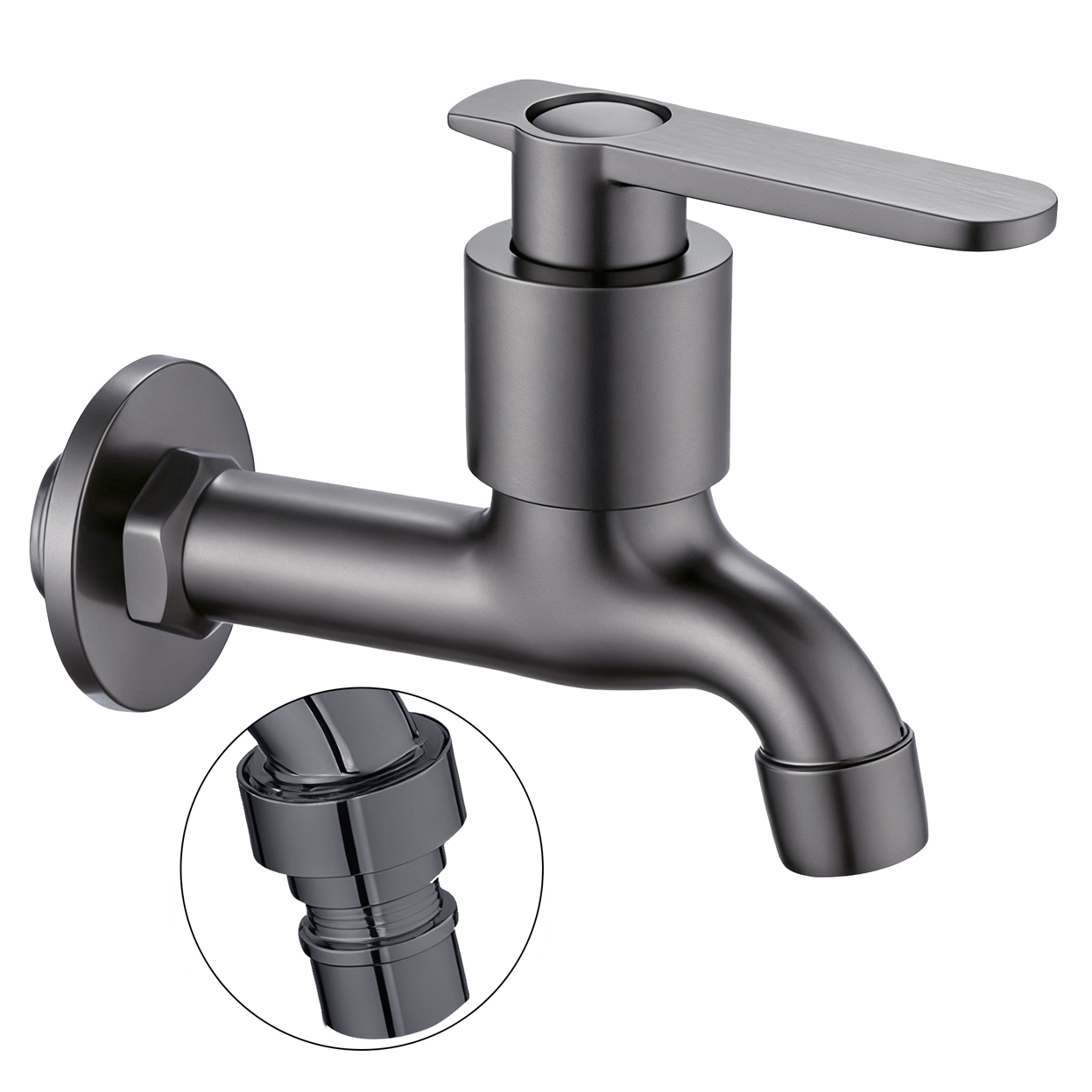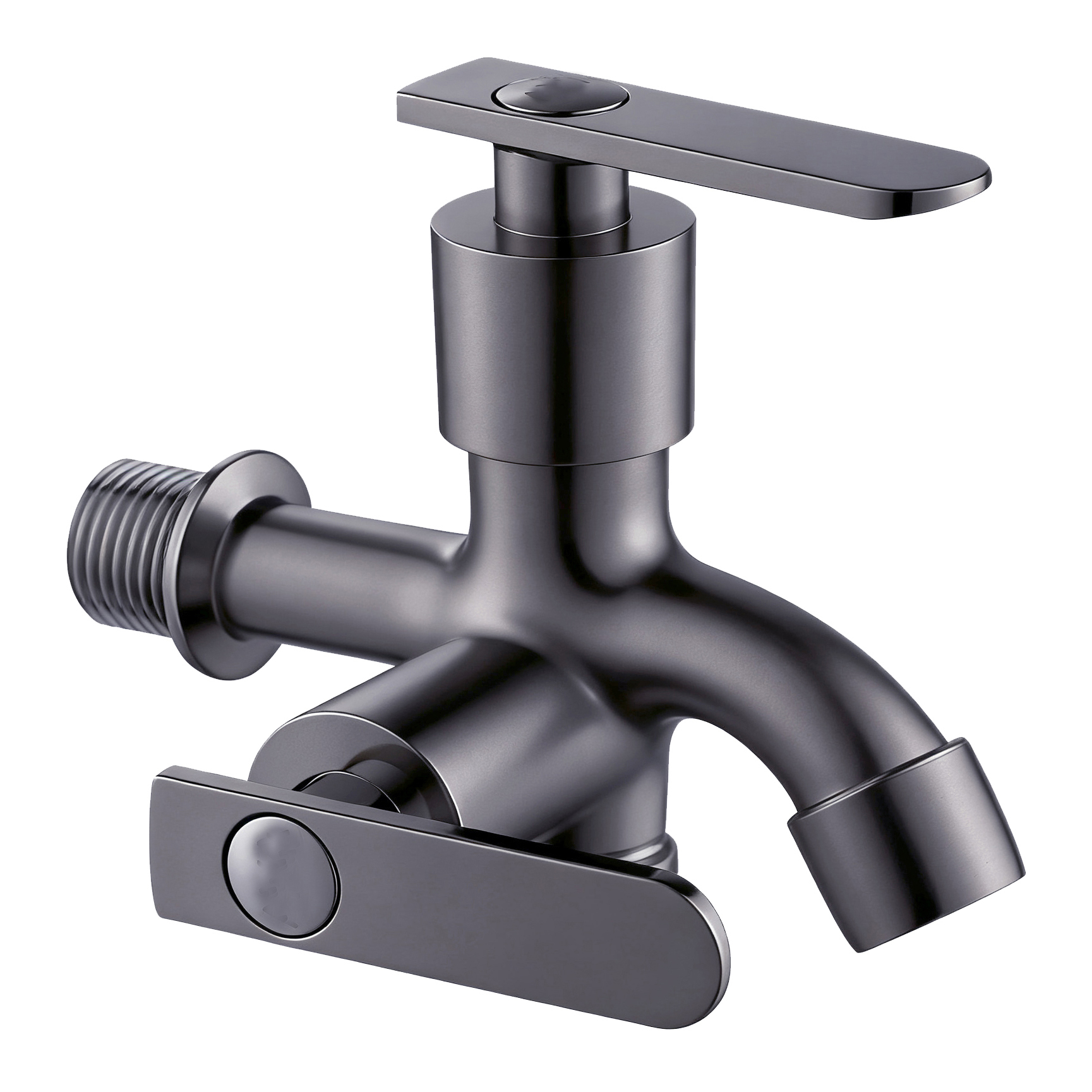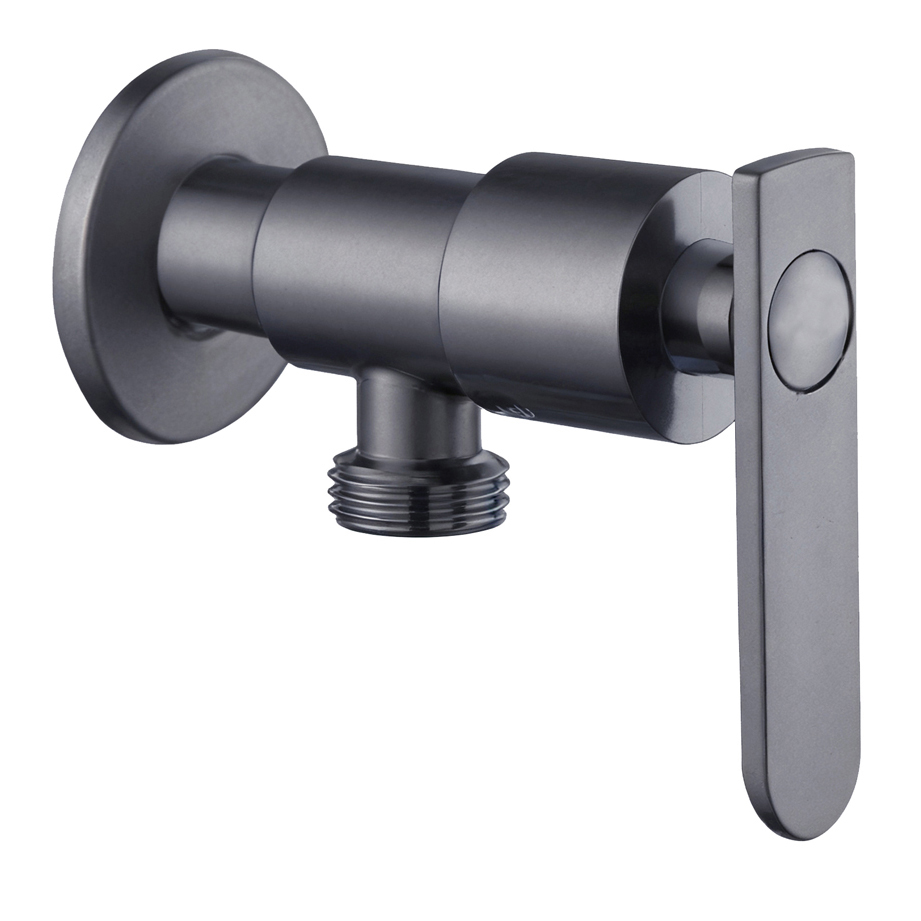




When evaluating Commercial Kitchen Faucet opportunities in a country, construction growth alone does not prove that demand will increase.
Residential developments, roads, schools, hotels and commercial facilities all contribute to construction activity. However, only some of these projects create actual applications for Commercial Kitchen Faucets.
From YOROOW’s market perspective, Peru’s construction data is most useful for identifying which types of current development actually include commercial kitchens and high-frequency water-use areas.
Peru’s Construction Activity Provides Market Context, Not Direct Product Demand
Data published by Peru’s INEI in 2026 shows that construction activity has received support from increased private project investment and ongoing public works.
At the same time, Peru’s investment activity extends beyond residential construction. Public infrastructure, commercial projects, tourism and other private investments are moving forward across different sectors.
This activity can create new spaces where faucets and other plumbing products are needed. However, it cannot directly predict sales of commercial kitchen faucet products.
A new residential development and a new hotel use kitchen faucets in very different ways.
The next question is therefore more specific:
What type of space will the project create, and how will people use water in that space?
Hotel Projects Are One Area Worth Examining Further
In 2026, PROMPERÚ promoted a portfolio of projects planned for new hotel development and openings, with a combined investment value of approximately US$347 million.
This figure still does not translate directly into Commercial Kitchen Faucet demand. However, it provides a more specific application signal than national construction growth alone.
Hotel developments may include restaurants, central kitchens, food-preparation areas, washing stations and other spaces with frequent water use.
When new tourism and hotel investments enter the project pipeline, يورو does not immediately treat them as a reason to expand Commercial Kitchen Faucet inventory.
The next step is to identify the type of kitchen, purchasing stage and required configuration within those projects.
This additional step keeps market data separate from actual product demand.
Commercial Kitchens Require Different Product Decisions From Residential Kitchens
A residential Kitchen Faucet usually handles normal household use. Restaurants, hotels and other commercial kitchens often operate at a much higher frequency.
Once a specific project is identified, several practical conditions need review.
How large is the sink? Where will the faucet be installed? How much washing area does the outlet need to cover? How often will staff operate the faucet? How will maintenance and inspection work later?
Some work areas may need a wider operating range. Others may prioritize quick operation and a simpler structure.
Projects with several workstations may also prefer standardized specifications. This can reduce Spare Parts and maintenance complexity later.
Only after these conditions become clear can the project define the right Commercial Kitchen Faucet structure.
Market Insight Should Lead to Projects, Not Stop at Macro Data
Peru’s construction and investment activity can help YOROOW identify areas that deserve further research. However, these figures remain Market Signals.
If growth comes mainly from residential development, the next step should focus on residential kitchen and bathroom configurations.
If hotels, restaurants and commercial facilities become more active, research can move toward central kitchens, high-frequency washing areas and other commercial back-of-house applications.
A more useful market-analysis path is therefore:
Market Data → Project Type → Actual Use Space → Product Requirements → Commercial Kitchen Faucet Opportunity
For YOROOW, the value of market insight is not to use macro data to claim that “this product will sell well.”
Its value is to identify earlier where product research and market validation should focus.