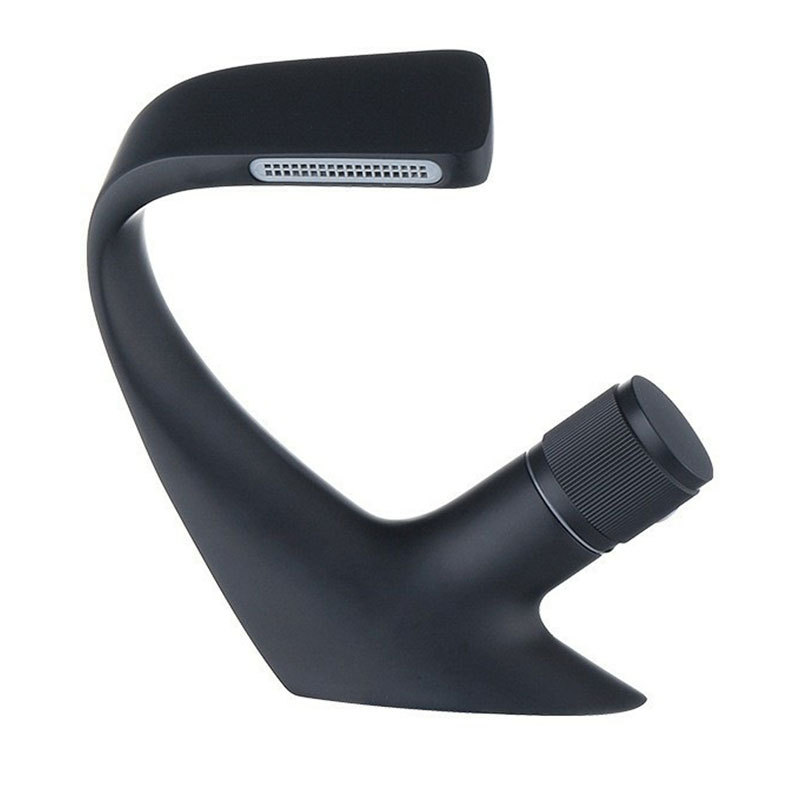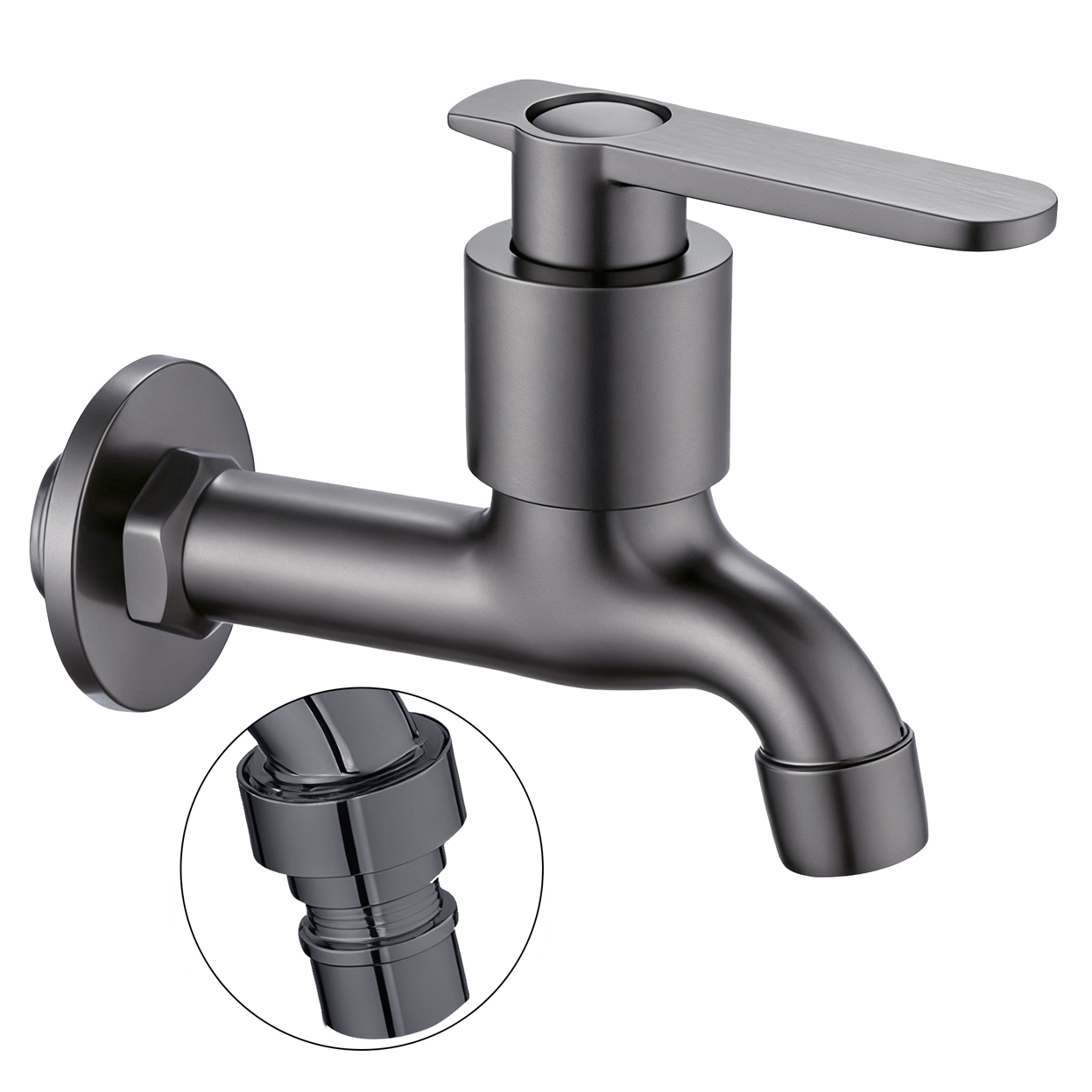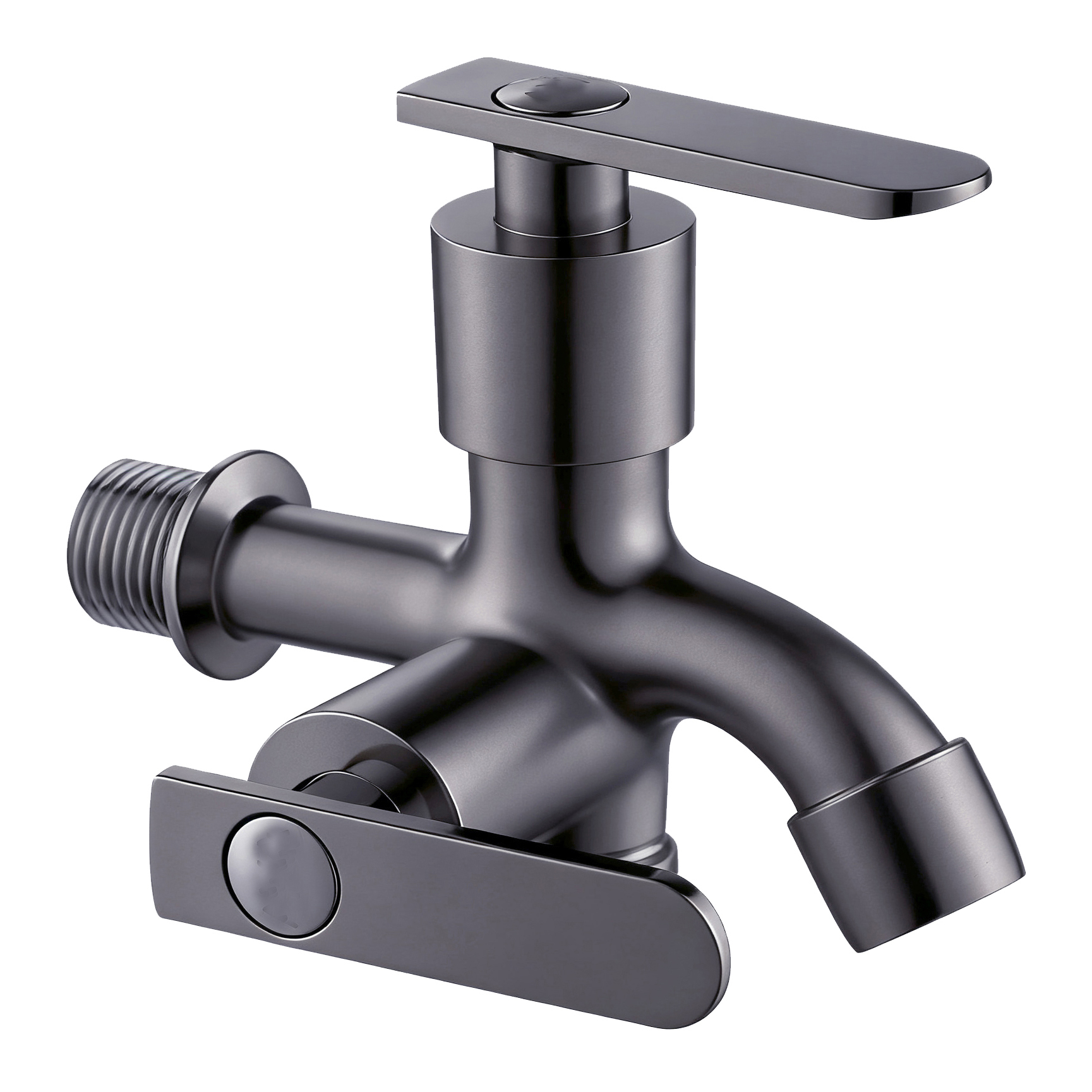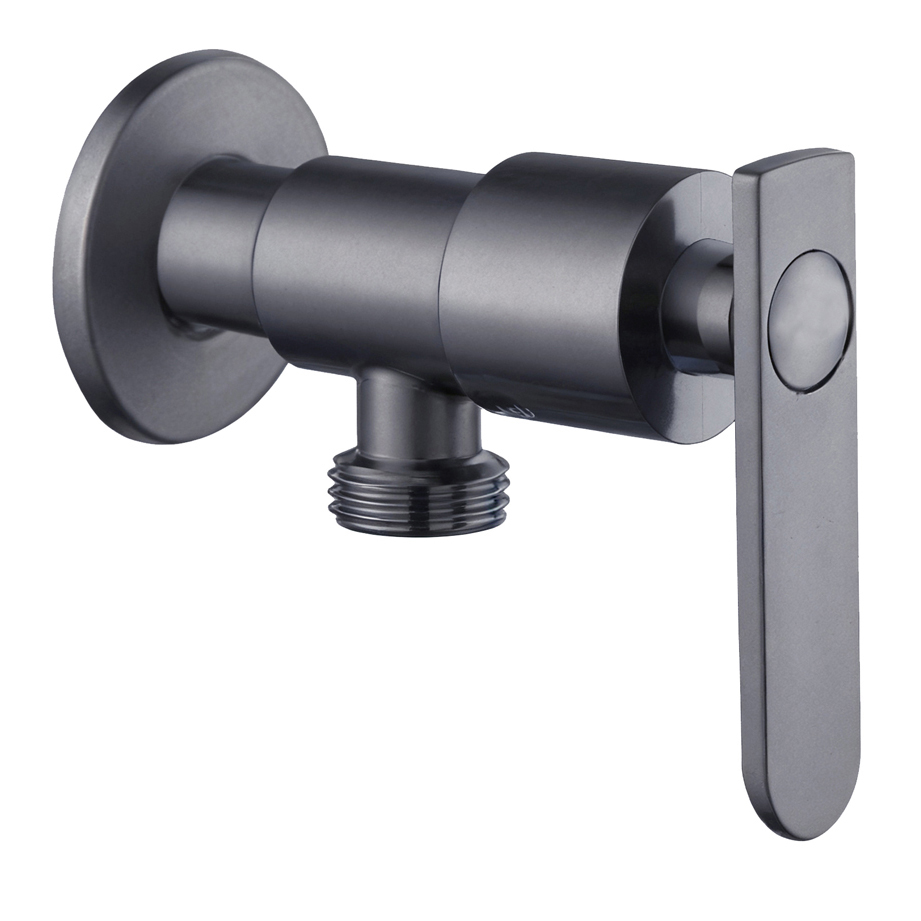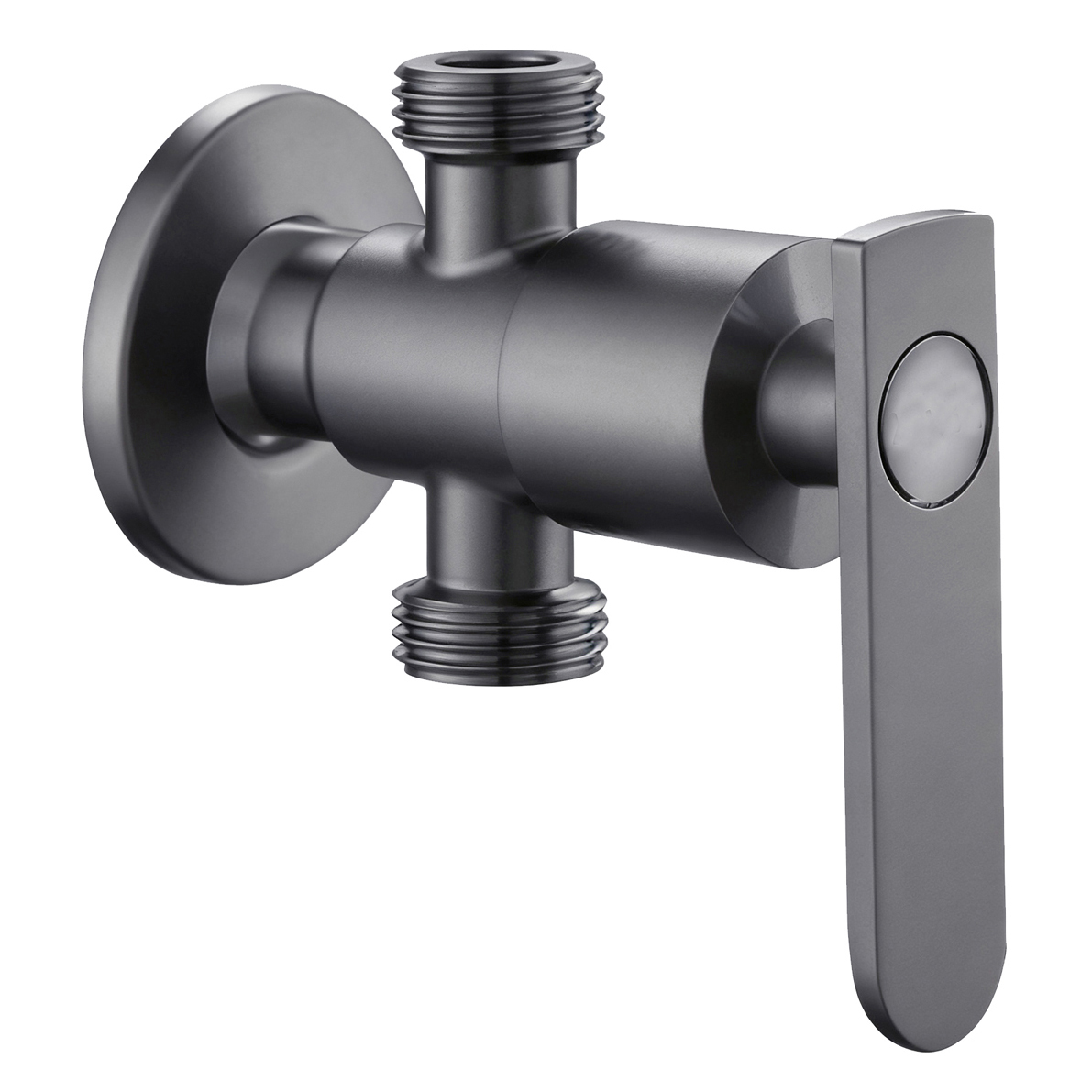




When a distribution network is relatively small, a limited number of core Faucet models can often handle most sales needs.
As geographic coverage, store count and distribution levels expand, however, the same group of products may no longer suit every sales location.
At this stage, what needs to expand is not necessarily the number of SKUs. It may be the number of clearly defined product tiers.
Demand Differences Begin to Appear as the Distribution Network Expands
An early product range may rely mainly on a small number of moderately priced models with broadly applicable configurations.
As the distribution network grows, different sales locations may begin to show different requirements. Some may need products that remain competitive at an entry price level. Others may need more complete functions or Finish options, while some may require a higher level of design and overall product value.
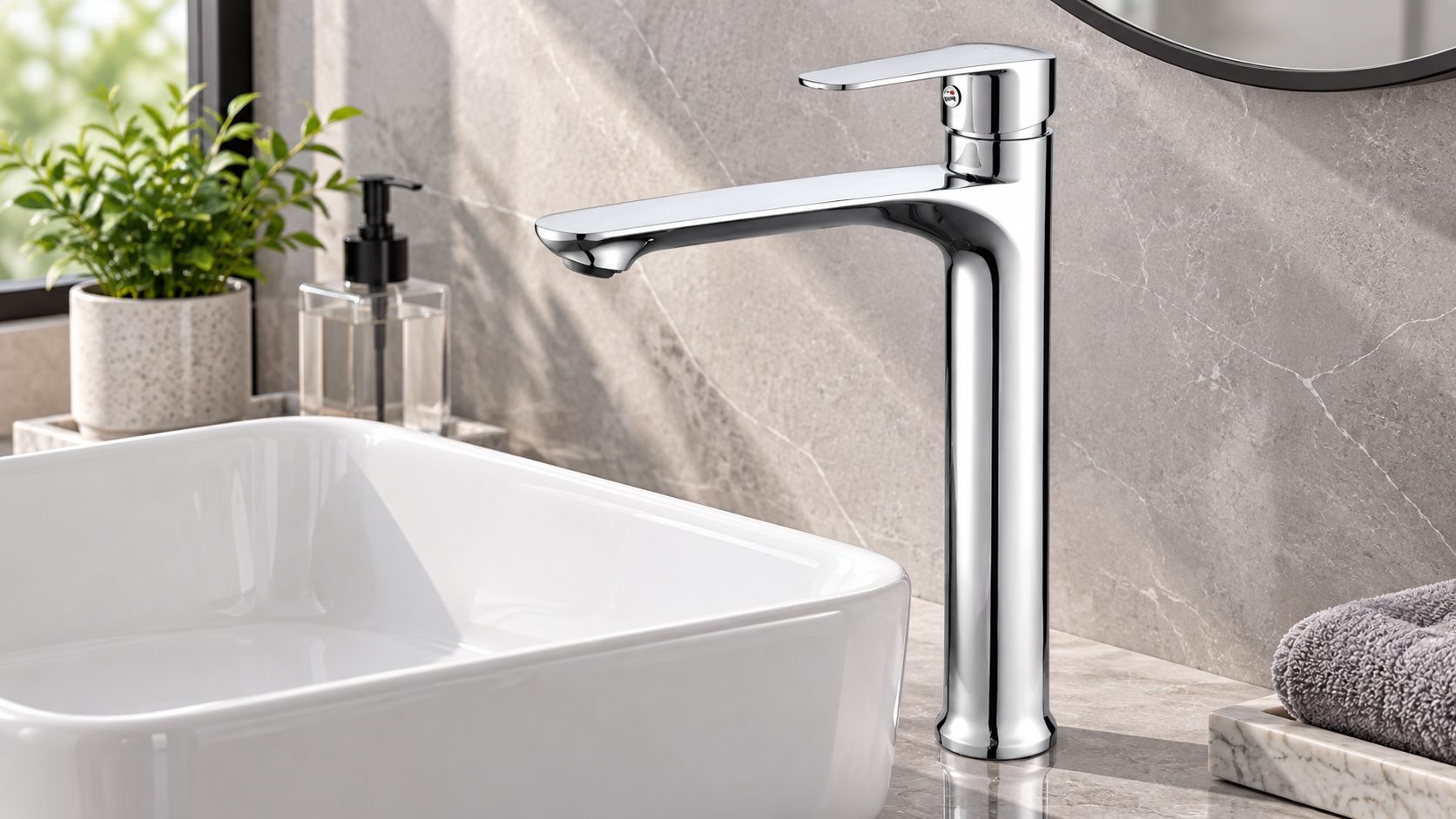
This is where a Premium Basin Faucet can have a clear role.
The purpose is not simply to add a more expensive Basin Faucet. It is to cover a higher product tier that the existing range does not currently serve.
If the existing range already covers this demand, there is no reason to create a Premium series simply because the distribution network has expanded.
A new product tier becomes more relevant when a different type of demand begins to appear consistently and the existing products can no longer serve several distinct positions clearly at the same time.
Adding SKUs Is Not the Same as Adding a Product Tier
If the existing range already contains several models with similar designs, prices and functions, adding more similar SKUs does little to expand actual channel coverage.
A more useful question is whether the new product creates a choice that did not previously exist in the range.
For example, if premium basin taps differ only through another color or a small visual change while remaining close to the existing range in both price and product positioning, they may simply add internal complexity.
A genuine Premium tier should be clearly distinguishable from the existing range.
That difference may come from design, material, Finish, configuration or another product characteristic that customers can actually recognize. It does not mean every possible upgrade needs to be added to one product simply to make it “Premium.”
The important point is:
There should be a clear reason why the product belongs to a different tier.
When Does a New Product Series Become Necessary?
The deciding factor is not simply that there are more stores or sales locations.
The more important question is whether the existing product structure can still cover the new demand clearly.
If different sales locations consistently begin to require different price levels, Finish options, configurations or product positioning, and those differences become difficult to manage within one existing series, creating a new product tier or series may be clearer than continuing to add variations to the original range.
A Premium Basin Faucet can then take on a specific role: not replacing the existing core products, but covering a higher position that the current range does not serve.
On the other hand, if the supposed Premium products cannot be clearly distinguished from existing models, creating another series may simply place similar products under different names.
For this reason, Distribution Expansion should influence Product Strategy in a clear sequence:
Identify new demand → Determine whether it creates a new product tier → Define the configuration and series → Decide how many SKUs are actually needed.
An expanding distribution network does not automatically need more products.
It needs a product structure that can continue to explain why different products exist and what role each one is intended to fill.