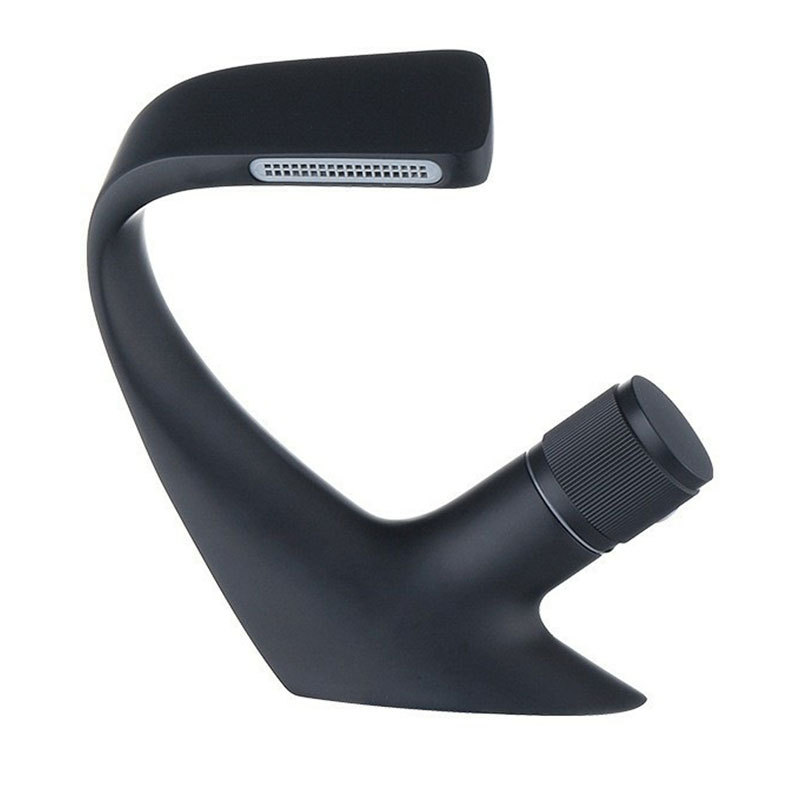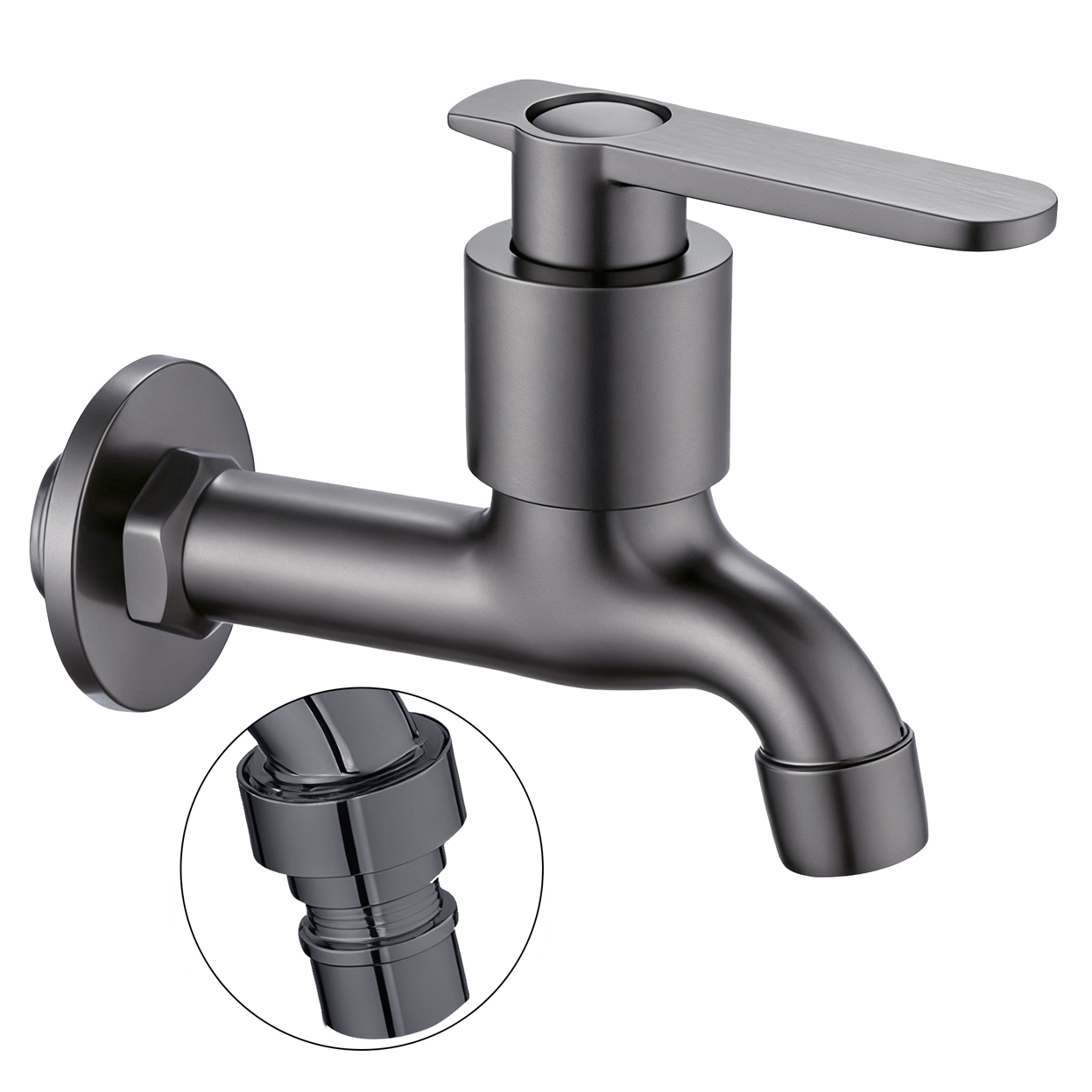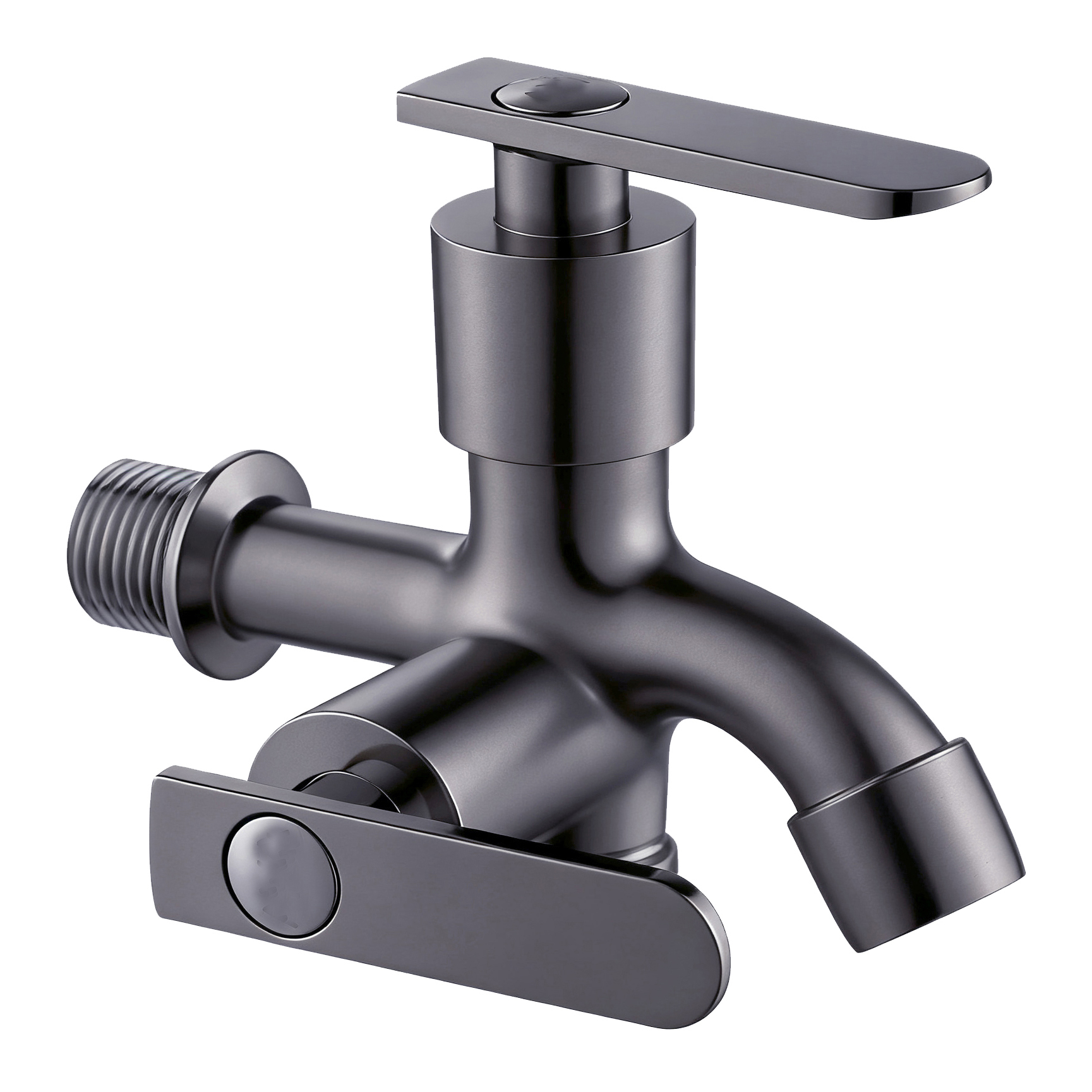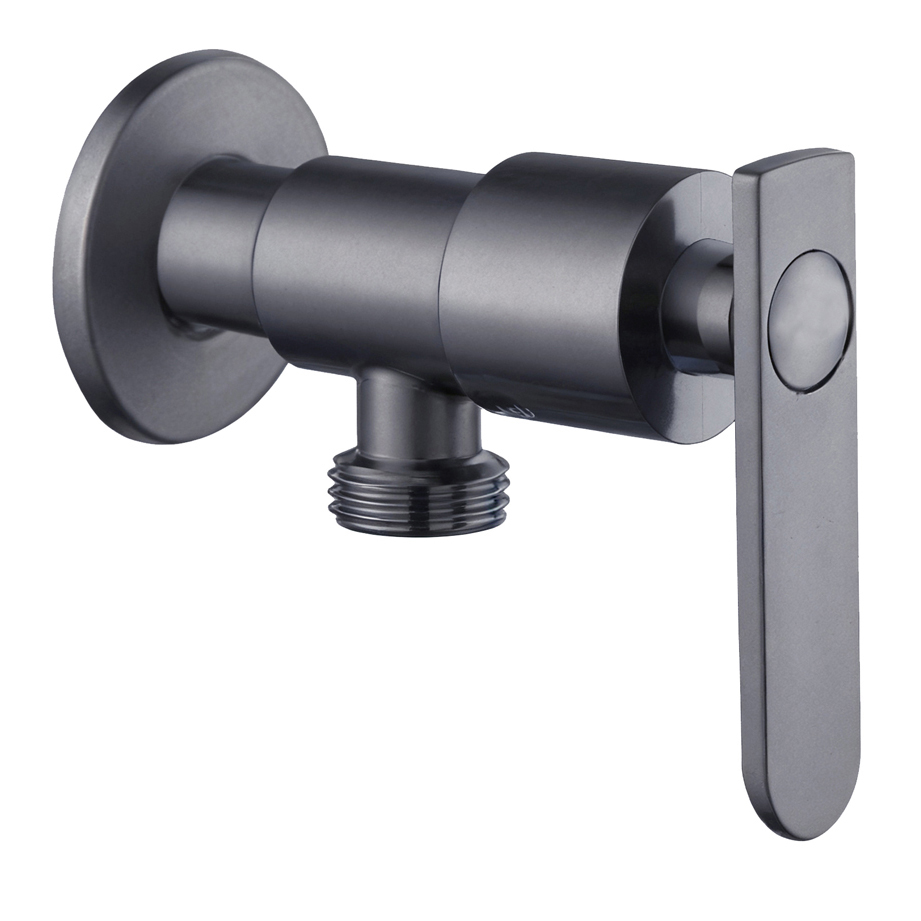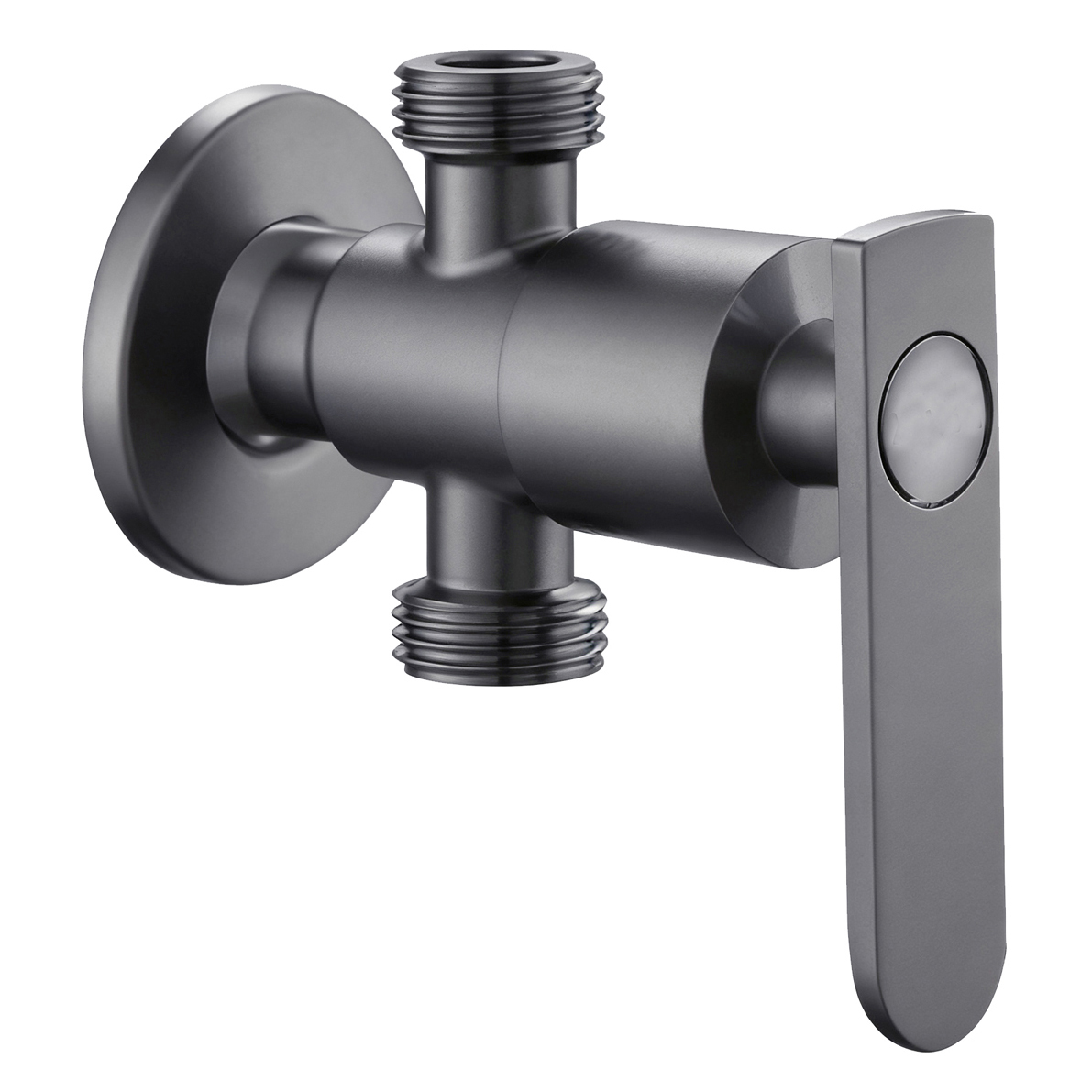




For a Single Lever Kitchen Faucet, the handle can easily look like just another design feature. A slim lever, square profile or high curved spout certainly affects the overall style.
In daily use, however, the handle has a practical job. It operates the cartridge and controls both water flow and temperature.
For this reason, a kitchen faucet handle should not be judged by appearance alone. Its ease of operation and compatibility with the actual installation space also matter.
Handle Length Changes How the Faucet Is Operated
A longer single lever usually provides a more noticeable point of leverage. When hands are wet or greasy, users may also find it easier to operate the faucet with a finger or the back of the hand.
However, a longer handle usually needs more clearance as it moves.
For example, a gourmet kitchen faucet single lever slim square design may look compact from the front. If the faucet sits close to a wall, backsplash or nearby kitchen fixture, the handle still needs enough room to move from the closed position to its full operating range.
Handle length should therefore be checked together with installation dimensions.
A design that looks well proportioned in a product image may not provide convenient operation after installation.

Handle Shape Affects Grip and Control
The cross-section and width of the handle also change how users interact with it.
A slim handle can create a clean, modern appearance. A wider or flatter operating surface provides a different contact area for the fingers or hand.
This difference becomes especially relevant in a kitchen, where people often operate the faucet with wet hands.
When comparing a slim square single-lever kitchen faucet with a حنفية حنفية صنبور المطبخ ذات الرافعة الواحدة من بجعة الذروة, product images alone do not tell the whole story.
During sample evaluation, several simple actions can reveal more. Check whether the handle moves easily with wet hands. Confirm that the open and closed positions feel clear. Try making small flow adjustments and check whether nearby objects interfere with normal handle movement.
The Handle Does Not Determine the Entire Operating Feel
Two kitchen faucets with similar handle designs can feel very different in use.
The handle is only one part of the control system. The cartridge, internal structure, assembly accuracy and connection between the handle and cartridge can all affect operating resistance and adjustment.
Sample testing should therefore go beyond handle appearance.
Operate the faucet repeatedly and adjust both flow and temperature. Check for noticeable sticking or looseness. Small adjustments should also feel smooth and controllable.
Even a well-designed handle cannot provide a consistent operating experience if the cartridge control or assembly is unstable.
Does a New Handle Design Justify a New SKU?
When expanding a Kitchen Faucet series, it is also worth asking whether a handle change creates enough difference to justify another SKU.
If several models only have slightly different handle shapes while their installation, operation, structure and applications remain almost identical, the additional models may simply create more similar SKUs. Product selection and inventory can then become more fragmented.
A more useful difference should affect actual use.
Does the new handle improve grip? Does it reduce installation clearance requirements? Does it provide a different control experience? Is it better suited to a particular kitchen layout?
When these differences are clear, a new handle design has a stronger reason to become a separate product.
For a Single Lever Kitchen Faucet, a good handle should do more than make the product look distinctive.
It should make everyday opening, closing and adjustment feel natural while fitting the available installation space.