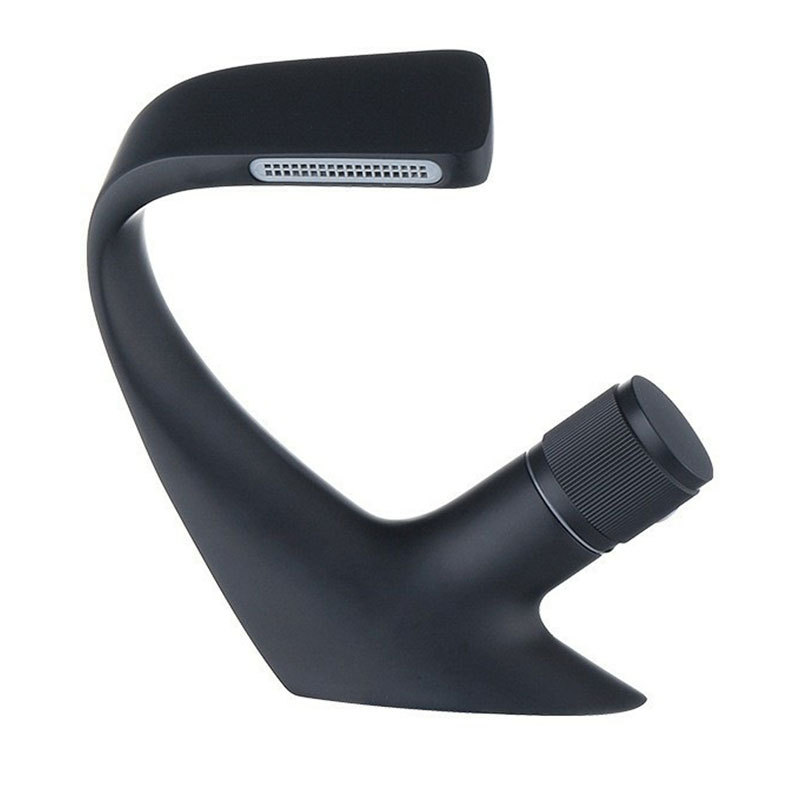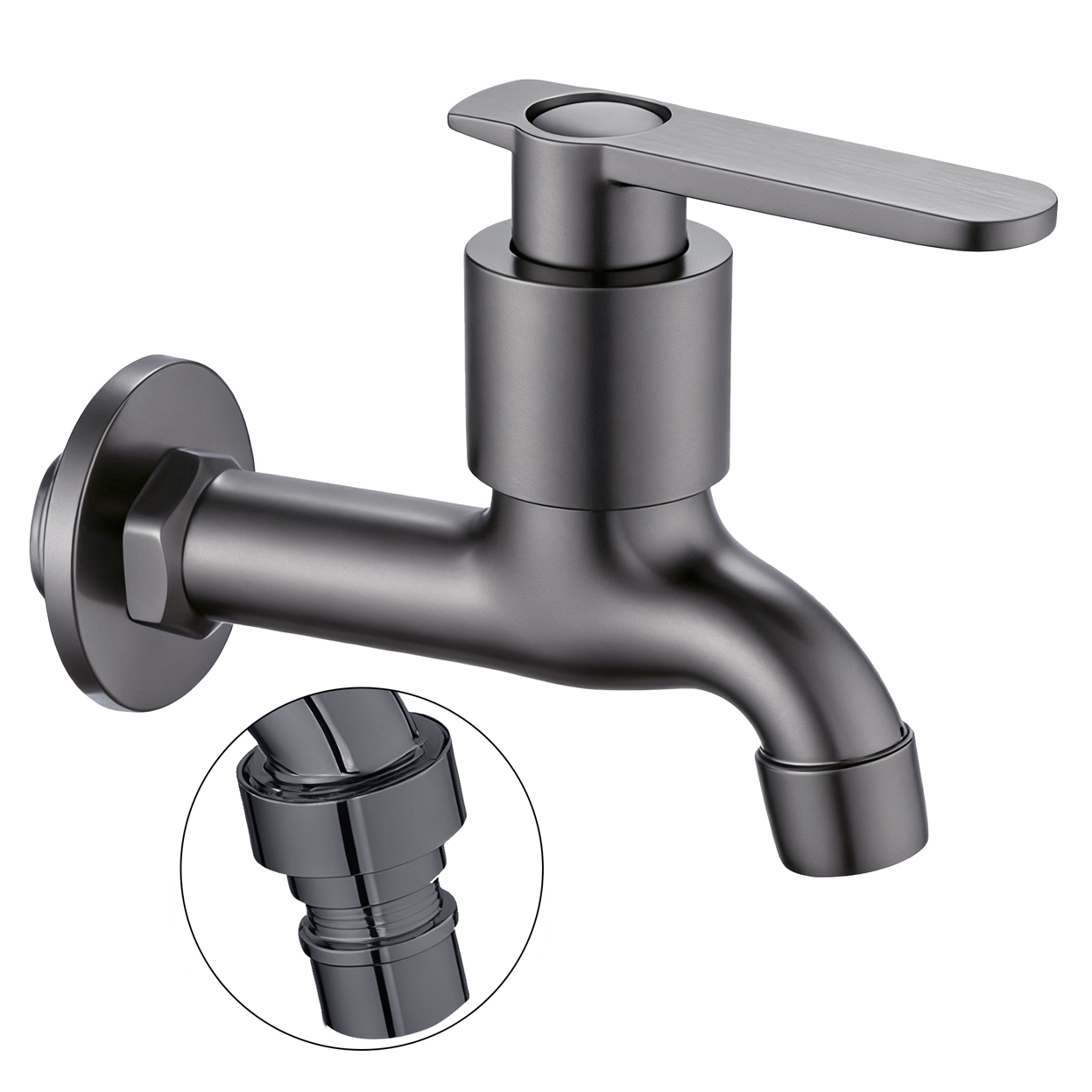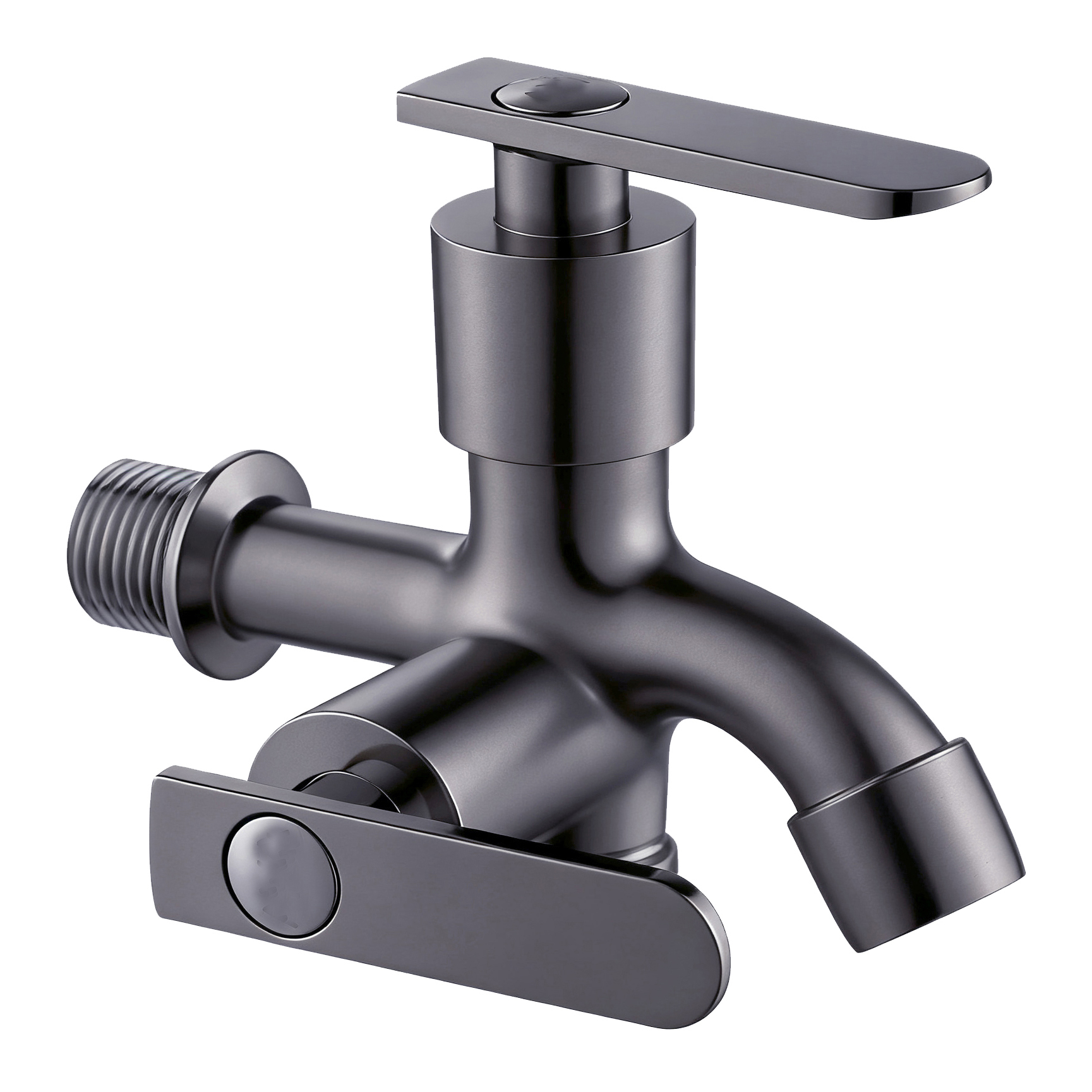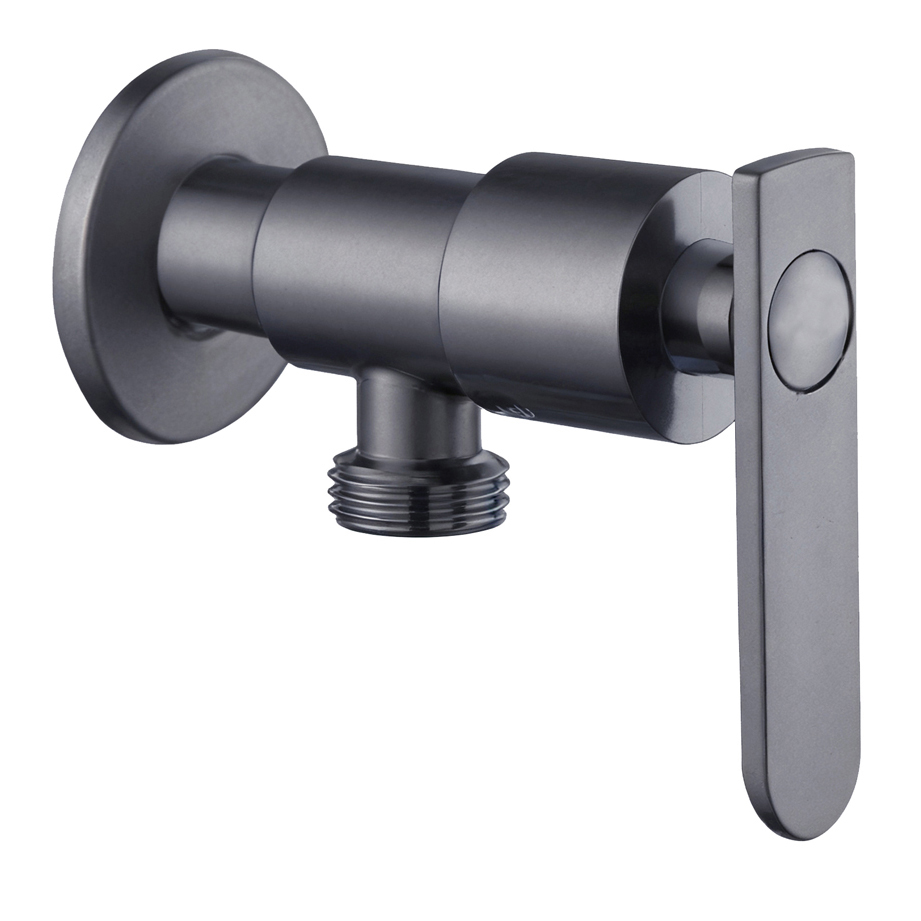




One common mistake in Private Label faucet development is treating the amount of customization itself as product value.
In practice, the required level of customization should be determined by the target product.
Sometimes a logo, packaging and finish are already enough.
Sometimes the real gap is one important visual component.
Only when the existing platform cannot deliver the core positioning does full redevelopment become necessary.
Start by Asking How Far the Existing Product Is From the Target
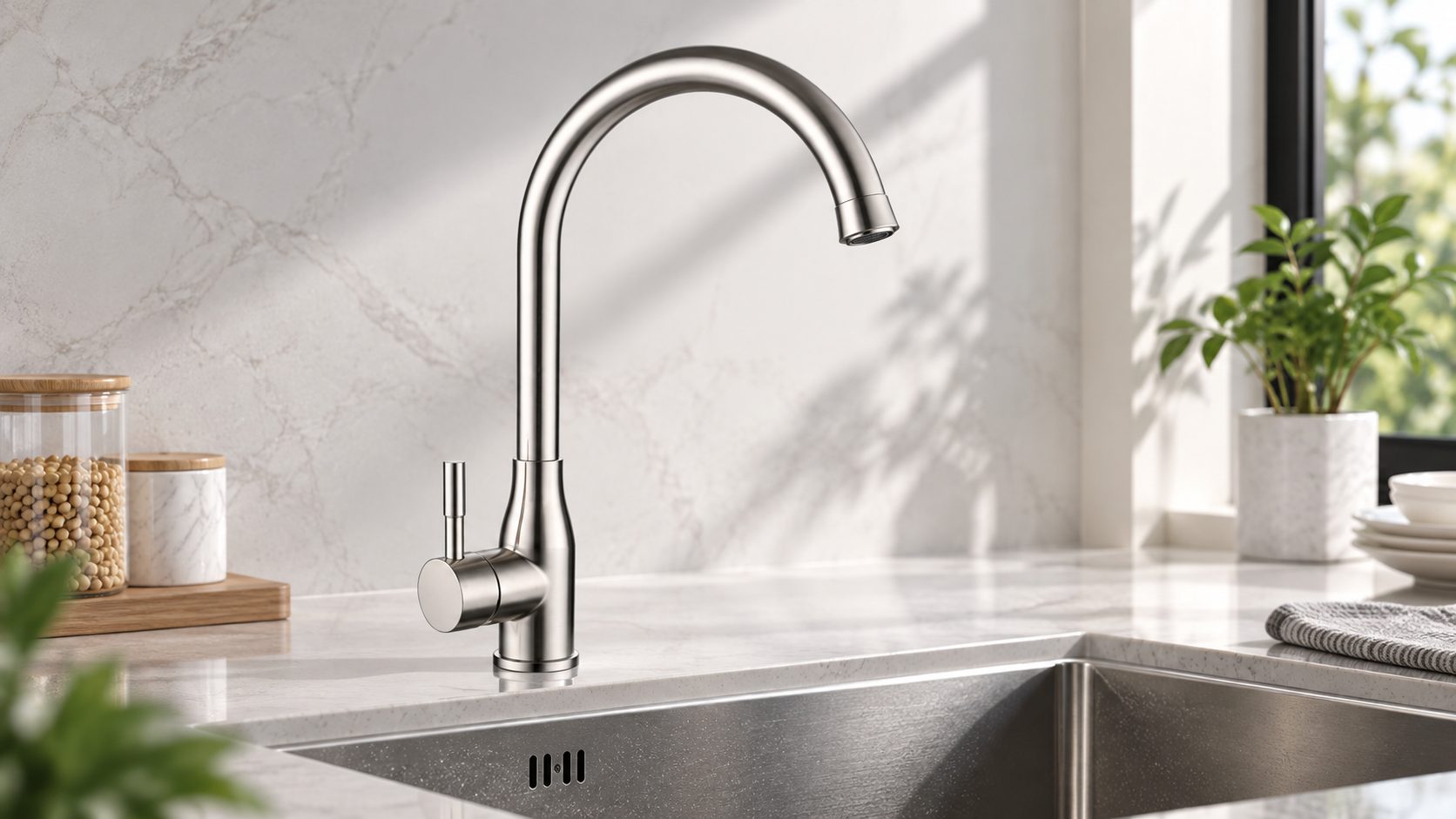
Take a Minimalist Kitchen Faucet as an example.
If the existing body proportions, handle and spout already fit a minimalist direction, redesigning the entire valve body simply for Private Label development may not create additional value.
A more practical solution may be to retain the mature structure and create the new product version through logo, packaging and finish.
But if similar products in the market already look highly alike and changing the logo alone does not create enough differentiation, the next step is to identify where the real gap lies.
It may be a configuration issue, or it may be visual.
Changing the spray head, adjusting the handle or redesigning one component that strongly affects the overall silhouette may create a clearer difference than completely redeveloping the faucet.
Private Label development therefore does not have to be a choice between a standard product and a completely new product.
There is a large middle ground where specific differences can be addressed selectively.
Minimalist Products Do Not Become Better by Changing More
This matters particularly for kitchen faucets minimalistic in design.
Minimalist products depend heavily on proportion and restraint.
If more decorative elements, buttons or complicated components are continually added simply to increase the amount of customization, the original design direction may be weakened.
The question is not only whether another function or visible component can be added.
It is also:
Does the product still fit the original minimalist definition after that change?
If a new control, spray head or decorative structure changes the visual focus significantly, the product may gain differentiation while losing part of its original positioning.
Customize Only as Far as the Product Position Requires
Private Label development should therefore not begin with:
“What is the maximum amount we can change?”
It should begin with:
“What is still missing from the existing product?”
If the missing element is brand identity, address the logo and packaging.
If the missing element is the visual system, adjust the finish and the exterior elements that genuinely affect the silhouette.
If the missing element is functional configuration, select the right components while checking whether they still fit the intended design direction.
If the real limitation comes from the body structure and no amount of external adjustment can solve it, then new structural and tooling development becomes justified.
This means there is no fixed “standard customization depth” for Private Label development.
One product may need only a few changes to reach the target. Another may still fail to achieve meaningful differentiation even after several surface-level modifications.
The most appropriate level of customization is therefore not the one that changes the most.
It is the one that develops only the areas that genuinely affect product positioning, function or recognition.
For a Minimalist Kitchen Faucet, one additional question should always remain:
Are these changes strengthening the minimalist design, or gradually moving the product away from it?
That question is more useful than simply counting how many components have been modified.