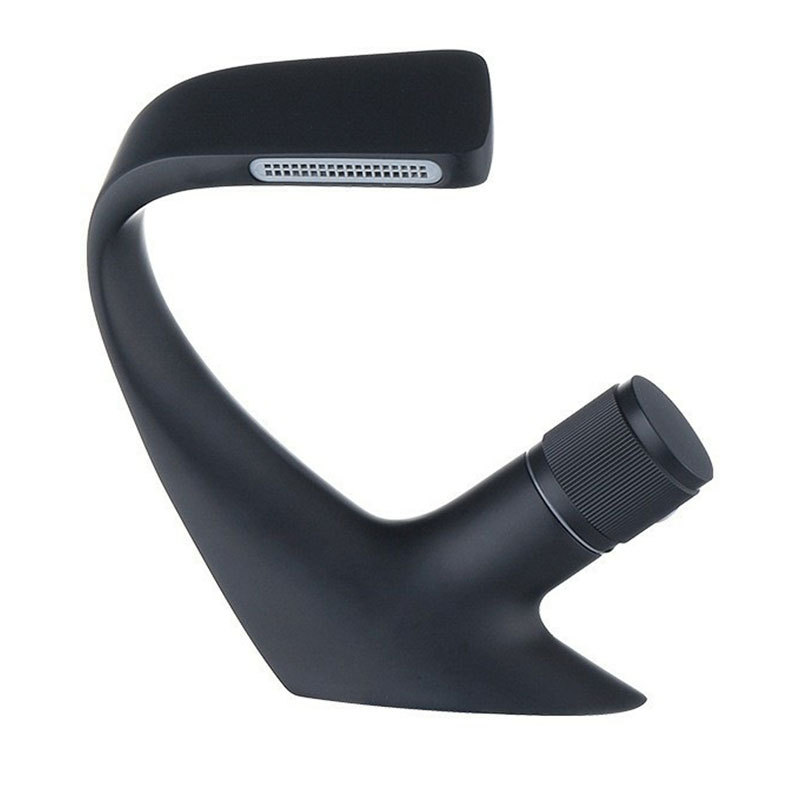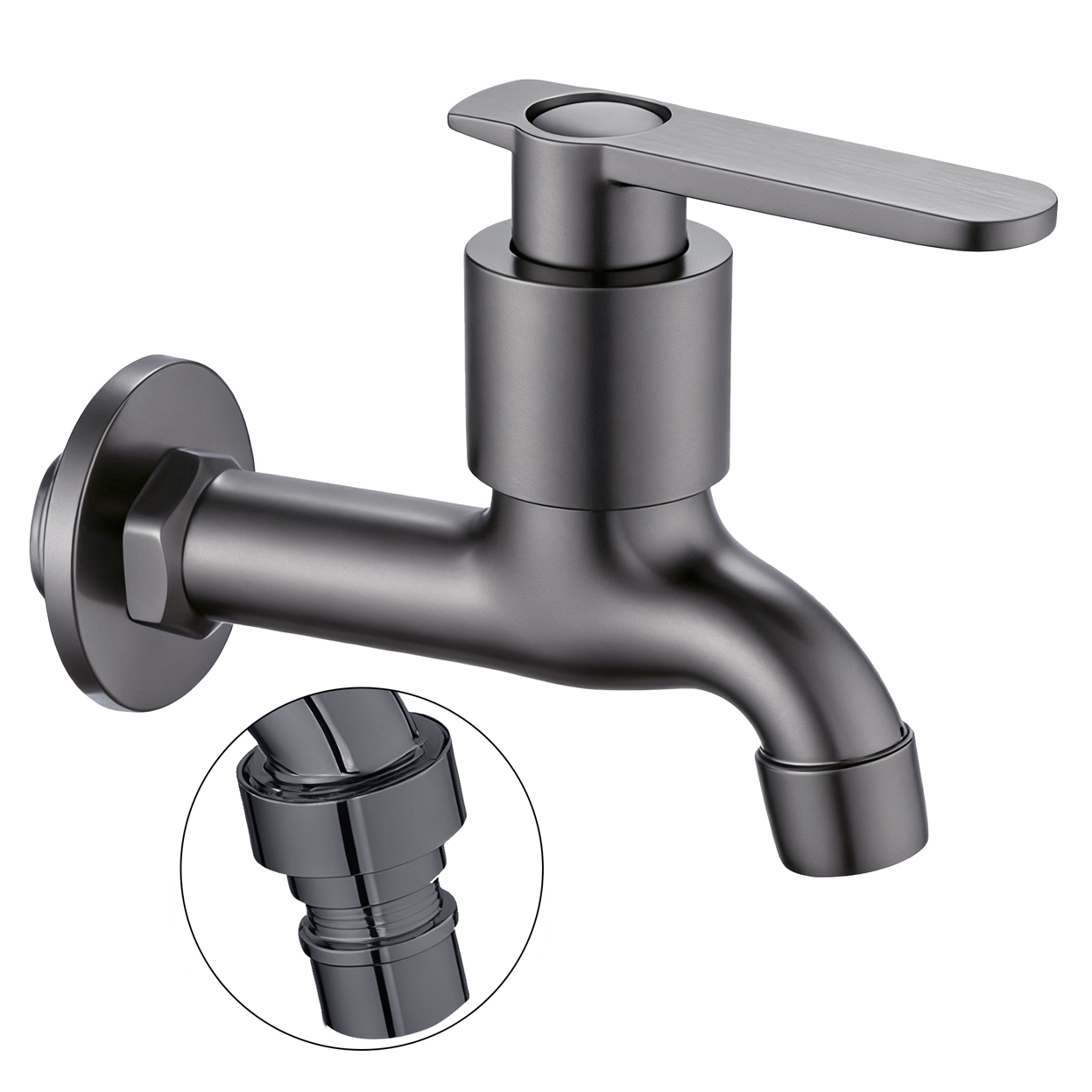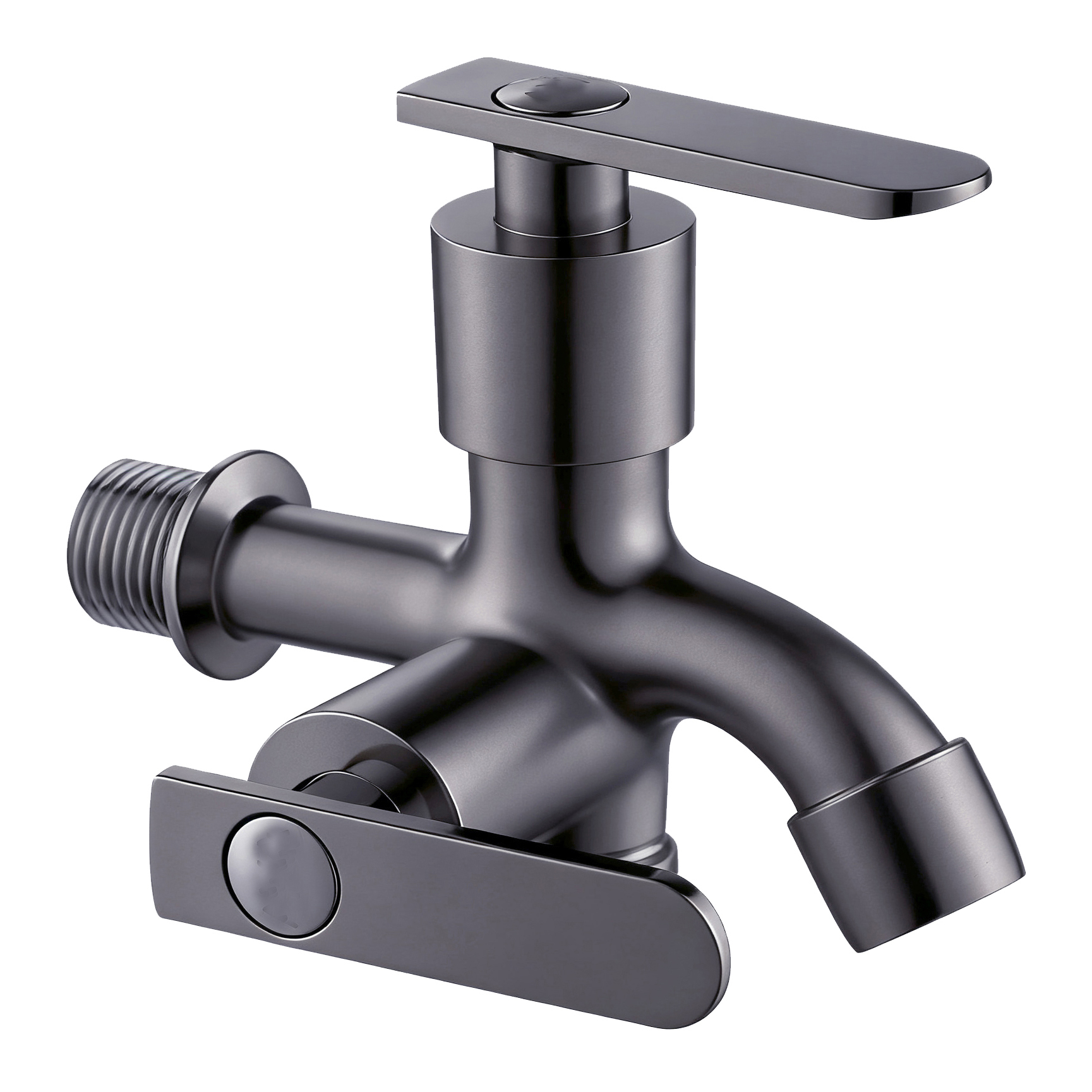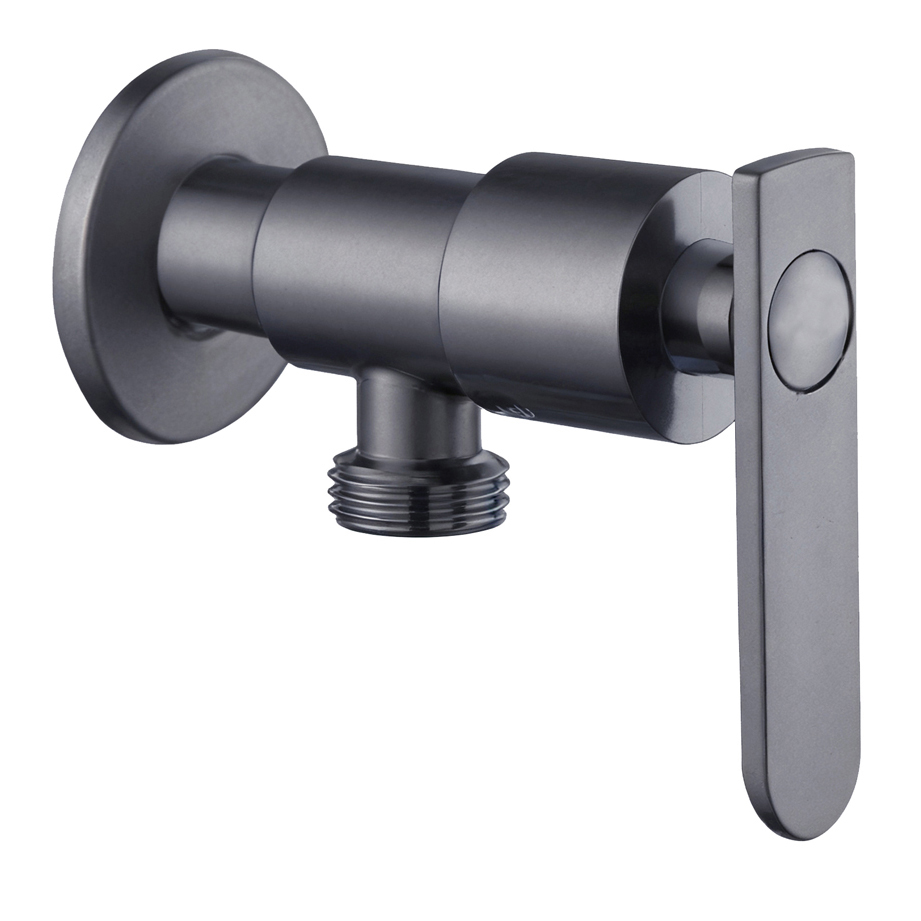




The most visible feature of a Digital Display Basin Faucet is the ability to show information such as water temperature.
However, once the product is also intended for drinking water, the evaluation can no longer focus only on display clarity or whether temperature information is easy to read.
The more important changes occur in the waterway itself.
Which components contact the water? What materials do they use? How does the digital display system integrate with the original faucet structure? Do these changes affect requirements that already apply to the product?
First Recheck the Components That Contact Water
For a standard digital bathroom basin faucet, product selection may focus on basin use, hot and cold water adjustment, installation dimensions and the digital display experience.
If the product is also intended for drinking water, the Water-Contact Components need separate review.
These may include more than the main faucet body.
The cartridge, water tubes, seals, outlet components and other parts along the actual waterway may also contact the water.
The body material alone is therefore not enough to determine whether the complete product is suitable for drinking-water use.
A more useful approach is to trace the actual waterway, identify every relevant contact component and then check the corresponding materials and supply information.
Digital Display Does Not Replace Basic Waterway Requirements
A Digital Display Basin Faucet adds temperature detection and display functions, but the screen does not replace the requirements of the basic waterway.
Product development should separate two systems.
One is the mechanical and waterway structure responsible for normal water delivery.
The other is the electronic structure responsible for temperature detection, display and power.
This distinction matters.
If the display module, temperature sensor or power system changes later, the project needs to determine whether the change affects only the electronic function or also the Water-Contact Components.
The reverse is also true.
If the cartridge, hose, seals or other waterway parts change, the previous product assessment should not automatically remain valid simply because the display module has not changed.
Electronic Functions Expand the Scope of Product Review
A digital display adds an electronic system that a traditional mechanical faucet does not have.
In addition to water-contact materials, the display module, wiring, power system and related components also need review.
For the EU market, for example, RoHS restricts certain hazardous substances in electrical and electronic equipment. REACH has a broader scope for chemical management.
The two address different issues and responsibilities.
For this reason, one material report should not be treated as a substitute for every other requirement.
For a product with a digital display, a more practical method is to start with the actual structure and BOM.
Then determine which requirements apply to which materials and components instead of applying one fixed certification checklist simply because the product is described as “Digital Display.”
Drinking-Water Use Should Be Defined at the Product-Definition Stage
If a Digital Display Basin Faucet was originally developed only for normal bathroom basin use, adding a drinking-water position later may require more than a change in product description.
Waterway materials, internal components, supplier information and target-market requirements may all need another review.
From a Fábrica de torneiras na China product-development perspective, the more practical sequence is to define the intended use first.
Will the product serve normal basin water, or will it also be used for drinking water?
Only after that should the project finalize the waterway, materials and electronic configuration.
This reduces the risk of discovering after the product is already finalized that the existing components or documentation cannot support the new application.
For YOROOW, digital display and drinking-water use should also be treated as two separate layers of product requirements.
The digital function addresses information display and user experience.
Drinking-water use requires a separate review of the actual waterway, Water-Contact Materials and target-market requirements.
When a Digital Display Basin Faucet is designed for drinking water, the change is not simply another feature label.
The full waterway, contact materials, electronic structure and applicable requirements need to support the new product use together.