



Bathroom habits can directly affect product configuration in different markets.
When retailers begin supplying hotels, apartments, or commercial bathroom projects across several countries, local usage patterns may change what the project needs.
Shattaf is a good example.
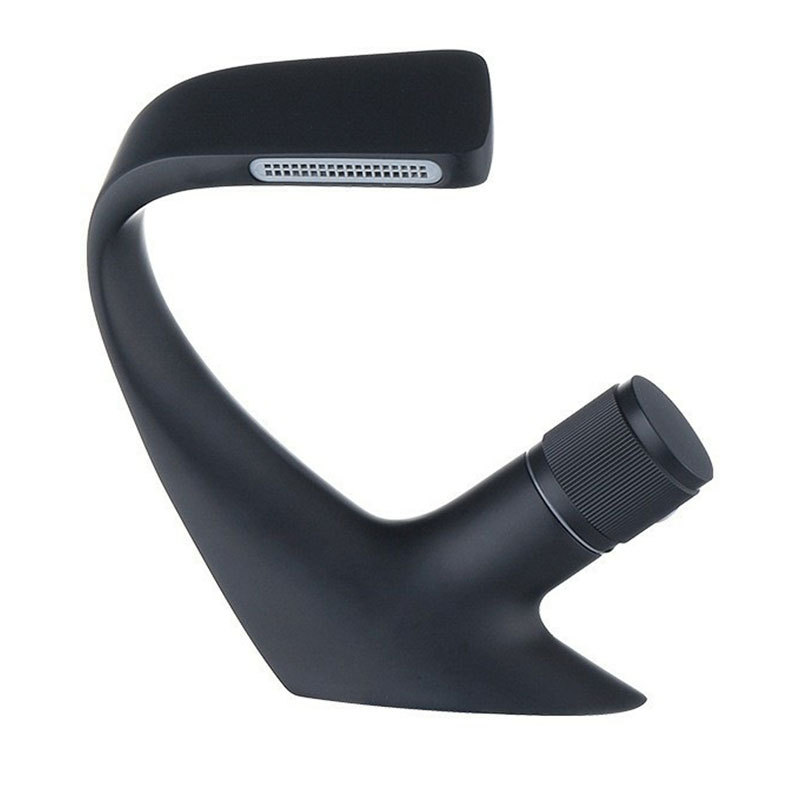
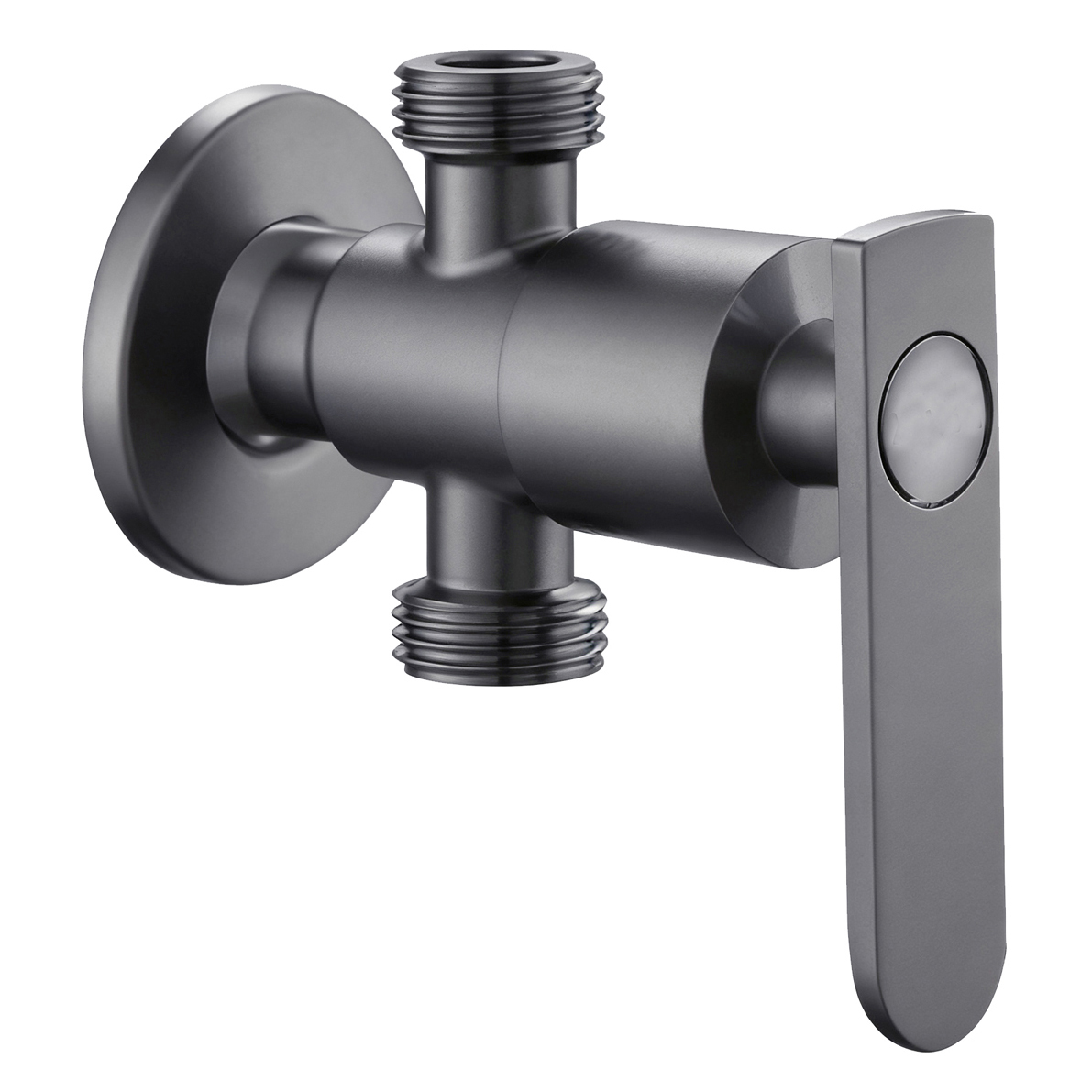
For projects where this function forms part of normal bathroom use, a Shattaf Shower Basin Faucet is more than a standard basin faucet with an added spray head.
Buyers need to evaluate the faucet, accessories, and installation conditions as one complete configuration.
Usage Habits Need to Become Clear Product Configurations
If a project requires a torneira de lavatório com duche shattaf, buyers need more information than the faucet body alone.
They need to know how the hand spray receives water.
They should also confirm how users switch the water flow.
Hose length, holder position, and connection size can all affect the final installation.
For personal hygiene applications, the first step is to check whether the building provides a separate water supply point.
This can affect whether the Shattaf and basin faucet should be sold separately or supplied as one combination.
GSO technical documents for water conservation products cover product scope and testing conditions.
However, GCC countries may apply different import and certification procedures.
Buyers still need to check the destination country, product type, and latest local requirements.
Cultural usage habits should not become a shortcut for assuming one compliance category across all markets.
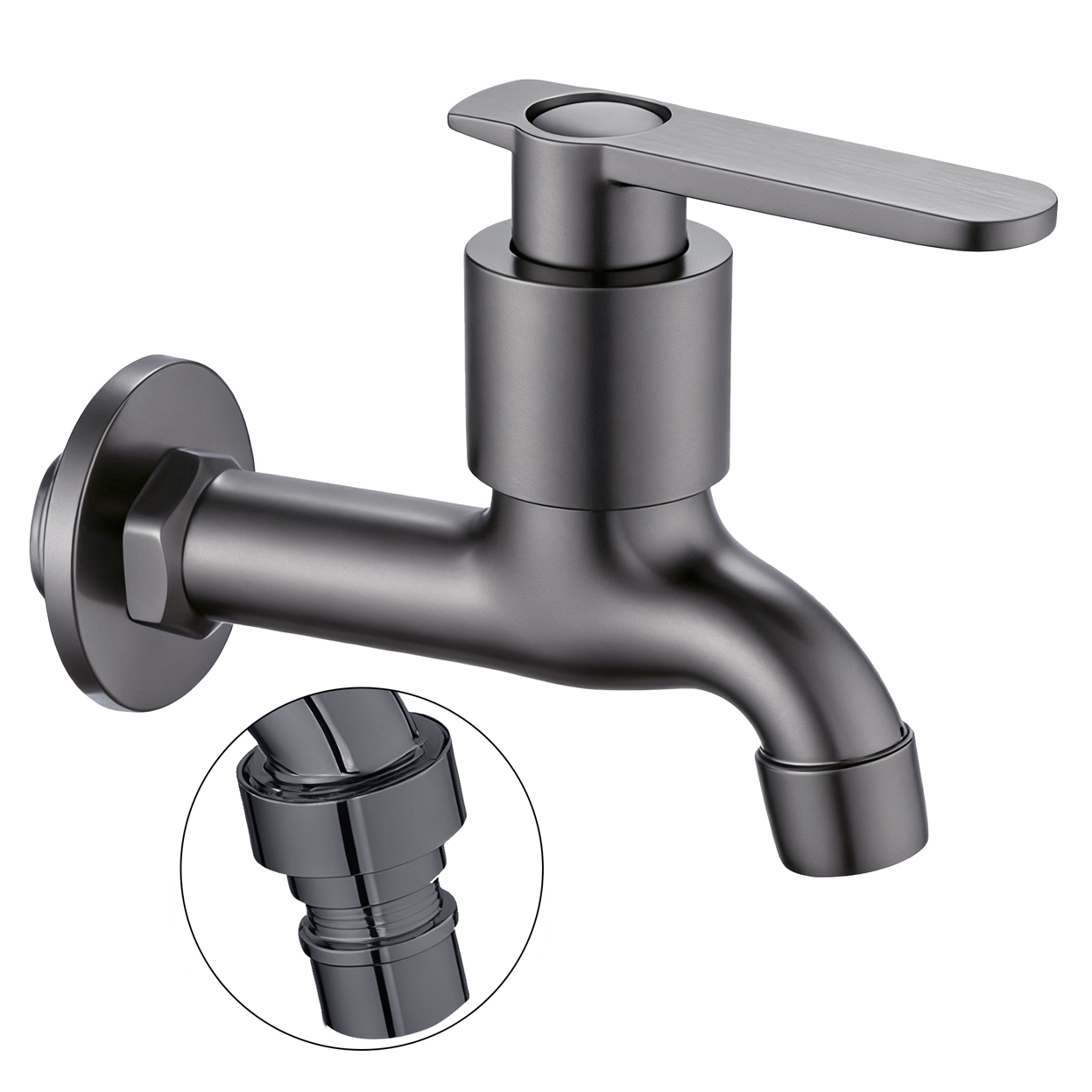
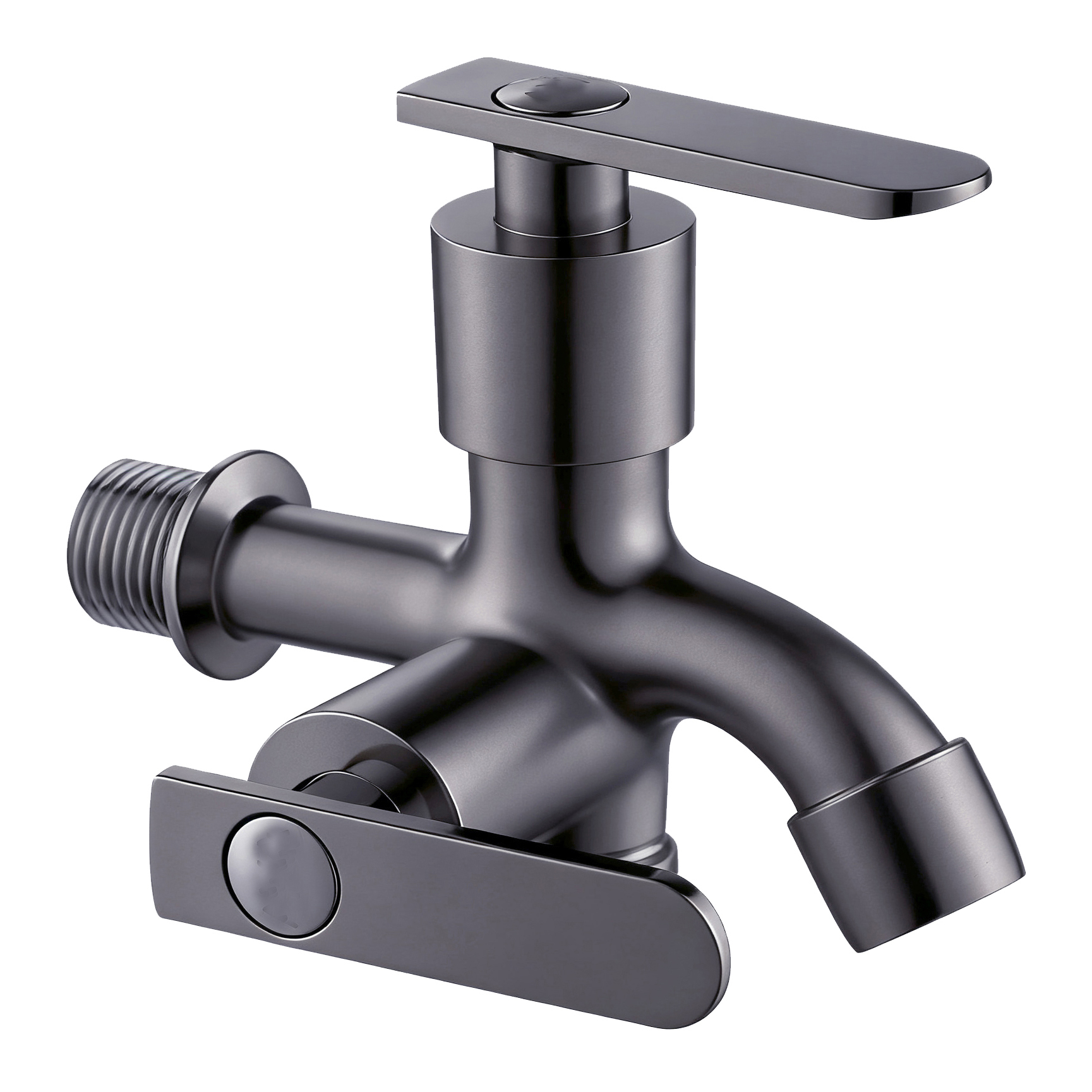
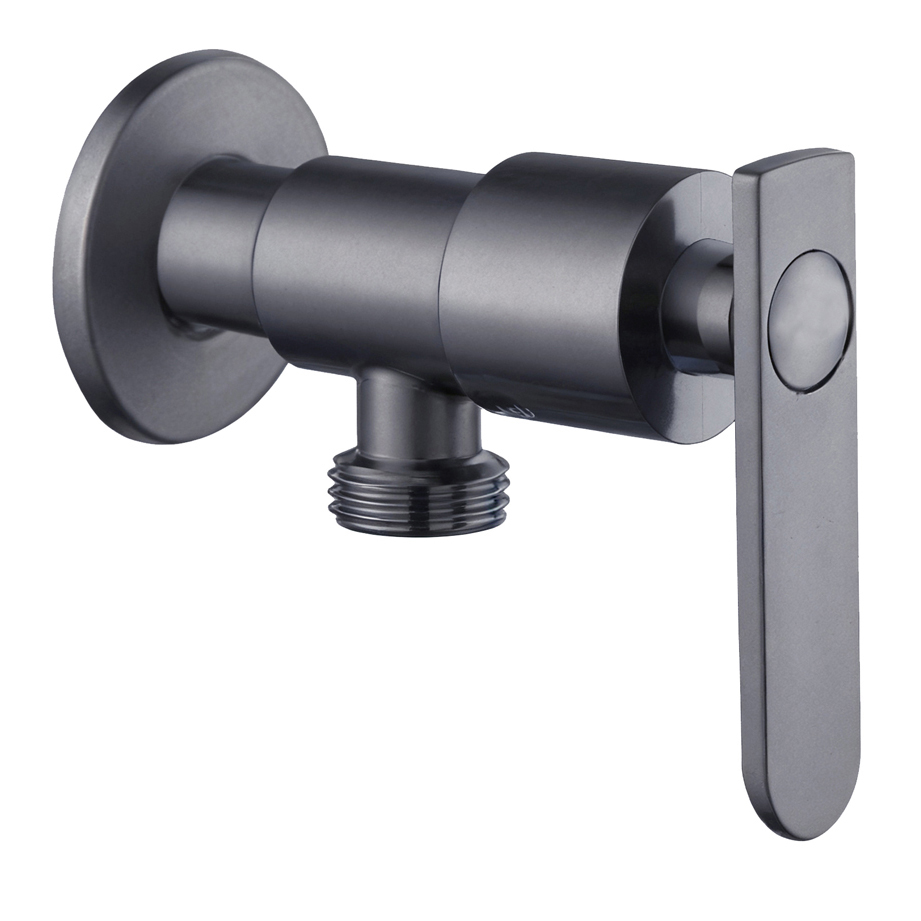
For procurement, it is more useful to list the specifications of each component separately.
This can include the basin faucet, hand spray, hose, and valve.
Buyers can then build the product package around local installation habits.
A retail customer may solve some of these questions during installation.
Project supply works differently.
If different rooms use different components or connection methods, installation and future maintenance can become more complicated.
Retailers should therefore turn local usage needs into a clear product configuration.
Simply adding a “Shattaf” label does not provide enough information.
Market Fit Cannot Depend on Keywords Alone
Shattaf does have a clear connection with bathroom use in parts of the Middle East.
However, the presence of the word “Shattaf” does not mean every country has the same product preference or regulatory requirements.
For example, the GCC Technical Regulation for Water Consumption Conservation Products includes Shattaf taps and mixers within its product scope.
It also gives maximum flow-rate requirements for relevant products.
This shows that Shattaf can become part of formal water-efficiency and product-specification checks in some markets.
It is not only a matter of user habit.
Even so, each project still needs a market-specific review.
The destination country and current local regulations remain important.
For markets such as Saudi Arabia and the UAE, buyers should keep the applicable documents and version records that the customer has confirmed for each order.
A similar-looking spray head does not guarantee the same import or compliance result in another market.
Teams should not reuse a previous market decision without checking the new order.
This is one of the main differences between project supply and ordinary retail sales.
Local habits eventually need to translate into product, accessory, installation, and compliance information.
If the first project keeps these details consistent, future replenishment becomes easier.
Partial replacement also requires less rechecking.
For a Shattaf Shower Basin Faucet, the main question is not simply whether a market “likes Shattaf.”
The more useful question comes after the project confirms the need.
How should the team turn that usage requirement into a product configuration that supports batch installation and long-term maintenance?