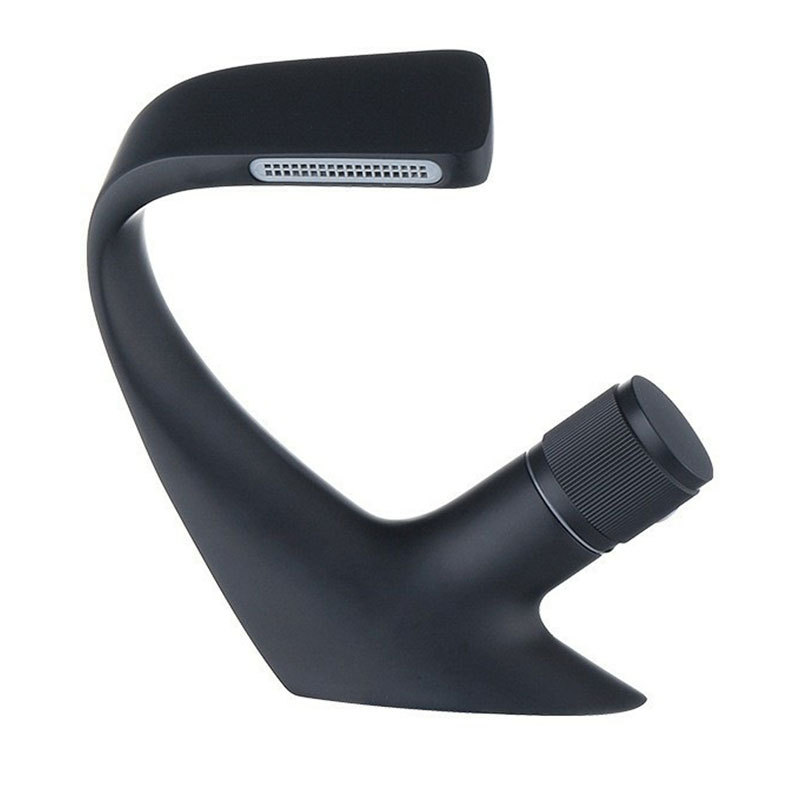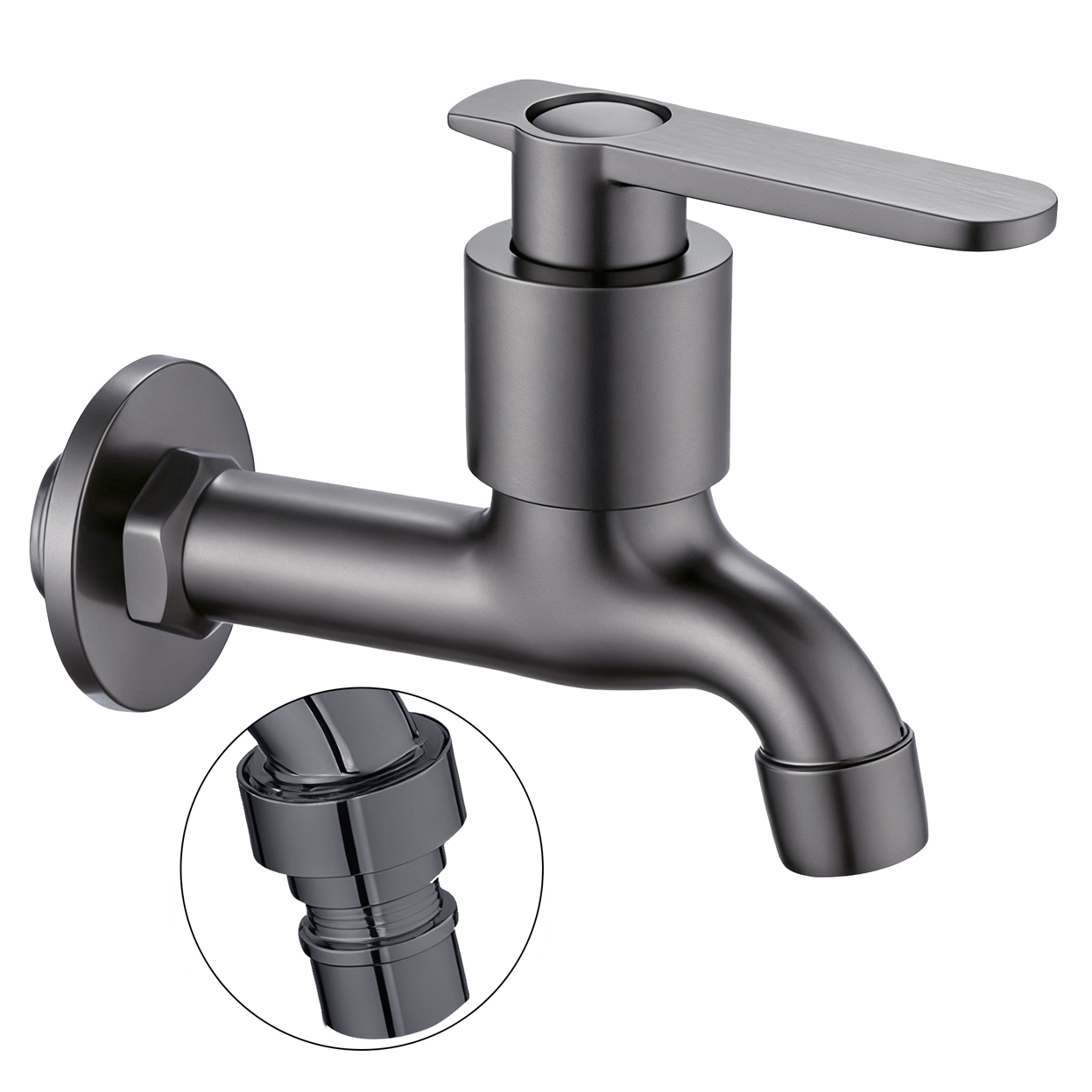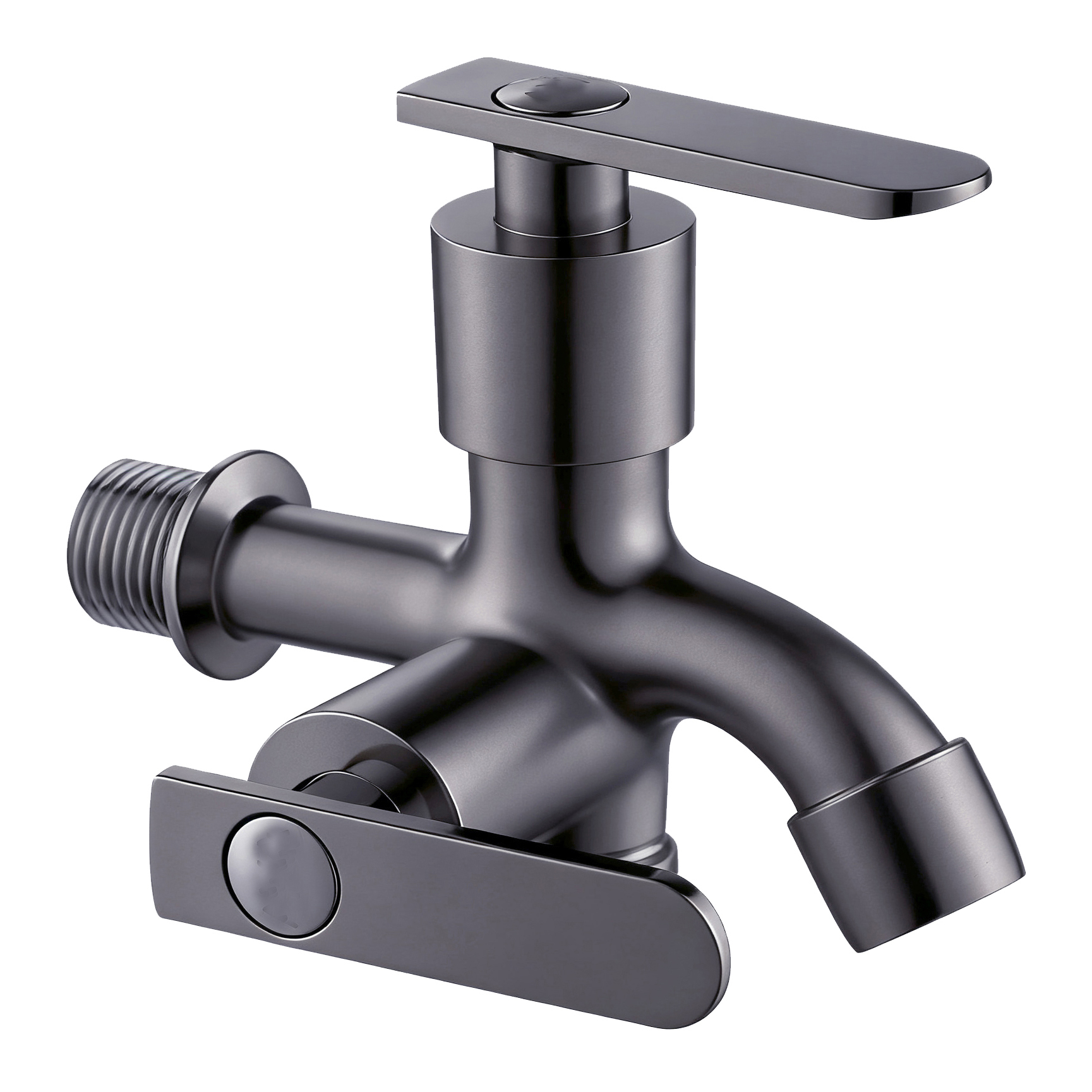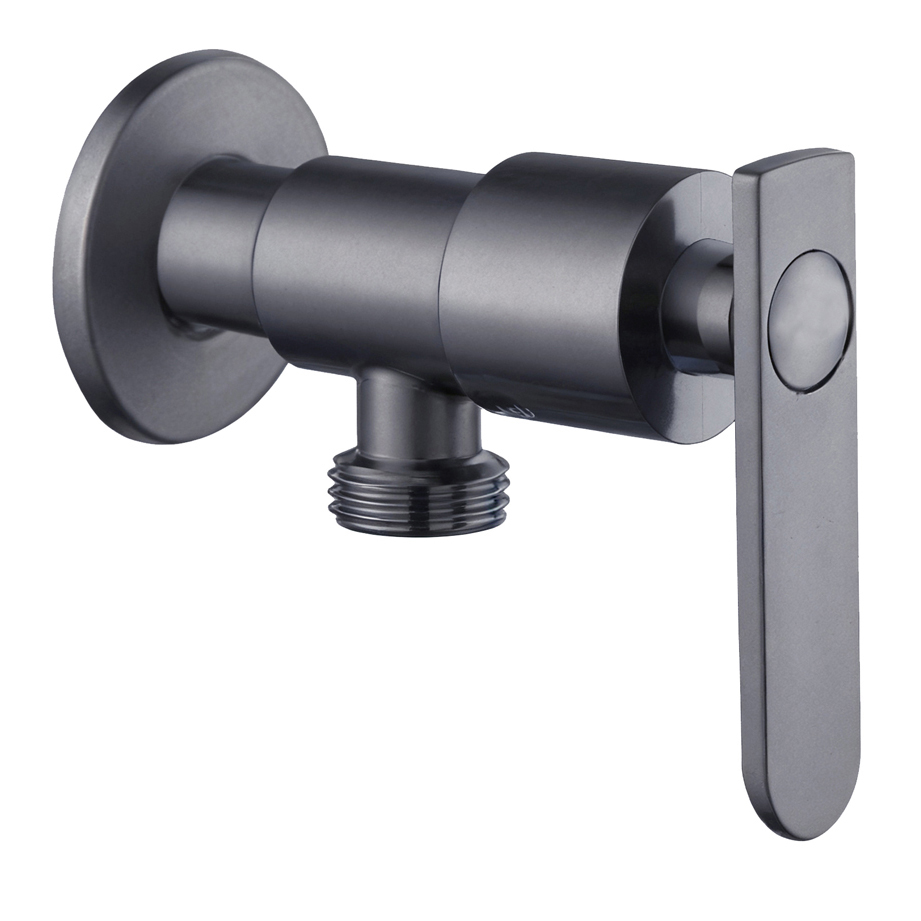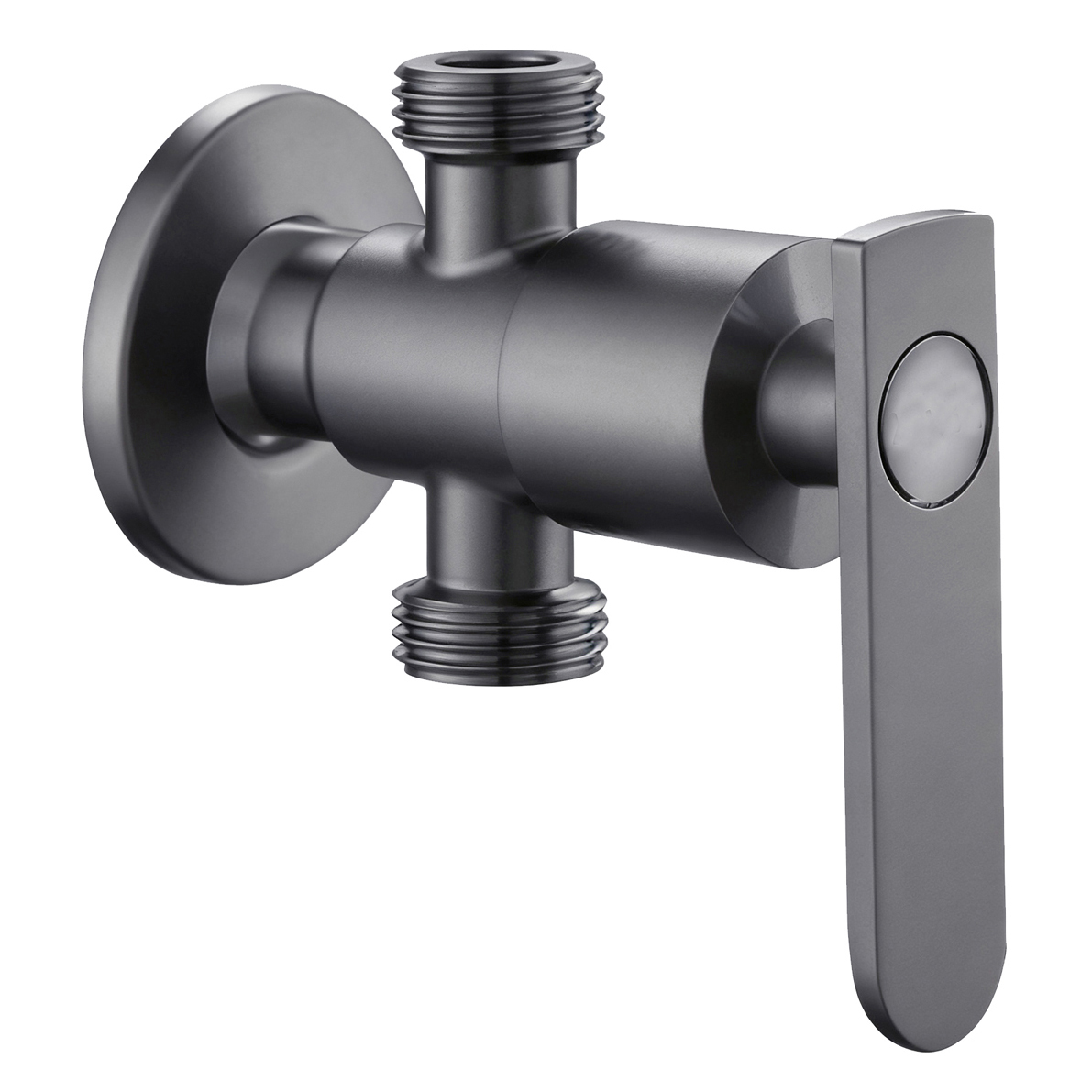




India’s large-scale housing development can easily lead to a simple market assumption: more homes mean more demand for Water Taps.
But that conclusion moves too quickly.
Public data from India’s PMAY-Urban program shows the scale of housing development under the scheme, while PMAY-U 2.0 continues to support additional urban housing needs.
These figures are useful for understanding the scale of housing activity. They do not, however, tell us which type of India Water Tap will sell best.
“New Housing” Does Not Represent One Uniform Product Requirement
PMAY-U 2.0 itself includes different implementation routes, such as Beneficiary Led Construction, Affordable Housing in Partnership, Affordable Rental Housing, and the Interest Subsidy Scheme.
This already shows that housing supply can involve different construction and occupancy models.
For basic Plumbing Products, the next questions therefore become more specific:
Is the product being used in new construction or for replacement and repair?
Is it intended for a cozinha, casa de banho, or secondary water point?
Is it being purchased as part of a project, or individually by a household?
Official PMAY information can help explain part of the policy background behind residential construction in India, but the scale of the program should not be used to directly estimate faucet sales for an individual supplier.
For India Water Tap sourcing, product decisions still need to be checked against the target state, housing type, local installation conditions, existing products in the market, durability requirements, and price range.
Where distribution is fragmented, clear connection specifications and packaging information become even more important.
Project supply also creates a different purchasing logic from individual retail replacement. For a housing project, responsibilities for construction batches, handover repairs, and later replacement parts may need to be defined. A retail customer buying a single tap may be more concerned with whether the connection matches the existing plumbing immediately.
The same product description cannot necessarily support both decisions equally well.
For water tap india, these questions are usually more useful than trying to identify one supposedly “preferred Indian faucet style.”
Basic Product Demand Comes From Many Specific Water Points
Water Taps differ from highly decorative faucet categories.
Many basic taps perform straightforward tasks: supplying water, supporting cleaning, connecting a hose, or providing a basic water outlet within a residential property.
Housing-development data therefore does not tell retailers how many additional SKUs they should carry.
Its more useful implication is that demand for basic Plumbing Products may be distributed across many different installation points, each of which can have different requirements for connections, materials, structures, and price levels.
Local price research should also record the date, city, store type, and actual product configuration being compared.
Even when two products are both described as a “torneira de água,” a low-cost plastic outlet should not be averaged together with a brass hot-and-cold basin mixer as though they represented the same product segment.
Differences between cities, housing types, and new-build versus replacement demand also make it difficult to describe the national market with a single faucet assortment.
India’s housing-development scale is worth following, but it is more useful as a starting point for understanding market complexity than as a direct sales forecast.
For India Water Tap, useful regional market analysis goes one step further and breaks “housing growth” into more practical questions:
What type of housing is being built?
Where will the tap be installed?
And who will purchase, install, maintain, and eventually replace it?