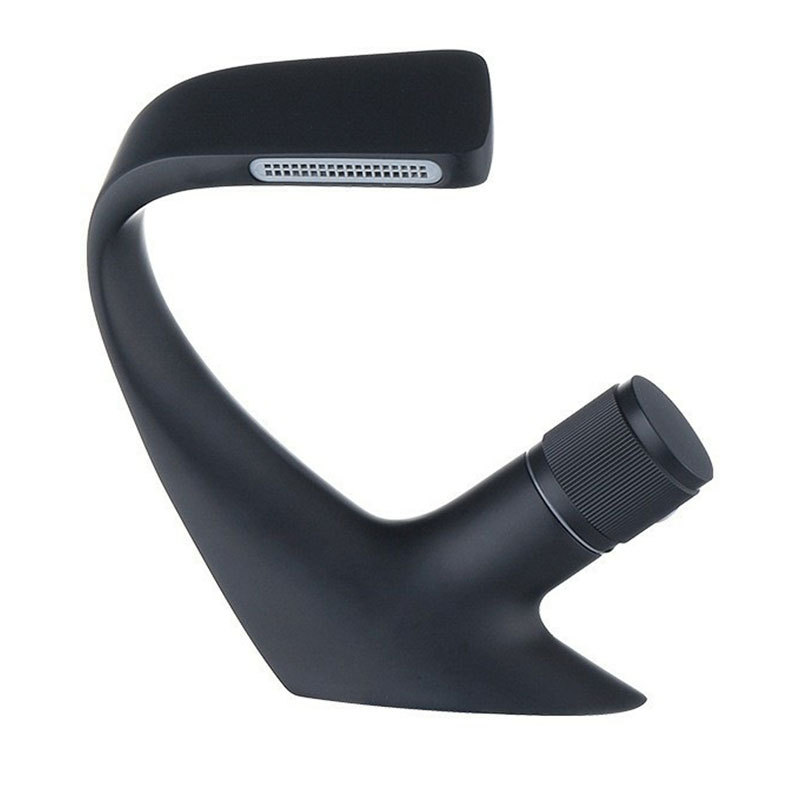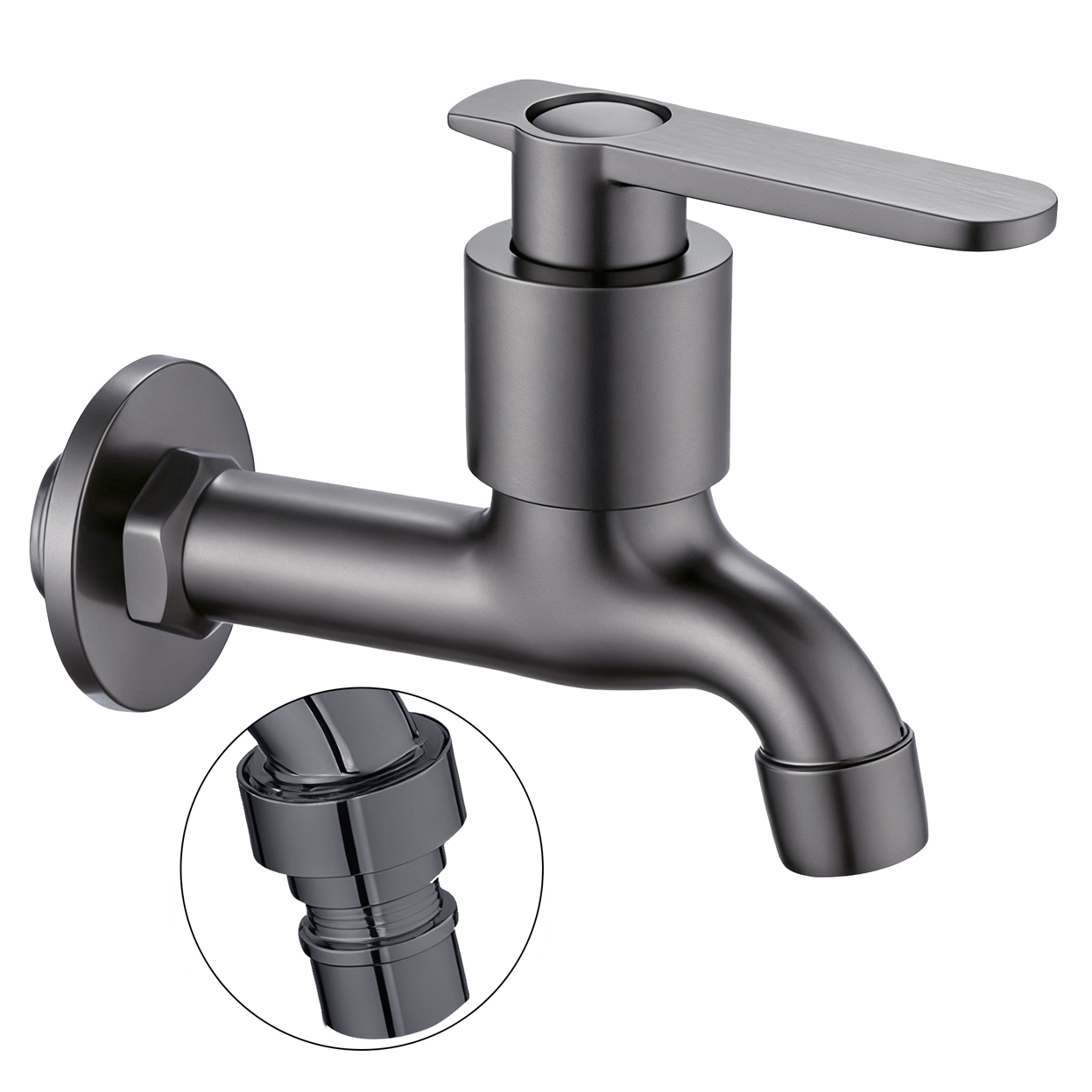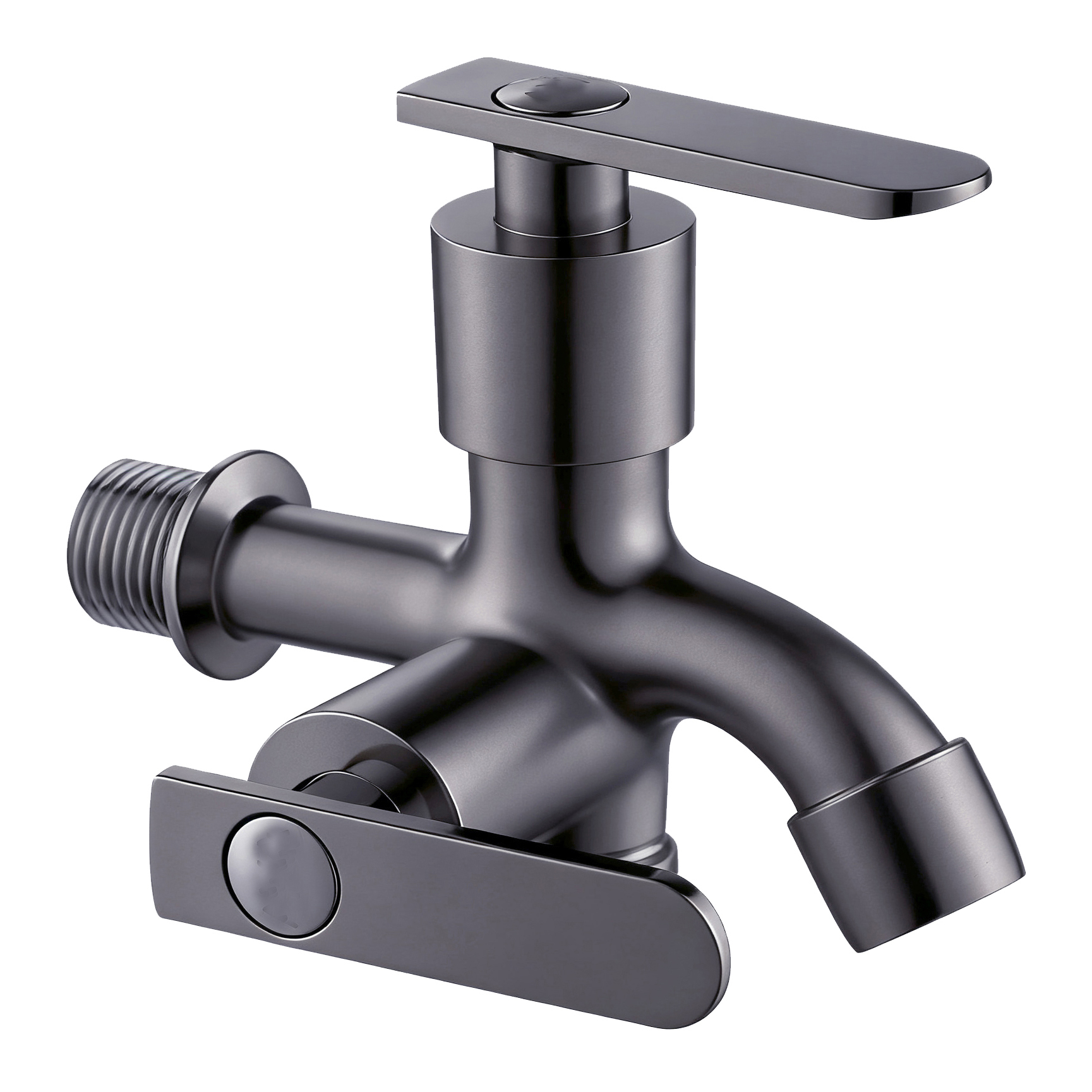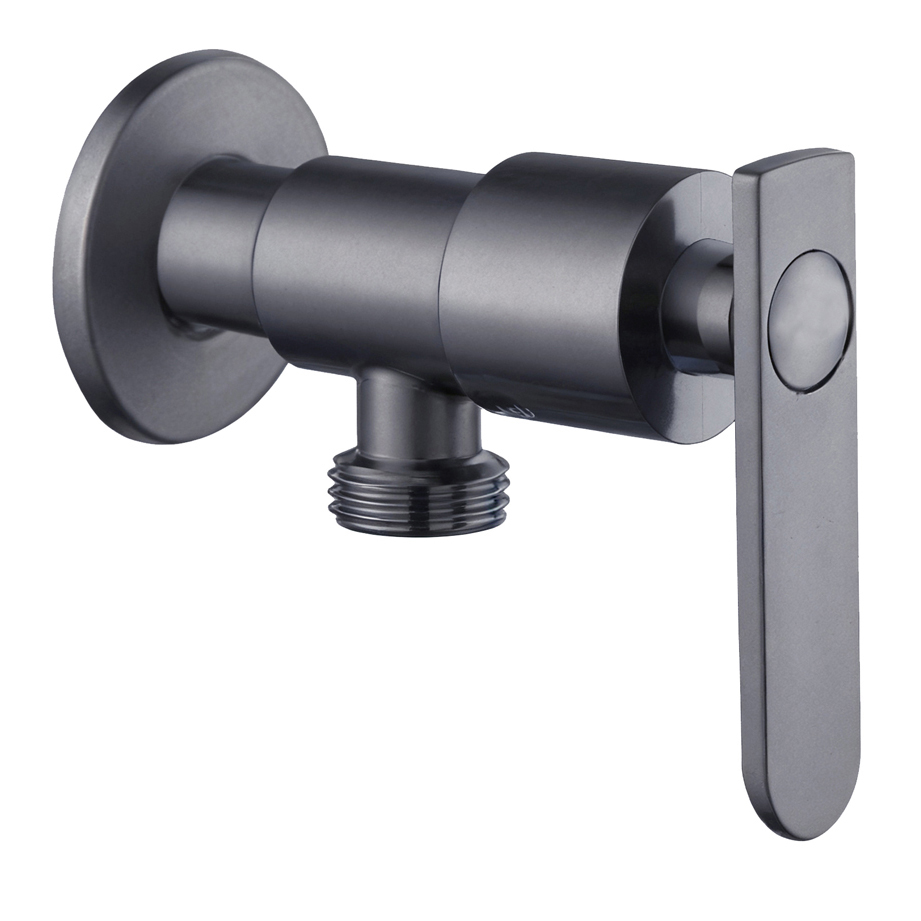




A faucet already sold in one market cannot automatically enter another country with the same product documentation.
For an Australia Kitchen Faucet, the first question should not simply be, “Does this product have a certificate?”
A better starting point is to identify which local requirements apply to the product and whether the current configuration actually meets them.
Match Compliance Requirements to the Specific Product
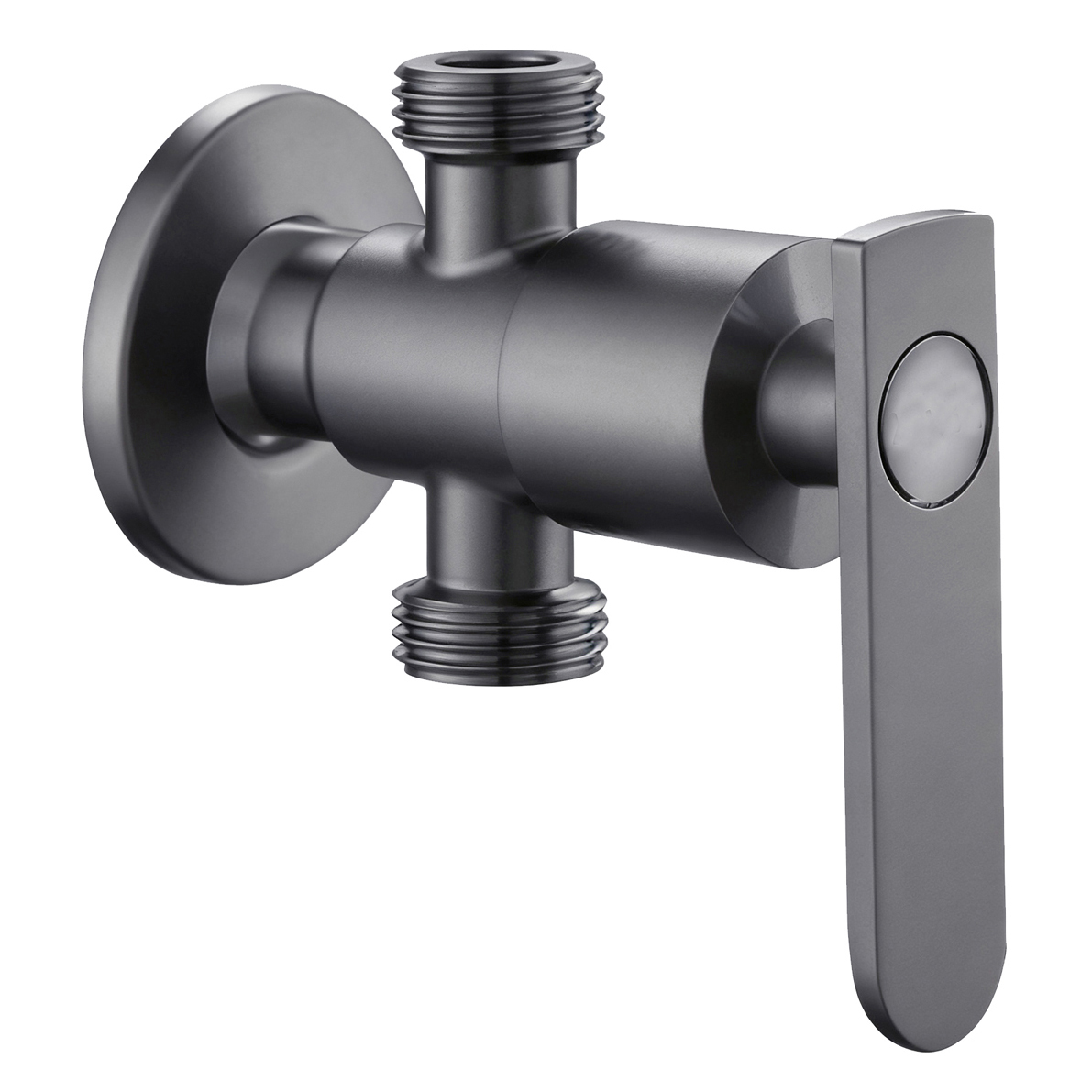
Kitchen faucets can differ in installation method, connections, materials, intended use, and product configuration. These differences may affect which requirements apply.
For this reason, one certificate or test report should not automatically be treated as evidence for an entire product range.
A more reliable process starts with the exact model and specification. The applicable compliance requirements can then be checked against that product.
This matters because a torneira de cozinha contains more than the main body.
Water may also come into contact with the cartridge, hoses, seals, aerator, and other components. These parts should be considered when reviewing the product.
If one of these components changes, the existing compliance assessment may also need to be reviewed.
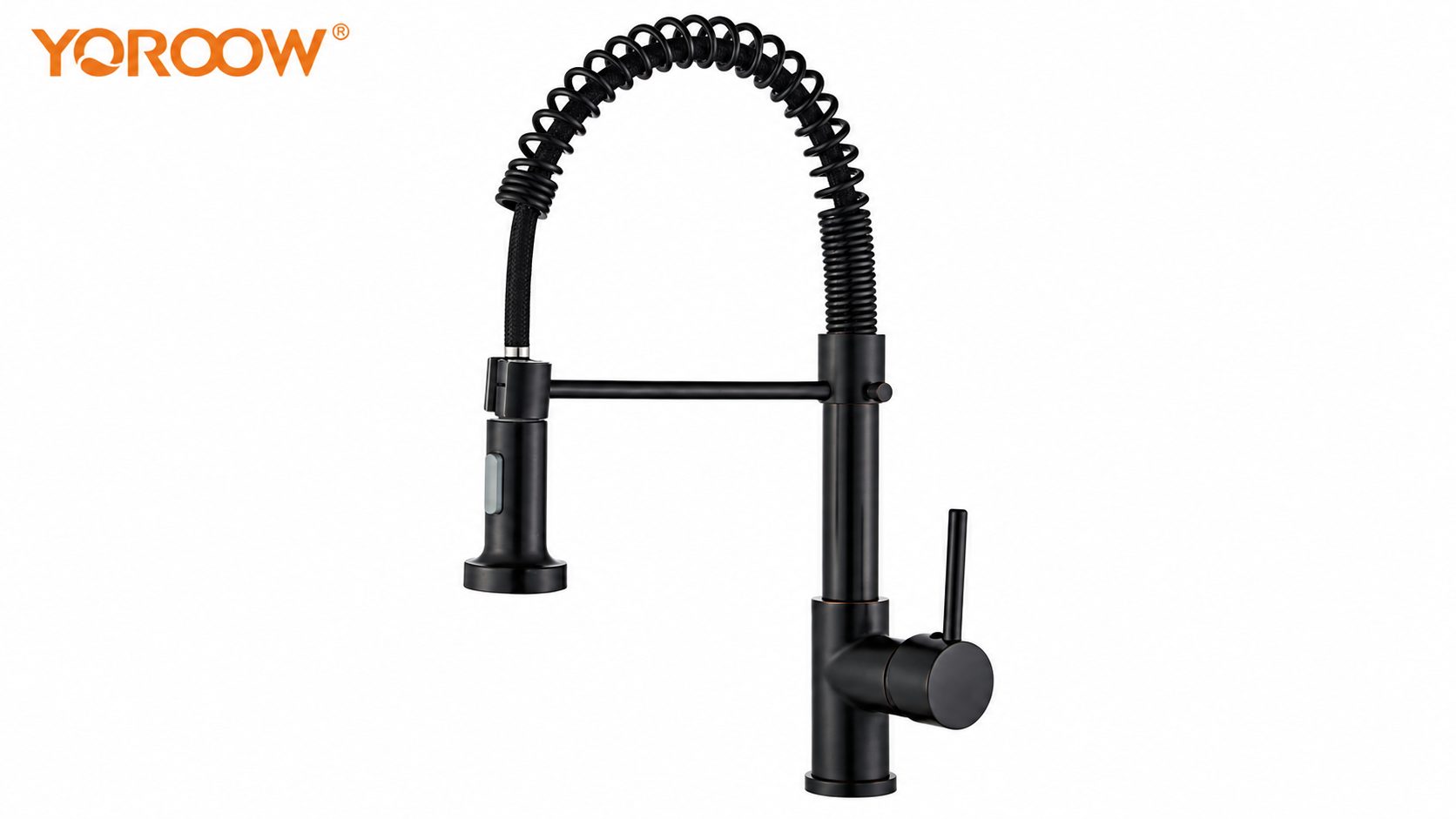
Documents Must Match the Model Being Sold
When reviewing an australia kitchen faucet, it is not enough to confirm that a supplier has compliance documents.
The next step is to check what those documents actually cover.
Product scope, model numbers, materials, and other identifying information should match the faucet intended for sale.
A document issued for another product series should not automatically support the current model simply because the two products look similar.
Australia’s WELS scheme regulates relevant products, including certain taps, and sets requirements for registration and supporting information.
For a specific faucet entering the Australian market, the product should have a clear connection with its test information, relevant certification, product images, and registration details.
The Australian Government’s WELS Regulated Products information can help determine whether the product falls within the scheme. The WELS Plumbing Product Application Guidance also explains the information required during the application process.
Compliance should therefore be reviewed before quotation, packaging, and mass production whenever possible.
This gives enough time to identify specification or documentation gaps before the product reaches the final production stage.