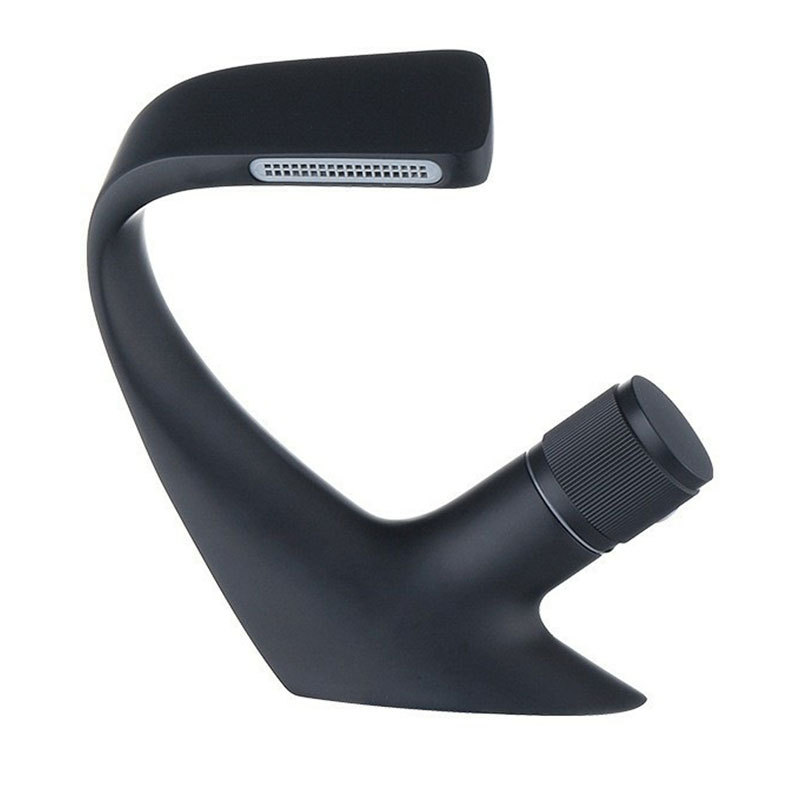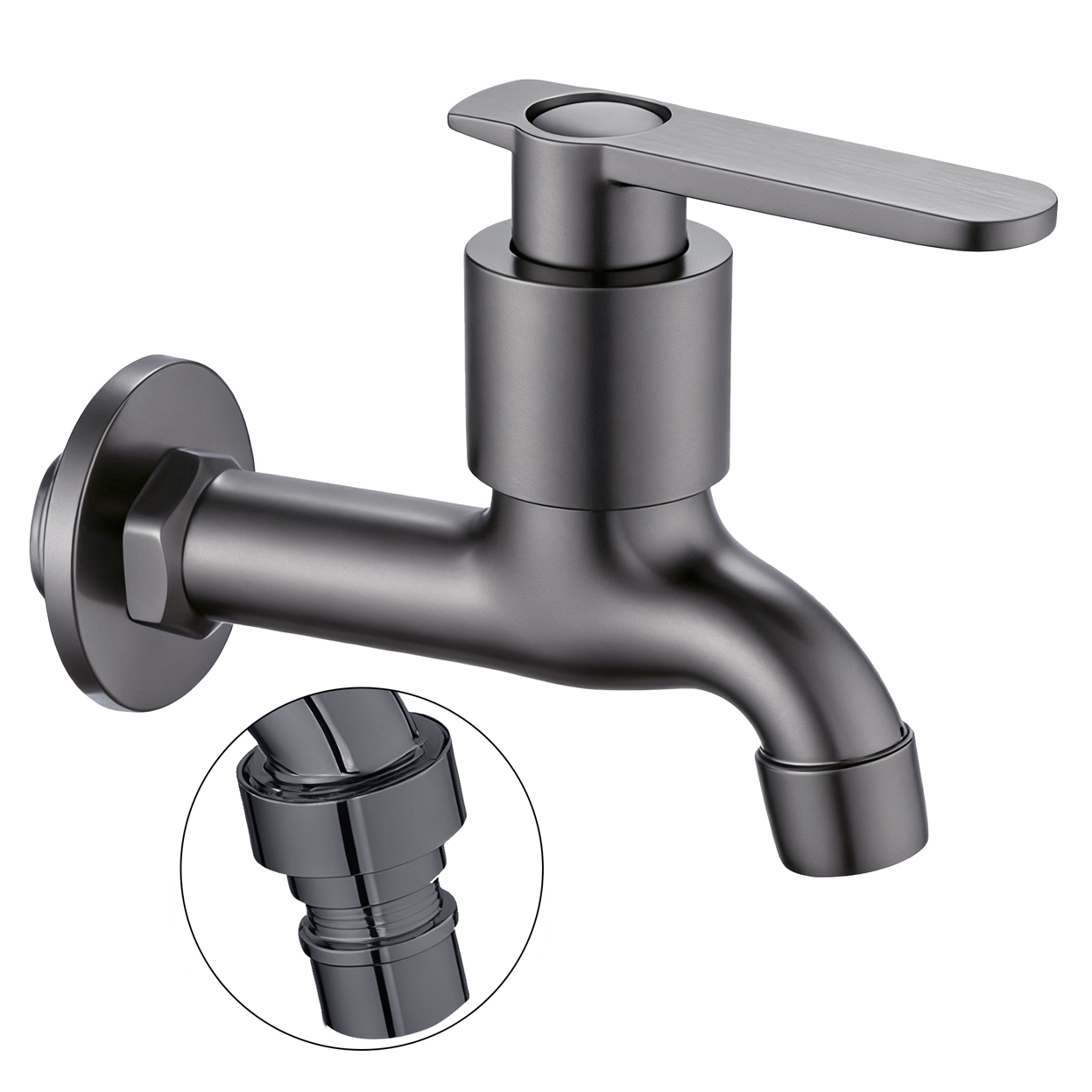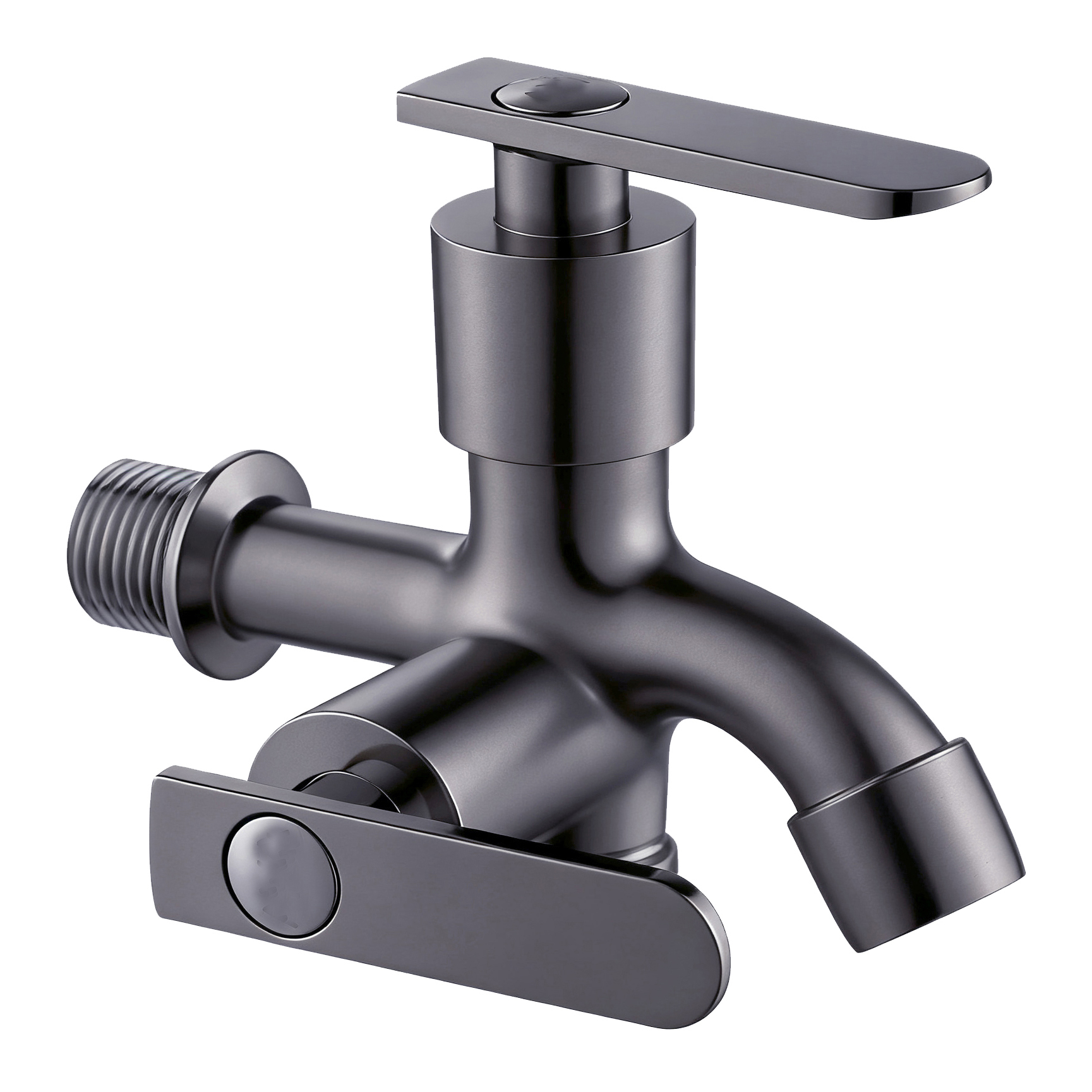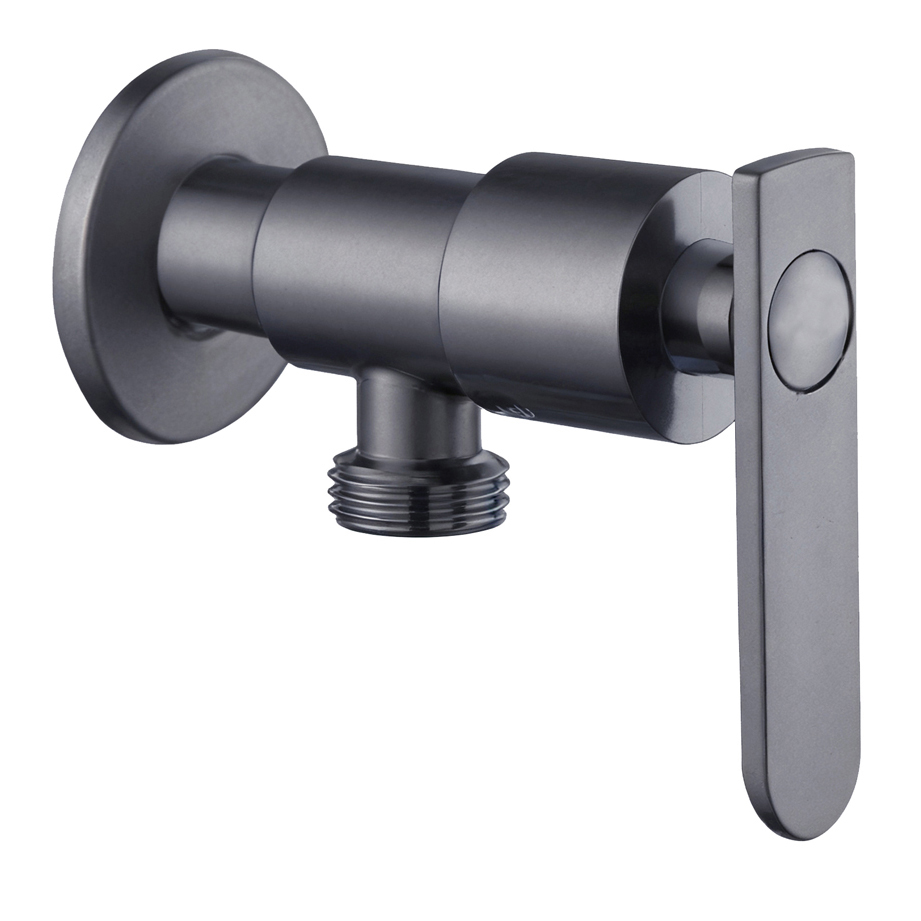




In hospitals, food factories, schools, and public restrooms, traditional manual faucets are creating more problems in high-frequency environments. Frequent hand contact increases the risk of cross-contamination, while strong water flow often causes splashing and wet floors. Over time, ordinary faucets can loosen or fail, increasing maintenance costs.
In modern public spaces, simply providing water is no longer enough. Hygiene, durability, and operational efficiency have become more important, which is why foot pedal faucets are becoming increasingly popular.
I. Why Are Foot Pedal Faucets Better for Public Spaces?
The biggest advantage of a foot pedal faucet is hands-free operation.
Users control water flow by stepping on the pedal, avoiding direct hand contact with the faucet and reducing the risk of bacteria transmission. This is especially important in:
- Hospitals
- Food processing areas
- Public wash stations
Foot pedal systems are also ideal for high-frequency use because they:
- Allow quick water access when both hands are busy
- Reduce repeated handle contact
- Improve hygiene management
- Support continuous public use
II. Why Do Public Spaces Focus More on Splash Prevention and Durability?
Common problems in public wash areas include:
- Water splashing onto floors
- Wet countertops increasing cleaning work
- Slippery floors creating safety risks
- Damaged pedals from frequent use
That’s why high-quality foot pedal faucets must combine hygiene with durability.
Features such as:
- Slow-closing valves help reduce water pressure impact
- Aerators create softer water flow and reduce splashing
- Reinforced pedals improve durability in high-traffic environments
These features help reduce maintenance and improve safety.
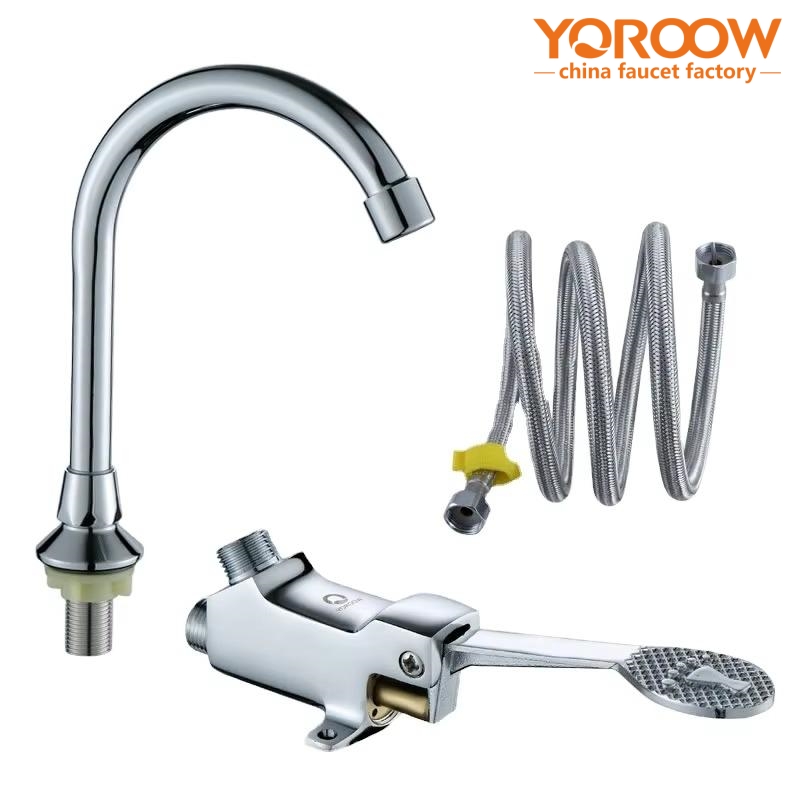
III. Example: YOROOW Brass Foot Pedal Faucet
Le YOROOW brass foot pedal faucet is designed specifically for public and commercial use.
Key features include:
- Durable brass body with strong corrosion resistance
- Slow-closing valve core for smoother water flow
- Reduced splashing and pressure impact
- Thickened pedal structure for long-term heavy use
- Anti-splash aerator to keep floors and countertops drier
- Complete installation accessories for project applications
Suitable for hospitals, factories, schools, and commercial public spaces.
IV. Conclusion
Today’s public water systems require more than basic functionality. Buyers now focus on:
- Reducing cross-contact
- Preventing splashing and standing water
- Supporting long-term high-frequency use
- Lowering maintenance costs
With hands-free operation, durable construction, and splash-reduction design, foot pedal faucets are becoming a preferred solution for hospitals, factories, schools, and commercial facilities.
For high-traffic public environments, a more hygienic and reliable faucet system can significantly improve both operational efficiency and user experience.