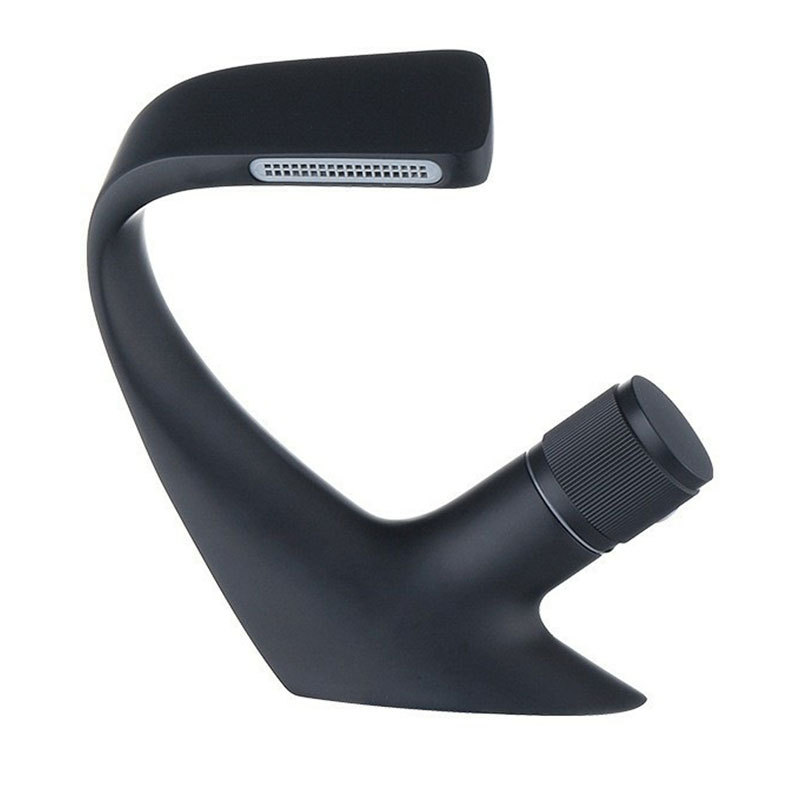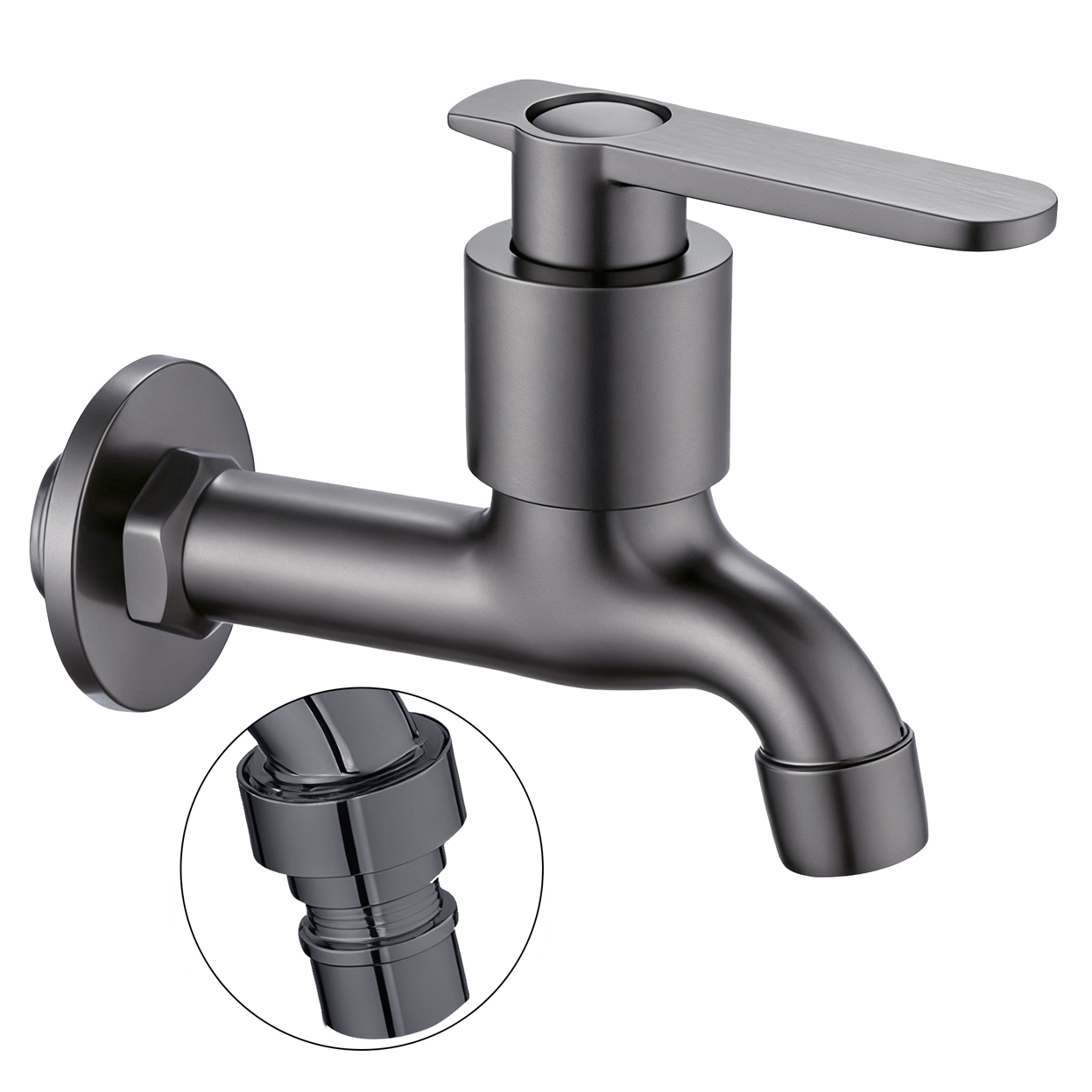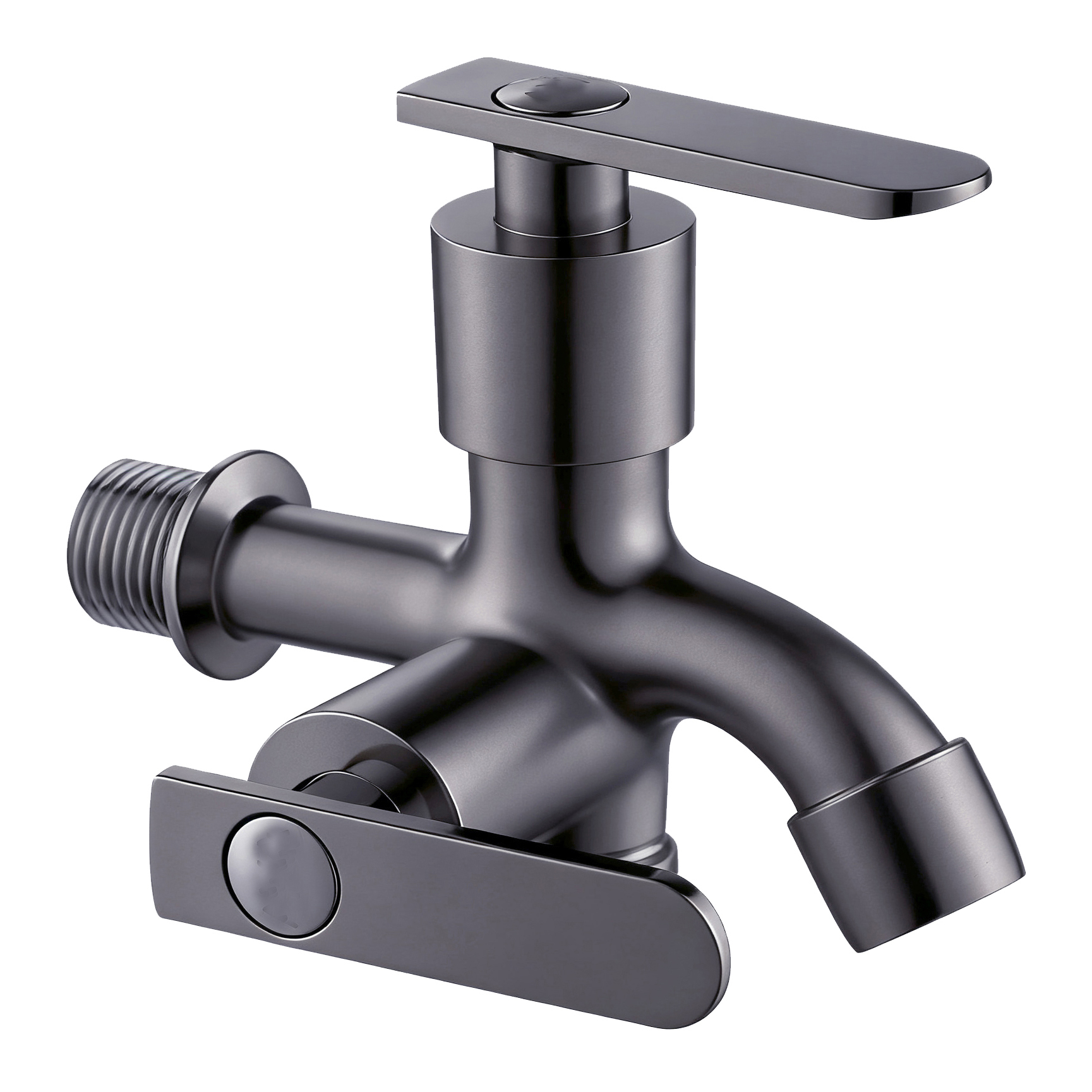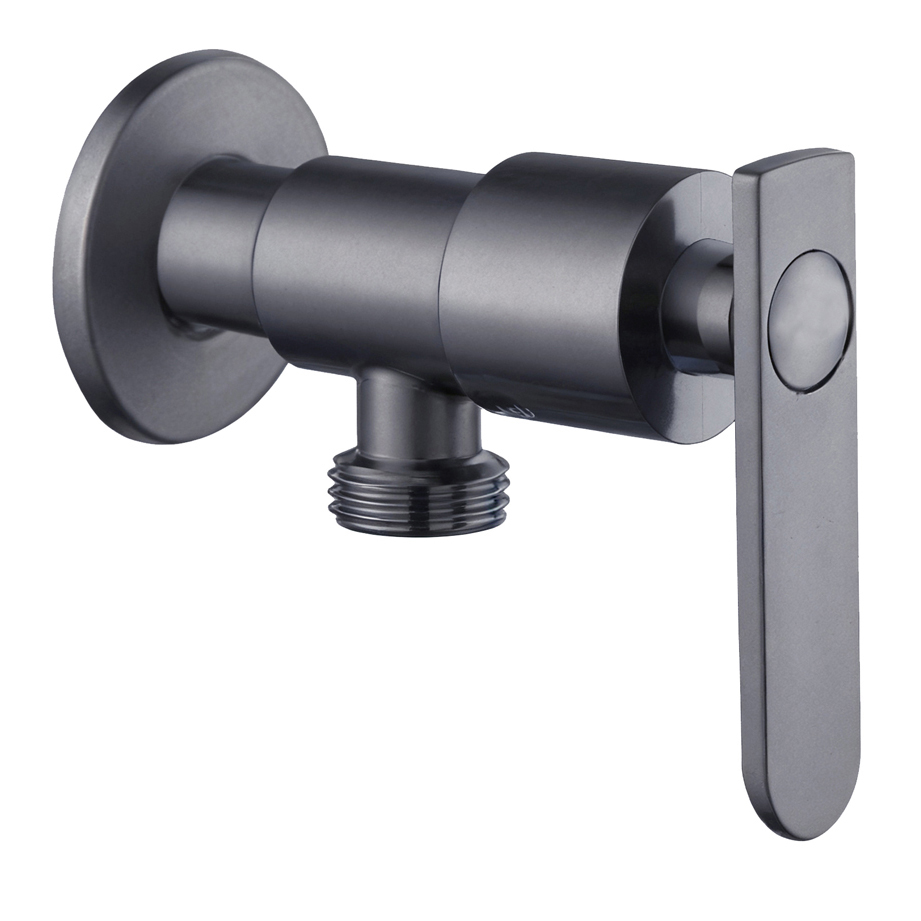




If a faucet specification only says “brass or acero inoxidable, preferably better quality,” the supplier still does not know what the product needs to achieve.
A kitchen faucet for a home, a budget retail faucet and a faucet for a public washroom can face very different requirements. Water conditions, installation, maintenance, appearance and target cost may all change the material choice.
So, a useful faucet material comparison should start with the application, not with a simple ranking of metals.
The material grade is only one part of the decision. The actual product configuration also includes the waterway, components, finish, installation conditions and required evidence.
Put the Use Scenario Before the Material
Before choosing a material, define where and how the faucet will be used.
Consider the target market, installation location, expected users and price position. Also check whether the faucet will have drinking-water contact and what type of maintenance it may face.
The environment matters as well. A general description such as “humid market” may not tell the supplier enough.
For example, the real concern could be high chloride exposure, frequent cleaning with chemicals, outdoor installation or areas where water remains on the surface.
When these conditions are unclear, identify the uncertainty first. Do not assume that every project has the same environment.
This approach makes the material discussion more useful. A retail collection with several finishes may need a different product configuration from a project where easy maintenance and replacement parts matter most.
A Faucet Is Not Made From One Metal
When buyers ask how to choose faucet body material, they should first define what they mean by “body.”
A faucet can contain several different materials. The main body, spout, handle, internal waterway and other components may not use the same material.
Therefore, a faucet sold as a “brass faucet” does not mean that every component is brass.
The same applies to stainless steel and zinc alloy faucets. One material may form the main structure while other materials serve specific functions.
For procurement, it is more useful to identify the material of each important component. Pay particular attention to parts that contact water.
Connections, seals, control components and internal waterways also matter. The main body material alone cannot describe the performance of the finished faucet.
A higher-cost material may add little value if another component creates the actual limitation.
Brass Selection Requires More Than the Word “Brass”
When buyers choose a brass faucet body, they should first clarify the alloy, supporting documents and relevant production requirements.
Weight alone does not show material quality. Two faucets can have different weights because of their dimensions, wall thickness or structural design.
For that reason, weight only makes sense as a comparison when the products have similar specifications.
Drinking-water applications require another level of attention. Buyers need to know which components contact water and what evidence covers those components.
An alloy report can help confirm material composition. However, it does not answer every question about the finished faucet.
The surface finish also deserves attention. Changes to the base material or machined surface can affect the final appearance when the product uses a specific finish.
The goal is therefore not to specify “brass” as a single line on a purchasing document. The specification should describe the actual product configuration.
Stainless Steel Selection Should Go Beyond 304 and 316
A 304 vs. 316 stainless steel faucet comparison should not treat the two grades as simple “standard” and “better” options.
316 belongs to the Cr-Ni-Mo family of austenitic stainless steels. Outokumpu notes that molybdenum helps these grades meet applications with higher corrosion-resistance requirements.
However, 316 does not make a faucet automatically corrosion-proof.
The actual result also depends on the environment, surface condition, manufacturing process and product design.
For example, areas that hold water, gaps between components and other water-contact parts can affect long-term performance.
So, when a supplier proposes changing from 304 to 316, ask a more useful question:
What specific condition does 316 solve in this project?
Then compare the additional material cost with the supporting evidence and the expected benefit.
This makes the upgrade a technical decision rather than a simple choice of a higher number.
Zinc Alloy Selection Depends on Where It Is Used
A zinc alloy vs. brass faucet comparison also needs more detail than a simple whole-product price comparison.
First, identify where the zinc alloy appears.
An external operating component is different from a structural component or a water-contact component. The position of the material affects how buyers should evaluate it.
Some faucet designs separate the external housing from the internal waterway. If that structure is used, the supplier should explain which parts carry water and which parts do not.
However, one non-water-contact component does not automatically determine the compliance status of the whole faucet.
NSF explains that certification for a finished product and certification for an individual component are separate matters. Certification of the finished product does not automatically give separate certification to every component.
Cost also needs the same level of detail.
A lower-cost material may require different machining, finishing or assembly processes. As a result, the finished product may not cost less by the same amount.
The fairest comparison uses the same product scope. Include the components, processing requirements and required evidence before comparing prices.
Use Project Conditions to Narrow the Options
The purpose of a material comparison is not to decide that one metal is always better than another.
Instead, start with the project conditions. Then remove options that do not fit and compare the remaining configurations.
| Project condition | What to clarify |
|---|---|
| Drinking-water contact | Which components contact water and what evidence covers them |
| Multiple finishes | Whether the selected materials support the required finishes |
| Special environment | Which exposure conditions may affect material selection |
| Long-term maintenance | How replacement parts and related components will be identified |
| Budget control | Whether the quotation covers the same components and processing scope |
Different projects may have different priorities.
One project may depend mainly on water-contact requirements. Another may focus on corrosion conditions, appearance, maintenance or target cost.
Putting the most important condition first helps avoid sampling a material that does not fit the intended application.
Check the Material Choice on the Actual Product
After selecting a material configuration, check the actual faucet rather than relying only on the material name.
Start with the finished sample. Check its appearance, installation and operation under the intended conditions.
For water-contact products, also check the relevant components and supporting documents.
Material documents and finished-product tests answer different questions.
A material certificate can help confirm what a material is. It does not automatically prove that the complete faucet meets every requirement of the intended application.
The same principle applies when a supplier changes a material source, body design or component after sample approval.
The approved sample and the production version should continue to represent the same product configuration.
In the end, the right faucet material is not simply the most expensive option.
It is the material configuration that fits the application, product structure, performance requirements and required evidence.