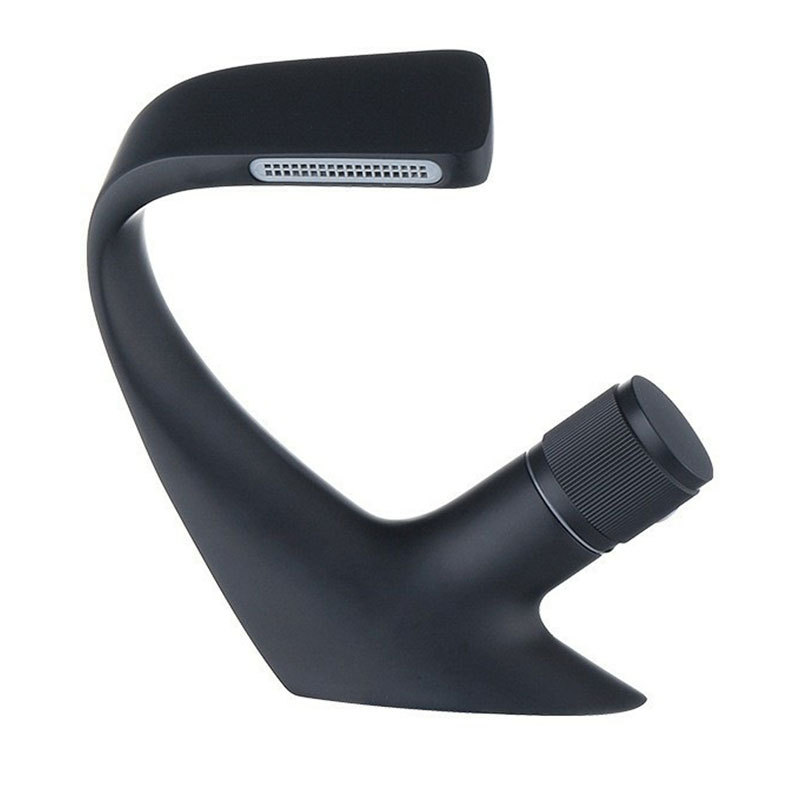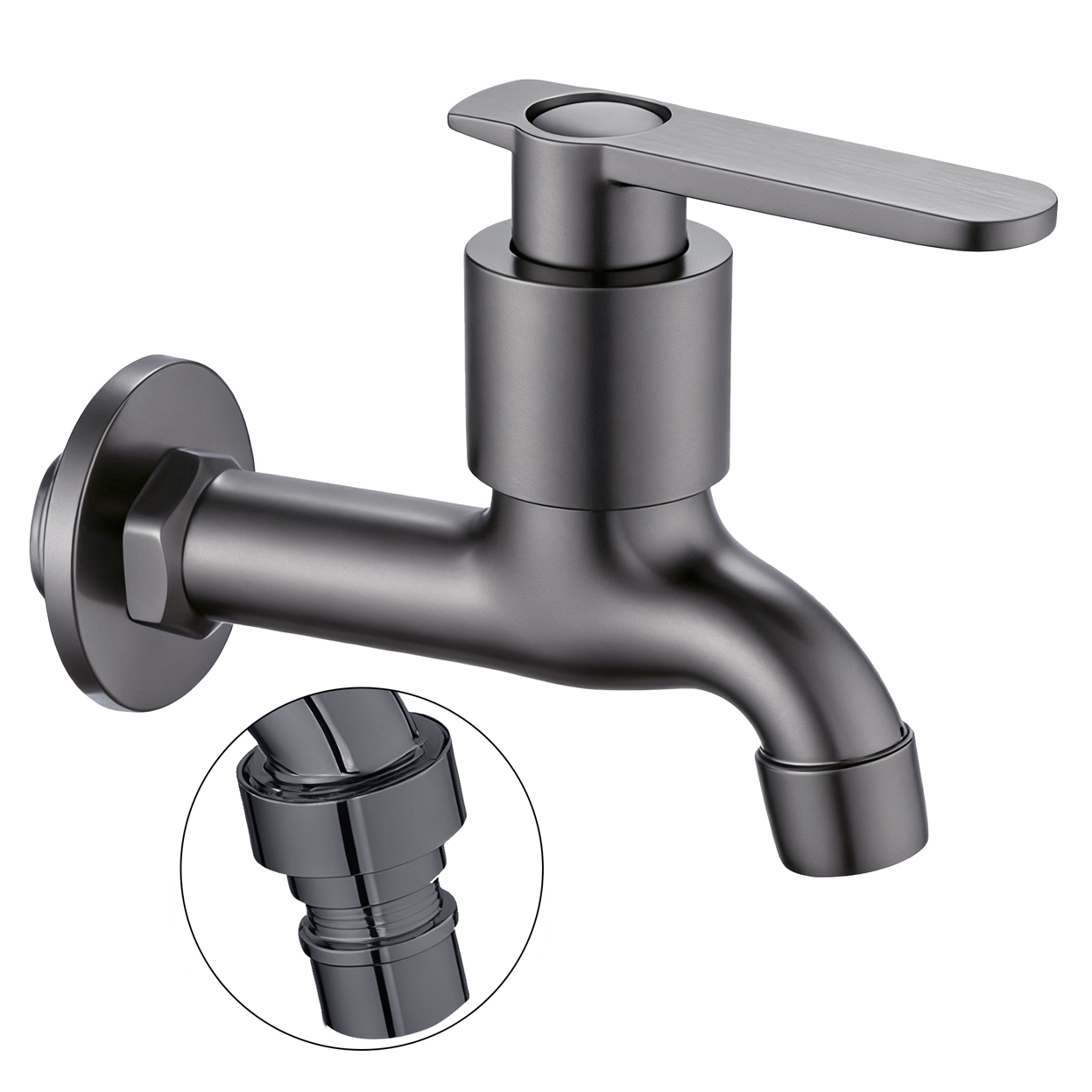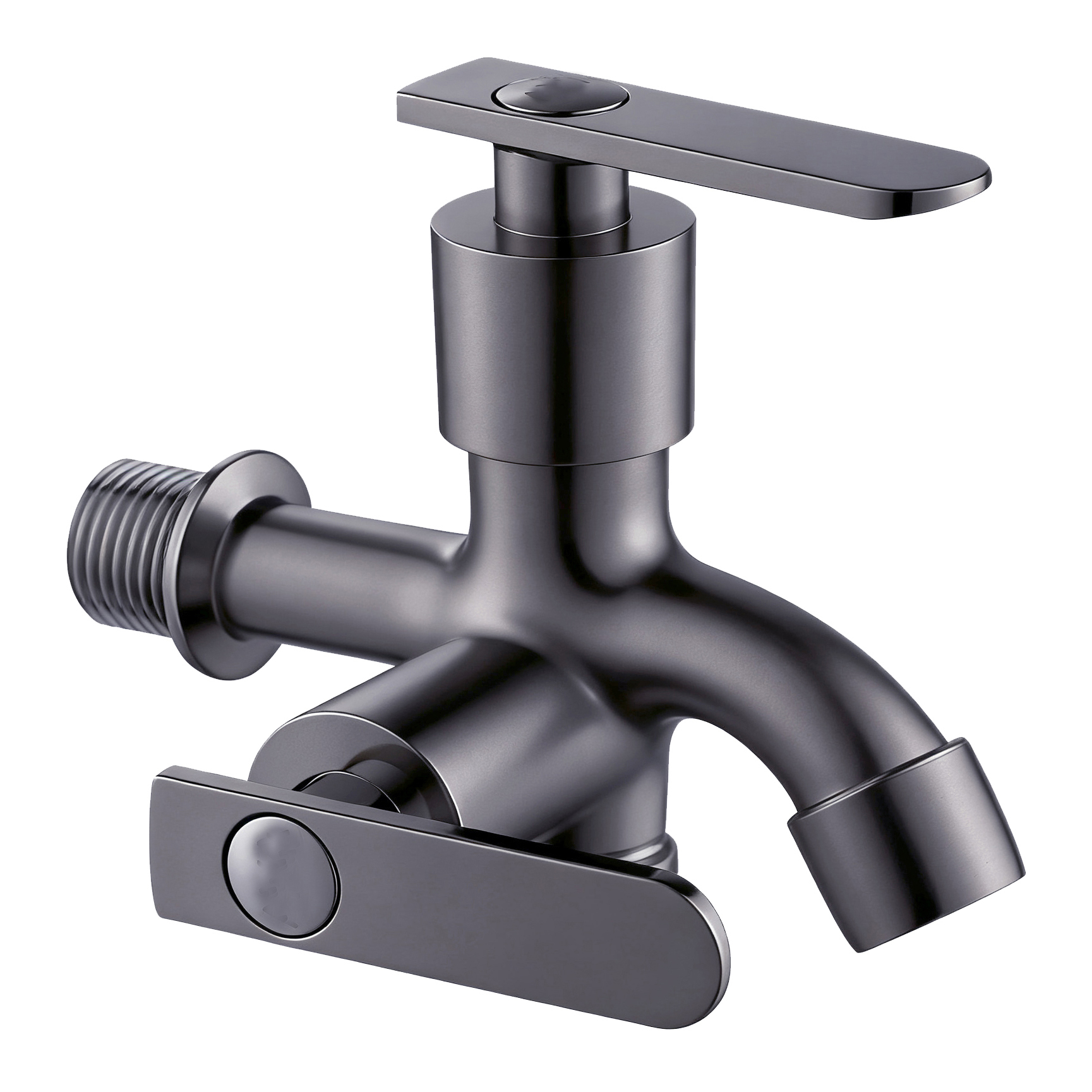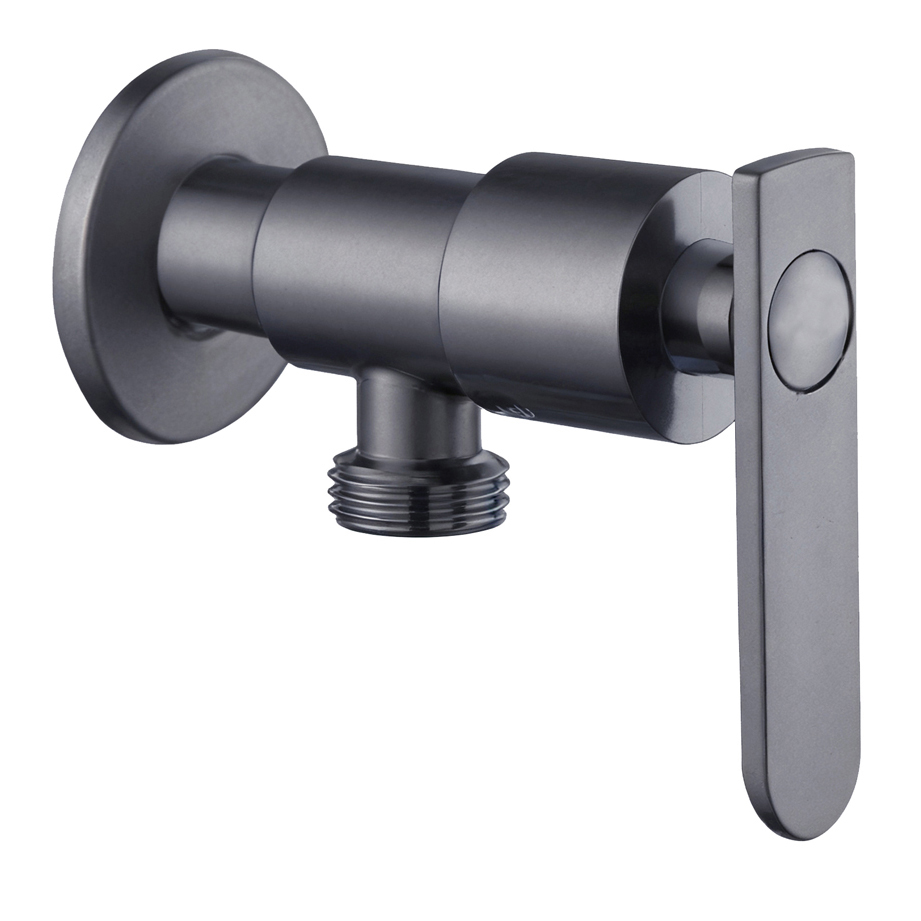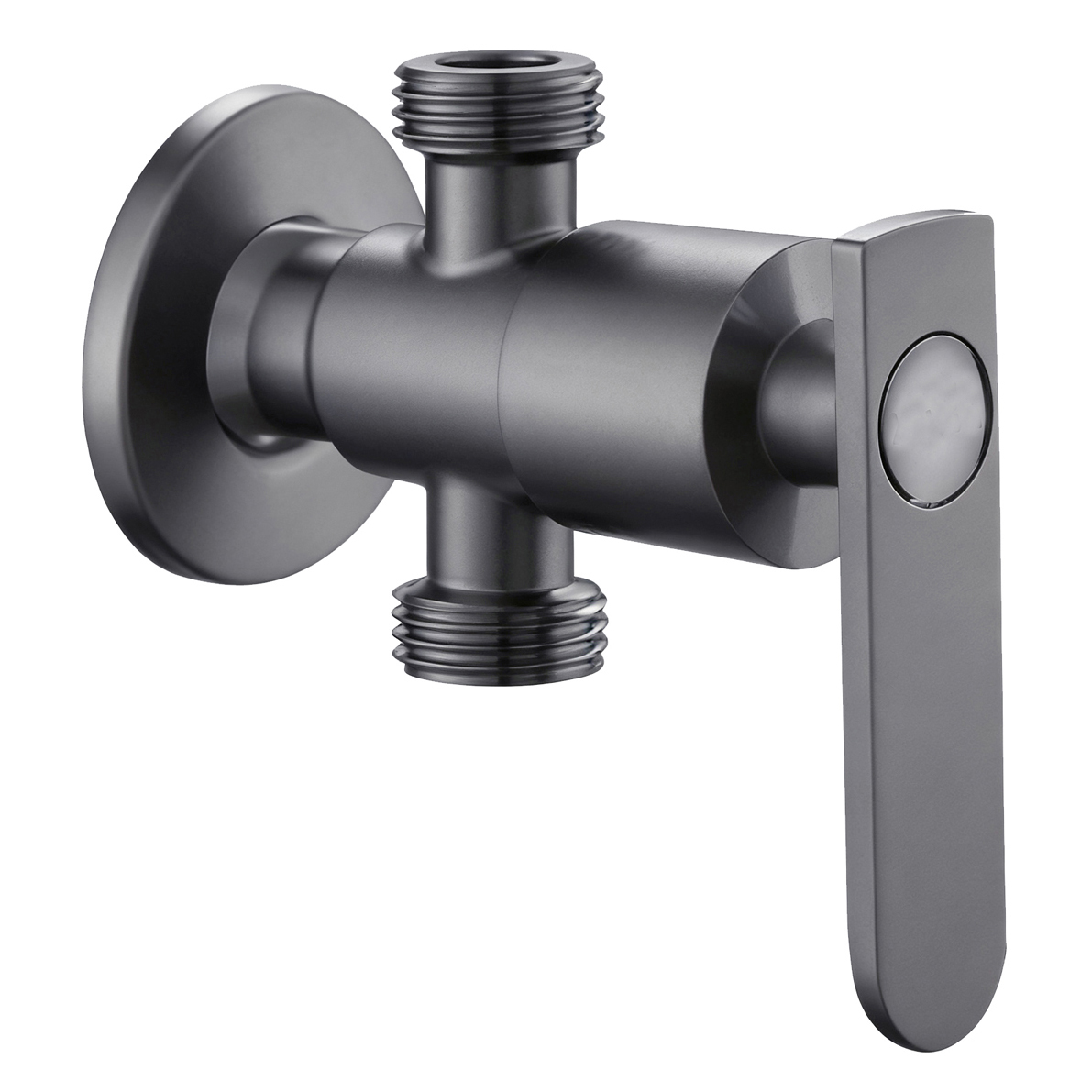




A faucet may go through several rounds of selection and approval, while the angle valve is simply noted in the quotation as “2 pcs included.” The problem often appears only during installation: the outlet does not match the hose, the handle is blocked by the cabinet, or the replacement team cannot identify the original version.
When working with an angle valve manufacturer, treat the angle valve as a product with its own model, application, configuration, and inspection requirements, even when it is supplied as part of a faucet set.
An angle valve controls local water supply, but its location is often hidden inside a cabinet. Its connections, operation, and accessibility can still affect the complete installation. Procurement should therefore start with the actual cabinet conditions and confirm the inlet, outlet, operating space, sealing requirements, and included accessories.
Give the Angle Valve Its Own Product Identity
The main product list should show the angle valve model, quantity, configuration, and accessories. Avoid replacing these details with a general description such as “standard accessories.”
If different faucets or markets require different versions, record which angle valve belongs to which faucet configuration. This gives the buyer a clear reference if the supply source changes or a replacement is needed later.
For an OEM angle valve project, the same principle applies to branding and packaging. The logo and appearance can follow the faucet series, but they should not replace the technical identity of the product. Maintenance personnel should be able to identify the actual model rather than seeing only a brand name.
An independent product identity also makes problem analysis easier. If a faucet set develops a leak, the issue can be traced to the angle valve, hose, connection, installation condition, or another component instead of being recorded simply as a “faucet set leakage” problem.
Specify the Inlet and Outlet Separately
The inlet and outlet should be recorded as separate specifications, including their connection types and complete identification. The buyer should check how each end connects to the existing pipework, hose, or equipment.
A nominal size alone does not always describe a complete connection. Different connection systems can use similar numerical dimensions while having different connection or sealing arrangements.
For example, BrassCraft’s product information presents inlet and outlet specifications separately and provides installation information for individual angle stop valve models. Some models also identify accessories that are not included with the product. This illustrates why the connection description and supply scope should form part of the product information rather than remain as an informal quotation note.
When evaluating an angle stop valve supplier, provide the supplier with the available pipe and hose-end information and ask the supplier to confirm suitable models. If the site conditions are not yet confirmed, mark the connection as pending instead of allowing an assumed version to become the approved configuration.
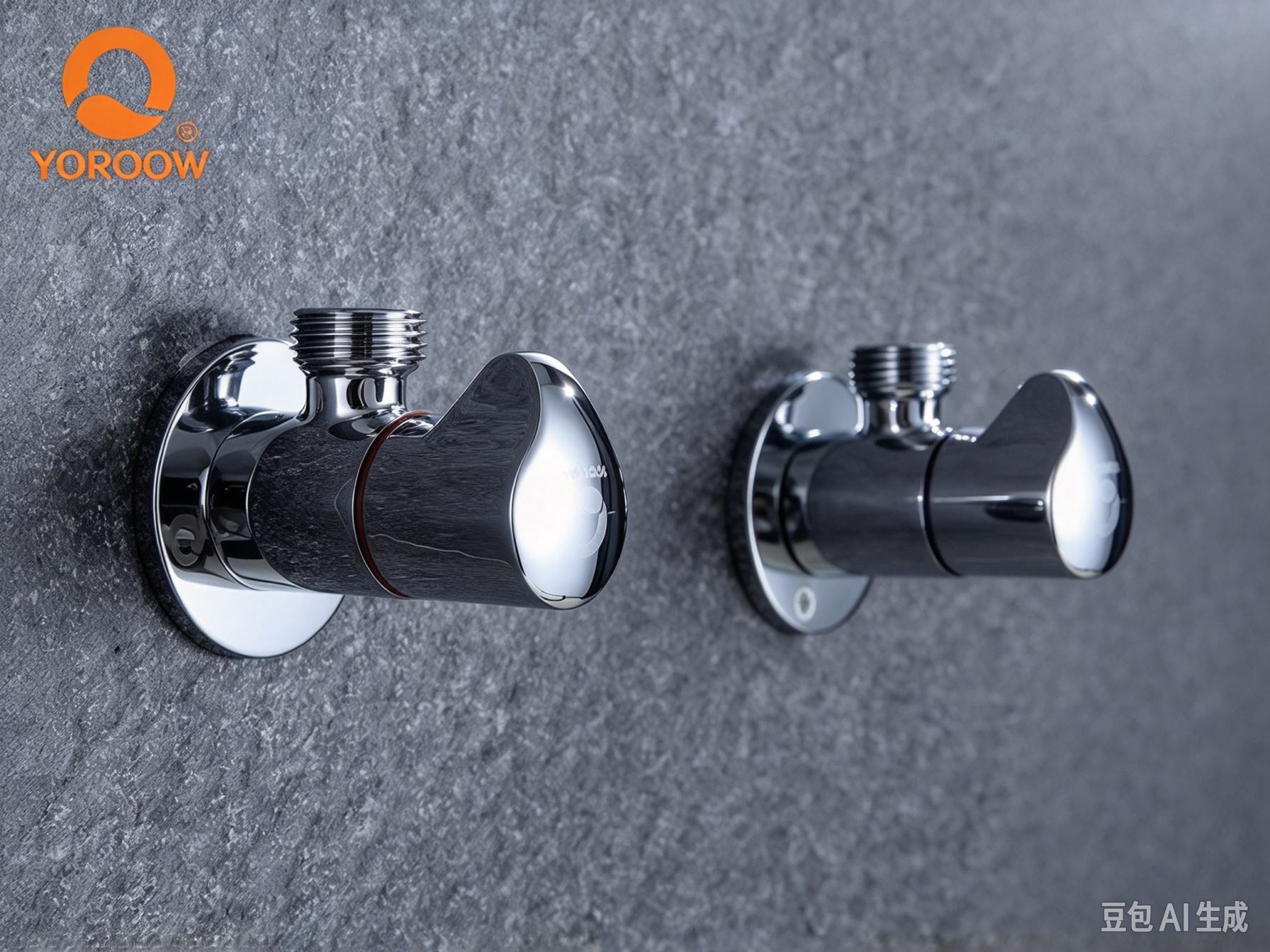
Check the Angle Valve After It Is Installed in the Cabinet
An angle valve that fits inside a cabinet is not necessarily an angle valve that can be operated or serviced easily.
Cabinet panels, the underside of a basin, drawers, and other plumbing lines can restrict handle movement or change the route of the flexible hose. Sample evaluation should therefore consider the actual cabinet conditions, or a clearly defined simulation of the installation space.
The finished installation should also allow the angle valve to be identified and reached when maintenance is required. If several components have to be removed before the valve can be operated, that condition should be assessed during project approval rather than discovered after installation.
The hose should be checked at the same time. Its length and routing need to suit the connection positions without creating unnecessary bending or mechanical stress.
The purpose of this check is not to replace professional installation instructions. It is to make sure that the procurement specification reflects the conditions in which the product will actually be used.
Match Operation and Verification to the Actual Use
Angle valves can use different operating mechanisms and handle designs. Procurement should therefore confirm the intended application and operating requirements instead of treating one operating characteristic as a universal measure of quality.
During sample approval, record whether the handle can be gripped and operated within the available space. If the project requires a specific identification mark or protection against unintended operation, those requirements should be stated before quotation and confirmed against the actual design.
Sealing and functional verification should also be treated as separate evidence. A handle that feels smooth during a sample review does not by itself demonstrate sealing performance or long-term reliability.
The inspection method, test conditions, and acceptance criteria should be defined according to the actual product and applicable requirements.
Keep Material and Configuration Information Specific
An angle valve can contain different materials in the body, control components, sealing parts, and external operating components. A general description such as “all brass” may therefore be insufficient to identify the complete configuration.
The buyer should identify the relevant material information and water-contact components according to the product structure and intended market requirements. Material identity and finished-product performance are separate questions and should not be treated as interchangeable evidence.
Surface finish can also matter when part of the valve remains visible or when the valve is supplied together with other visible accessories. The appearance requirement should be recorded separately from the functional and connection requirements.
Treat the Angle Valve as a Controlled Component in the Set
Whether the product is sold separately or packed with a faucet, the angle valve should remain identifiable throughout the order.
A simple compatibility check can connect the faucet, angle valve, hose, cabinet space, and inspection requirements:
| Checkpoint | What to Confirm | What to Keep in the Order Record |
|---|---|---|
| Pipe to angle valve | Inlet connection and application conditions | Approved model and connection information |
| Angle valve to hose | Outlet and hose-end compatibility | Accessory and compatibility record |
| Cabinet operation | Installation direction, operating space, and accessibility | Drawing or sample approval record |
| Sealing and function | Test method, conditions, and acceptance criteria | Applicable verification record |
This information becomes especially important when wholesale angle valves are supplied in different ways. A valve sold separately may require its own packaging and selection information, while a valve packed with a faucet may need to be linked to a specific faucet model.
If one angle valve is intended to cover several faucet series, verify each combination before approving it for shared use. Reducing the number of SKUs can simplify inventory, but it should not replace compatibility verification.
A Low Unit Price Does Not Remove Batch Control
Angle valves may have a lower unit value than the main faucet, but a small configuration error can be repeated across a large shipment.
The order should define how the batch will be checked for product identity, appearance, accessories, and applicable requirements. The inspection method does not have to be identical for every project, but it should have a clear basis.
When evaluating an angle valve factory in China, ask the supplier to explain the control boundary for a specific model. Which components are controlled by the factory? Which parts depend on another supplier? How are configuration changes approved? How can inspection records be linked to the shipment batch?
These questions provide more useful evidence than a general statement that every product is “strictly inspected.”
Incoming inspection should also use the approved accessory list. If the inspection team only knows the faucet model and does not know which angle valve version belongs to it, a different connection configuration can enter the set without being noticed.
Keep the Approved Configuration Traceable From Quotation to Replacement
The quotation should state whether the supply includes the angle valve body, connection accessories, decorative parts, identification, packaging, and required documentation.
This gives buyers a consistent basis for comparison. Otherwise, a quotation with fewer included accessories may appear cheaper simply because the supply scope is different.
After sample approval, record the relationship between the angle valve, faucet, hose, and other relevant components in the final product list. A single angle valve can be approved independently while the complete set remains subject to combination verification. The important point is to make the approval status visible.
The same information becomes useful when a replacement is needed. Before selecting a replacement angle valve, confirm the original model, connection type, and installation conditions. Similar appearance or the same numerical size does not automatically make two products interchangeable.
If an angle valve version changes, keep the previous product information and its replacement relationship. New packaging names should not hide technical changes, especially when old and new versions remain in distributor inventory at the same time.
For procurement teams, this creates a simple but important rule:
A hidden component should still have a visible identity in the purchasing record.
That identity helps connect the quotation, approved sample, shipment, installation, inspection, and future replacement without turning the angle valve into an undefined item in the faucet package.