


This distinction also matters to overseas buyers. The total order quantity, completed production batches, and goods actually shipped may represent three different figures.
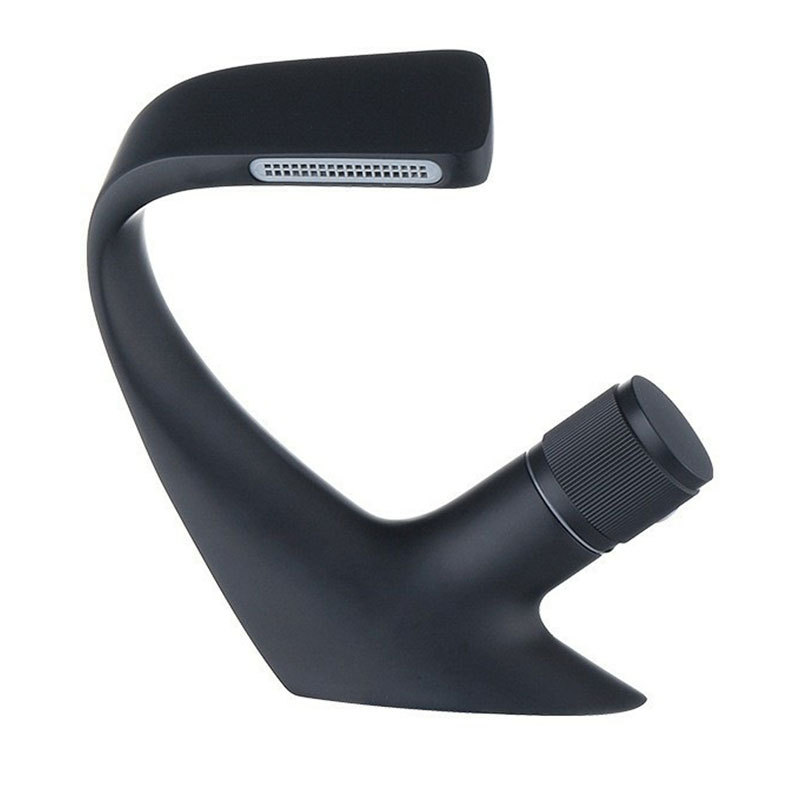
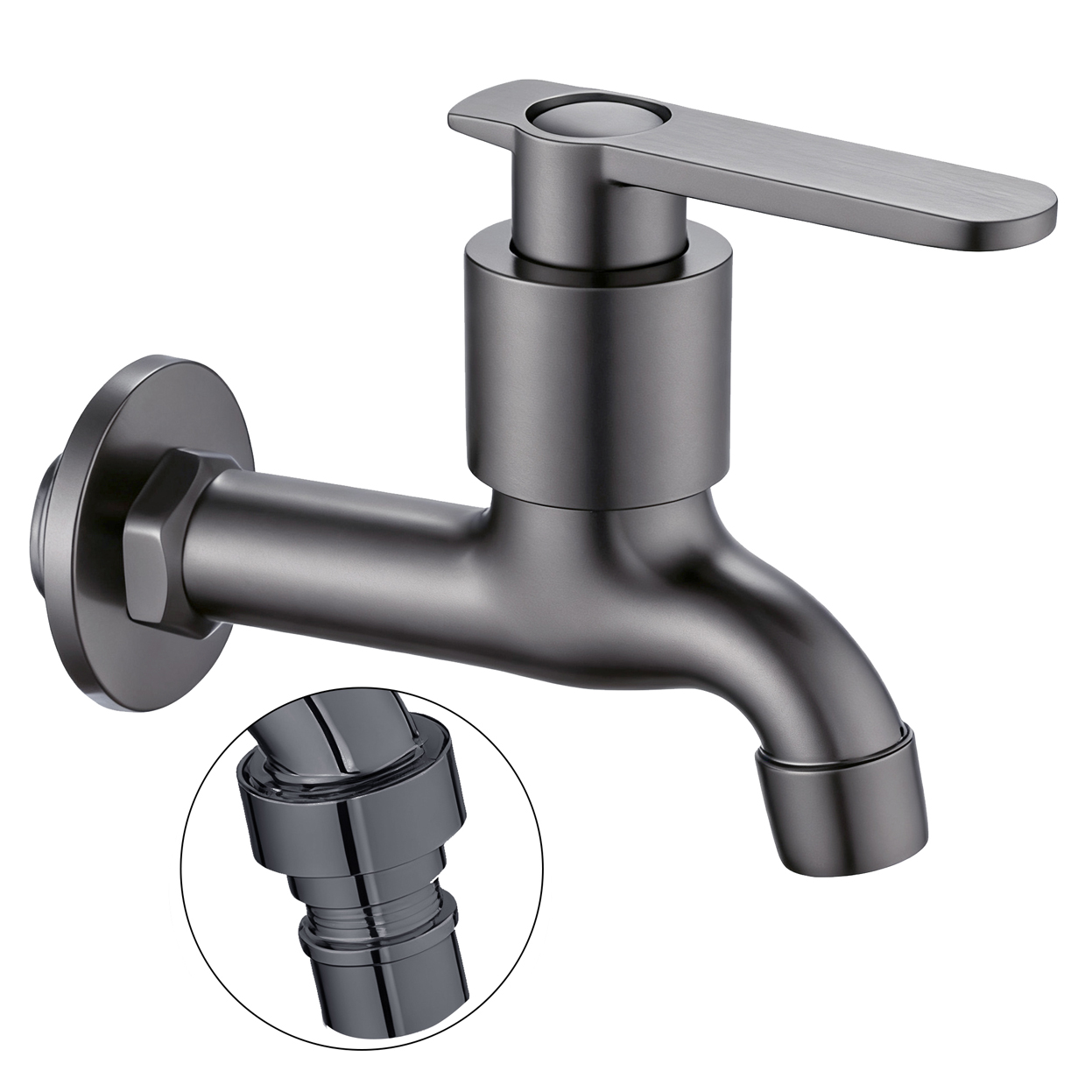
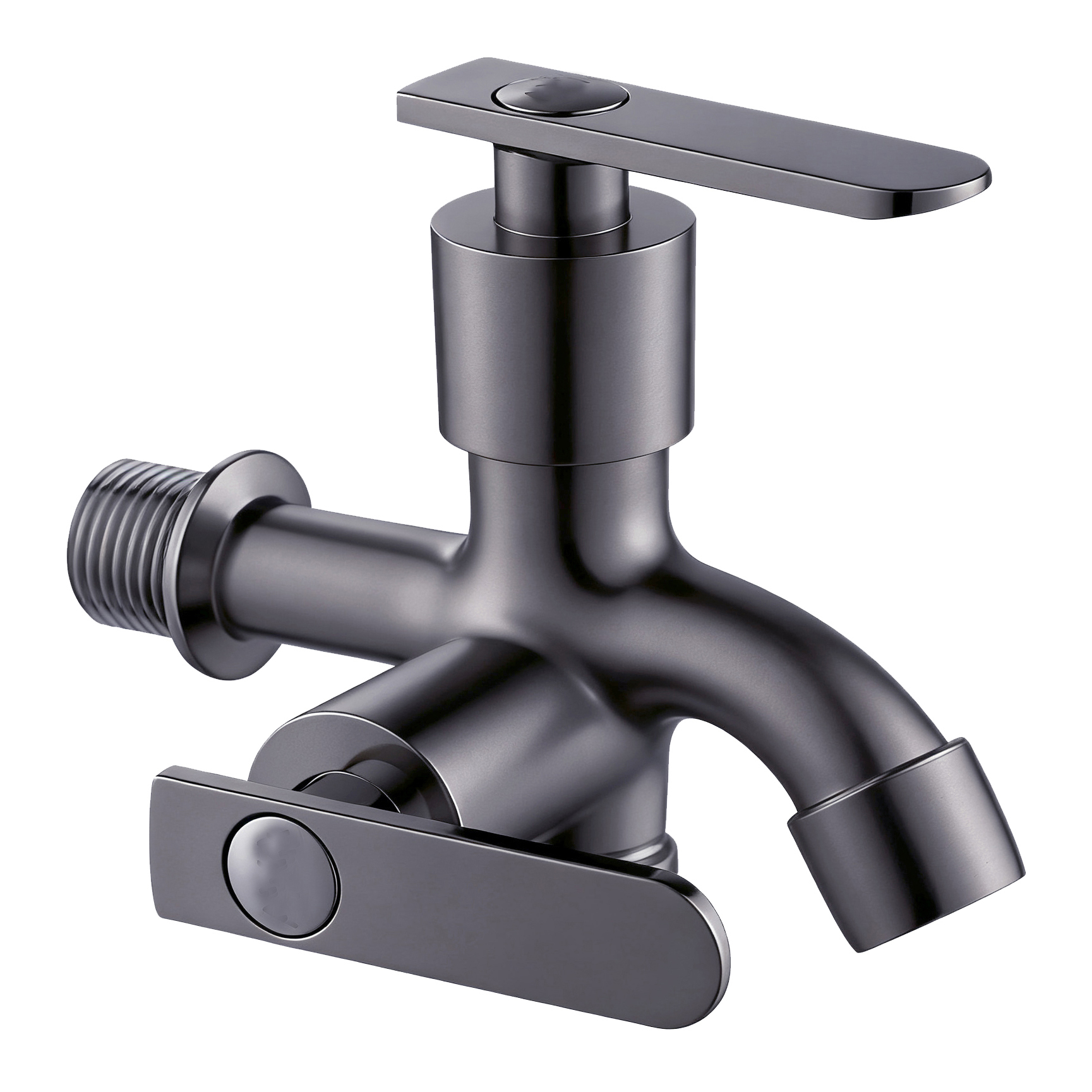
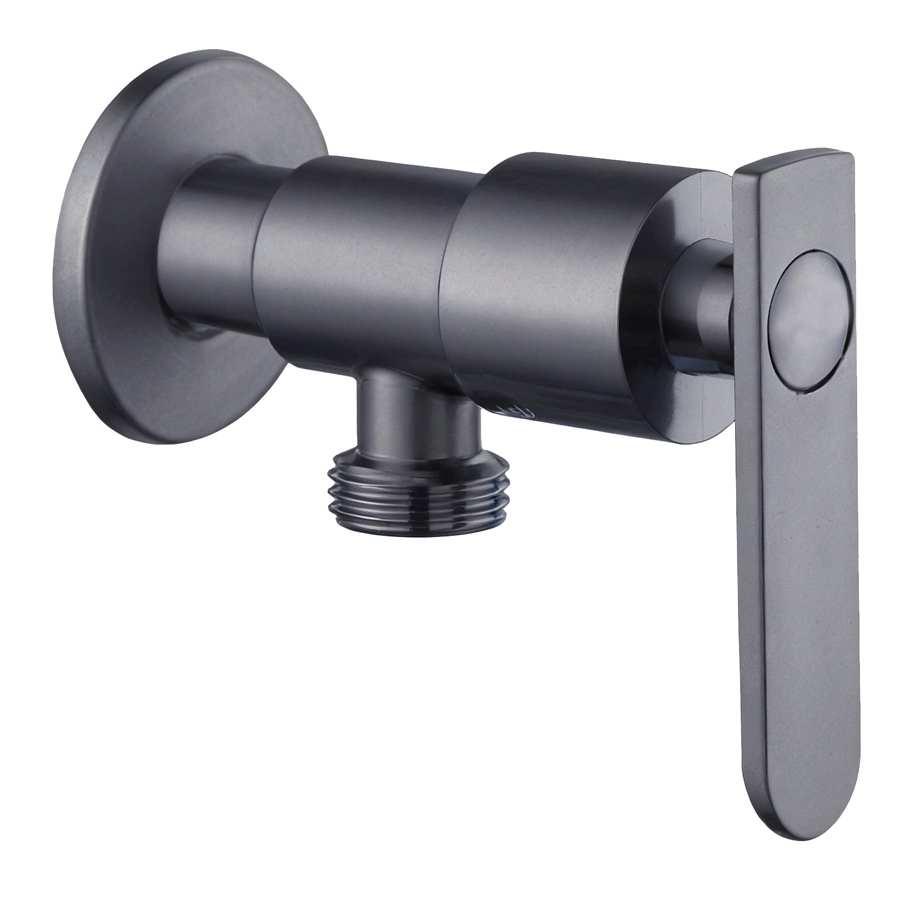
Consider a hypothetical order containing three faucet models. Two models have passed inspection, but the third is still waiting for retail packaging approval. The buyer is preparing to open a new store and wants to know whether the order is ready.
The answer depends on which products can be released and whether both parties agree to a partial shipment.
How to Handle a Faucet Order When Only Part of It Is Ready
If the first two models can be packed and shipped separately, the buyer and supplier have two options. They can arrange a partial shipment or wait until the entire order is ready.
Several factors affect this decision. These include the quantities available, packaging progress for the remaining model, and additional handling or shipping costs.
The buyer should also consider whether receiving only two models will meet the store’s opening requirements.
Once both parties agree, they should record the shipping arrangement in the order documents. The record should identify the quantity released, the outstanding quantity, and how the remaining goods will be handled.
Otherwise, a partial shipment may solve an immediate stock shortage but create confusion about the undelivered balance.
YOROOW includes shipping and export assistance in its service information. For importers working with a faucet OEM manufacturer, this coordination helps keep production and logistics updates linked to the same product models and quantities.
What Does Each Faucet Delivery Date Actually Mean?
Production completion means the planned manufacturing work has finished.
Inspection release means the specified goods have met the agreed requirements for release.
Packaging completion involves another set of conditions. The approved accessories, labels, and packaging materials must be ready. The actual packed quantities must also match the shipping documents.
Shipment and vessel departure follow separate schedules.
For example, a confirmed booking or estimated sailing date provides planning information. However, it does not prove that the goods have already left the port.
The buyer’s expected delivery date also depends on transportation and destination handling. These stages extend beyond the factory’s production schedule.
A statement such as “ready by the end of the month” leaves too much room for interpretation.
Instead, a useful order update should identify which models have been released, how many units have been packed, and the current shipping status.
This approach applies to both mixed-container faucet orders and larger coordinated export shipments from Nan’an. It gives buyers and suppliers specific information for planning the next stage of delivery.