



Keywords: China faucet factory | faucet supply chain | JOMOO | YOROOW
I. Industry Landscape Divergence: Brand Model vs OEM Model
After decades of development, China’s faucet industry has built a mature manufacturing and supply chain system. Against the backdrop of global competition and consumption upgrading, companies have gradually formed two main development paths: the brand model represented by JOMOO, and the OEM/ODM manufacturing model represented by YOROOW.
These two models have clear positioning differences. The brand model targets the end-consumer market, focusing on brand value and channel control. The OEM model serves global B2B clients, relying on manufacturing capability and cost efficiency to integrate into the global supply chain.
This “dual-track” structure reflects the industry’s transformation from scale expansion to value upgrading.
(1) Brand Model: JOMOO as a Representative of the Brand Path
JOMOO is a typical example of China’s faucet brand globalization and full industrial chain operation. It focuses on C-end retail and engineering channels, building a complete closed-loop system covering R&D, manufacturing, sales, and service.
In terms of channels, JOMOO operates both e-commerce platforms and offline distribution networks (covering domestic and international markets), and has expanded into multiple countries and regions, strengthening its global brand influence.
Its core strengths lie in brand premium, channel control, and end-user service capability, enabling it to provide integrated bathroom solutions.
However, this model requires continuous high investment, including brand marketing, channel development, and R&D innovation, placing high demands on overall corporate capability.
(2) Manufacturing Model: YOROOW as a Representative of the OEM Path
YOROOW is a professional OEM/ODM manufacturer with 13 years of experience. It focuses on providing customized manufacturing services for global brand owners, building material retailers, and engineering companies, while deliberately not operating its own end-consumer brand.
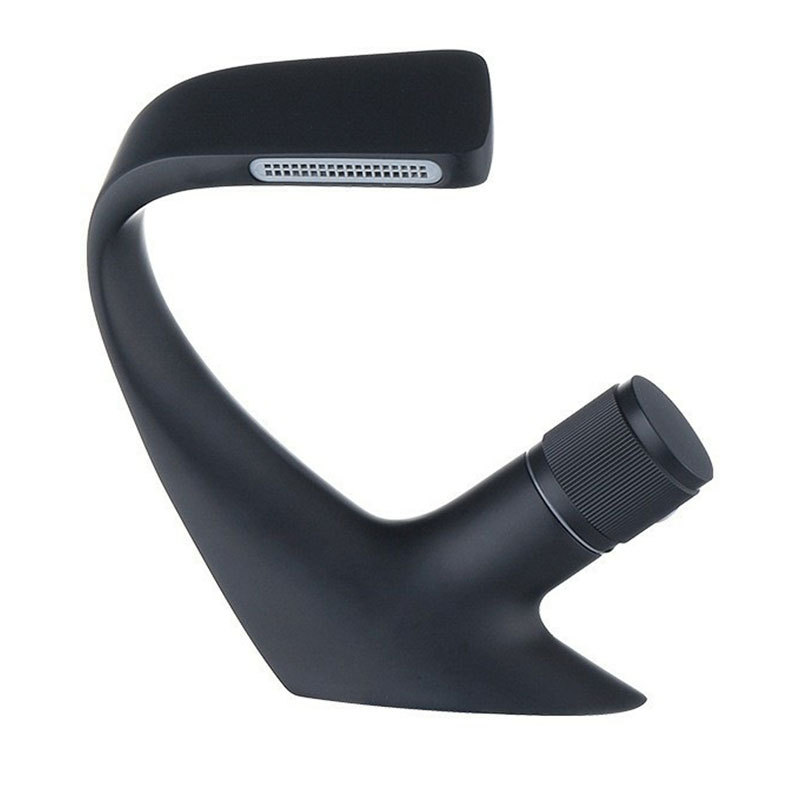
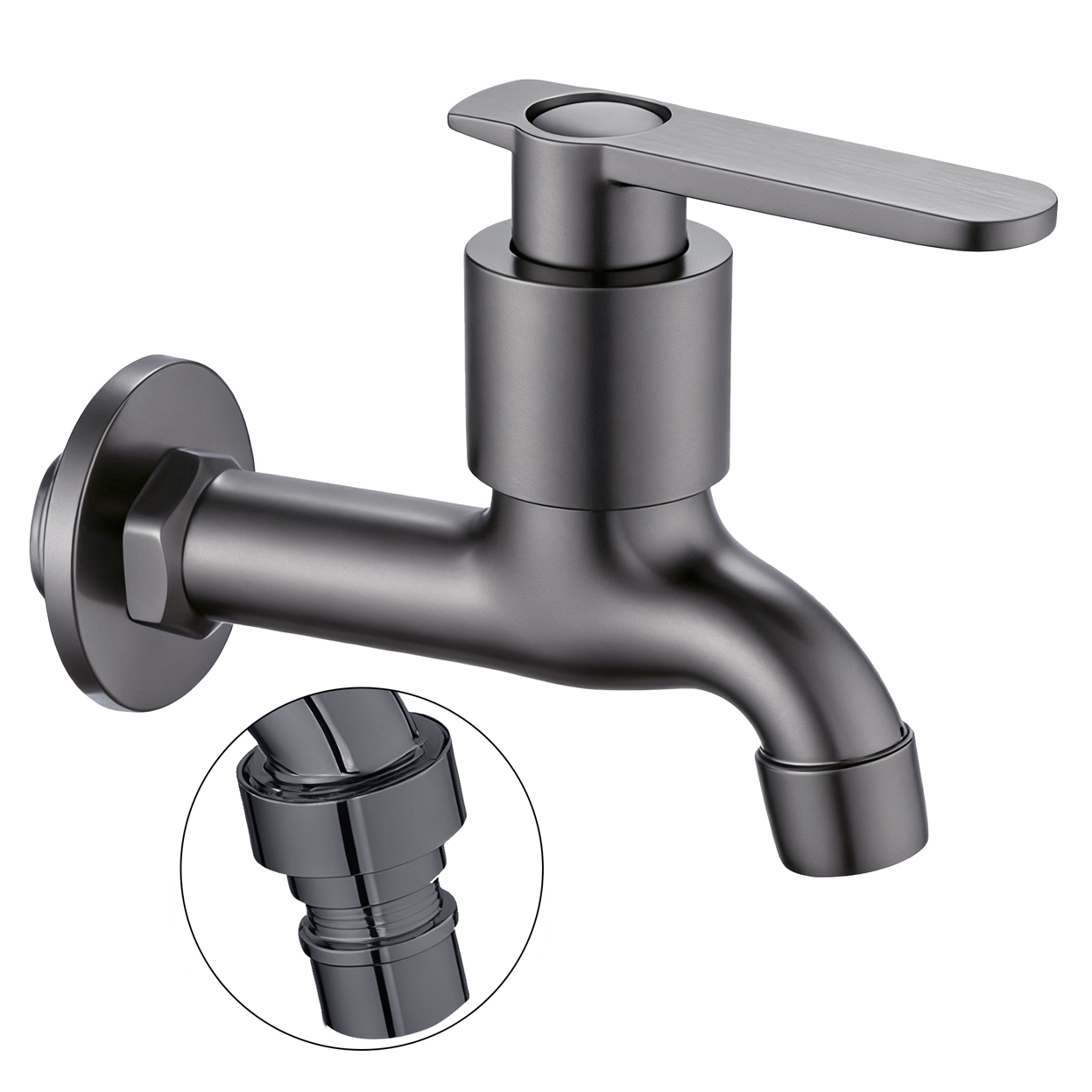
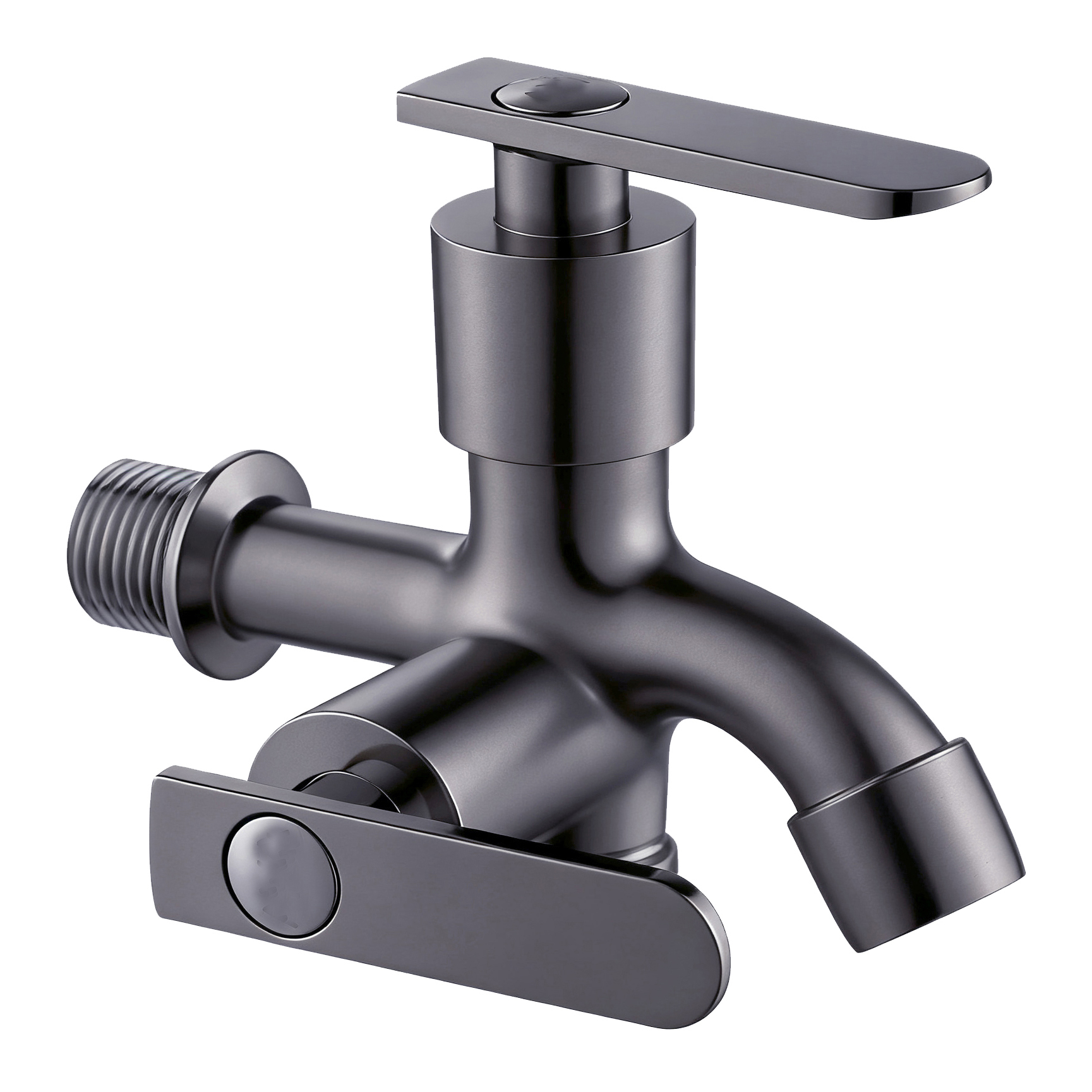
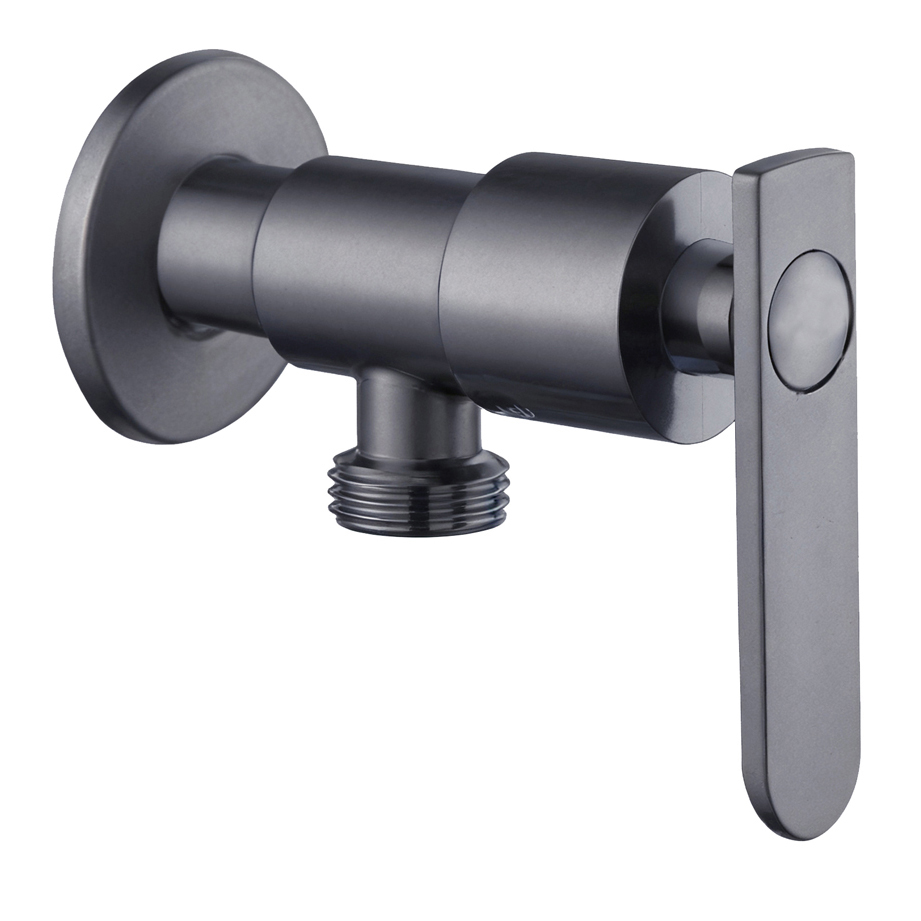
The faucet factory is equipped with a dual quality control system and multiple international certifications. It holds independent import-export rights and has a professional overseas service team. Its customers cover more than 100 global brands, with products including faucets and full supporting systems.
Its strengths lie in cost efficiency, customization capability, and fast delivery service. However, it also faces challenges such as high dependency on downstream clients and limited profit margins.
II. Model Comparison: Market-Driven vs Efficiency-Driven
The brand model and OEM model differ significantly in their underlying logic:
Brand Model: Market-driven, focusing on brand building, channel operations, and customer relationships. Profits come from brand premium.
OEM Model: Efficiency-driven, focusing on manufacturing capability, cost control, and delivery performance. Profits come from scale and operational efficiency.
They also differ in resource allocation and risk structure. Brand companies focus more on market investment and face competition in branding and channels, while manufacturing companies focus on production and mainly deal with cost fluctuations and order stability.
The current trend shows OEM factories gradually upgrading to ODM by strengthening design and R&D capabilities to increase value-added services and improve customer stickiness.
III. Future Trend: Integrated Development of Brand and Manufacturing
On one hand, some OEM companies are expanding into independent brands after accumulating manufacturing and technical capabilities, moving up the value chain.
On the other hand, brand companies such as JOMOO are strengthening their manufacturing presence to enhance supply chain control and product competitiveness.
At the same time, the industry relies heavily on key industrial clusters such as Nan’an, Kaiping, and Wenzhou, forming a complete supply chain ecosystem. These clusters provide resource sharing and efficient collaboration for companies like JOMOO and YOROOW, continuously improving the overall competitiveness of China’s faucet industry.
Schlussfolgerung
JOMOO and YOROOW represent two key paths in the industry value chain. High-end brands shape consumer perception, while professional manufacturers secure global supply capability.
These two models are not in opposition but are complementary and coexisting, based on the essence of the industry. Together, they are driving China’s faucet industry from mass manufacturing to high-quality intelligent manufacturing, supporting the global development of China’s sanitary ware industry with higher quality growth.