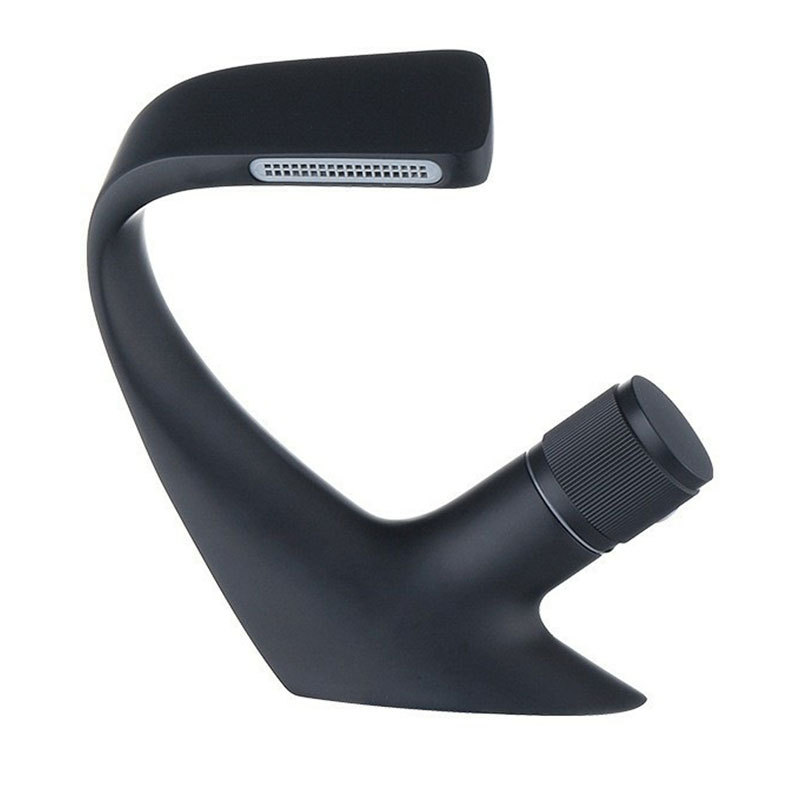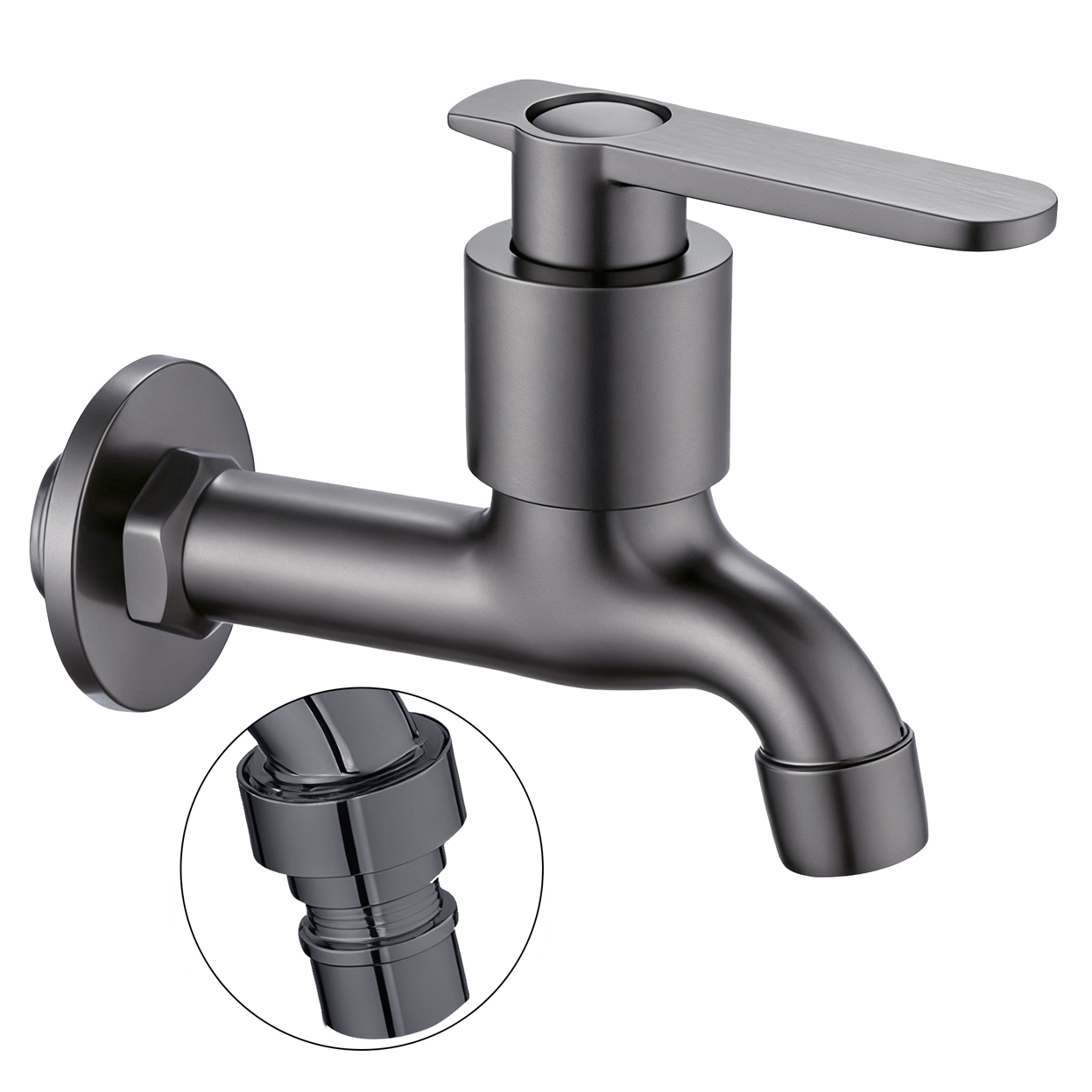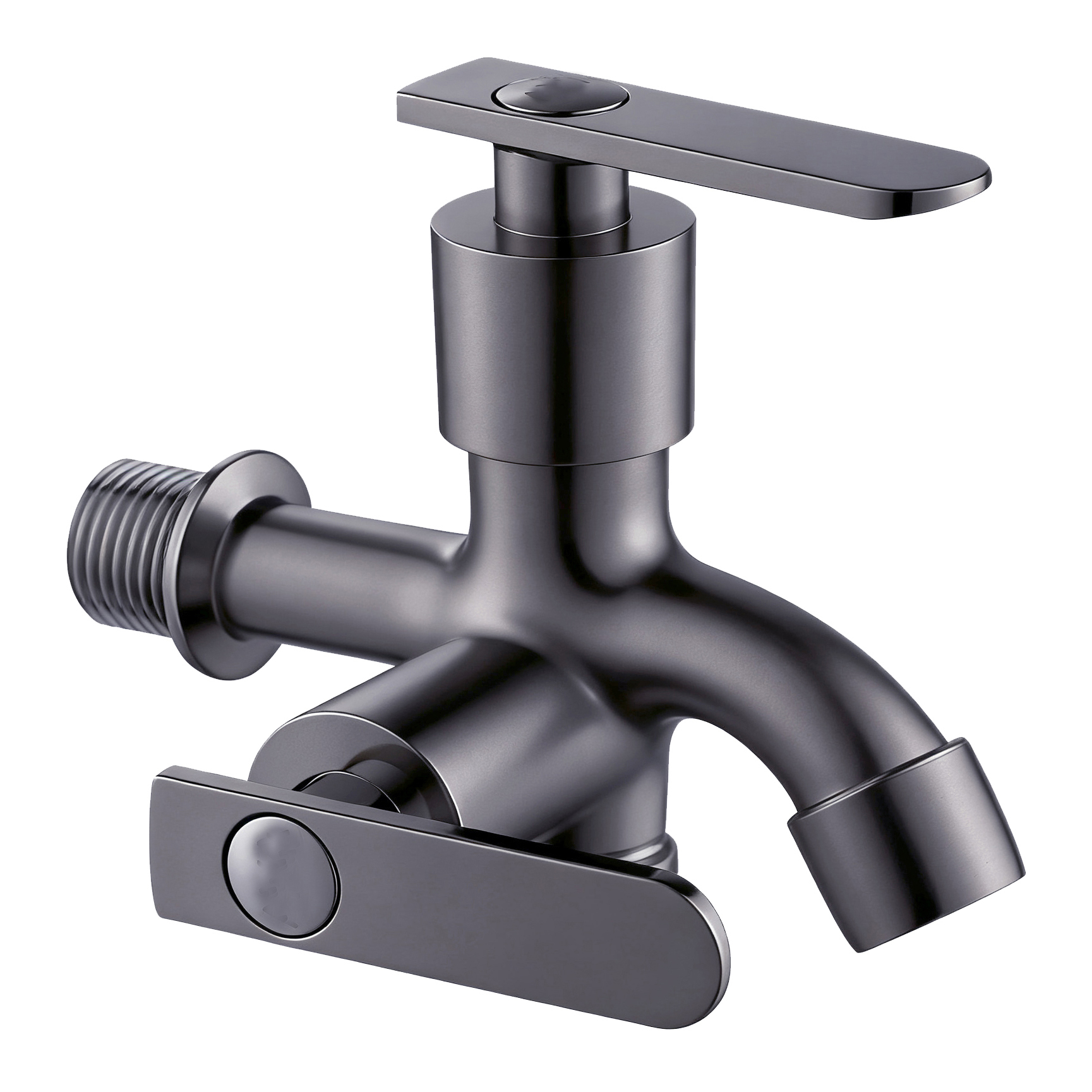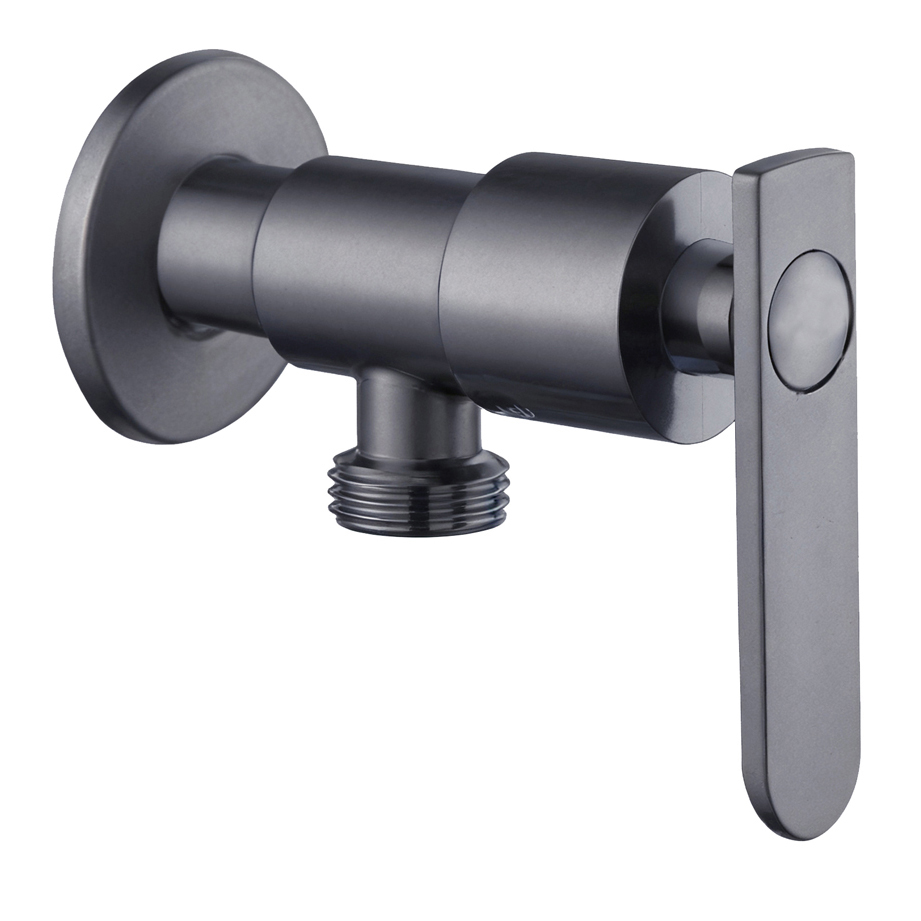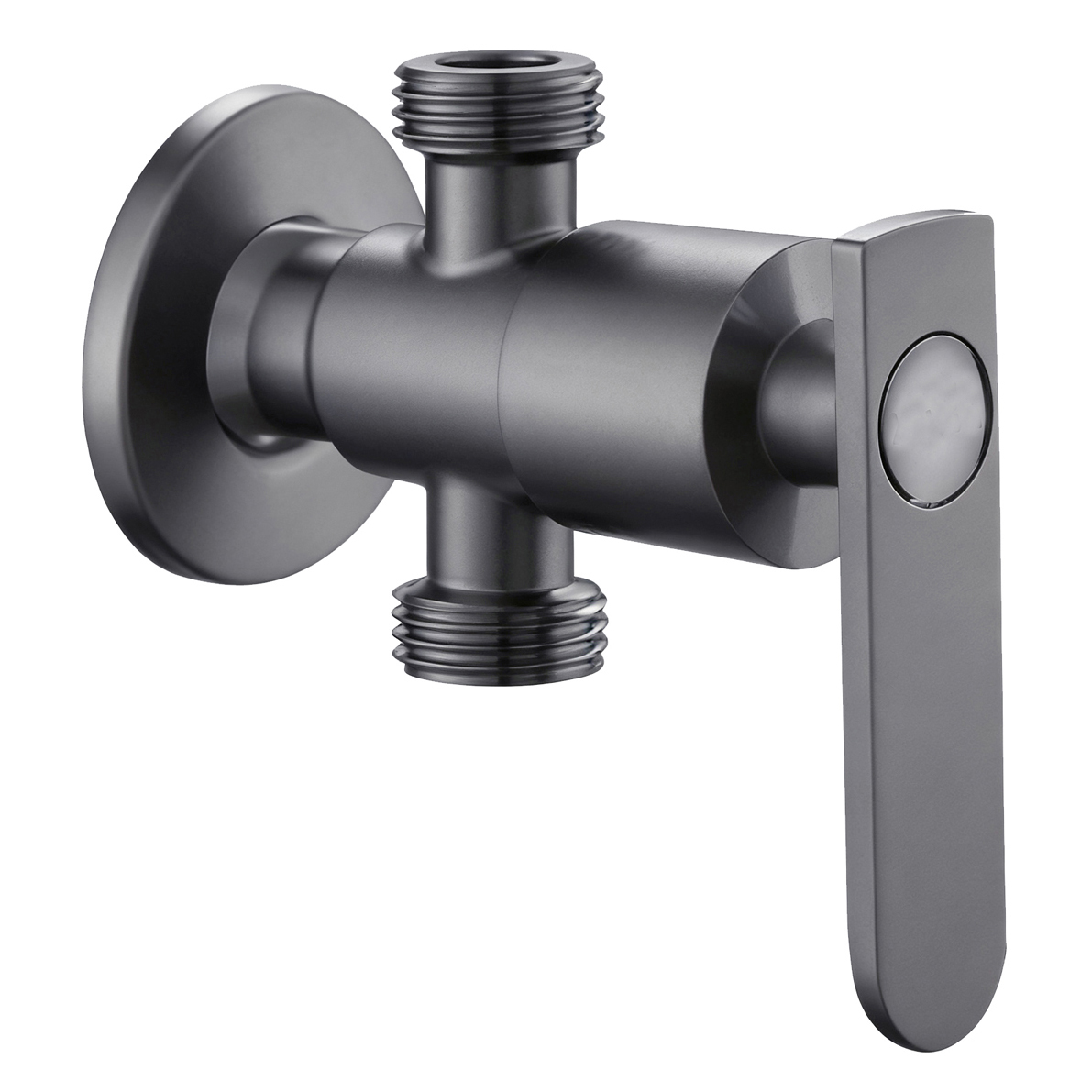




The “1 Inch” in a 1 Inch Water Tap first describes a Connection Size. It does not provide a complete description of flow or performance.
This distinction becomes especially important when products enter different markets.
Even if two connections both carry a 1 Inch label, the nominal size alone does not confirm that they can connect directly. The Thread Standard, thread form, and sealing method also need to match.
For example, ISO 228-1 specifies parallel pipe threads for mechanical connections in pipes, valves, and fittings. The standard also makes an important distinction about sealing. These threads do not create pressure-tight joints through the threads themselves. The connection requires a sealing surface outside the threads and a suitable sealing component.
NPT belongs to a different system. ASME B1.20.1 covers the dimensions and inspection requirements for general-purpose inch pipe threads. These include NPT, NPSC, NPTR, NPSM, and NPSL.
This is why “1 Inch” cannot replace a complete Connection Specification.
Connection Size Does Not Directly Determine Actual Flow
A 1 Inch Water Tap often serves applications that require a larger water connection. However, the nominal 1 Inch size alone cannot predict the actual flow rate.
The internal passage of the valve, upstream and downstream piping, water pressure, and connection type can all affect the complete water path. If the tap has two outlets, the control method also needs separate explanation.
ISO 228-1 includes parallel pipe thread sizes such as 1 Inch. However, this does not mean the connection will automatically fit water pipes in every market.
For retail purchasing, measured connection specifications and flow data under stated test conditions provide more useful information than general claims such as “larger” or “faster.”
A larger connection can form part of a larger piping system. However, the actual flow from a Wasserhahn 1 inch still depends on several factors. These include the internal waterway, valve opening, supply pressure, and upstream and downstream piping conditions.
For a 1 inch 2-Wege-Hahn, the two Outlet connections also need to be confirmed. The control method and intended applications should be identified as well.
For this reason, technical confirmation for a large-connection product should cover at least three levels:
Nominal Connection Size: Is it 1 Inch?
Thread Standard: Which thread system does it use?
Application: Why does this installation require a 1 Inch connection?
This prevents a “larger connection” from being interpreted simply as “higher flow” or a “higher grade.”
Two taps can have the same 1 Inch inlet but different flow rates because of restrictions inside the valve. When a retailer serves professional customers, it is more useful to provide specific performance data together with the test conditions.
For projects across different markets, the connection system should be confirmed during order approval.
The same product design may use different Connection Specifications for different markets. These versions should not be treated as identical SKUs simply because they all carry the name 1 Inch Water Tap.
References
- ISO | ISO 228-1 Pipe Threads
- ASME | ASME B1.20.1 Pipe Threads