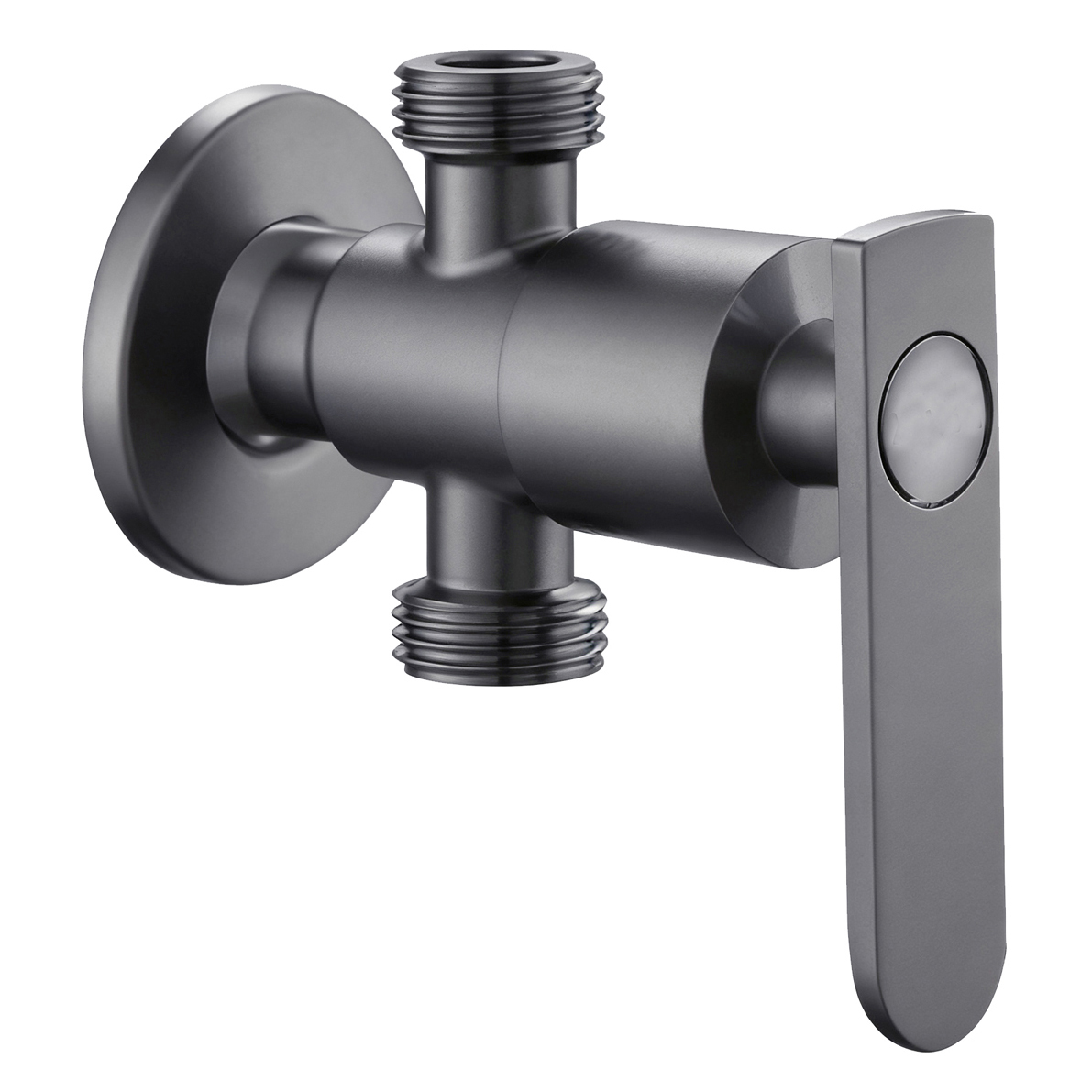




A brand approves a gold faucet sample. When mass production reaches the warehouse, however, some handles look darker than the approved sample. Others feel noticeably tighter when operated.
The supplier refers to photos of the approved sample. The buyer compares the shipment with the physical sample kept in the showroom. Both sides believe they have a valid reference.
The problem may not be that no sample was approved. The real problem may be that the approval never defined what the sample represented or how production differences should be evaluated.
This is the key issue behind faucet sample to production consistency.
A golden sample cannot eliminate every normal production variation. However, it can give both sides a clear reference, an acceptance boundary, and a process for handling differences.
For a faucet brand, a signed sample becomes much more useful when it is connected to controlled drawings, materials, finish references, accessories, and inspection records.
One Physical Sample Cannot Define Every Requirement
A physical faucet can show its shape, finish, assembly condition, and operating feel. However, it may not reveal the material of internal water-contact components, the cartridge version, or the construction of the inlet hoses.
Photos have another limitation. Lighting, exposure, screens, and viewing angles can change how a finish appears.
Technical drawings can record dimensions, but they cannot fully represent the appearance of a brushed texture or the feel of a handle.
For this reason, faucet golden sample approval should not rely on one type of evidence.
The approved sample should be linked to the product model, revision, approval date, and approval scope. Supporting records can identify the BOM revision, dimensional drawing, finish reference, accessory configuration, and any items that remain open.
Appearance approval does not automatically mean that function has been approved. Functional approval does not mean that the packaging has also been accepted.
Defining the approval scope at the beginning reduces arguments later.
In faucet manufacturing, sample inspection, machining, polishing, component inspection, and final assembly take place at different stages. At YOROOW, these production stages are treated separately during manufacturing and inspection.
This matters because one visible feature on the finished faucet may depend on several earlier processes. The approved standard therefore needs to reach production, rather than remain only with the sales team.
Finish Consistency: The Same Color Name Can Still Produce a Different Appearance
“Brushed Gold” is a useful starting point for communication. It is not a complete acceptance standard.
The substrate, surface preparation, texture, coating system, and final protective treatment can all influence the finished appearance.
For this reason, buyers should first confirm the finish specification and then approve the actual result. Terms such as PVD or electroplating alone do not guarantee that every batch will have exactly the same appearance or durability.
بالنسبة لـ faucet finish color consistency, both sides can define how samples will be compared. This may include the lighting, background, viewing distance, and orientation.
Directional finishes also need a consistent viewing direction.
If instrumental color measurements are used, the instrument, measurement location, method, and acceptance rule should also be defined. A color-difference value without a stated measurement method provides little basis for production acceptance.
There is no single color-difference limit that automatically applies to every faucet finish.
Handles and Faucet Bodies Should Be Evaluated Together
Different faucet components may be produced and finished separately.
A handle and faucet body may each look acceptable against an individual finish sample. Once assembled, however, the difference between them may become more noticeable.
For this reason, finish approval should include the complete assembled faucet where appearance matching matters. The relationship between the handle, body, escutcheon, and other visible components can then be evaluated together.
Repeat orders create another question: should the new batch be compared only with the current approved sample, or should it also be viewed alongside products already sold in the same collection?
That decision should be made before inspection.
Boundary samples can also help when both sides need to define what level of visible variation remains acceptable. However, these samples need their own identification and status.
A physical sample can change after long exposure to light, cleaning, or repeated handling. If it no longer represents the approved appearance, continuing to use it can create new disputes rather than prevent them.
Handle Feel Cannot Be Controlled by the Word “Smooth”
A handle that feels too tight, too loose, or uneven does not automatically indicate a defective cartridge.
Operating feel can be influenced by the cartridge, component fit, tightening condition, seals, and assembly process.
The first step is to compare the product revision and assembly condition. The factory can then trace the issue through the relevant component and production stage.
This helps determine whether the solution requires a component change, an assembly adjustment, or a structural revision.
The approval process should also define what operation is being evaluated.
Is the faucet checked dry before water is connected? Is it evaluated under an agreed operating condition? Are inspectors checking only opening and closing, or also hot-to-cold adjustment and diverter operation?
Clear operating tasks are more useful than general descriptions such as “smooth” or “good hand feel.”
If measurement is necessary, the buyer and engineering team can agree on the method and acceptance conditions for that product. An unverified universal torque value should not replace product-specific evaluation.
A cartridge supplier change also deserves attention.
Even when two cartridges have the same nominal diameter, differences in positioning, waterways, stem interface, or operating characteristics may affect the finished faucet.
The affected features should therefore be checked again before the replacement enters production.
Hidden Accessories Can Also Cause Sample-to-Production Differences
Hose length, nut type, mounting hardware, and seals are easy to treat as minor accessories.
However, changing these parts can affect installation space, connection methods, replacement parts, and even how customers identify the product.
If the approved catalog photo does not show the accessories, a buyer who approves only the assembled faucet may have no reliable reference during final inspection.
A practical solution is to keep an accessory layout photo with the approved product records. Each component can be identified by part number and quantity and linked to the approved accessory list.
Accessory changes should then enter the same change-control process as other product changes.
“Use whatever is available in the warehouse” is not a suitable production standard.
If several alternative components are acceptable, the approved options and applicable models can be documented in advance. Approving one replacement should not be interpreted as approval for every similar replacement.
How Does an Approved Sample Reach the Production Floor?
The buyer and factory should each have access to a traceable reference.
The records should identify who keeps the physical sample, when it can be used, and whether it may be disassembled or tested.
If the only approved sample is consumed in destructive testing, the production team should not continue as though an identical physical reference still exists.
Appearance standards and test samples may need separate identification because they serve different purposes.
Before production begins, the factory should check whether the current drawing, BOM, finish reference, and accessory configuration match the approved revision.
This is where approved revision versus production revision becomes important.
A sample can be correct while production is wrong if the approved version never reaches the production documents.
Initial production can then be used to confirm that the process has been set according to the approved requirements. Further process and finished-product inspections can follow the agreed control plan.
The quantity and frequency of these checks should depend on the product and agreed requirements rather than one fixed number for every faucet.
Inspection records should also identify the production batch, date, inspector, and reference revision.
If a problem appears later, these records help narrow down which component batch or production stage may have been affected.
A statement such as “batch passed inspection” provides limited value if it does not show what was inspected and against which reference.
Sample approval does not mean every manufactured dimension must be absolutely identical.
The purpose is to manage normal variation through agreed tolerances and acceptance methods. Appearance, dimensions, and function may require different forms of control.
Before Approving a Supplier Change, Ask Four Questions
When a supplier proposes a change, four questions help define what needs to happen next.
First, why is the change being proposed? Is the original component unavailable, is lead time the issue, or is the supplier proposing a structural improvement?
Second, which products and production batches will be affected?
Third, what needs to be revalidated? This may include dimensions, function, appearance, installation compatibility, or related documentation.
Fourth, who has authority to approve the change, and can production continue before approval?
For example, a supplier may propose a different hose to reduce procurement lead time.
The proposal does not need to be rejected automatically. It should not be accepted automatically either.
Both sides can first compare the connection, length, material, and relevant documentation. Assembly or application testing can then be completed where necessary. The new and old versions, remaining inventory, and future repeat orders should also be identified.
This is a process example, not a claim about a specific يورو customer project.
Once a change is approved, the related BOM, drawing, accessory list, or sample reference should also be updated.
Changing the sample without updating the documents can allow the old component to be purchased again. Updating the documents while leaving an obsolete sample in circulation can create the opposite problem during inspection.
When a Deviation Appears, Define the Affected Scope First
Suppose several cartons contain faucets with an unusual finish or different handle feel.
The first step is to isolate the suspected products and preserve relevant samples, carton labels, and batch information.
The next step is to compare them with the approved reference and determine whether the difference may come from production, mixed batches, transportation damage, or inconsistent inspection conditions.
Evidence should be preserved before products are extensively cleaned, reassembled, or reworked.
The factory should then identify the potentially affected quantity and explain the basis for that assessment.
Depending on the issue, the next action may involve sorting, rework, reproduction, or another agreed disposition.
Buyer approval of a corrective action does not automatically mean approval to lower the original specification.
Reworked products should be checked again against the characteristics affected by the problem. Release records should show what was actually done rather than simply reusing the original acceptance status.
The answer to how to prevent faucet quality variation is not to prohibit every change.
It is to make changes visible before they become uncontrolled production differences.
After a deviation has been resolved, the team should also review whether the purchasing, production, or inspection documents need to change. Otherwise, the same issue may return with the next order.
Common Questions About Faucet Sample Approval
Can a Signed Photo Be Used as the Appearance Standard?
A photo can support the approval record, but it cannot reliably represent finish color, texture, operating feel, or internal configuration.
For important appearance characteristics, a physical sample or finish reference should also be retained where practical. The viewing conditions should be defined.
If some characteristics cannot be approved remotely, they should remain clearly marked as pending rather than being treated as automatically accepted.
Does a Repeat Order Need Version Confirmation If the Model Number Has Not Changed?
Yes.
A model may have gone through supplier, component, finish, or packaging changes while keeping the same commercial name.
At minimum, the current drawing, BOM revision, approved sample status, and changes since the previous order should be checked.
If nothing has changed, recording “use approved revision X” is still clearer than simply writing “same as last order.”
Should Every Slight Finish Difference Be Rejected?
Not automatically.
The decision should follow the viewing and acceptance conditions agreed before production.
If no clear rule exists, both sides should preserve the evidence and reproduce the same comparison conditions before deciding how to handle the products.
The disagreement itself may also show that the appearance acceptance criteria need to be improved for the next order.
Turn Sample Approval Into a Production Handover
When confirming a faucet sample with يورو, buyers can identify which appearance, dimensions, components, accessories, and functional characteristics need to be frozen for production.
Each item can then be marked as approved, pending modification, or still requiring verification.
Before mass production begins, the remaining open items can be reviewed again to determine whether they affect production release.
In this way, sample approval becomes more than signing off on one faucet.
It becomes a shared production reference that connects purchasing, manufacturing, quality inspection, and final delivery.