



The next ISH will take place in Frankfurt, Germany, from March 15 to 19, 2027.
Based on the themes already announced by ISH, water systems are increasingly being discussed within a broader framework that includes safety, hygiene, efficiency and resource use.
For the faucet industry, the value of this trend is not simply finding the next popular product. It creates a more practical question:
How can faucet design contribute to water management within a building?
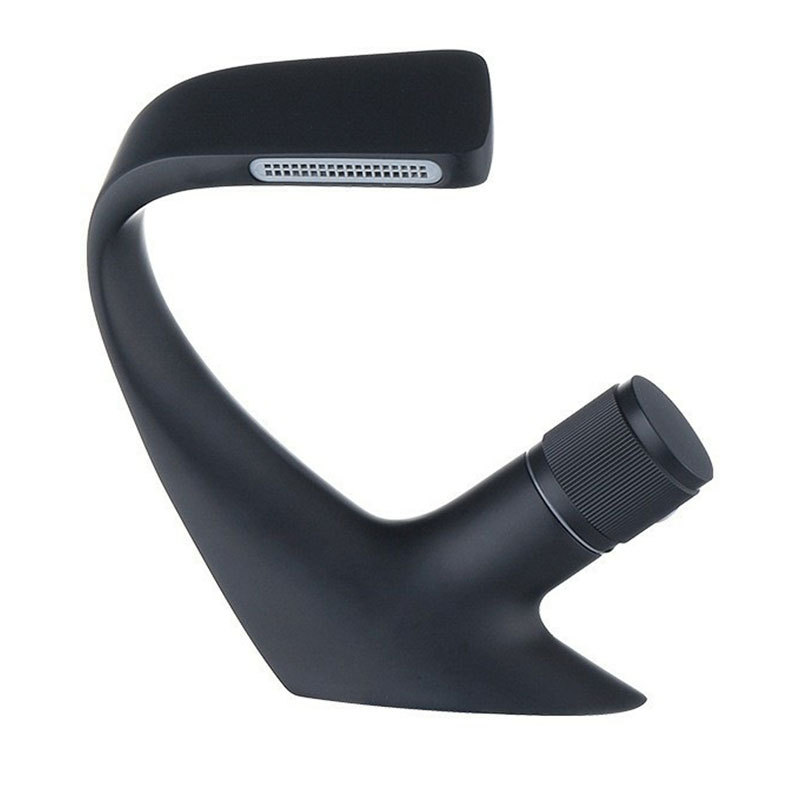
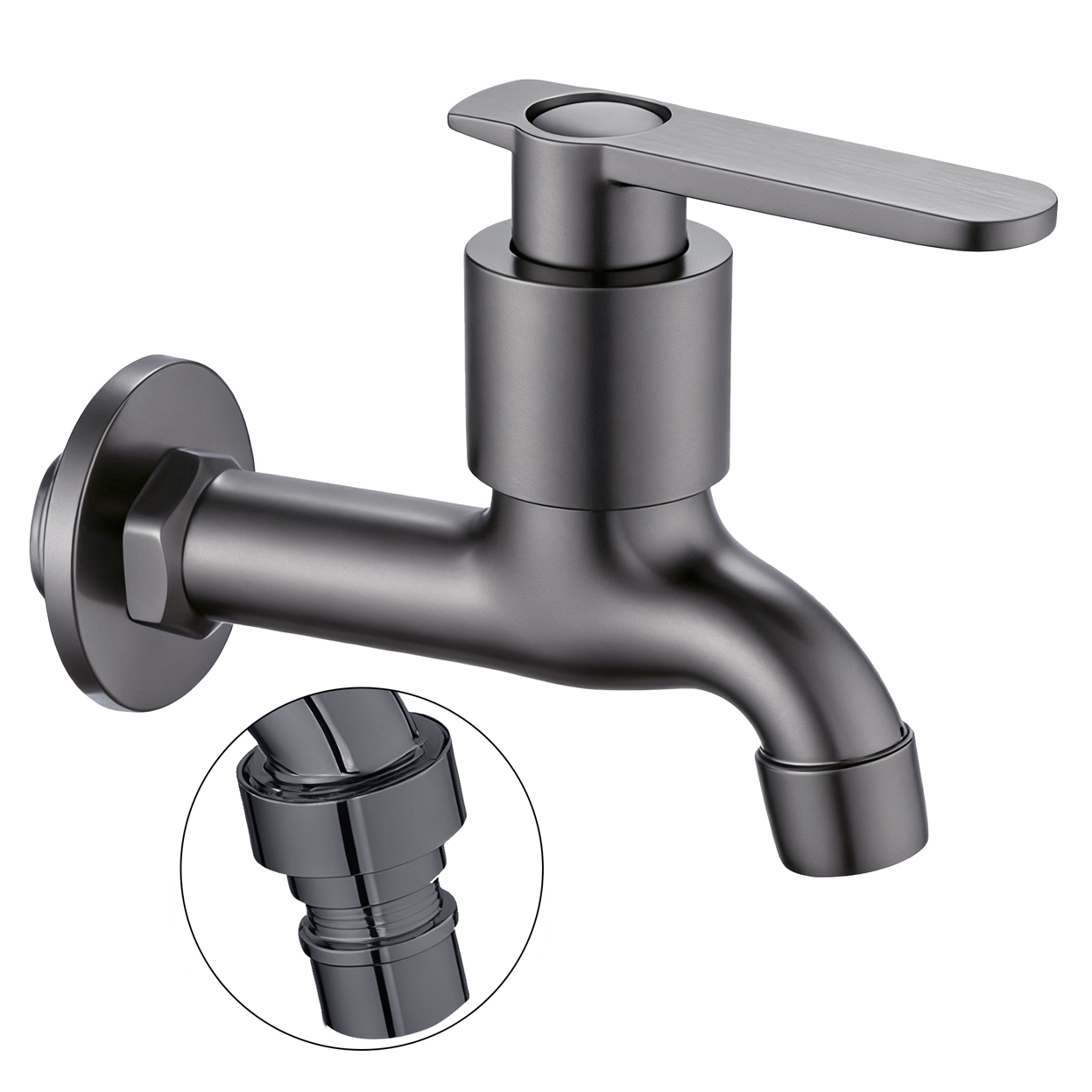
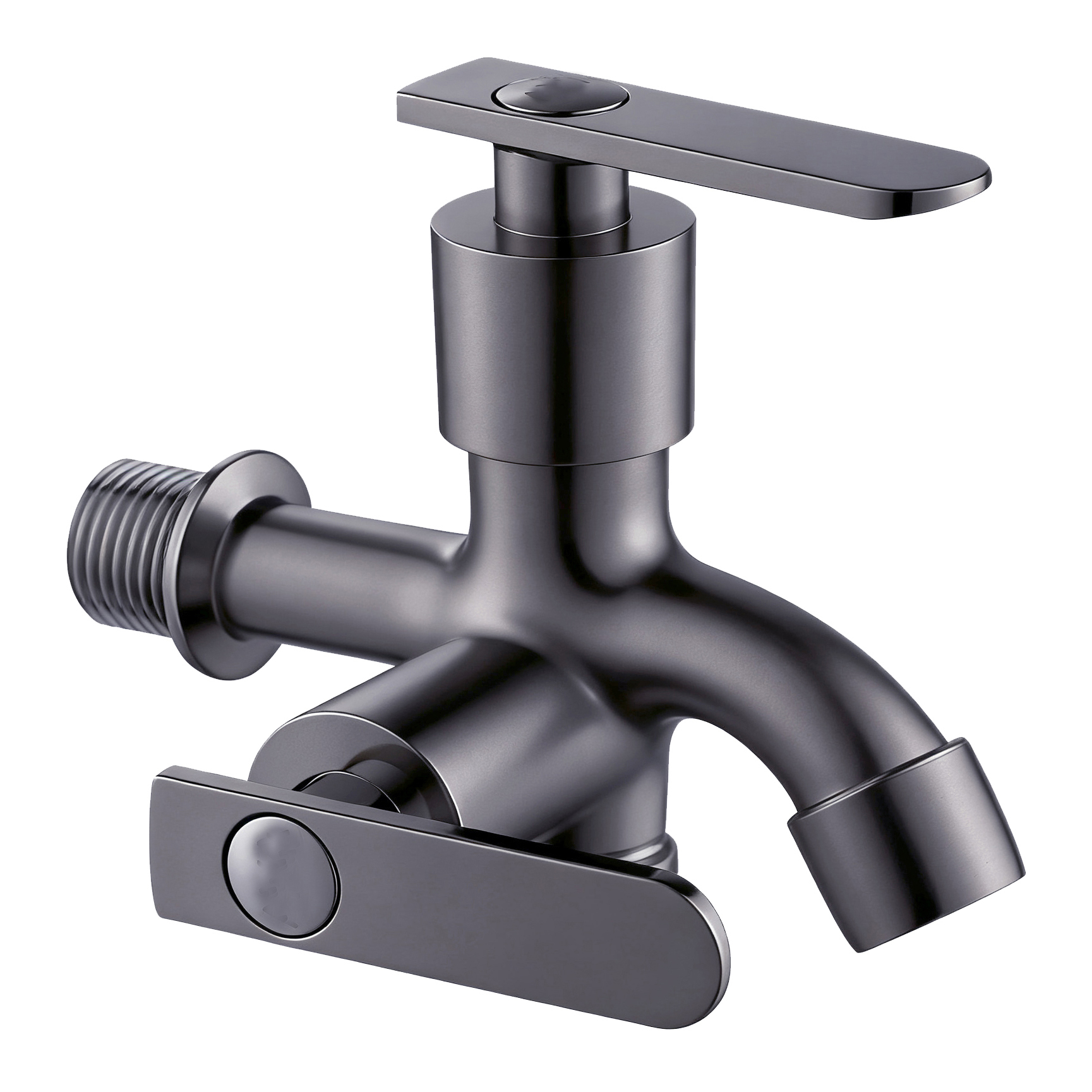
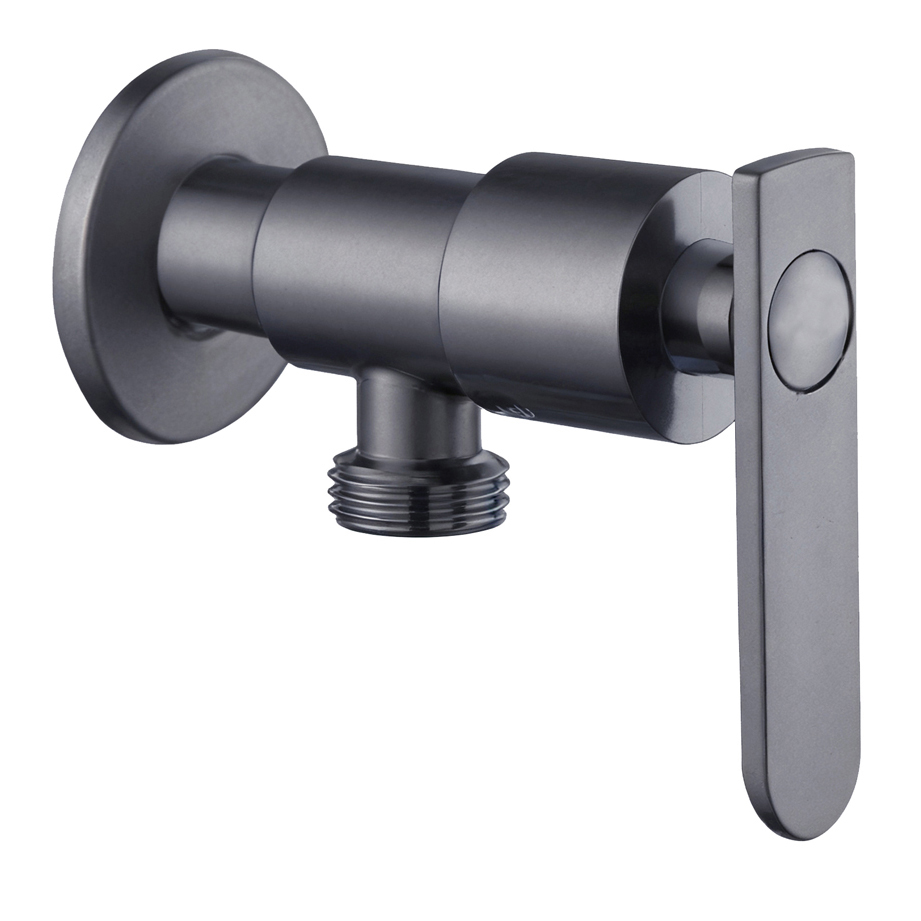
From YOROOW’s product perspective, the Self Closing Basin Faucet is one product worth reconsidering in this context.
Water Control in Public Washrooms Is Not Only About Flow Rate
With a standard faucet, the user usually decides when the water stops.
In schools, public washrooms, commercial facilities and other shared-use areas, usage behavior is more varied.
For this reason, water management involves more than controlling instantaneous flow. It is also useful to consider how long water continues to run after each operation.
This is where self closing wash basin taps differ from ordinary manual faucets.
A Self-Closing mechanism can stop the water according to its own control cycle after activation. This can reduce the chance of the faucet remaining open continuously.
However, a Self-Closing structure does not automatically mean lower water use.
Actual consumption still depends on flow rate, run time and whether users need to activate the faucet repeatedly.
Closing Time Is Also Part of the User Experience
If a Self Closing Basin Faucet shuts off too quickly, users may need to restart it several times during normal handwashing.
If the run time is too long, the automatic closing function may lose part of its water-control value.
For this reason, sample evaluation should go beyond checking whether the faucet can close automatically.
It is more useful to record:
- how long water flows after one activation;
- whether closing time remains stable under different water-pressure conditions;
- whether users need to reactivate the faucet too frequently during normal use.
This is an important point when يورو evaluates water-saving functions from a product perspective:
Water efficiency is not one isolated parameter. It comes from the relationship between flow, time and actual user behavior.
High-Frequency Use Also Brings Maintenance Into the Discussion
Public washrooms, schools and commercial facilities usually experience higher operating frequency than ordinary residential spaces.
A Self Closing Basin Faucet therefore needs evaluation beyond water control.
The product should also remain stable after repeated operation, and maintenance or replacement should be practical when needed.
When a project installs a large number of faucets, standardized structures and common components can also help simplify long-term maintenance.
For this reason, public projects should not select self closing wash basin taps only by comparing purchase price or one flow-rate figure from a catalog.
Automatic closing logic, real usage frequency, installation conditions and maintenance requirements should be considered together.
ISH Highlights a System Approach, Not Just One Faucet Type
ISH places water supply, resource efficiency, safety, hygiene and building systems within a broader solutions framework.
For YOROOW, the more useful lesson from this type of exhibition is not simply to add another “water-saving faucet.”
It is to review how existing products manage water through their own structure and operating logic.
A Self Closing Basin Faucet is only one example.
As public buildings place more attention on resource efficiency and long-term operation, product development also needs to move beyond appearance and individual specifications toward a broader sequence:
Use Scenario → Water Control → User Experience → Maintenance → Long-Term Operation
The purpose of following an international exhibition such as ISH is therefore not to copy one new faucet seen on a booth.
The greater value is understanding what the building-water industry is discussing and then deciding whether those ideas should influence the next stage of YOROOW’s product development.