



When buyers enter a new market, many product assumptions still lack real sales data.
Which products will sell more easily? Which price range works better? Which functions deserve more attention? Which finishes should become core options?
A buyer who puts the entire first order into one SKU also puts several untested assumptions into one product.
For buyers testing the Brazil Kitchen Faucet market, a mixed-SKU trial can reduce that concentration. More importantly, it helps the first order generate useful market feedback.
Use the First Order to Test Clear Product Differences
A limited order should not spread small quantities across too many products.
For example, ten SKUs may appear to reduce risk. However, if they look similar and test the same idea, the final sales data may provide little useful information.
A better approach starts with clear product differences.
The trial order can compare:
- basic configurations with upgraded functions;
- different price positions;
- different operating or water-flow functions;
- standard finishes with more design-focused finishes.
Each SKU should represent a clear product assumption.
Later, buyers can compare sales results by price, function, finish, or product type. This makes the data easier to interpret.
The first order should also keep the SKU count under control. When buyers divide a small order among too many models, each SKU produces less meaningful sales feedback.
Mixed-SKU Does Not Mean Equal Quantity
Some buyers treat mixed-SKU purchasing as an equal-quantity strategy.
That is not necessary.
Different SKUs can play different roles in the trial.
A simple kitchen faucet may receive a larger base quantity. Buyers can use it to test general acceptance of that product type.
A model with advanced functions, a higher price, or a distinctive finish can start with a smaller quantity.
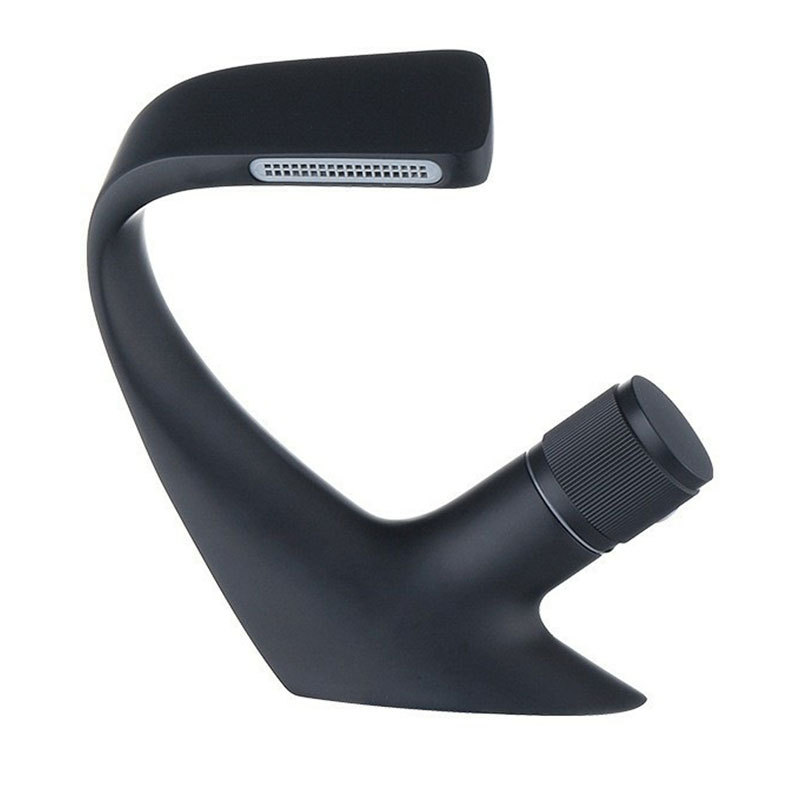
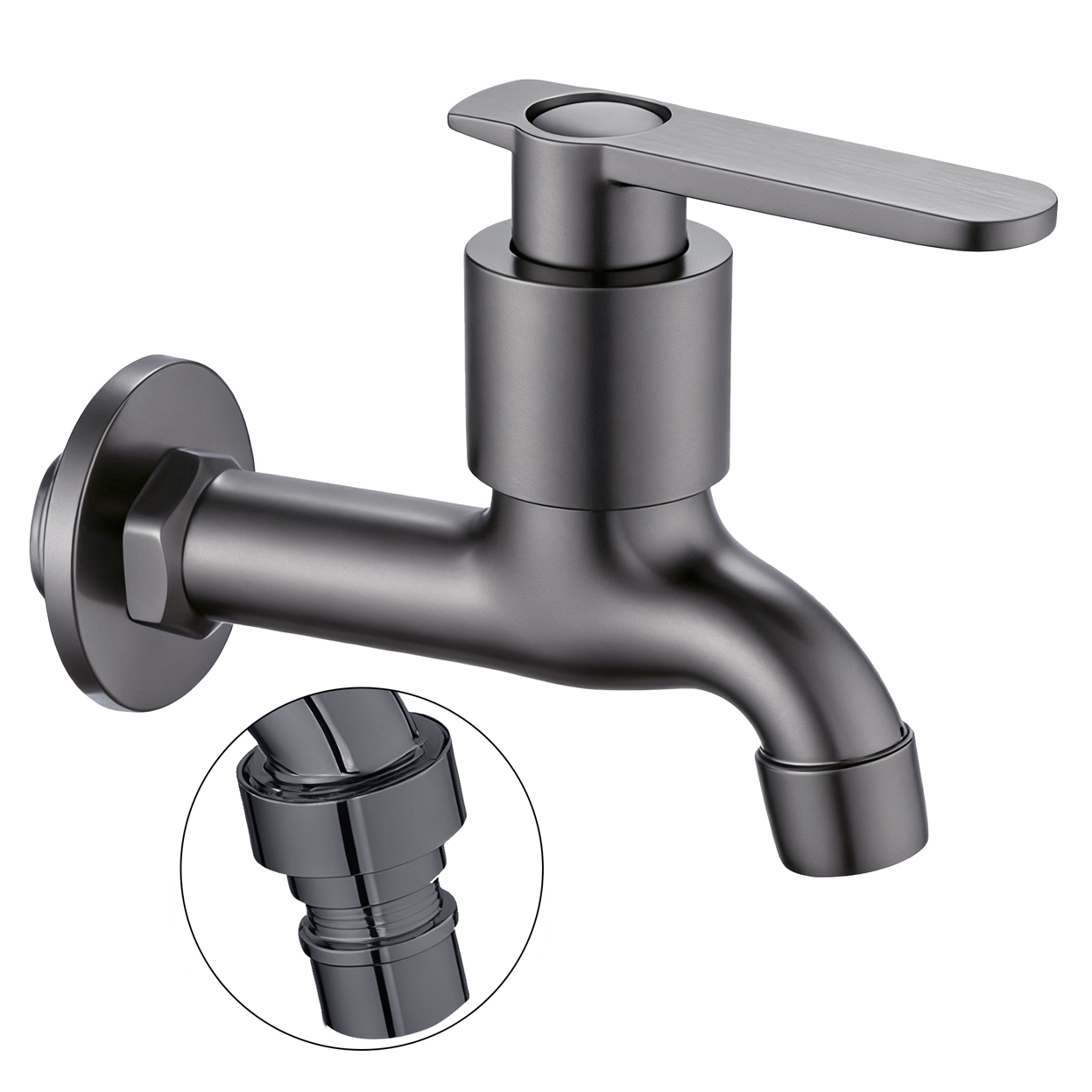
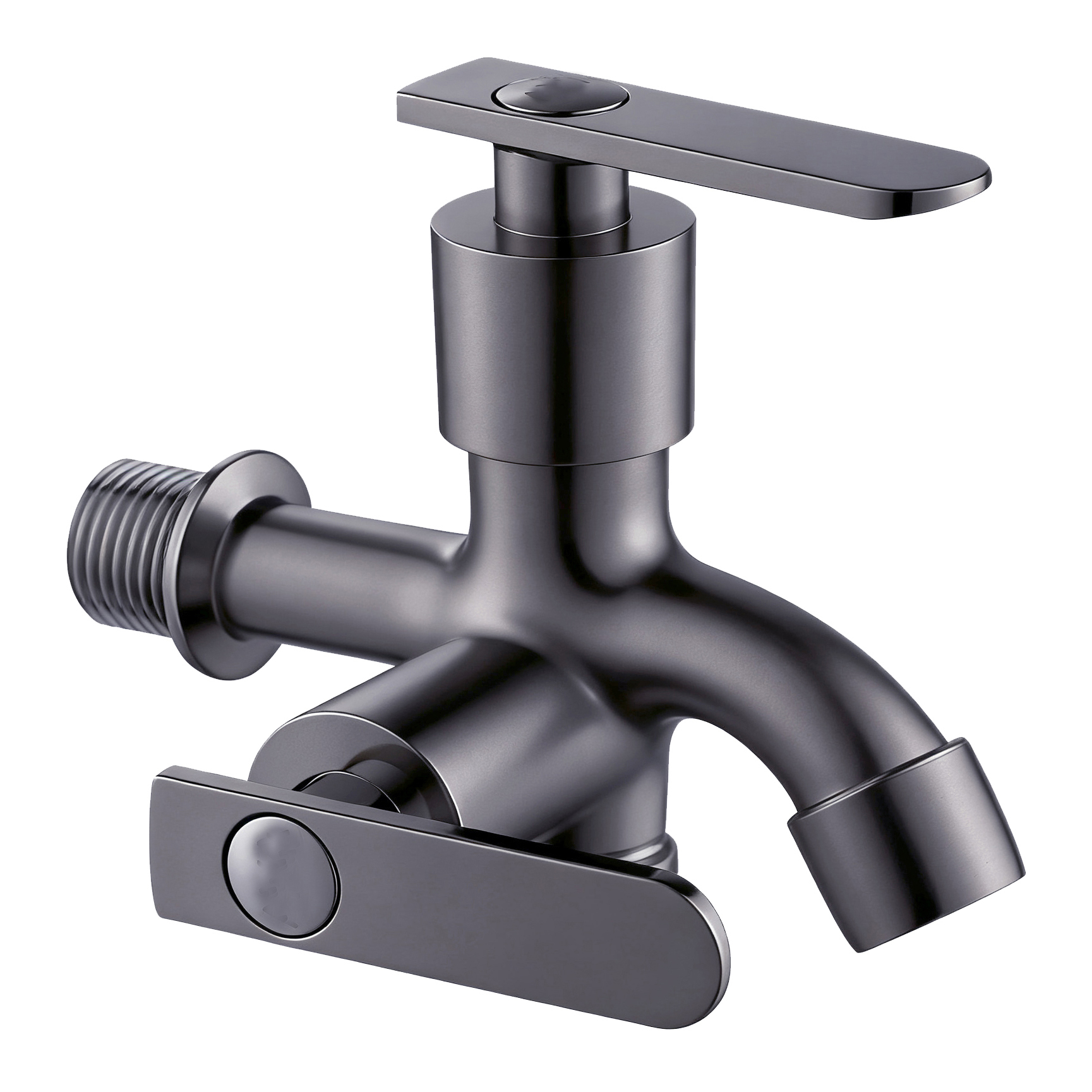
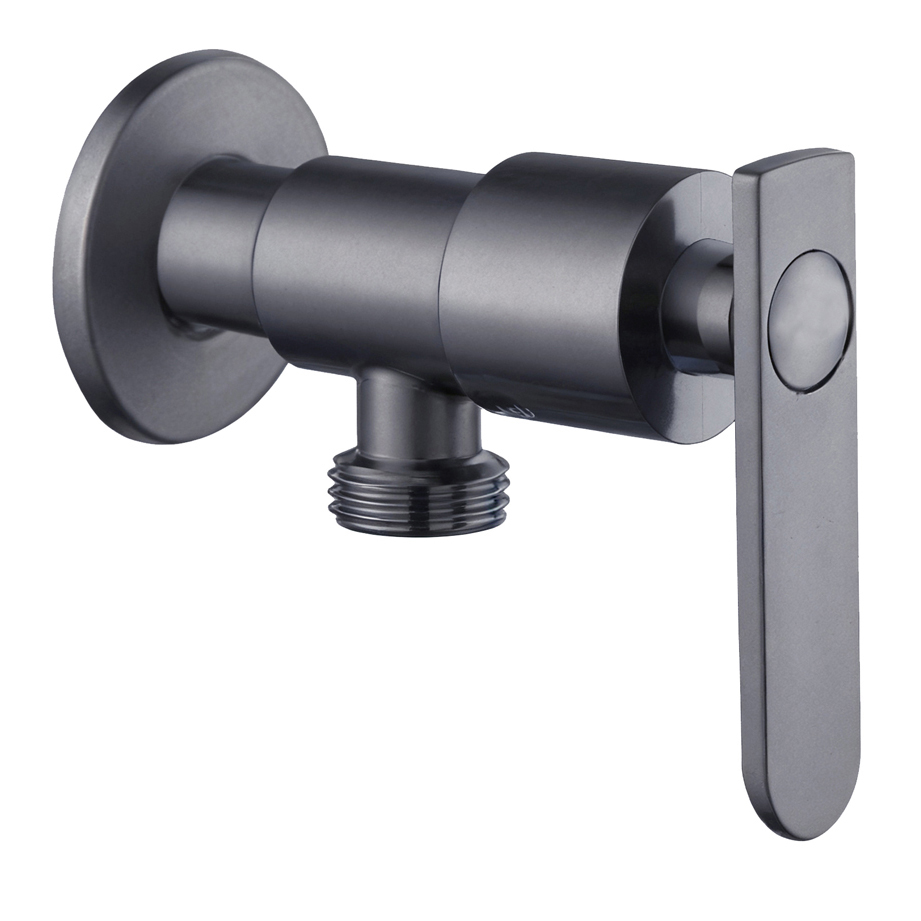
For example, one order may include a basic model, an upgraded model, and a special-finish model. These products do not need the same order quantity.
Instead, buyers can assign quantities according to the purpose of each test.
This approach also reduces the risk of holding too much inventory in unusual configurations before the market shows clear demand.
Do Not Use the Keyword to Guess Brazilian Preferences
The keyword brazil faucet kitchen can support search relevance between the product and the target market.
It does not prove that Brazilian buyers prefer a specific color, size, finish, or function.
Buyers still need to confirm installation conditions, connection specifications, product requirements, and sales-channel needs before entering the market.
Brazil also applies conformity assessment requirements to relevant water-consuming equipment through INMETRO.
The exact regulatory scope depends on the actual product. Buyers should therefore check the applicable Portaria, certification, registration, and model coverage when necessary.
These compliance checks serve a different purpose from a trial order.
Compliance confirms whether a product can meet relevant market-entry requirements. A mixed-SKU trial tests commercial questions such as price, function, finish, and product acceptance.
Before choosing trial SKUs, buyers can first remove products with unclear compliance status or unsuitable specifications.
They can then test different commercial options within the remaining product range.
The first sales results can improve the next product mix. However, sales feedback should never replace the market-entry checks that need to happen before launch.
Use the Second Order to Concentrate on Better-Performing SKUs
A mixed-SKU strategy does not require buyers to maintain many low-volume SKUs for a long time.
After the first sales cycle, buyers can review which models move faster and which ones generate stronger demand.
They can also check whether certain functions influence customer choice.
Inquiry behavior provides another useful signal. A product may attract many questions but generate few actual orders.
Buyers should also compare substitution between similar models and identify configurations that deserve larger quantities.
The next order can then increase quantities for stronger SKUs.
Products with uncertain results can remain in smaller test quantities. Weak configurations can receive lower quantities or leave the assortment.
The first order still provides only limited data. One strong or weak SKU should not define the entire Brazil Kitchen Faucet market.
As more sales and replenishment data becomes available, buyers can gradually reduce the testing range.
Over time, the assortment can concentrate around a smaller group of core SKUs.
Make the First Order Useful for the Next Purchase
Uncertainty is normal when a buyer enters a new market.
The first order does not need to build a complete kitchen faucet range.
A smaller group of clearly differentiated SKUs can provide better information.
Buyers can compare real sales results across price, function, finish, and configuration. They can then use those results to adjust the next purchase.
Stronger products can receive more stock. Uncertain products can remain under observation. Weak SKUs do not need repeated replenishment.
For a Brazil Kitchen Faucet trial, this is the main value of a mixed-SKU order.
The first purchase creates a controlled testing range. Later orders gradually concentrate on products that show stronger and more stable demand.
This approach gives buyers room to test the market without creating unnecessary inventory across too many unverified SKUs.