



A retail display sample has a special role.
It is not the new product that the customer will eventually take home.
However, shoppers often use it as their most direct reference for product quality.
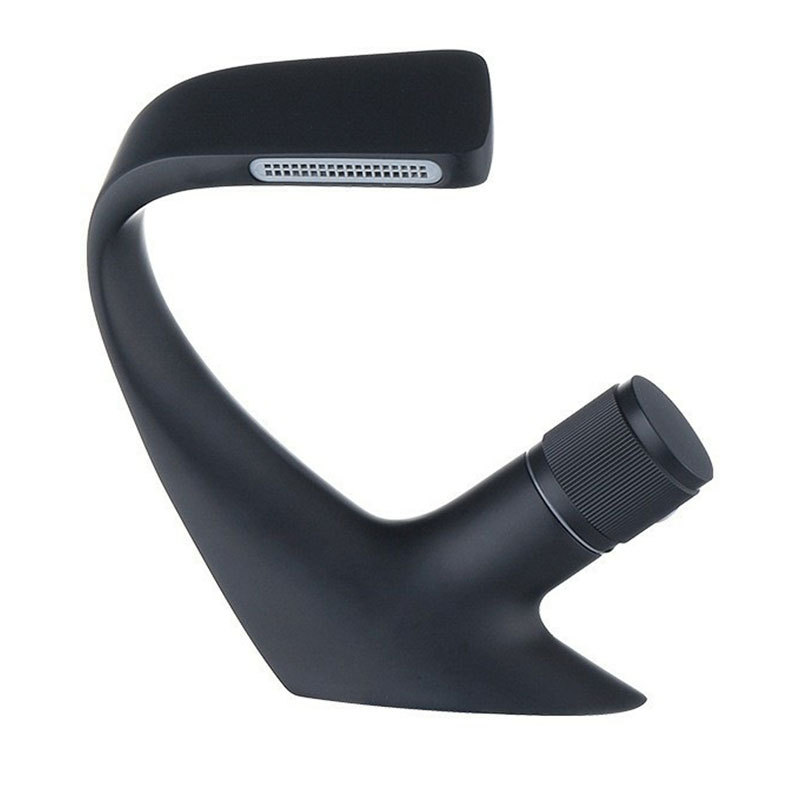
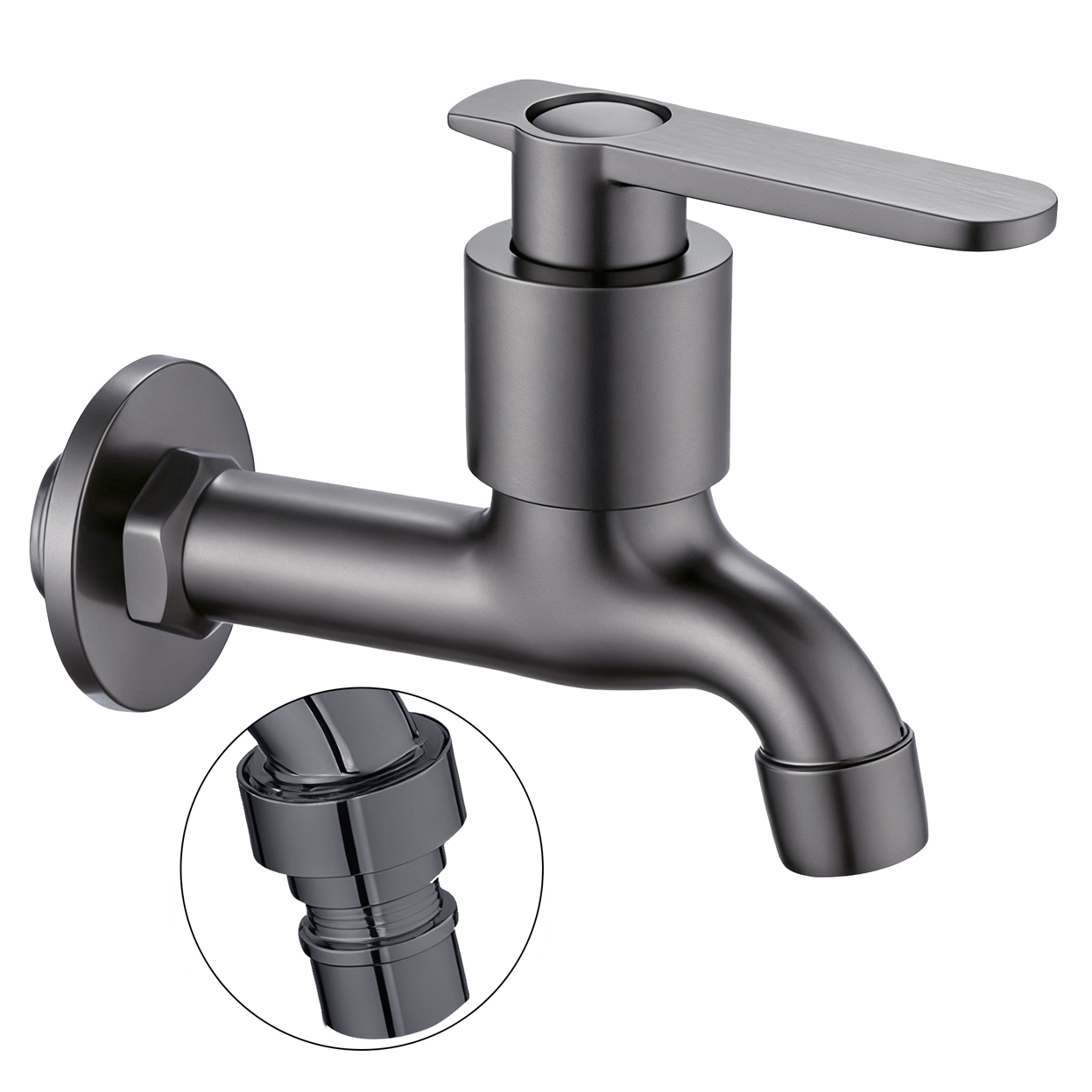
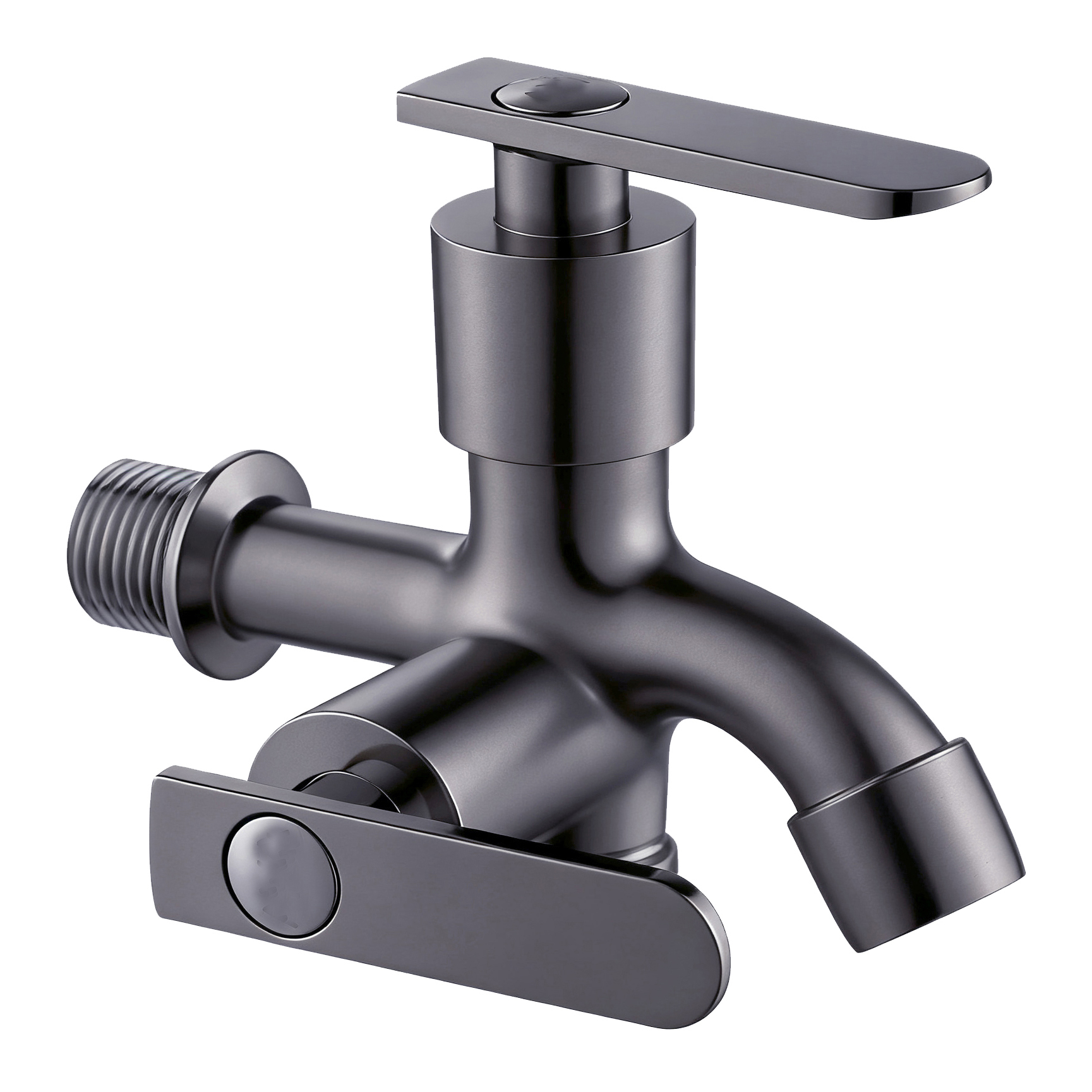
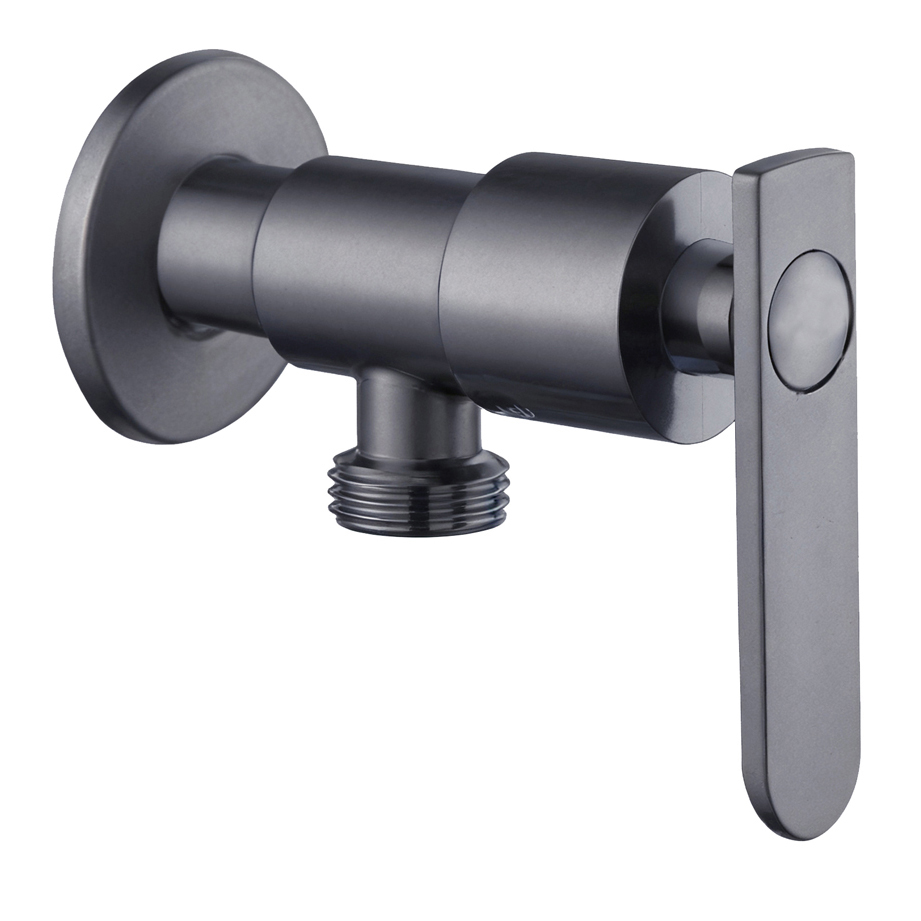
After several months on display, a Brushed Nickel Basin Faucet may have gone through constant touching and repeated cleaning.
Dust, fingerprints, water marks, and cleaning residue may also remain on the surface.
If the store does not separate the actual Finish from the condition of the display sample, shoppers probably will not make that distinction either.
They simply judge what they see.
Brushed Surfaces Make Display Maintenance More Visible
One clear feature of Brushed Nickel is its visible surface texture.
Fingerprints, grease, water marks, or cleaning residue can change how that texture looks under retail lighting.
As a result, the sample may no longer show the same surface appearance as a clean, new product.
Scratches create another issue.
Store staff may repeatedly clean a display sample with rough materials.
The faucet may also come into frequent contact with other hard objects.
Damage caused by these conditions does not necessarily show how the product will perform during normal use.
But shoppers standing in front of the shelf usually do not know how the sample has been handled.
This makes cleaning guidance important for Brushed Nickel products.
Moen, for example, provides official finish-care guidance and gives specific cleaning recommendations for faucet surfaces.
This shows why a general description such as “Nickel Finish” cannot support one universal care instruction.
However, one manufacturer’s cleaning method should not automatically apply to another manufacturer’s surface treatment.
Brands should confirm the actual finishing process for each model with the factory.
They should also review relevant cleaning or surface-test information before writing care instructions.
The packaging and product page can then use the same maintenance guidance.
For retail chains, customer feedback can provide another useful signal.
Stores can record cases involving incorrect cleaning products separately.
This helps teams distinguish possible surface-quality issues from missing or unclear care instructions.
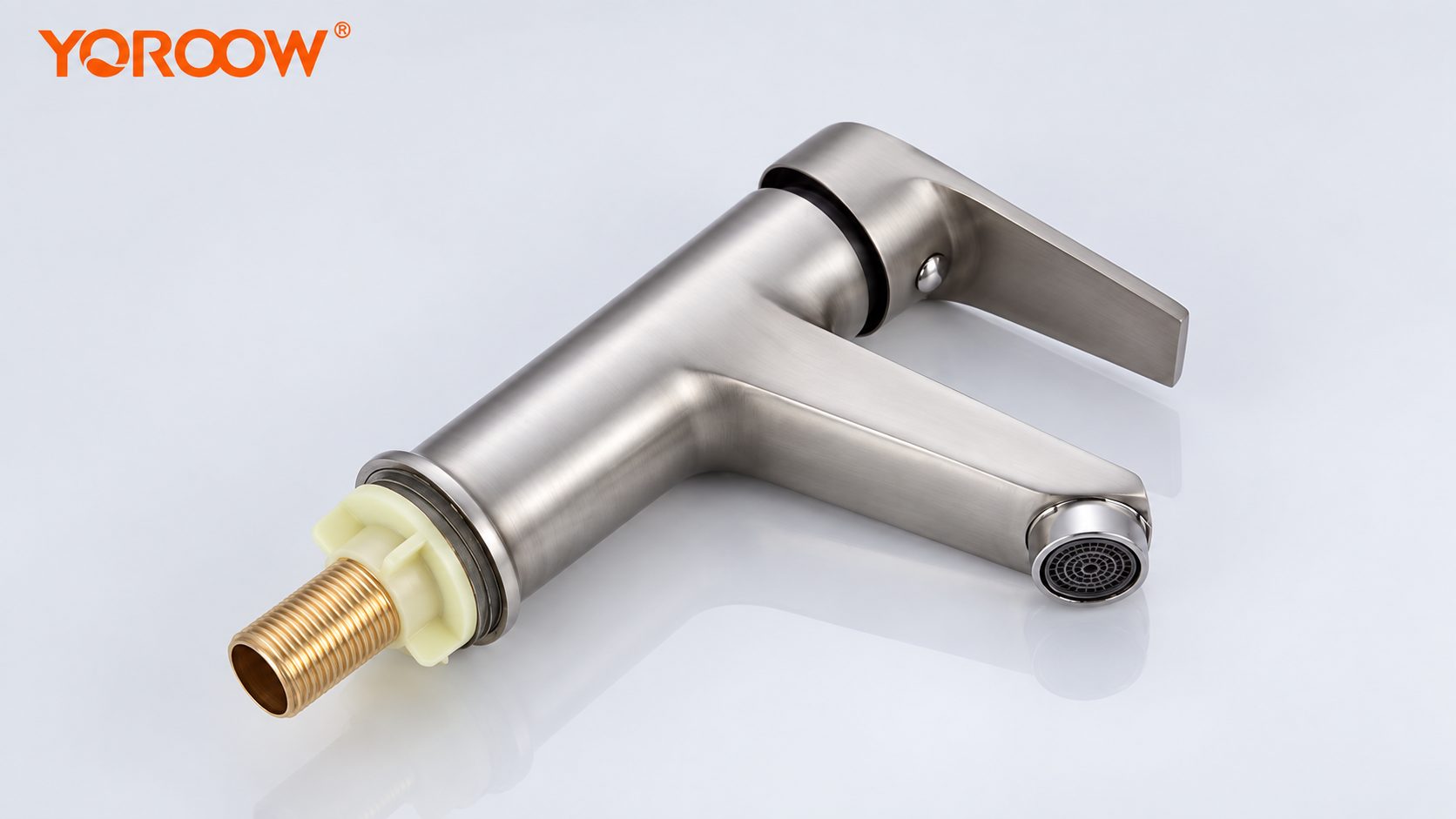
Without this information, shoppers may see a poorly maintained basin tap brushed nickel and assume that the Finish itself has a quality problem.
Display Samples Should Stay Touch-Friendly, Not Untouched
The solution is not to put every faucet behind glass.
One advantage of a physical store is that shoppers can see and touch the real Finish.
They can examine the texture and reflection at close range instead of relying only on product photos.
The goal should therefore be better sample maintenance, not preventing contact.
For example, Moen’s official faucet finish care guidance recommends mild liquid detergent and water for cleaning.
It also warns against abrasive cleaners and scrubbing devices that may damage the surface.
Each product should still follow the Finish care instructions from its own manufacturer.
The direction of the brushed texture can affect how the surface looks after cleaning.
Visible water marks can also influence how customers judge the product during daily use.
A separate care page can use real photos to show the surface before and after cleaning.
However, retailers should not use another brand’s maintenance tests as a performance guarantee for their own products.
For display samples, the goal is not to keep the faucet looking as if nobody has ever touched it.
The goal is to prevent unsuitable cleaning methods and long-term residue from changing the Finish that shoppers see.
When customers examine a Brushed Nickel Basin Faucet, they should see the product’s actual surface as clearly as possible.
They should not have to judge the Finish through months of fingerprints, cleaning residue, or damage from poor display maintenance.