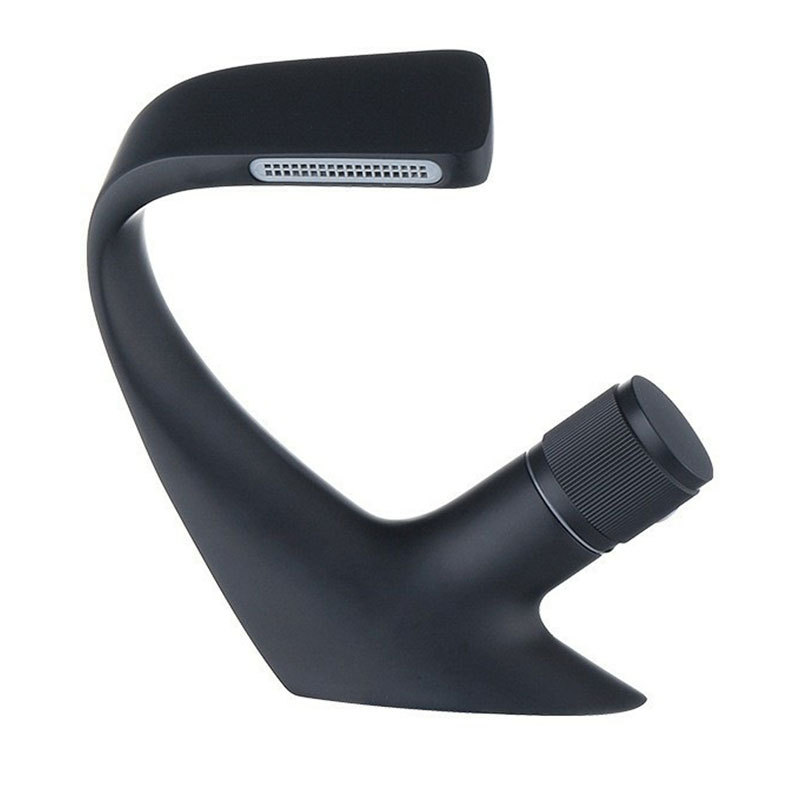




Physical retail stores naturally suit bathroom products with strong visual differences.
Compared with conventional shower sprays, unusual water-flow patterns can attract more attention in a working display or video. A Fountain Shower Faucet is a good example of a product with this display advantage.
However, the stronger the visual effect, the more important it becomes to separate two questions.
What does the shopper see in the store? What conditions does the product need to create the same effect in a real bathroom?
Water Flow Depends on More Than Appearance
A fountain-style outlet usually relies on a specific outlet design or internal waterway to create its visual effect.
However, water pressure, flow rate, and product structure can also affect the actual water pattern. Spray distance, coverage, and flow shape may vary under different installation conditions.
Without actual test data, retailers should not present the effect shown in one demonstration video as a fixed result under all installation conditions.
This is especially important for in-store demos.
A Fountain Shower Faucet is better demonstrated with two side-by-side examples. One can show the water pattern at a fixed demonstration pressure. The other can simulate the effect under lower household water pressure.
If the second condition has not yet been tested, the applicable conditions should be stated clearly. An attractive video should not replace performance evidence.
EPA WaterSense includes tests for showerhead spray coverage and spray force. This reminds brands that they should evaluate more than visual differences when reviewing a new water-flow design. Whether the U.S. specification applies to a specific product still depends on the scope of the certification.
Store trials can also track customer questions and reasons for returns. This can help determine whether a new product provides real value or simply attracts initial attention. [1]
A working display can show consumers what the function looks like. Product specifications still need to explain the conditions required to achieve that effect.
A Display Demo Should Explain the Function, Not Replace Specifications
Special water-flow functions are well suited to demonstrations.
The name fountain shower faucet alone may not give consumers a clear idea of how the water actually flows.
However, a demo explains the function. It does not prove performance under every installation condition.
Retailers can first introduce special water-flow models on a limited scale. They can then record whether shoppers actually understand the water-pressure requirements.
Visual appeal and satisfaction after installation should be evaluated separately. First-week attention alone should not determine whether the product is successful.
If a store uses fixed water conditions for its display, consumers still need to know the basic requirements for actual installation.
This is especially important for designs that respond strongly to changes in water pressure or flow. The information should come from actual product testing and specifications.
This also provides a way to evaluate new products.
If a Bathroom Feature looks attractive only under ideal display conditions but responds strongly to real installation conditions, it needs more validation before a Wider Rollout.
On the other hand, the visual difference can become a useful product feature when the relationship between the display effect and product specifications is clear. Consumers can then understand the function and judge whether their installation conditions are suitable.
A feature should not earn a place on the shelf simply because it looks impressive in a display.
Consumers should also understand what conditions they need to achieve that effect after bringing the product home.