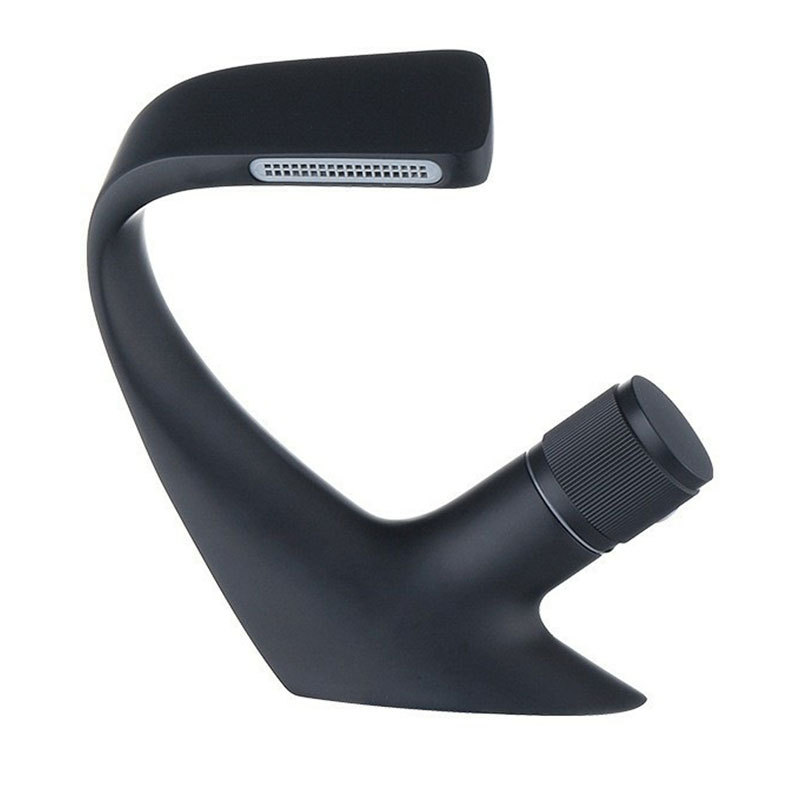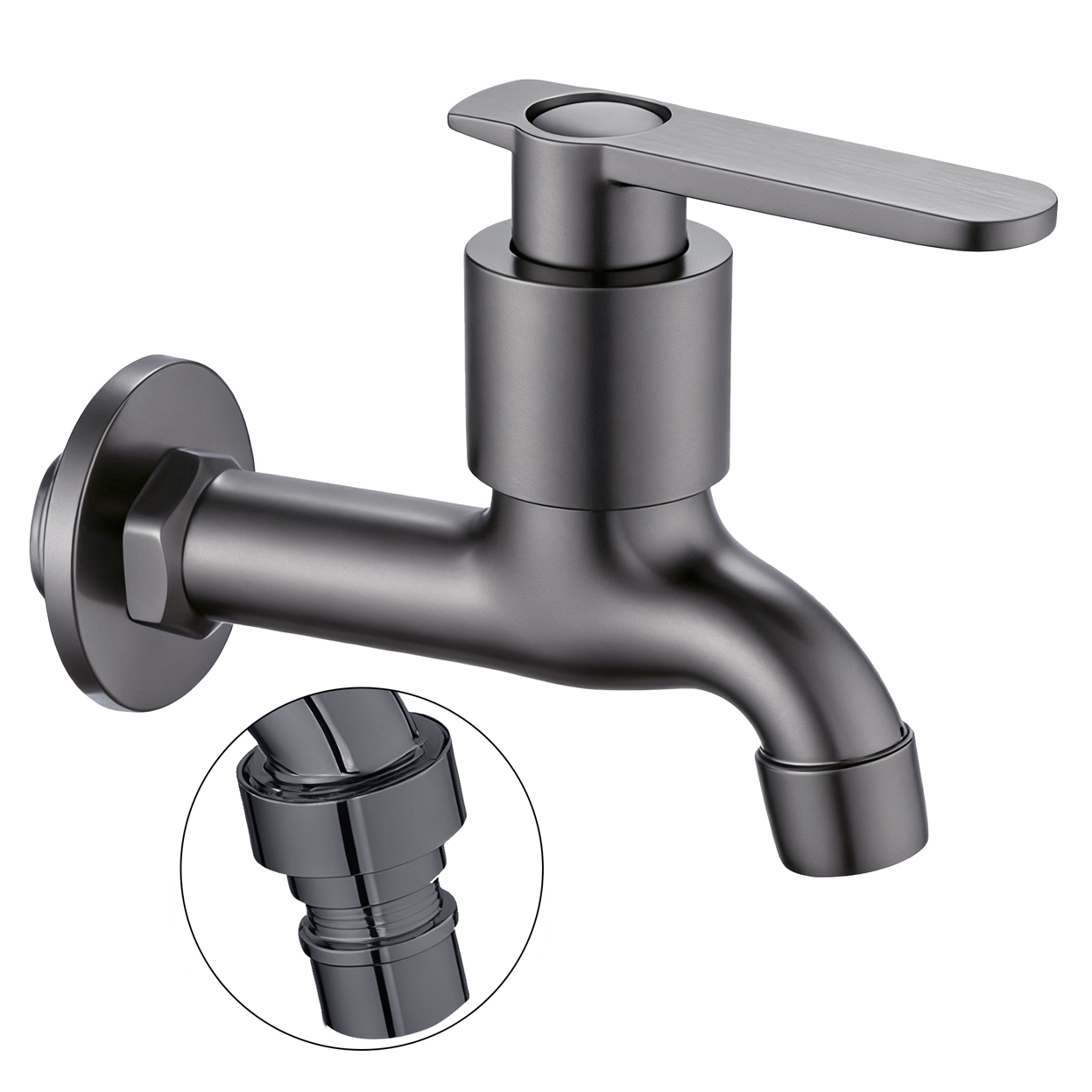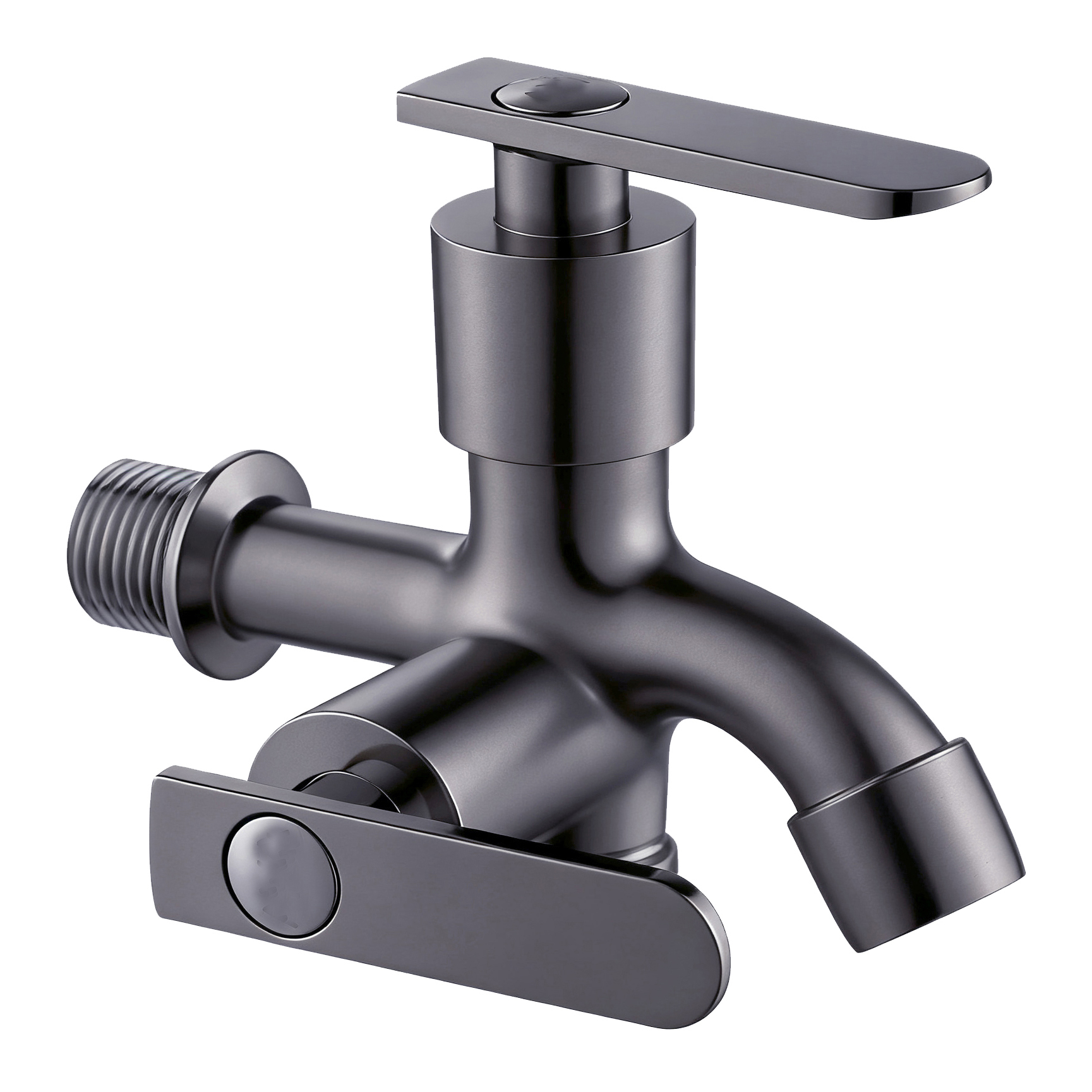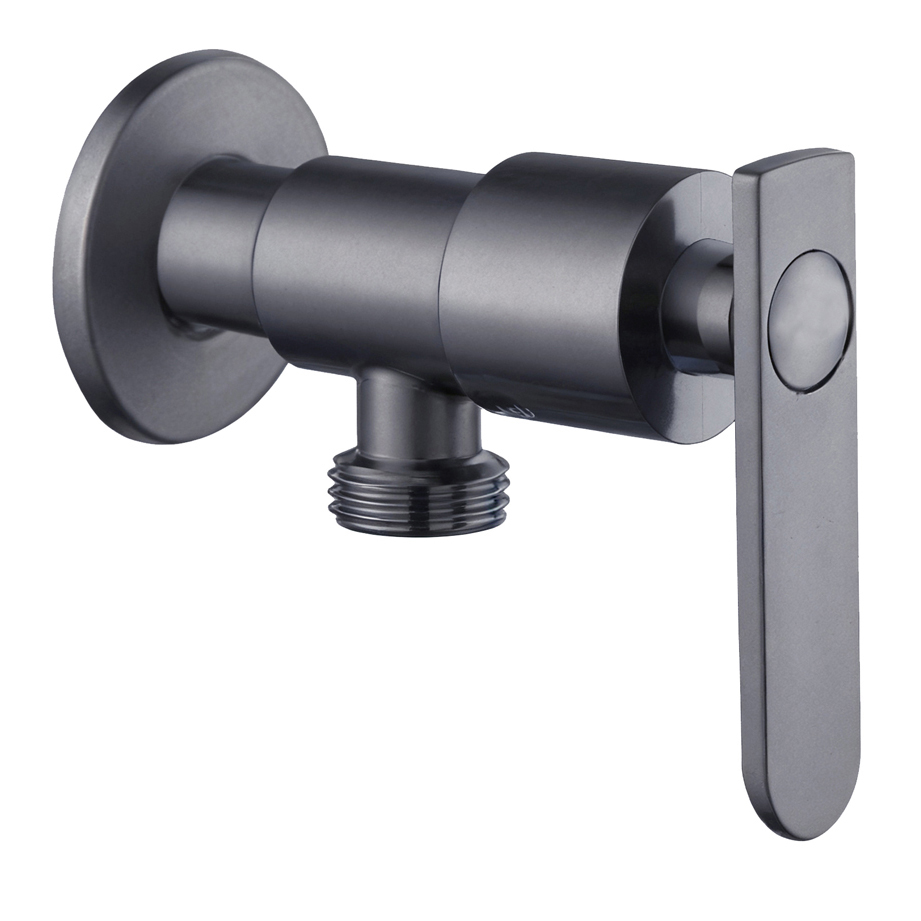




The same Shower Faucet may face very different operating conditions in a residential bathroom and a high-use hotel bathroom.
For this reason, the testing priorities should not be exactly the same simply because both products are faucets.
Hotel Shower Faucets Face Higher Usage Frequency
A Hotel Shower Faucet may be operated repeatedly by many different users.
In this environment, the key question is not only whether the faucet can deliver water normally. It is also whether the handle, cartridge, diverter structure, and connection points remain stable after repeated use.
Testing for high-use products should therefore place greater attention on:
Stability after repeated operation;
Durability of key moving components;
Whether sealing remains stable over time;
Whether loosening or operating problems appear after extended use.
Specific test parameters should still follow the product specifications and applicable standards rather than assigning one arbitrary cycle count to every Hotel Faucet.
ASME A112.18.1/CSA B125.1 provides a standards basis for relevant performance requirements for Plumbing Supply Fittings. However, evaluating a Hotel Application also requires consideration of actual usage frequency and product structure.
Ease of Maintenance Is Also Part of the Quality Evaluation
In a hotel environment, a small problem involves more than replacing one component.
Maintenance may require inspection, labor, disruption to room availability, and sometimes another service visit.
NKBA has discussed skilled labor availability and labor cost pressures within the kitchen and bath industry. For products used in long-term operating environments, this provides another reason why maintenance issues should not be evaluated only by the price of a Spare Part.
For a صنبور حمام الفندق, it is useful to consider in advance:
Are common maintenance components easy to access?
Can parts that require replacement be serviced individually?
Does routine maintenance require removing many unrelated components?
This does not mean hotel products must use completely different structures. However, in high-use applications, maintenance difficulty can affect long-term operating costs.
Testing Should Reflect the Product’s Real Risk Points
This does not mean every test needs to be increased.
What should change is the testing priority.
If a product will be operated frequently, more attention should go to moving components. If maintenance will be difficult, testing should focus more closely on critical parts that could require labor-intensive service if they fail.
The testing logic for high-use applications should therefore be:
First understand what stresses the product is most likely to face in actual use, then determine which quality items deserve priority verification.
More testing is not automatically better. Testing becomes more valuable when it reflects actual usage risks.
Showerhead Flow and User Experience Should Be Evaluated Together
If a Hotel Shower Faucet configuration includes an applicable Showerhead, flow rate also forms part of the actual user experience.
The U.S. EPA WaterSense program sets a maximum flow rate of 2.0 gpm for labeled Showerheads. It also considers performance factors such as Spray Force and Spray Coverage.
This provides a useful principle:
Low flow alone does not fully describe shower performance.
For applicable markets and product configurations, evaluating Showerhead water-saving performance should therefore go beyond recording flow rate. Buyers should also consider the corresponding pressure conditions, spray coverage, and spray performance.
This addresses a different issue from durability testing.
Durability testing asks whether the product can remain stable under frequent operation. Flow rate and spray performance ask whether the product can provide the expected experience during actual use.
For a Hotel Shower Faucet, the testing plan should avoid relying on one completely generic checklist without distinguishing the practical risks that matter most in a hotel environment.