



When building-material retailers begin serving salons, head spas, and other small commercial projects, they do not always need a separate catalog for every professional application.
What they often need is more detailed product information.
Standard retail information for basin faucets usually focuses on size, finish, material, and mounting method.
A Shampoo Basin Faucet requires another level of evaluation.
Once the faucet works with a shampoo basin or washing bed, buyers first need to confirm whether the product fits the equipment and supports the actual operating process.
Specialized Projects First Need to Confirm Whether the Product Can Work
Take shower faucets for shampoo basin as an example.
The faucet needs to work with both the basin structure and the way staff use the equipment.
A standard wash basin usually has a relatively fixed operating area.
Salon and head spa staff use the spray head differently.
They need to move it continuously during washing and rinsing.
This makes hose length, spray-head reach, mounting position, and basin structure much more important.
A product may work well with a standard basin.
That does not mean it will automatically work with a shampoo basin.
Retailers can therefore ask a few practical questions before recommending a model.
How does the basin install?
How much rinsing area must the spray head cover?
Where does the hose pass through the basin or cabinet?
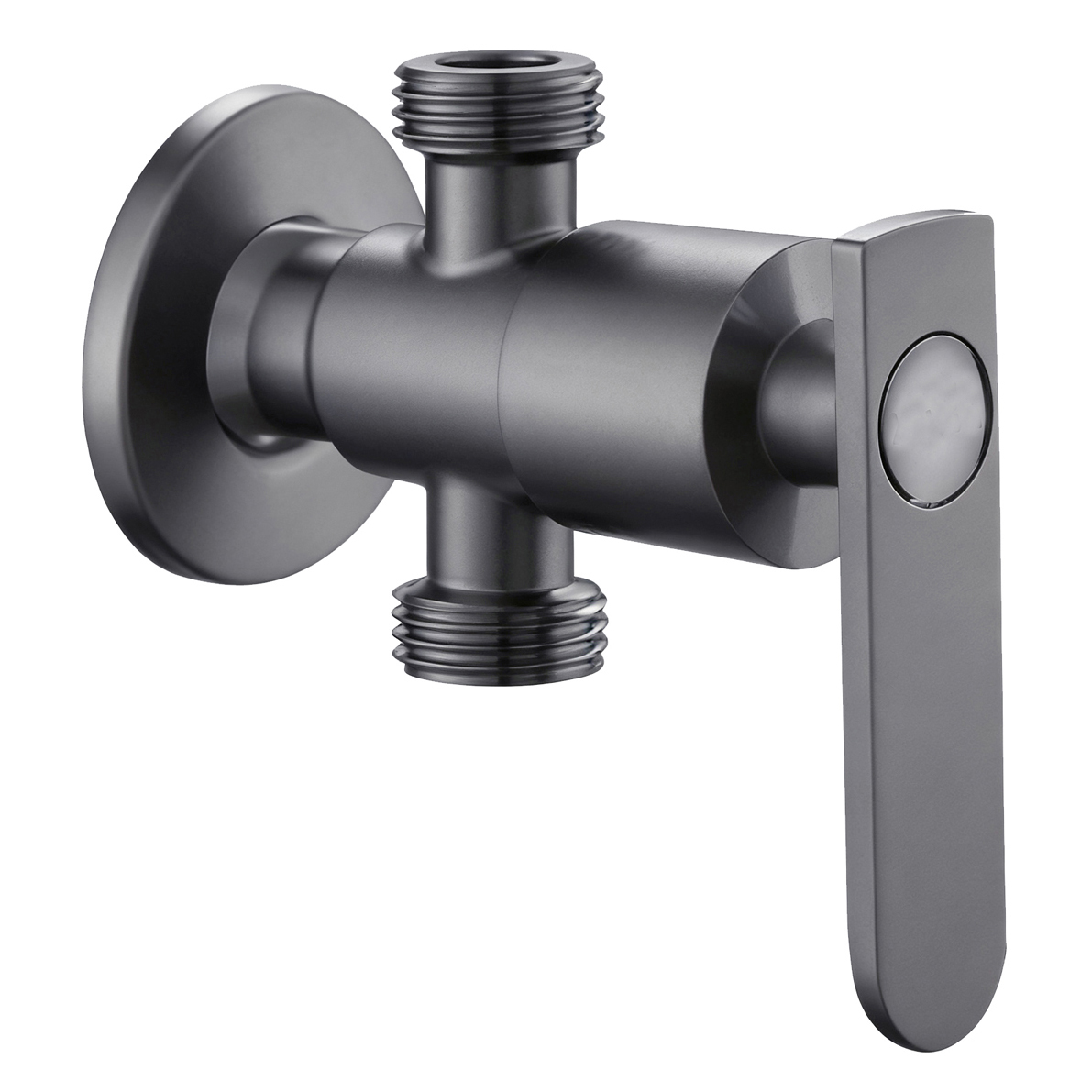
Do the faucet connections match the existing equipment?
These questions can eliminate unsuitable products faster than simply adding more SKUs.
The faucet and spray head should also work as one operating system.
A salon can test the product during a normal shampooing process.
Staff can observe three simple actions.
First, does the hose pull against the customer when the stylist lifts the spray head?
Second, can the spray head move around the basin edge and reach the required rinsing area?
Third, does it return to a position that remains easy to clean after use?
A display photo of the basin and faucet cannot answer all these questions.
Professional buyers also need information about connectors and replacement spray heads.
Retailers can keep diagrams of the basin opening, hose bending space, and rear maintenance access with the SKU information.
These details provide a stronger technical reference when a store later changes or expands the equipment.
The Same Product Catalog Can Carry Different Application Information
Specialized commercial projects are not always large.
A salon, beauty shop, or head spa may only need a few washing stations.
Creating a complete product line for every commercial application can add unnecessary SKU and inventory complexity.
A more practical approach is to identify suitable models within the existing range.
For example, a Shampoo Basin Faucet can remain in the main bathroom product catalog.
The product file can then add information about mounting position, hose operating range, connection method, and compatible basin conditions.
When a professional inquiry arrives, sales staff can filter products according to the actual equipment.
They do not need to build a second product system from the beginning.
This approach can also make future replenishment easier.
Retailers can keep rear-view photos and installation sections for common basin types.
In many shampoo basins, the space behind the basin matters more than the visible shape above it.
That rear space can determine whether installers can reach the connections later.
It can also help sales teams rule out unsuitable models during the inquiry stage.
If a salon adds more washing stations later, the original installation records can support the next selection.
The team does not need to search again among products that only look similar.
From the supply side, YOROOW can support these commercial applications by providing clearer product information.
Simply adding a “Salon use” label does not solve the real selection problem.
More useful information includes mounting conditions, connection details, hose range, and maintenance access.
For retailers serving small professional projects, the answer is not always a larger product range.
In many cases, existing products only need enough information to support accurate professional selection.