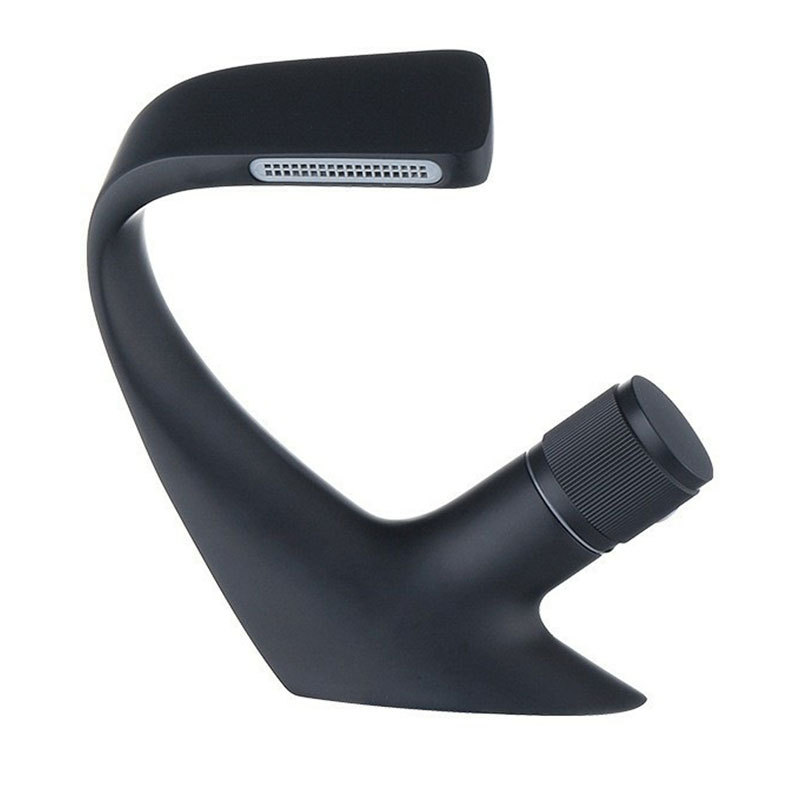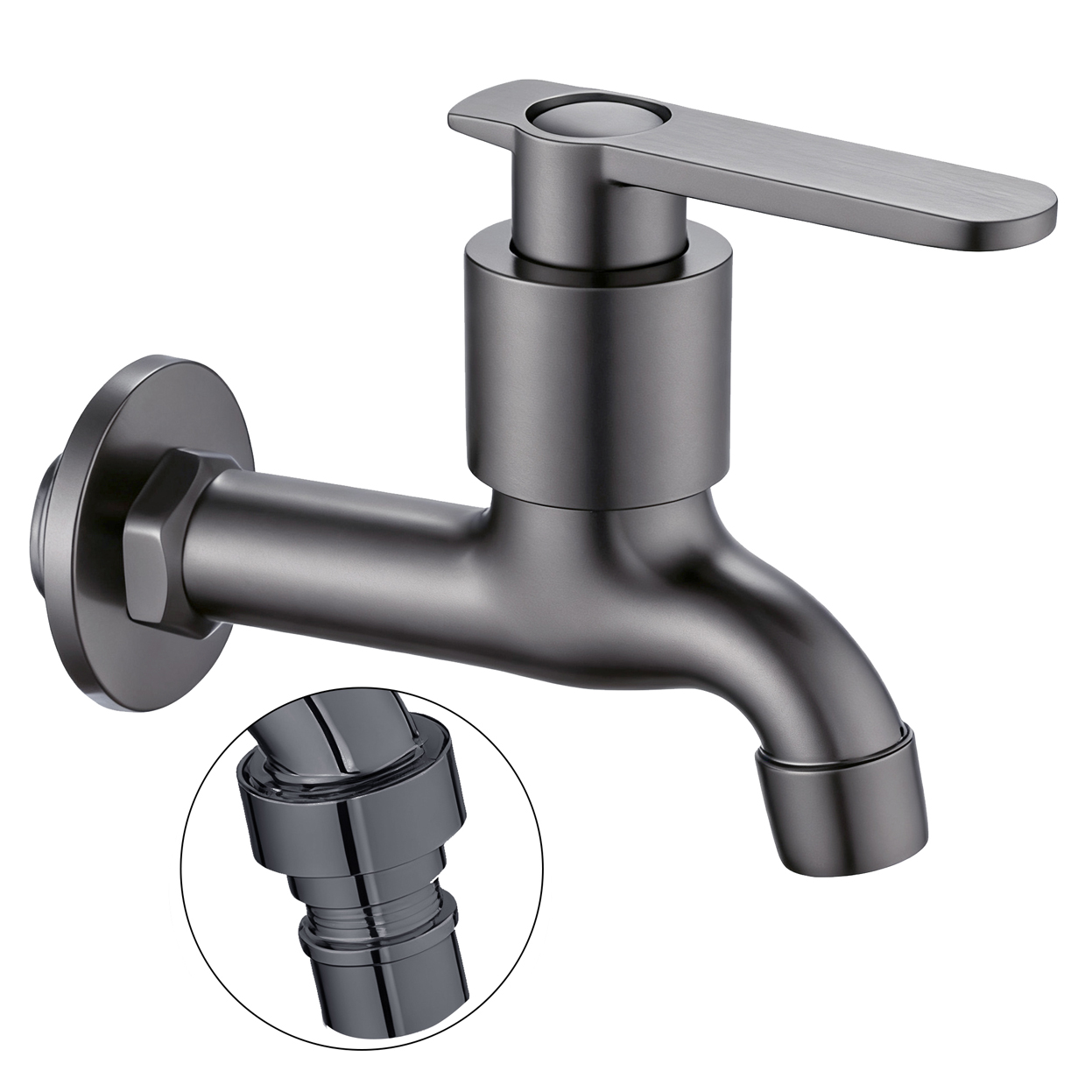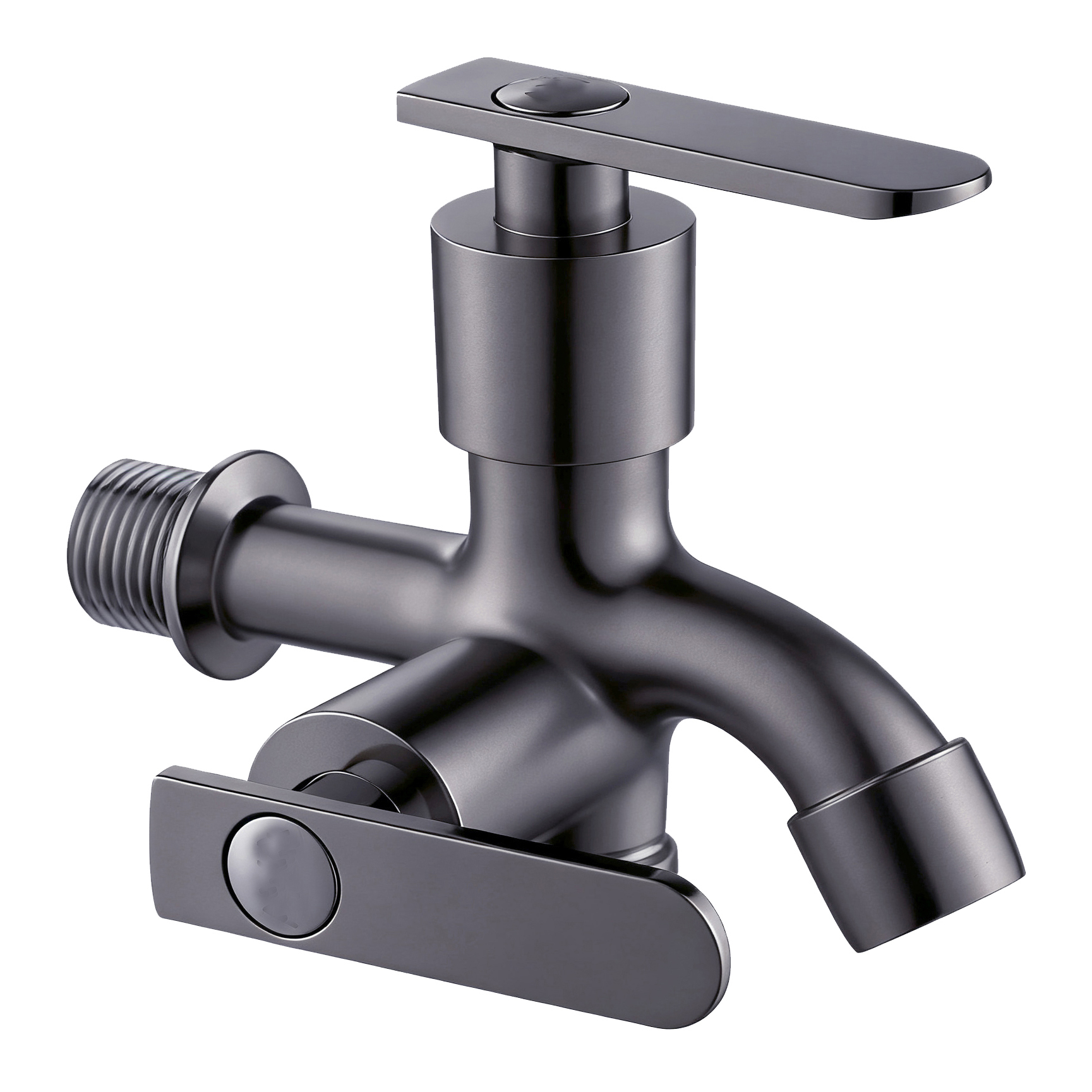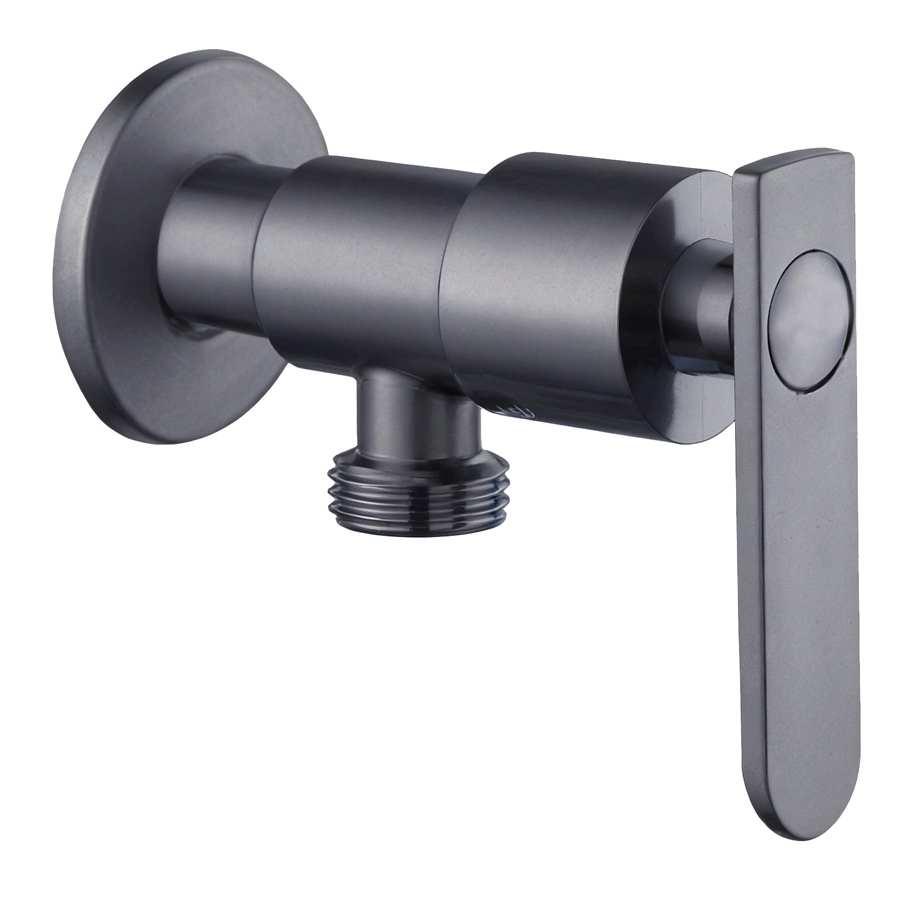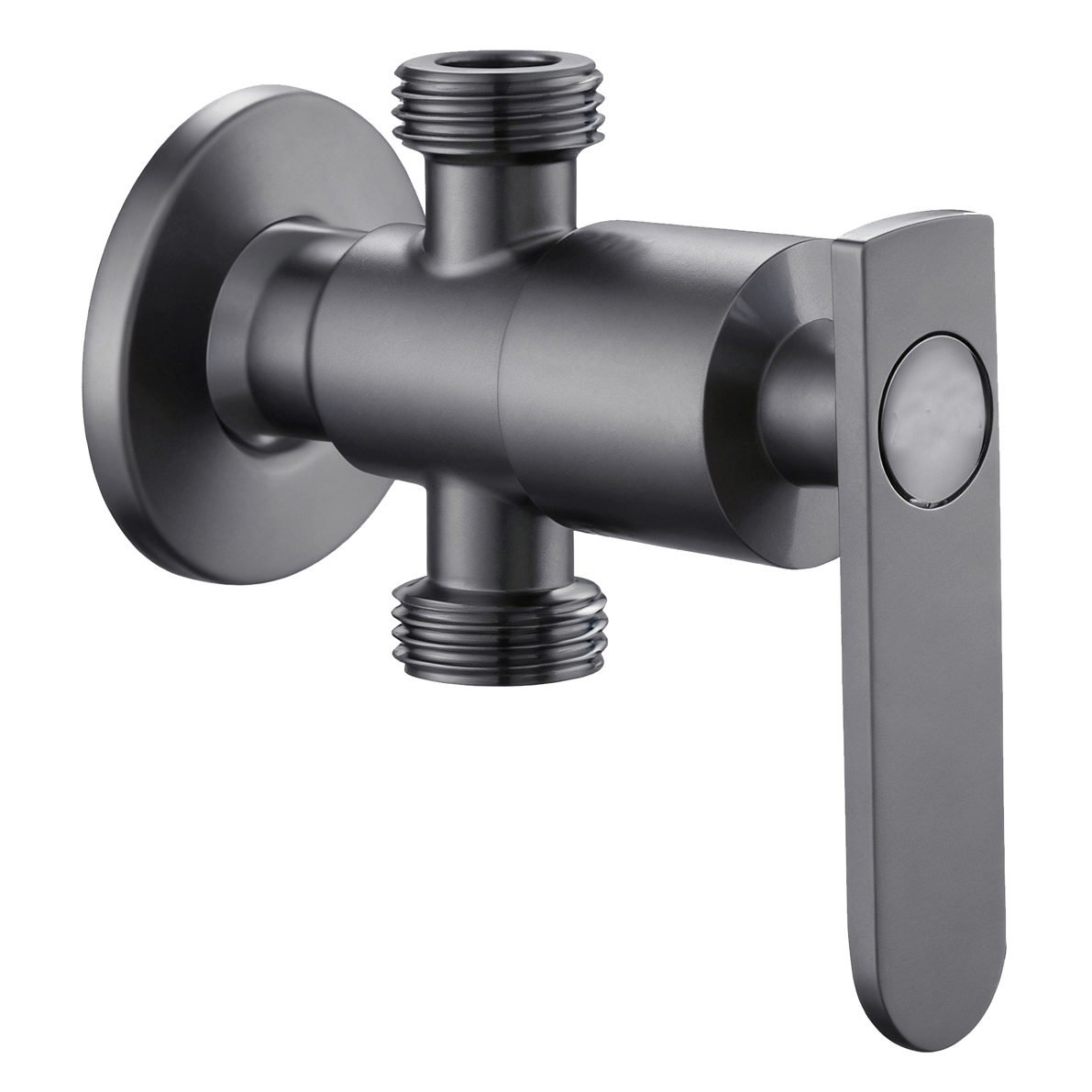



These practices show that some Nan’an manufacturers offer more than standard products. They also adjust product specifications, structures, accessories, and branded packaging according to customer requirements.
Compared with standard production, Custom Faucet OEM Orders require closer coordination between product development and manufacturing.
This coordination becomes especially important during the first order. Product samples, accessories, branded packaging, and accompanying documents may require separate approvals.
The challenge is to ensure that all approved requirements remain consistent throughout production and packaging.
1. What Requirements Should Buyers Confirm for Custom Faucet OEM Orders?
Standard faucets usually have established models, structures, and configurations. Buyers can select products from an existing catalog before confirming quantities and delivery terms.
Custom faucet orders may involve different requirements. These can include specific surface finishes, modified accessory combinations, or customer branding and packaging.
However, buyers may not approve all these details at the same time.
For example, a buyer may approve the faucet sample while the packaging design remains under review. Installation instructions or included accessories may also require further changes.
Therefore, the first OEM order should clearly identify the final product configuration. Both parties should distinguish approved requirements from details that still need confirmation.
For manufacturers, receiving customer instructions is only the beginning.
The factory must also communicate these requirements accurately across production, assembly, and packaging.
2. Why Can a Packaging Change Affect Faucet OEM Production?
Consider a faucet sample that has already received customer approval.
During retail packaging preparation, the mounting components change. As a result, the original installation diagram needs an update.
At first, this may appear to be a simple packaging revision. However, it involves coordination between the product configuration, installation instructions, and packaging process.
First, the manufacturer must confirm whether the revised mounting components are part of the final order.
Next, the installation diagram must reflect the approved configuration.
If the factory updates the diagram but prints an older packaging design, the delivered product may no longer match its installation documents.
YOROOW provides faucet OEM/ODM manufacturing services. The company can also assist customers with branded packaging design according to their cooperation requirements.
For these orders, buyers and manufacturers can discuss product configurations and packaging documents separately. However, they must keep related changes consistent.
When a new document replaces an older version, both parties should confirm which version applies. They should also identify who approves it and how to handle packaging materials already prepared or printed.
These activities do not necessarily require a complex management system.
However, clear approval records help prevent production and packaging teams from following different document versions.
3. How Should Buyers and Manufacturers Define Responsibilities in Their First OEM Order?
Buyers and manufacturers do not always have the same responsibilities in an OEM project.
The manufacturer may handle product manufacturing, sample preparation, technical documentation, and agreed packaging design assistance.
Meanwhile, the buyer may need to approve brand logos, retail packaging content, final product configurations, and requirements for the destination market.
The actual responsibilities depend on the cooperation agreement.
Therefore, neither party should assume that the terms OEM or ODM automatically define every service or responsibility.
During the first order, both parties should identify which details require customer approval.
They should also confirm which production documents need updating when a product or packaging configuration changes.
For example, changes to included accessories may affect the packing list and installation instructions.
Similarly, changes to the faucet structure may require updates to manufacturing documents.
Until both parties approve these changes, the factory should not treat them as final order requirements.
Clear communication is also important when work moves between sales, engineering, production, and packaging teams.
At each stage, employees should be able to distinguish approved specifications from requirements that remain under review.
This helps prevent different departments from working with inconsistent information.
Nan’an’s customized sanitary ware manufacturing practices reflect the industry’s ability to respond to different customer requirements.
بالنسبة لـ Custom Faucet OEM Orders, sample approval is only one stage of the process.
The final product configuration, accessory combination, branded packaging, and accompanying documents must also match.
During the first OEM cooperation, the goal is not to introduce more management procedures. Instead, both parties should ensure that every approved requirement reaches the relevant manufacturing and packaging stages accurately.