


China’s faucet manufacturing industry is not concentrated in one city. Over time, several manufacturing clusters have developed across the country. Each region has its own industrial foundation and manufacturing strengths.
Nan’an in Fujian, Kaiping in Guangdong, and Yuhuan in Zhejiang are three important manufacturing centers. All three produce faucets and related plumbing products. However, their industries have developed in different ways.
Nan’an has a broad manufacturing base covering plumbing hardware and sanitary ware. Kaiping has developed a faucet and bathroom product cluster centered on Shuikou Town. Yuhuan has strong links to valve manufacturing, pipe fittings, and metal processing.
These differences go beyond product categories. They also affect manufacturing roles, supporting industries, and export activities.
This article examines the industrial structures of these three regions. It explores their product ranges, manufacturing specialization, and roles in international trade.
1. Why Has China Developed Different Faucet Manufacturing Clusters?
Faucet production involves several manufacturing processes. These include metal forming, machining, polishing, surface finishing, assembly, and product testing.
Each process requires different equipment and technical skills. Some manufacturers handle several stages in-house. Others work with specialized suppliers for specific operations.
Over time, manufacturers and suppliers have become concentrated in certain regions. This has created local industrial networks linking raw materials, components, finished products, and sales.
However, these clusters did not develop from the same industrial foundation.
Nan’an built a broad industry covering faucets, bathroom hardware, and sanitary ware. Shuikou in Kaiping developed around faucet manufacturing before expanding into other bathroom products. Yuhuan’s plumbing industry grew alongside valve production, pipe fittings, and mechanical processing.
Understanding these clusters requires more than counting faucet factories. Their product structures, supporting industries, and manufacturing relationships are equally important.
2. What Makes Nan’an, Kaiping, and Yuhuan Different?
2.1 Nan’an, Fujian: A Broad Plumbing and Sanitary Ware Industry
Nan’an is an important manufacturing center for plumbing and sanitary ware in China. Its industrial base includes finished products, components, and related manufacturing services.
A 2024 report from the Fujian Provincial Department of Industry and Information Technology provided several figures. Nan’an had more than 700 enterprises in its plumbing and kitchen and bathroom industry. The sector employed around 100,000 workers. Its industrial output reached approximately RMB 70 billion in 2023.
A separate report published in 2026 used a broader business count. It recorded more than 5,000 registered businesses related to plumbing and sanitary ware. This included over 700 manufacturing enterprises. The report also stated that annual output exceeded RMB 70 billion.
The two reports use different business categories. Their figures should not be treated as identical measures.
A Wide Range of Plumbing and Bathroom Products
Nan’an produces more than faucets. Its manufacturing sector also covers shower products, angle valves, pipe fittings, sanitary ceramics, bathroom furniture, and related accessories.
These products serve different purposes and have different structures. However, some share manufacturing resources. Examples include metal processing, component supply, and surface finishing.
As more manufacturers entered different product categories, the local industry became more diverse. Today, it includes both broad sanitary ware manufacturers and specialized plumbing hardware producers.
Some companies operate their own brands. Others focus on particular products or manufacturing processes.
In 2025, Nan’an proposed an international plumbing and sanitary ware supply chain distribution center. The plan covers raw materials, production, sales, and related services.
This initiative shows how the region is working to connect manufacturing with supply chain services.
YOROOW: An OEM/ODM Manufacturer in Nan’an
YOROOW is one of the faucet and bathroom hardware manufacturers based in Nan’an.
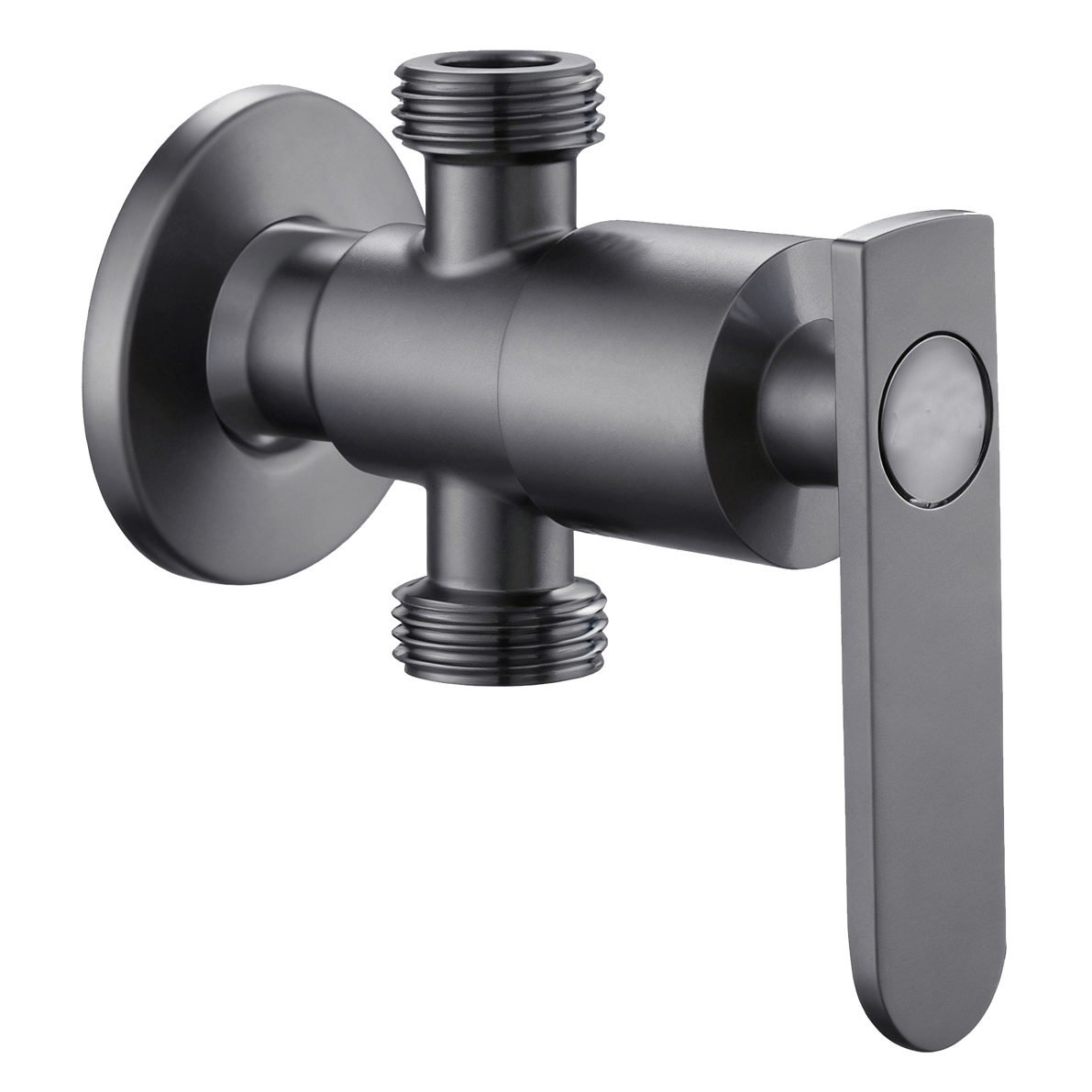
Since 2013, YOROOW has been involved in OEM/ODM manufacturing. Its products include kitchen faucets, basin faucets, shower systems, angle valves, and related bathroom hardware.
Manufacturing operations vary by product and order requirements. They involve CNC machining, polishing, surface finishing, assembly, and product testing. YOROOW also offers customization for logos, finishes, and packaging.
This is one example of specialized OEM/ODM manufacturing within Nan’an’s industrial cluster.
يورو focuses on faucets and related bathroom hardware. Other local companies may offer different products and manufacturing services. No single manufacturer represents the entire industrial cluster.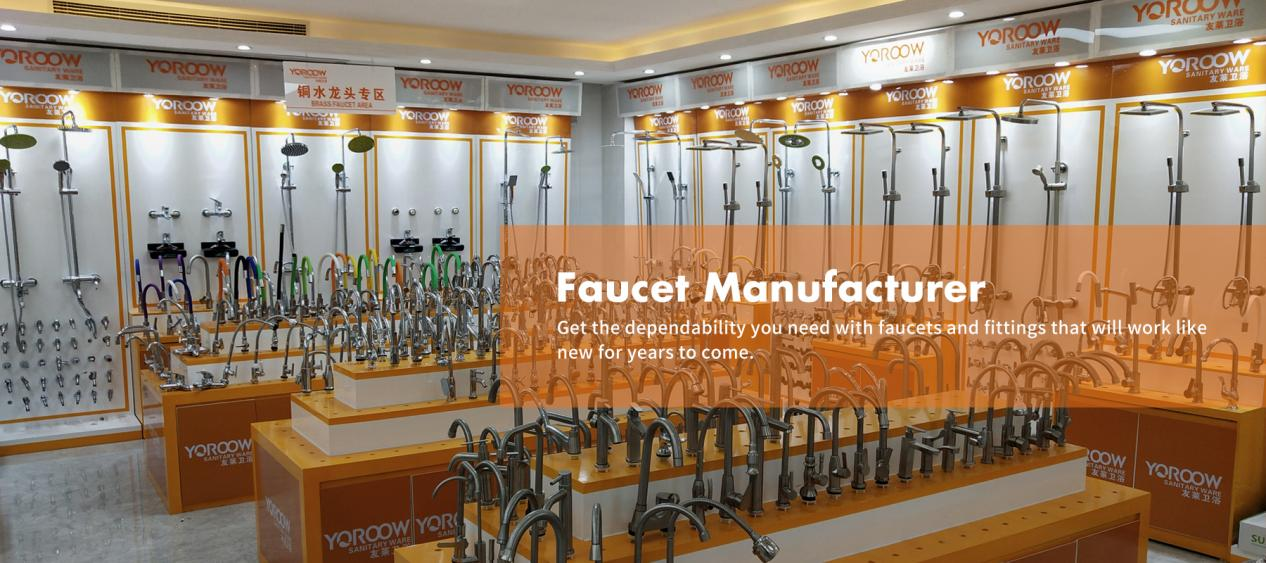
2.2 Kaiping, Guangdong: Faucet Manufacturing Centered on Shuikou
Kaiping’s plumbing and sanitary ware industry is mainly concentrated in Shuikou Town. Faucet manufacturing has been a key part of its industrial development.
Over time, the local industry expanded beyond finished faucets. It now includes component production, product development, and related manufacturing services.
According to the Shuikou Town People’s Government, Kaiping’s plumbing and sanitary ware cluster recorded significant output in 2024. Its industrial output reached RMB 23.8 billion. Exports exceeded US$2.1 billion. Products were sold to more than 200 countries and regions.
These figures show the scale of local manufacturing and the importance of international trade.
From Traditional Faucets to More Bathroom Products
Shuikou manufactures kitchen faucets, basin faucets, shower faucets, thermostatic faucets, and sensor faucets. Other bathroom products are also part of the local industry.
Some manufacturers have expanded into smart bathroom products and shower systems. Others continue to focus on traditional faucets, components, or specific manufacturing operations.
The industry has therefore developed in two connected directions. Faucet manufacturing remains an important foundation. At the same time, the product range has become broader.
A Supply Chain Built Around Faucet Production
Shuikou’s industrial chain covers raw materials, component processing, finished-product manufacturing, product development, and export services.
Faucet production requires several connected operations. Manufacturers must coordinate body machining, component supply, surface finishing, and assembly.
Different businesses can specialize in different stages. Some produce finished faucets. Others supply components or provide specific processing services.
This network of manufacturers and suppliers supports the local faucet industry. It is also an important feature of Shuikou’s manufacturing cluster.
2.3 Yuhuan, Zhejiang: Valves, Pipe Fittings, and Metal Processing
Yuhuan’s plumbing industry has strong links to valve manufacturing, pipe fittings, and metal processing.
The region has a long history of mechanical manufacturing and component production. Plumbing valves are one of its major industrial sectors.
According to the Zhejiang Provincial Economic Information Center, Yuhuan’s plumbing valve industry reached RMB 45.086 billion in output in 2025.
Its smart sanitary ware cluster was also included in Zhejiang’s list of specialized industrial clusters for small and medium-sized enterprises.
These industries provide an important foundation for local plumbing hardware production.
A Product Range Built Around Valves and Fittings
Yuhuan manufactures brass valves, pipe fittings, angle valves, water taps, faucets, and related metal components.
Valves and pipe fittings have an important position in the local industry. This distinguishes Yuhuan’s industrial structure from clusters centered mainly on finished faucet manufacturing.
These products have different uses, but some share manufacturing processes.
For example, brass valves and certain faucet components may require CNC machining, thread machining, and sealing tests. Metal forming may also be part of production.
These shared processes create links between valve manufacturing and other plumbing hardware products.
However, producing valves does not automatically mean a company can manufacture complete faucets. Finished faucets have their own requirements for design, surface finishing, assembly, and testing.
Specialized Component and Metal Manufacturing
Yuhuan’s plumbing industry includes finished-product manufacturers, component suppliers, and metal processing companies.
Some businesses specialize in valves or pipe fittings. Others manufacture metal components. Certain companies also produce faucets and bathroom hardware.
These different roles reflect the region’s manufacturing structure.
To understand Yuhuan’s industry, it is important to look beyond finished faucet factories. Valve producers, pipe fitting manufacturers, and component suppliers also play significant roles.
3. How Do Product Types and Manufacturing Roles Differ?
Nan’an, Kaiping, and Yuhuan all manufacture faucets and plumbing hardware. However, their industrial foundations have shaped different product ranges and manufacturing roles.
| Comparison | نانان، فوجيان | Kaiping, Guangdong | Yuhuan, Zhejiang |
|---|---|---|---|
| Industrial foundation | Broad plumbing and sanitary ware manufacturing | Faucet and bathroom product manufacturing centered on Shuikou | Valves, pipe fittings, and metal processing |
| Representative products | Faucets, showers, angle valves, sanitary ware, and related hardware | Faucets, thermostatic and sensor faucets, showers, and other bathroom products | Valves, pipe fittings, angle valves, water taps, and related hardware |
| Manufacturing roles | Finished products and supporting industries across several categories | Faucet production, component processing, and product development | Valve and fitting production, metal processing, and component supply |
| Development pattern | Growth across multiple bathroom product categories | Expansion from faucets into other bathroom products | Development based on valve and mechanical manufacturing |
Note: The table summarizes common industrial characteristics. It does not describe every manufacturer or product in these regions.
3.1 How Industrial Foundations Shape Product Ranges
Nan’an has a broad industrial structure. Faucets, showers, angle valves, and sanitary ware all form part of its manufacturing sector.
Kaiping has a closer historical connection with faucet production. Its industry has since expanded into additional bathroom products.
Yuhuan has a strong foundation in valves, pipe fittings, and metal processing. These industries also connect with the production of faucets and other plumbing hardware.
The differences do not limit what each region can manufacture. Instead, they help explain why certain product categories are more closely associated with each cluster.
3.2 How Product Types Influence Manufacturing Roles
Manufacturing roles often develop around the products that local companies produce.
Kitchen faucets, basin faucets, and shower faucets require several connected processes. These include body machining, component assembly, surface finishing, and testing.
Clusters focused on finished faucets need both product manufacturers and specialized processing services.
Valves, pipe fittings, and certain connectors have different manufacturing requirements. These often involve metal machining, connection dimensions, threaded structures, and sealing performance.
Businesses serving these products may specialize in particular processing operations.
Nan’an’s broad product range also creates connections between different manufacturing sectors. Faucets, angle valves, showers, and related hardware may share some materials, components, or processing services.
These relationships help explain why manufacturing clusters develop different forms of specialization.
3.3 Regional Resources and Factory Capabilities
An industrial cluster may offer access to many specialized suppliers and manufacturing services. However, individual factories do not necessarily have the same equipment or technical capabilities.
For example, a company that manufactures standard faucets may not develop new product structures. A factory with CNC equipment may still rely on other suppliers for surface finishing.
The same applies to product ranges. A region may manufacture many bathroom product categories, while individual companies focus on only a few.
Regional industrial resources and individual factory capabilities are therefore different considerations.
4. How Do These Manufacturing Clusters Serve International Markets?
China’s faucet and plumbing hardware industries supply both domestic and overseas markets.
Companies participate in international trade through finished-product exports, component supply, own-brand sales, and OEM/ODM manufacturing.
Their roles vary according to product types, manufacturing capabilities, and business models.
4.1 Export Products Reflect Local Industrial Structures
Nan’an manufactures many types of plumbing and bathroom products. These include faucets, showers, valves, and other bathroom hardware.
Its manufacturing sector therefore covers more than one export product category.
In 2025, Nan’an proposed an international plumbing and sanitary ware supply chain distribution center. The plan also included foreign trade areas, overseas exhibition and sales locations, and business support services.
These initiatives aim to connect manufacturing with international trade and supply chain services.
Kaiping’s export activities are closely connected to its faucet and sanitary ware industry.
In 2024, the local industry’s exports exceeded US$2.1 billion. Its products reached more than 200 countries and regions.
Yuhuan’s international business has strong links to plumbing valves, pipe fittings, and related metal products.
A 2026 report from the Zhejiang Provincial Economic Information Center noted the market presence of Yuhuan’s plumbing valve cluster. The report referred to both the Chinese and European Union markets.
These examples show how local industrial foundations relate to export product structures. However, no region is limited to exporting only one type of product.
4.2 Different Roles in International Supply Chains
Not every manufacturer participates in international markets in the same way.
Some companies sell finished products under their own brands. Others provide OEM/ODM manufacturing for overseas customers. Some focus on components or specialized processing services.
Finished faucet orders often involve product structure, materials, finishes, installation specifications, testing, and packaging.
Valve and pipe fitting orders may involve different requirements. These can include connection dimensions, materials, machining precision, and sealing performance.
Such differences reflect the roles of finished-product manufacturers and component suppliers.
However, these business models are not exclusive to particular regions. Companies within the same cluster may follow different approaches.
4.3 Export Scale Does Not Define Factory Capabilities
Export figures help describe the scale of international trade within an industry. They do not directly measure the capabilities of individual manufacturers.
Likewise, a region with extensive manufacturing resources does not mean every factory offers the same services.
Export markets may also have different product requirements. Faucets and related products can vary in installation specifications, materials, testing standards, and packaging.
These requirements must be assessed for specific products and manufacturers.
Studying manufacturing clusters helps explain regional industrial structures and trade activities. However, it cannot replace an assessment of individual factory capabilities.
الخاتمة
Nan’an, Kaiping, and Yuhuan are important manufacturing centers for faucets and related plumbing hardware in China. However, their industrial foundations and manufacturing roles differ.
Nan’an has developed a broad industry covering plumbing and sanitary ware products. Shuikou in Kaiping has expanded from faucet manufacturing into other bathroom products and export activities. Yuhuan has built its plumbing industry around valves, pipe fittings, and metal processing.
These differences are not simply about product prices or quality levels. They reflect the development of local industries, product structures, and specialized manufacturing activities.
China’s faucet manufacturing industry depends on more than finished-product factories. Component suppliers, processing companies, supporting services, and export businesses also contribute to its industrial structure.
Together, Nan’an, Kaiping, and Yuhuan illustrate different regional development patterns within China’s faucet and plumbing hardware manufacturing industry.
References
- Fujian Provincial Department of Industry and Information Technology: Nan’an Plumbing and Kitchen and Bathroom Industry Cluster (2024)
- Fujian Provincial Department of Industry and Information Technology: Nan’an Plumbing and Sanitary Ware Industry Development (2026)
- Fujian Provincial Department of Industry and Information Technology: Nan’an International Plumbing and Sanitary Ware Supply Chain Distribution Center (2025)
- Shuikou Town People’s Government, Kaiping: Plumbing and Sanitary Ware Industry Development
- Shuikou Town People’s Government, Kaiping: Plumbing and Sanitary Ware Industry and Export Information (2026)