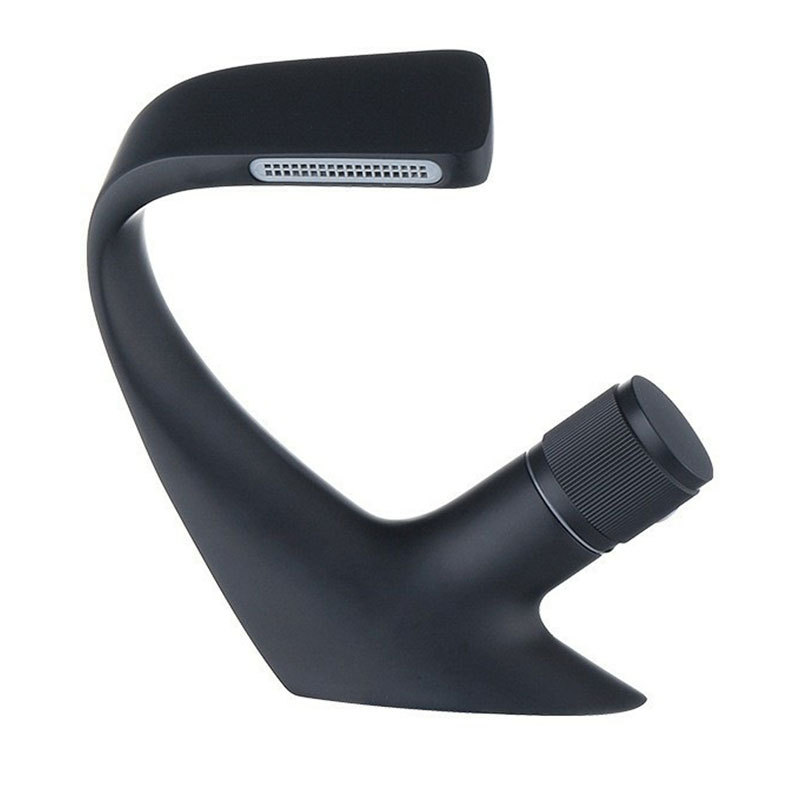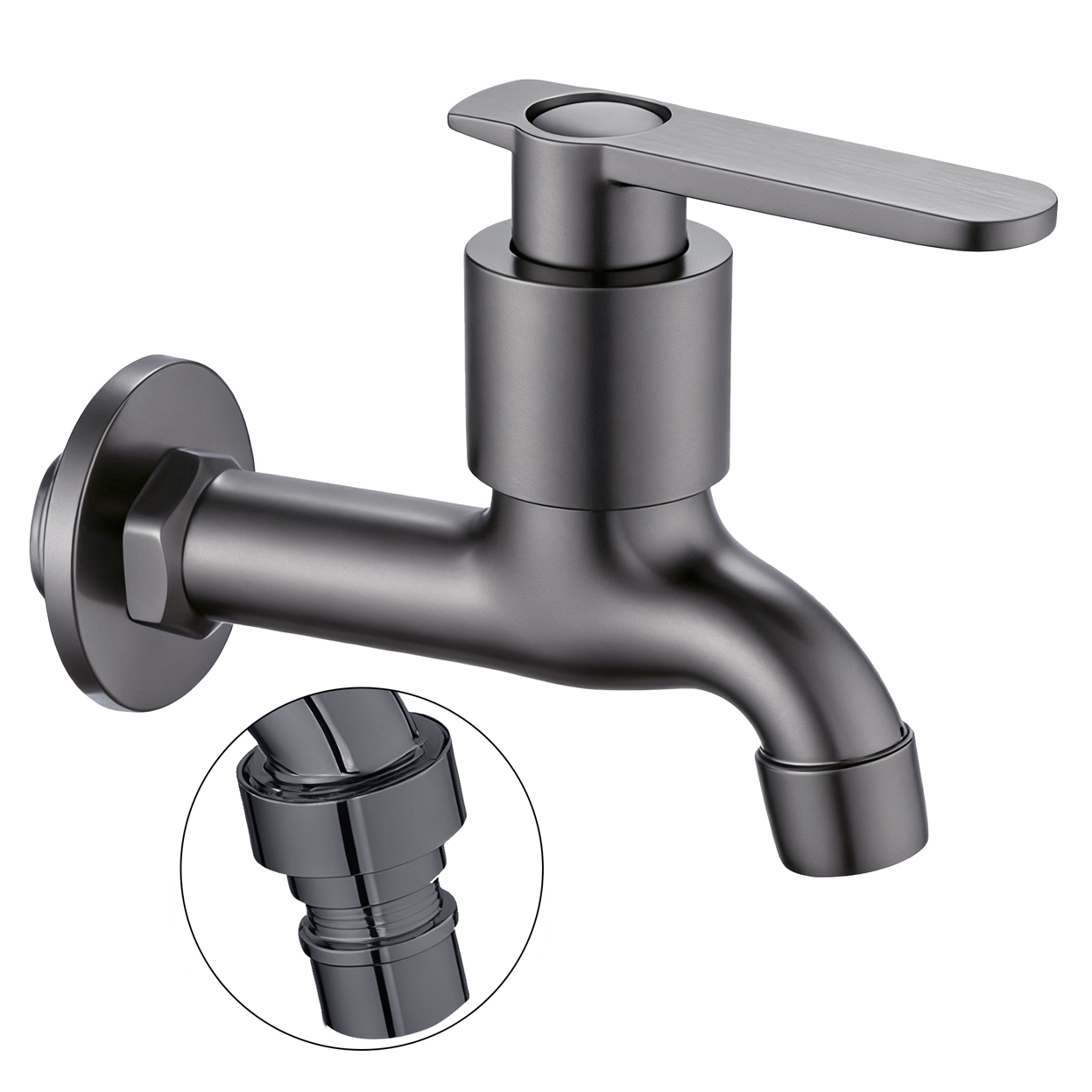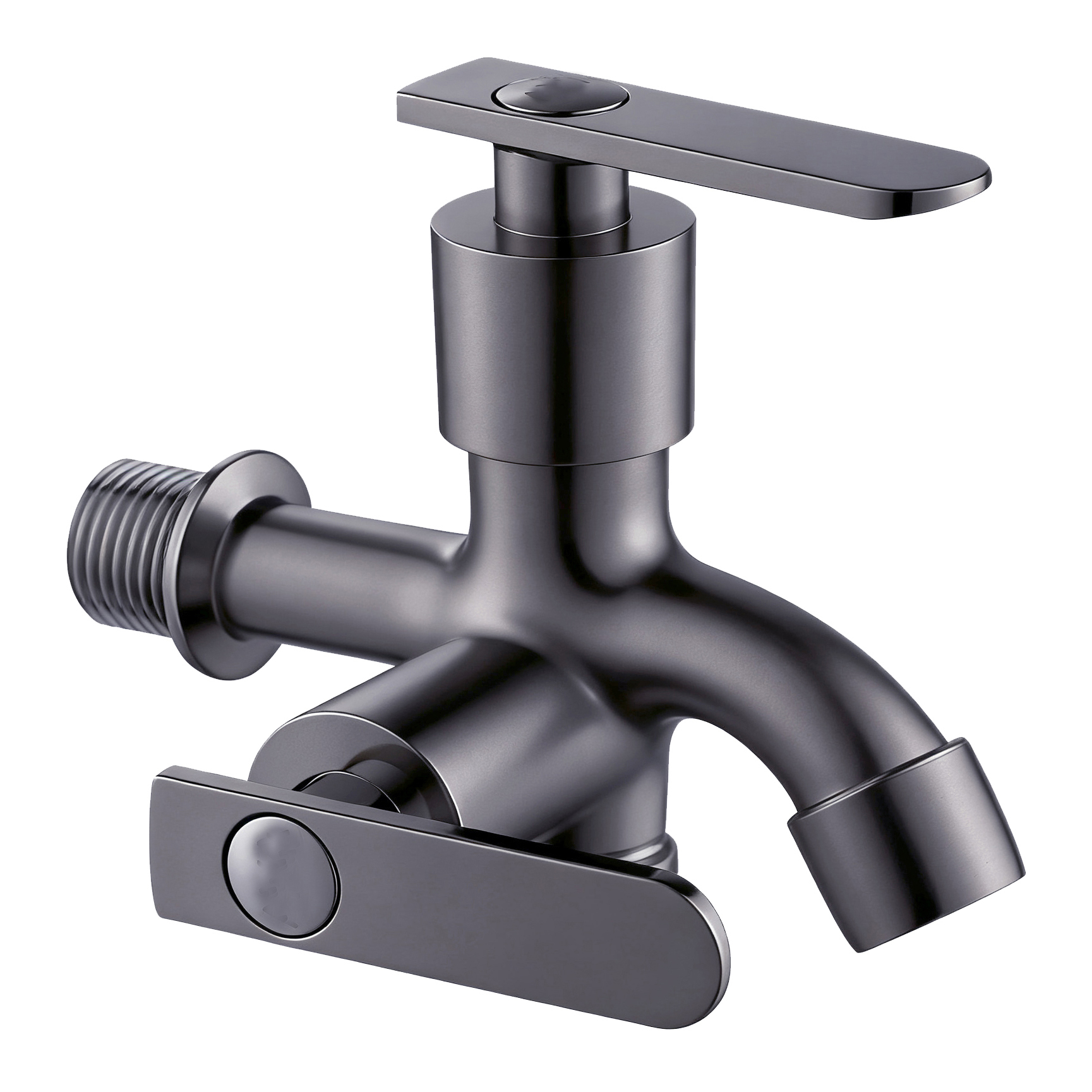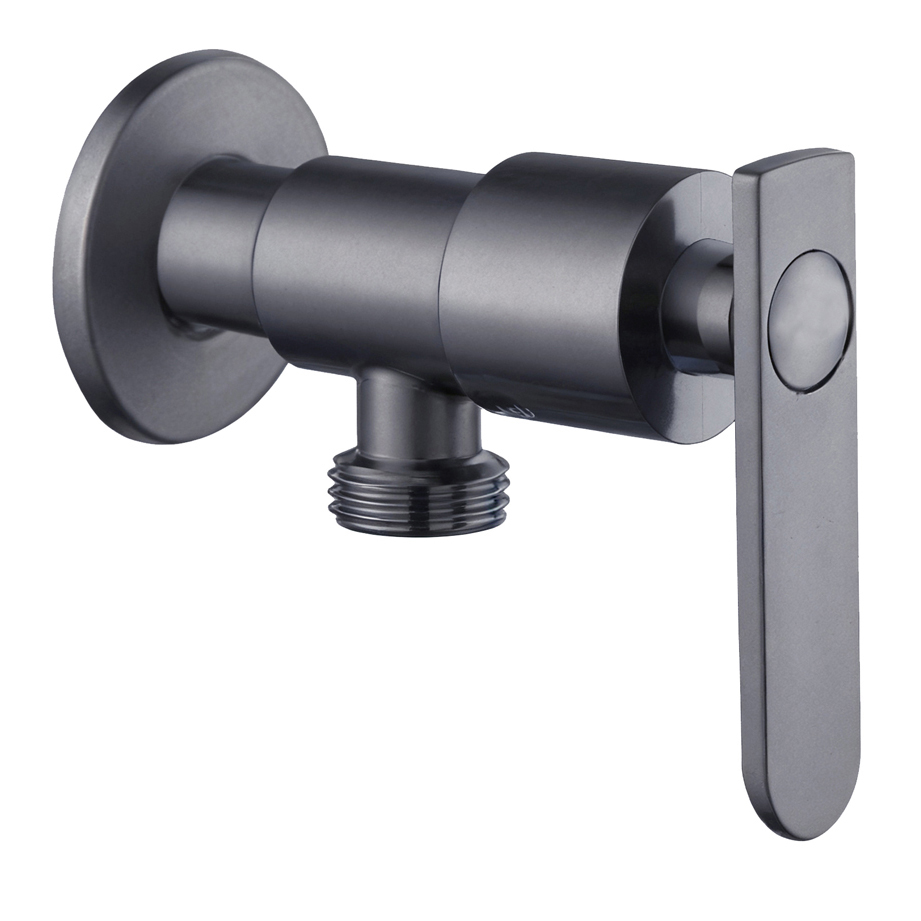




Retail stores face a practical SKU recognition problem.
Shoppers usually look at the product first and the model number second.
If a row of kitchen faucets uses very similar body proportions, spouts, and handles, small design differences can become hard to notice.
The shelf may offer many SKUs, but shoppers still need to check labels repeatedly to understand how the products differ.
In this situation, product shape can carry part of the identification work.
Square Design Only Helps When the Difference Is Clear Enough
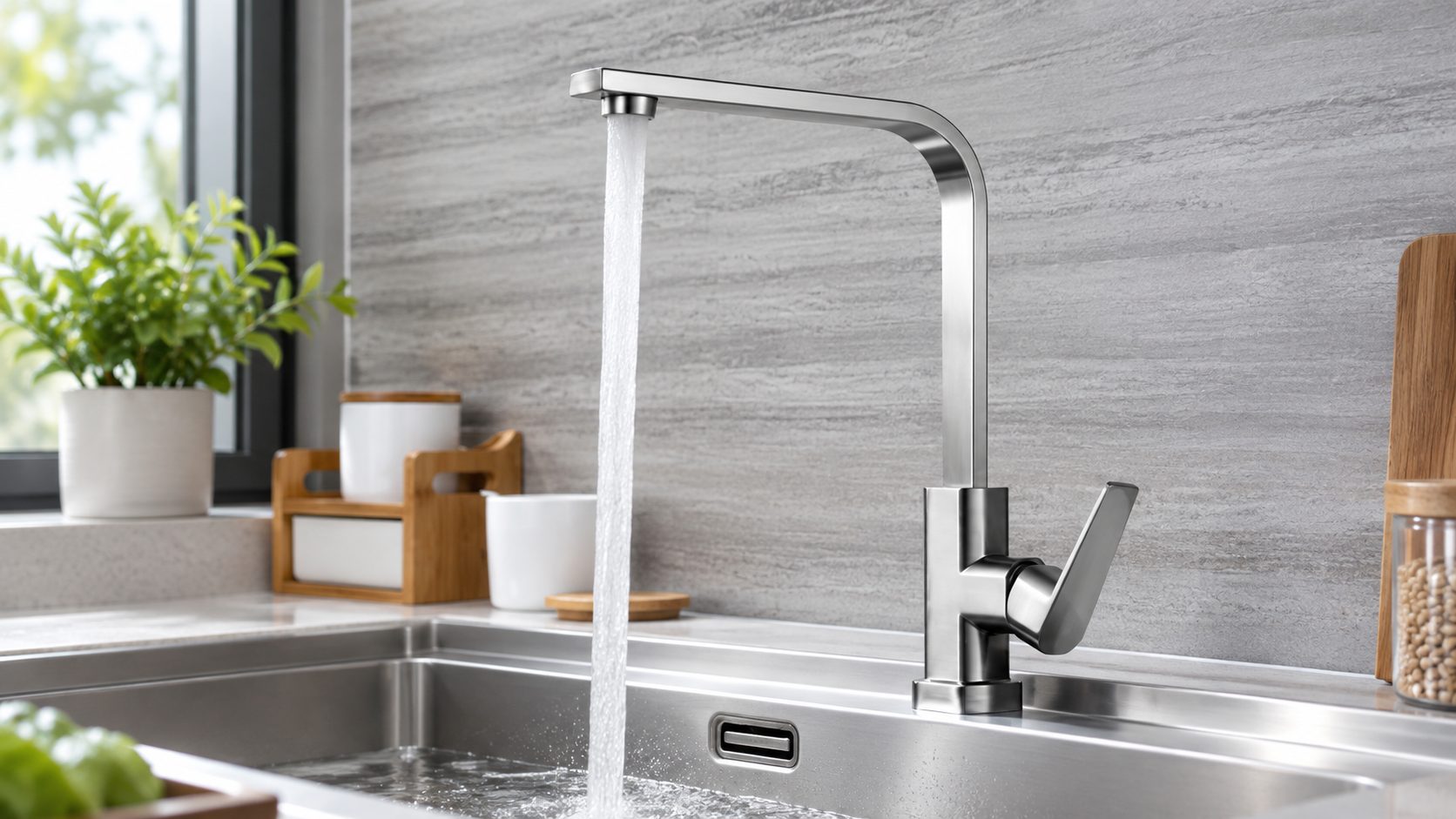
Take a Square Kitchen Faucet as an example.
If the square design only appears in one small handle detail, it offers little help with shelf recognition.
The effect becomes much stronger when the body, spout profile, corners, and handle all follow the same geometric language.
A kitchen faucet square can then stand apart more clearly from round or curved designs, even when several products share the same display.
Square styling can also influence how shoppers imagine the faucet in a kitchen.
They may assume that the design will work well with rectangular sinks or modern cabinets.
However, appearance does not show whether the handle will hit the backsplash or wall.
A retail display can solve this by showing more practical dimensions.
It can mark the actual spout rotation range, base width, and side clearance for handle movement.
Procurement teams should take these measurements from a physical sample rather than a rendered image.
If different handle versions exist, one shared product page may also create confusion.
Similar appearance does not always mean identical installation requirements.
Once this type of mistake enters multi-store replenishment, it becomes harder to correct.
One extra dimension drawing during sample approval can prevent much more work later.
A simple test can also show whether a shape family works well in a physical store.
Ignore the model labels for a moment.
From a normal viewing distance, can shoppers still see the differences between the products?
If they need to walk up to the display and search for a small detail, the shape is not doing much SKU recognition work.
Shape Can Help Shoppers Group Products Before They Compare Them
This does not mean every store needs a separate “Square” section and “Round” section.
The better goal is to use clear visual differences to reduce the first round of comparison.
Shoppers can first find the design group they prefer.
Then they can compare finish, function, price, and detailed specifications within that group.
Product images can support this process too.
A top or side view with real dimensions may reduce buying mistakes more effectively than another dramatic front-view image.
A short video can also show the handle movement.
This helps shoppers judge whether the faucet may hit a wall or backsplash on a narrow countertop.
ANAMACO reports that in-store service still plays an important role in Brazil’s building-material retail sector.
The same survey also found that 97% of stores sell through WhatsApp.
For retailers supplying Square Kitchen Faucet products to this market, one large shelf image may not be enough.
It can also help to prepare mobile-friendly images that show the base, spout reach, and handle clearance clearly.
Store staff can send these images directly to customers during WhatsApp conversations.
Whether those conversations later turn into in-store purchases should still be confirmed with each retailer’s own sales data. [1]
In this context, Shape becomes more than a design feature.
It also becomes a form of shelf information that does not require extra text.
For retail stores, this can create more value than simply adding more SKUs with only minor visual differences.
Shoppers do not necessarily need to see more products.
They need to understand quickly which products share the same design direction and which ones offer a genuinely different configuration.